
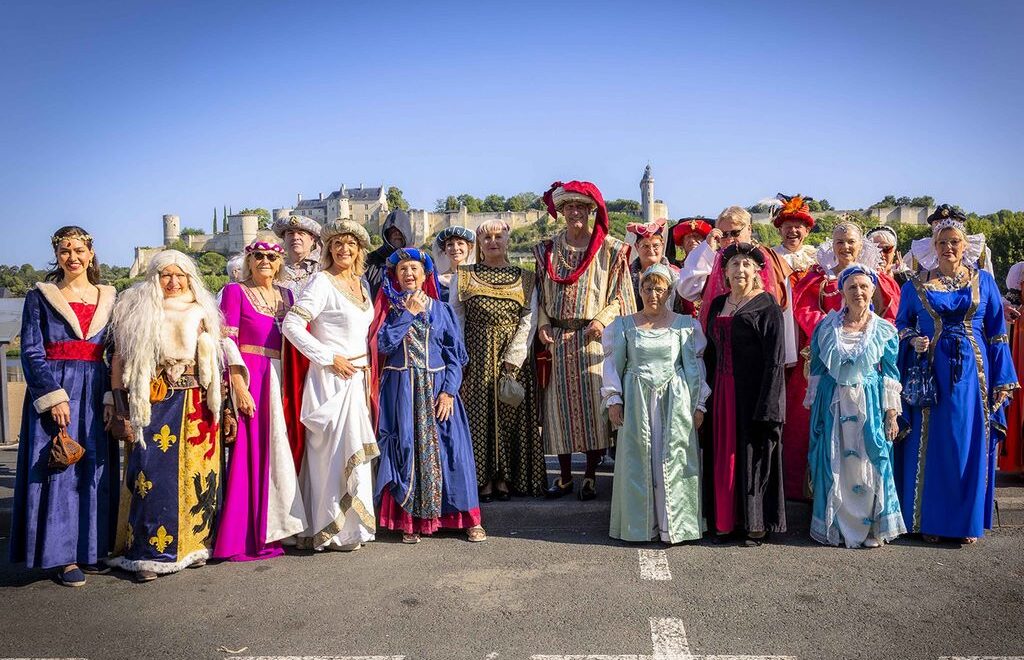
Every summer in August, for one weekend, the town of Chinon plunges back into its medieval past. Troubadours, knights and craftsmen bring to life a Middle Ages that is both documented and dreamt of. More than just entertainment, the Medieval festivals are a mirror, a moment of popular transmission. Between fortress and town centre, between clogs and smartphones, chronicle a festival where history lives on.
Table of Contents
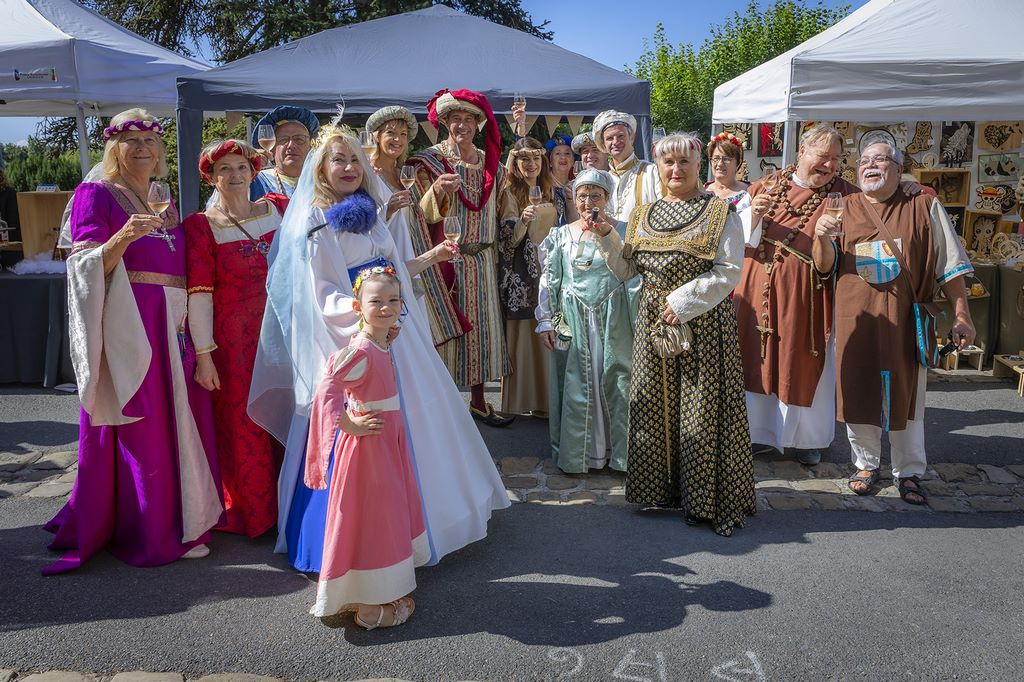
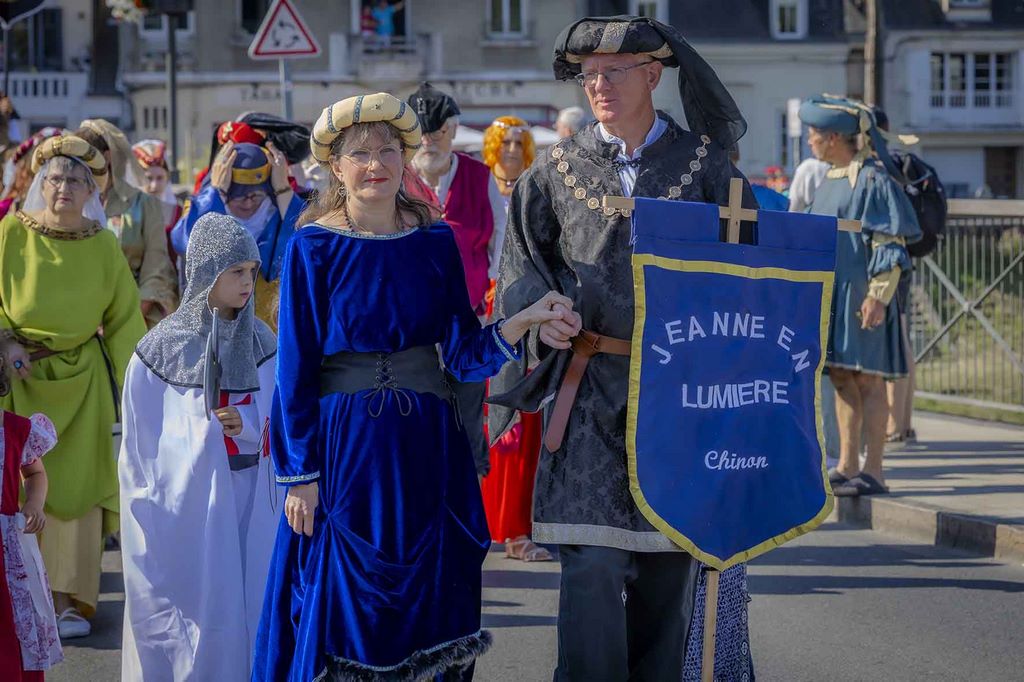
Under an August sun shining down on the pale Touraine stone, Chinon comes back to life. The Middle Ages are back, but not the Middle Ages of darkness and endless wars, but the Middle Ages of colour, fairground cries, lofty words and proud feathers. The medieval festivals of Chinon is more than just a fancy dress ball for history buffs in clogs: it's an open stage for 1,000 years of memory.
When Chinon dons the colours of the Middle Ages
Chinon... It only takes one name for a part of France to recover. This is where Henry II Plantagenet came to retire. This is where Eleanor of Aquitaine, undoubtedly the freest and most disturbing of queens, reigned with an eye that even the monks dared not judge. And of course, Chinon is that almost mystical threshold where Joan of Arc meets the future Charles VII. France regained faith in itself on the pavement of its court.
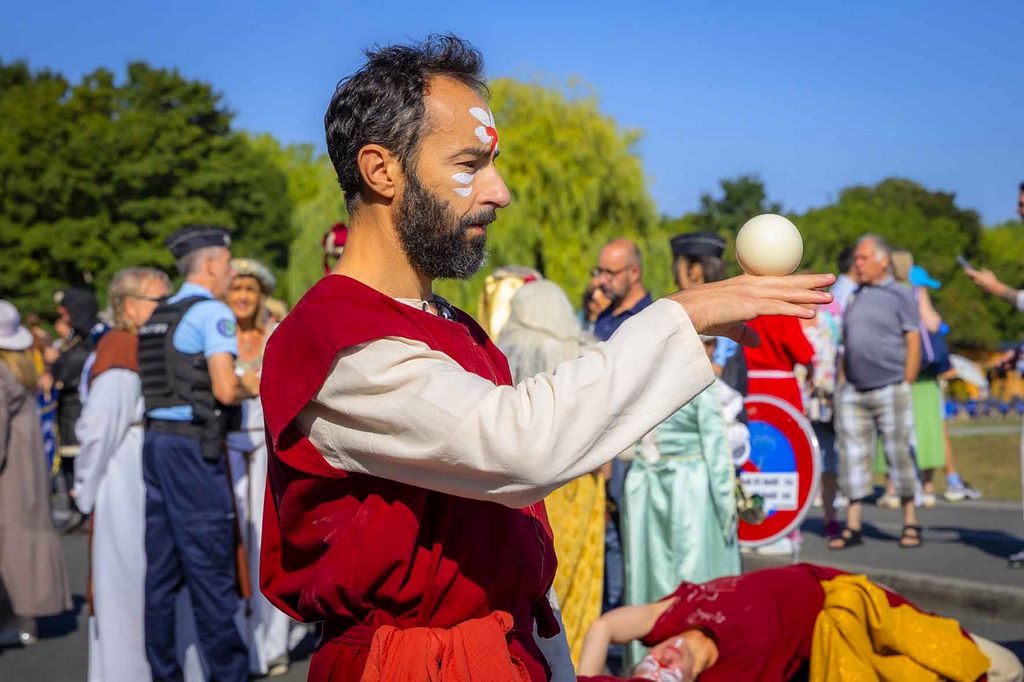
Every summer, the town adorns itself with its past like a hand-embroidered cloak. The streets resound to the tread of horses, the market halls fill with the scent of hypocras (1) and leather, children hold out their hands to the acrobats, while a false prior thunders truths that are funnier than they are pious. It's a jubilant people, some in costume, marching towards a History they are trying to understand and feel.
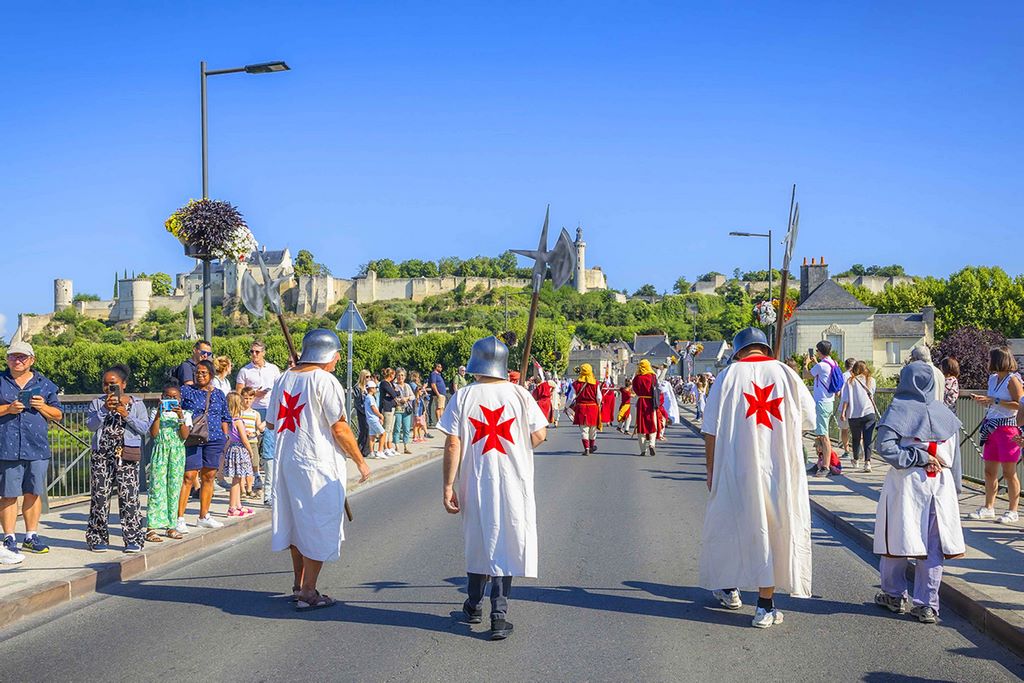
In Chinon, the medieval period isn't plastered on like a cardboard set. It oozes from the stones, it creeps into the corners of half-timbered houses, it mingles with the mists of the Vienne. Here, time is not a historian's abstraction: it is a voice, sometimes a silence.
The organisers, who are passionate, rigorous and sometimes a little crazy, try to get it right. They have a fierce desire to pass on their knowledge, and visitors are eager to listen. And that, in our hurried century, is worth all the illuminated manuscripts.
A living epic
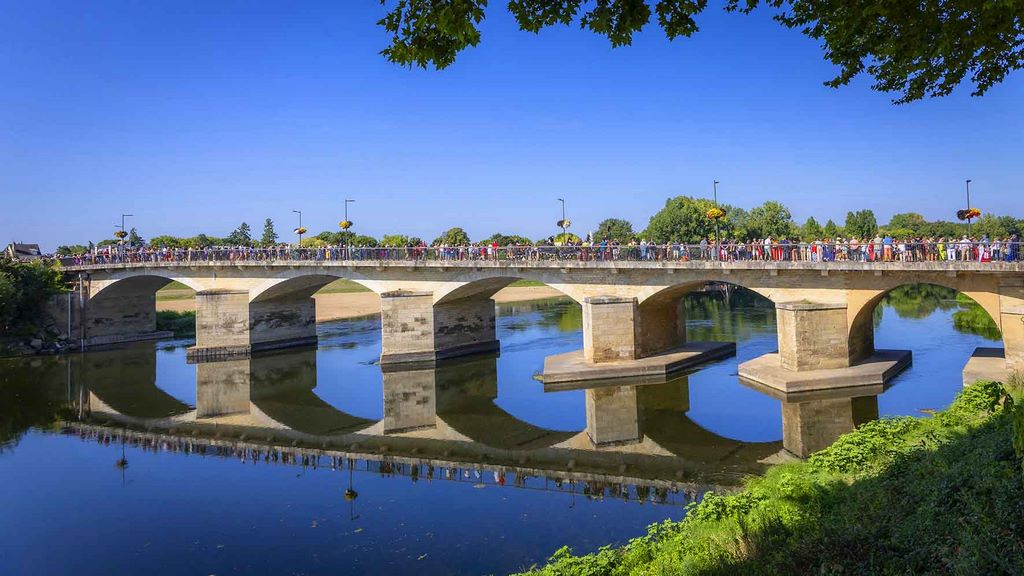
These festive days in Chinon are not just about bringing the Middle Ages back to life. It rereads it, sings it, and sometimes argues about it. And under the tents of the parchment-makers, in the shadow of the lices or at the bend of an improvised tavern, it is France that questions its past, not to shut itself away, but to find itself again.
As far back as the 12th century, Chinon was a city of trade, noise and fairs, where the language of Oïl and langue of Oc, cloth and spices, monks and soldiers mingled.
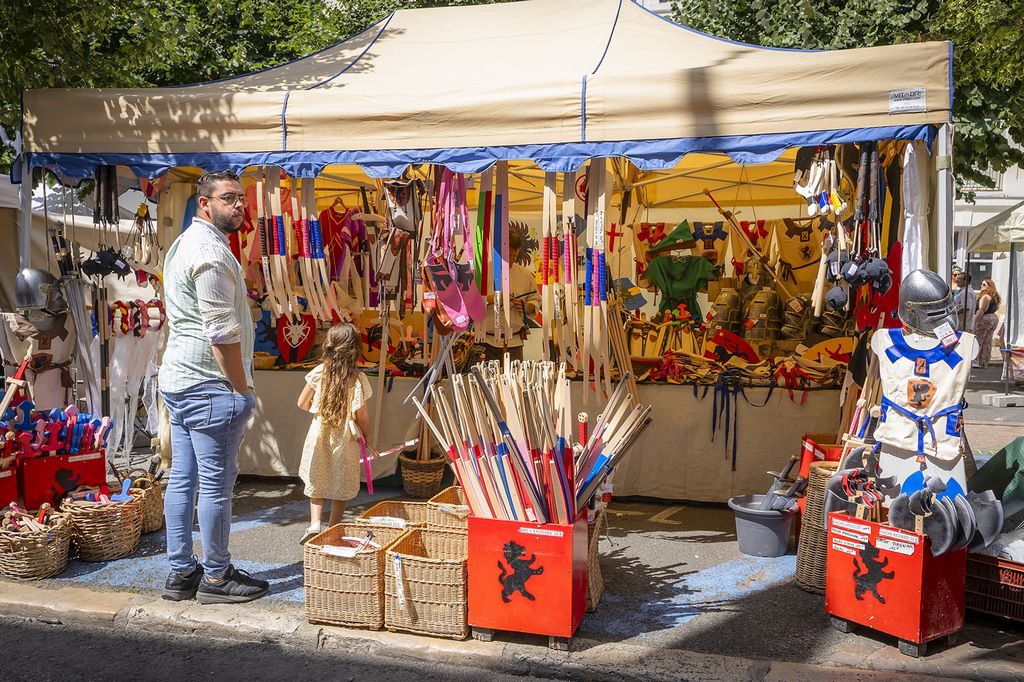
The medieval Festivals of Chinon reactivates a popular urban event: the fair, in the broadest sense, as a moment of suspension from everyday life, a condensation of history and a symbolic reversal of values. History is no longer whispered in books, but expressed in laughter, the clanking of armour, the scent of warm bread and fresh ink. The medieval Festivals is an invitation to step back in time, through alleys crowded with merchants, craftsmen, troubadours and soldiers. It's the magic of voices singing and recounting, of age-old gestures being reborn.
This is a living, vibrant story, where Joan of Arc may appear at the bend in the road, where a blacksmith confides in you, between two blows of his hammer, the secrets of glowing metal. You can hear the heavy footsteps of the knights, feel the weight of the armour, guess at the intrigues of the court and the ardent faith of the believers. You could almost run into the king Charles VI gone mad in the forest of Le Mans. The air is charged with a souffle that comes from afar, from centuries that, for the space of a weekend, come back to life. It's a popular epic, where spectators and actors become guardians of a History rich in its shadows as well as its lights.
Children in costume: guardians of a great past
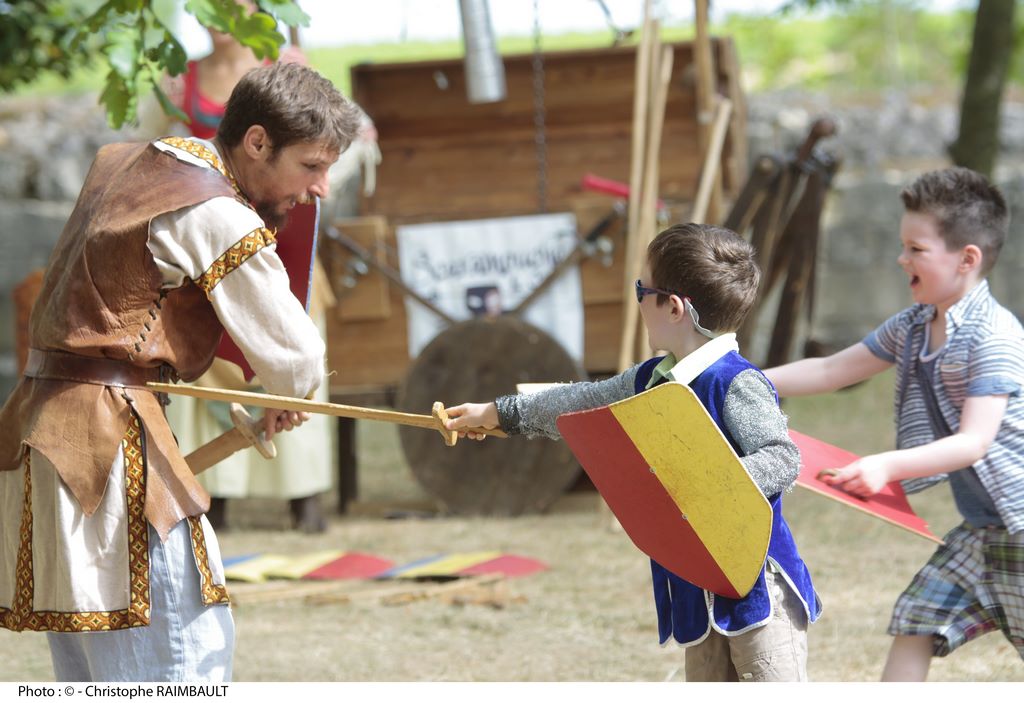
The youngsters' eyes sparkle behind slightly oversized helmets, their hands clumsily clutch wooden bows, and their laughter fizzes under colourful coiffes.
These little knights, damsels and budding craftsmen become the first passers-by of a living memory. Their clumsy gestures tell a story of learning, where playing is understanding, and laughing is learning to love history.
In the calligraphy and pottery-making workshops, you'll discover beginners' hands already at work recreating ancient gestures, under the benevolent eye of volunteer elders. They learn to trace Gothic letters or mould clay with the same patience as medieval craftsmen.
For parents, it's a moment of pride and emotion. At the Medievals of Chinon, children in costume are joyful ambassadors of the past, innocent guardians of a living heritage.
The Royal Fortress: a great witness to history
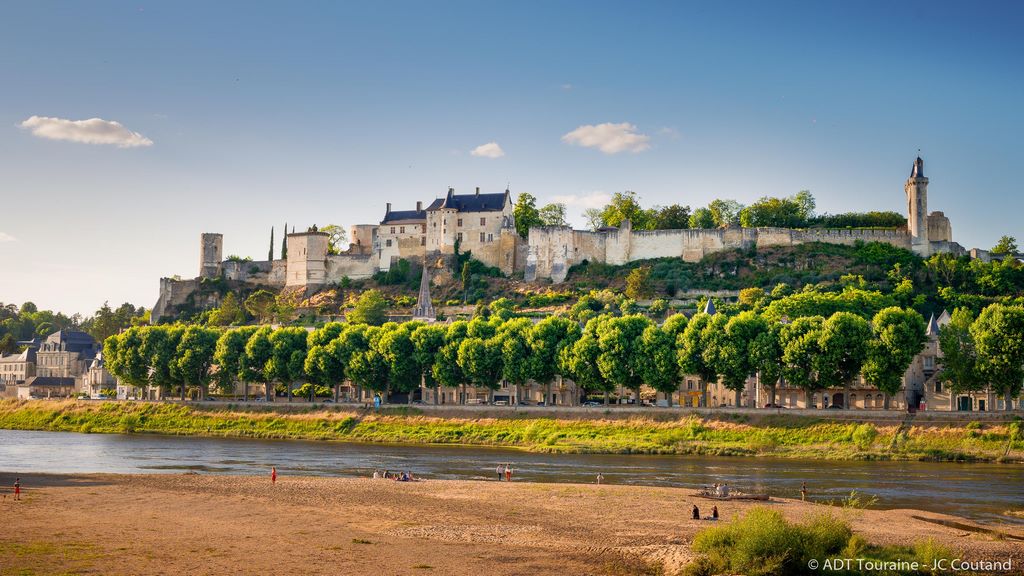
After the market and the parade through the town, it's to the royal fortress that knights, minstrels and acrobats will parade. Here, between imposing walls and alleyways steeped in secrets, dramas of power and decisive encounters were played out, notably that of a young peasant girl named Joan of Arc who changed the destiny of an entire kingdom.
Walking up the street "haute Saint-Maurice", you're not just climbing a slope, but centuries. Here, limestone ages like parchment. Chinon is a walk through history. First you have to choose your entrance, because Chinon castle is not a compact block, but a snake of stone set on a rocky spur that stretches for almost 500 metres.
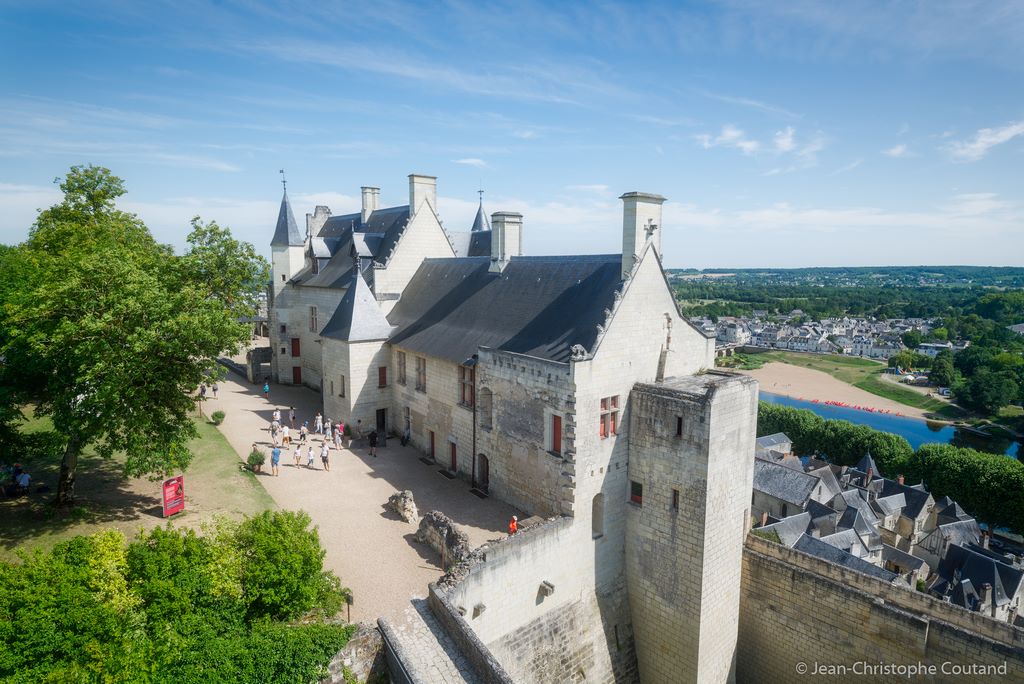
Imagine: in 1154, Henry II Plantagenet, Count of Maine, Duke of Anjou, King of England, master of an empire stretching from Scotland to the Pyrenees, made Chinon one of his favourite haunts. He received his barons here and settled the affairs of the kingdom. But it was also in a modest room that, in 1189, he died betrayed by his own son, Richard the Lionheart.
Immerse yourself in the warlike world of the great battles of the late Middle Ages as you enter the weapons room, where you'll see chain mail, crossbows and replicas of armour...
The royal apartments: the queen's flats Marie d'Anjou (1404-1463) are dedicated to Joan of Arc collections. These include images of Joan, as well as numerous statues of her, and the Tapestry of Recognition.
In the bedroom of Eleanor of Aquitaine

In the 12th century, the bedrooms of King Henry II Plantagenet and his wife Eleanor were located in the palace of Fort Saint-Georges, now destroyed. But they have benefited from a work of historical reconstruction carried out by craftsmen. In that of Eleanor of Aquitaine, the furniture tells the story: bed, chest, seat and table were created by the cabinetmaker Tancoigne in Rouillon (now closed) on the basis of a study carried out by Cécile Laganne, a doctor in medieval archaeology. The silk decoration features stylised animals and plants, faithfully recreated and woven by the silk workshops Jean Roze, a living heritage company based in Tours. The painted decor, inspired by the 12th century, was created by restorers from the Moulinier workshop.
The intimate bedroom of Charles VII has also benefited from the combined efforts of scientists, historians and craftsmen. A bed, a pulpit (armchair), a chest and a table were recreated, along with a gold-embroidered tailpiece and a hanging canopy.
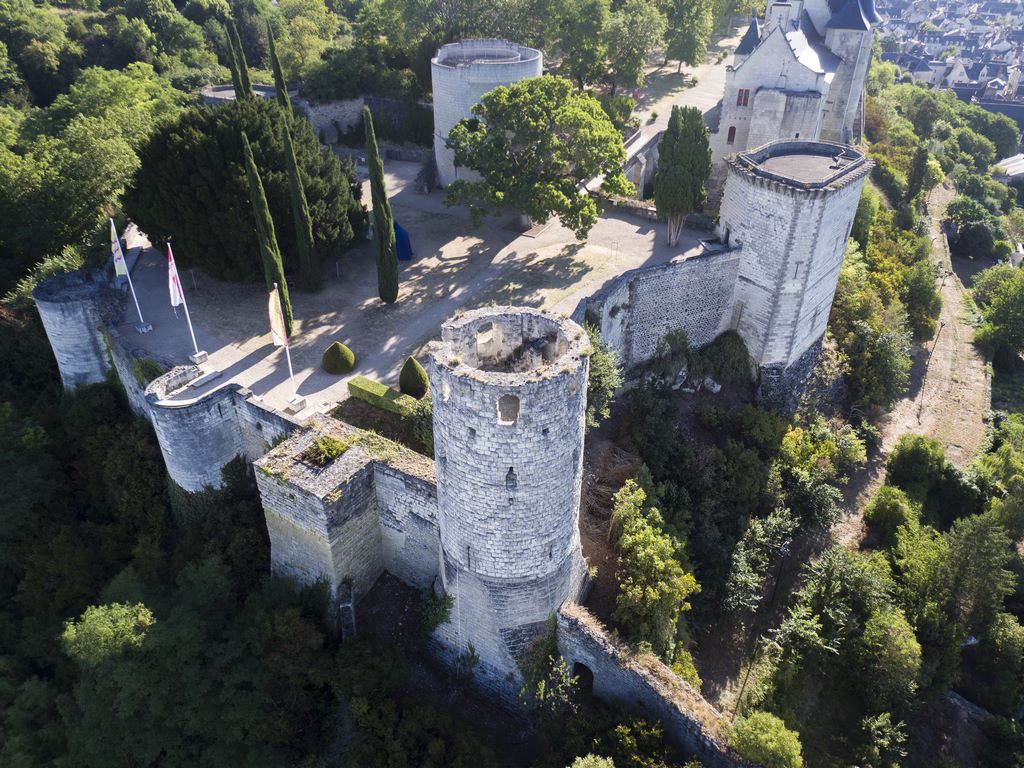
To visit Chinon Castle is to walk through the cold stones of a medieval fortress, but also the echoes of men and women who shaped the destiny of France. It bears the marks of a time when war and faith intertwined in a battle for the very soul of the future Kingdom of France.
1 - Hypocras is an ancient wine-based drink, sweetened and flavoured with spices.including cinnamon and ginger.
For more information
Chinon Tourist Office https://www.azay-chinon-valdeloire.com/
Text : Michèle Lasseur