A short portrait of this immense artist, followed by a look at his current presence at the Louis Vuitton Foundation. From the perspective of photojournalist Sylvain Grandadam.
Table of Contents
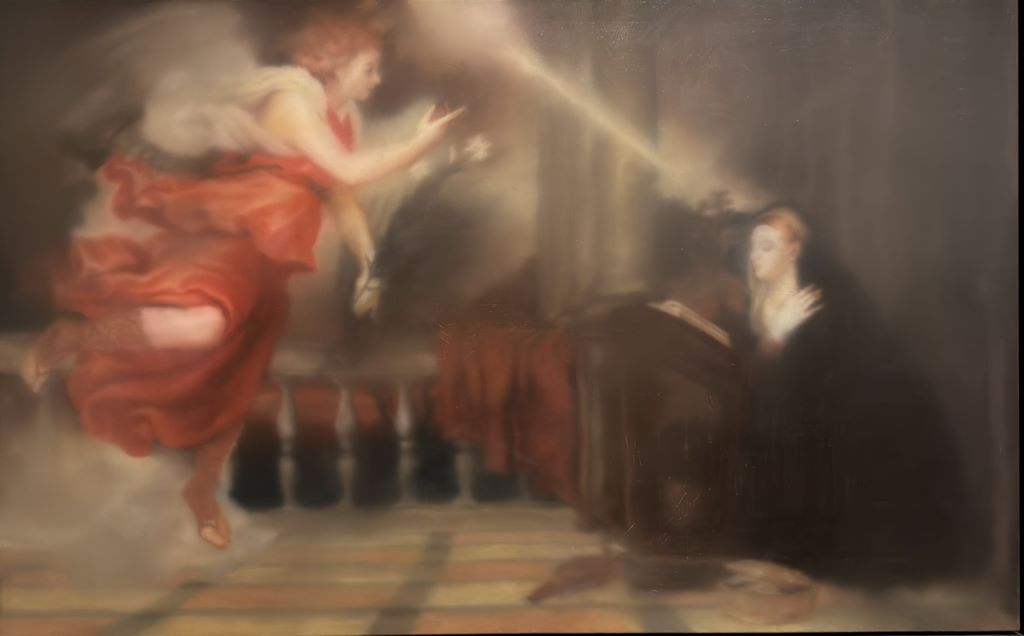
Oil on canvas, 125 x 200 cm Hirshhorn Museum and Sculpture Garden, Smithsonian Instituteution, Washington, DC, Joseph H. Hirshhorn Purchase Fund, 1994 © Gerhard Richter 2025.
Richter is one of the world's most influential living artists. He is described by some of his supporters as the "Picasso of the 21st century", as much for his ability to constantly renew himself as for his capacity to produce abundantly...
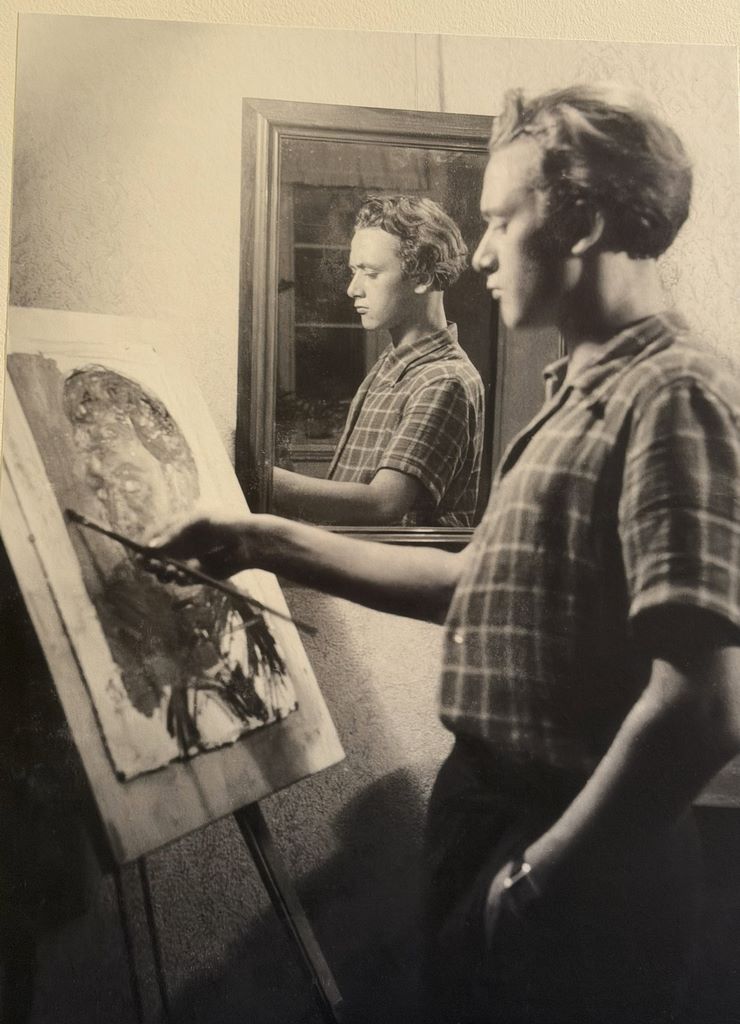
Born in 1932 in Dresden, East Germany, Gerhard Richter grew up under the Nazi regime before being subjected to the rigours of Soviet socialist realism. In 1961, just before the Berlin Wall was built, he fled to the West, to Düsseldorf, before settling in Cologne, where he continues to live and work. This double experience of totalitarianism forged in him a deep distrust of ideologies and official truths.
Photography as a source
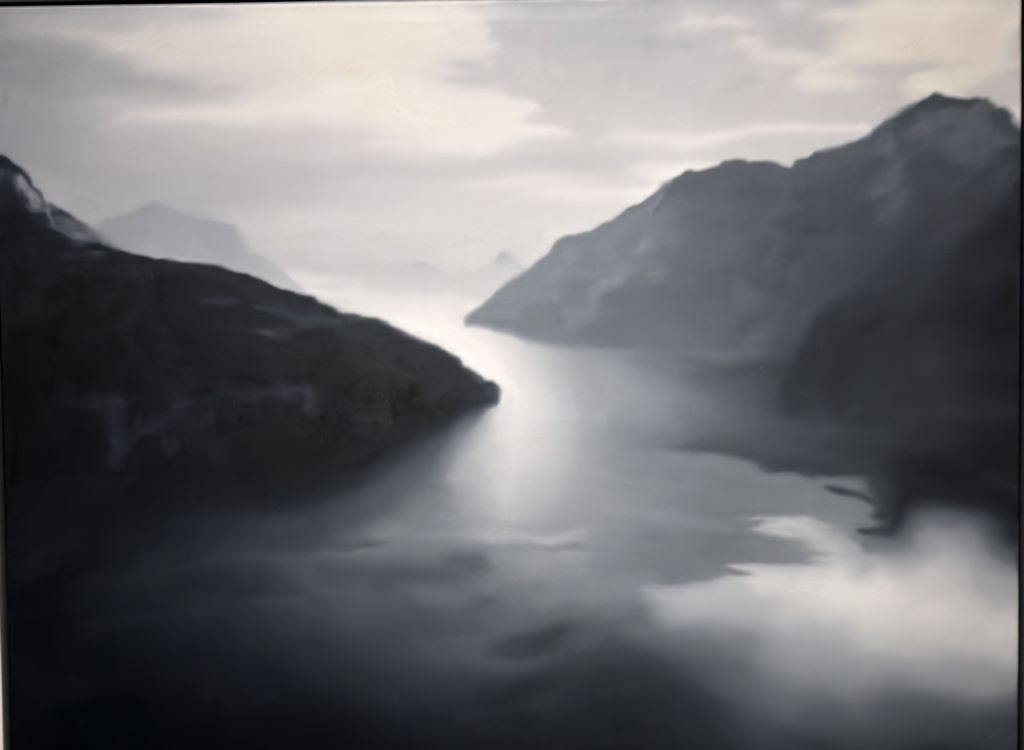
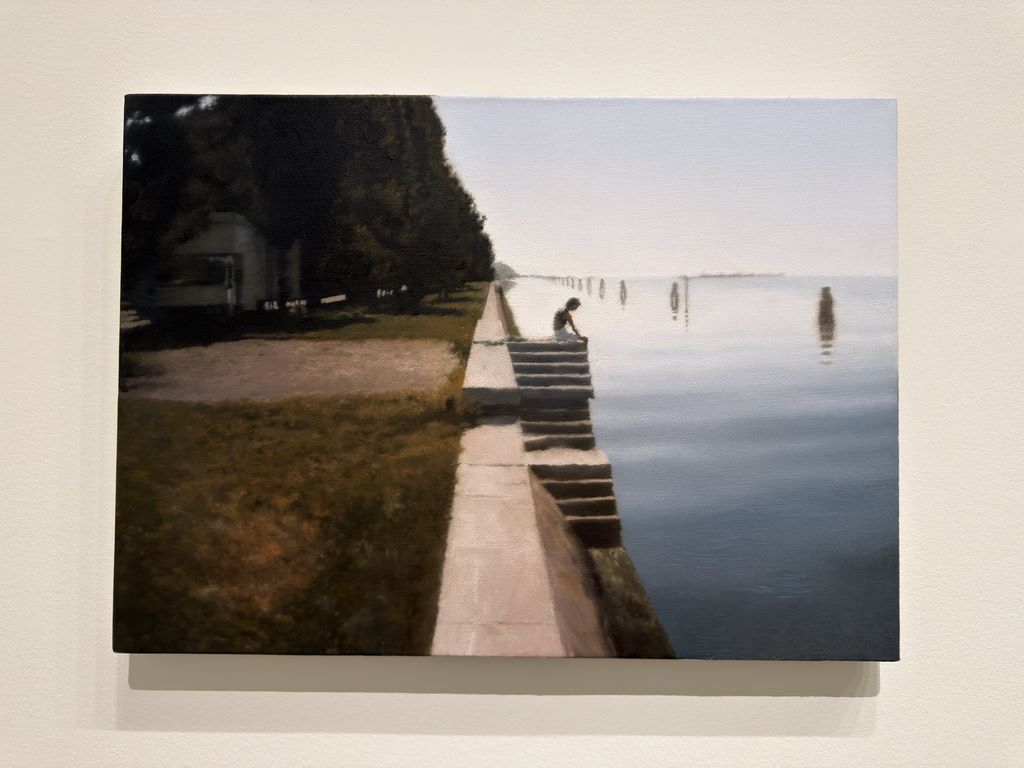
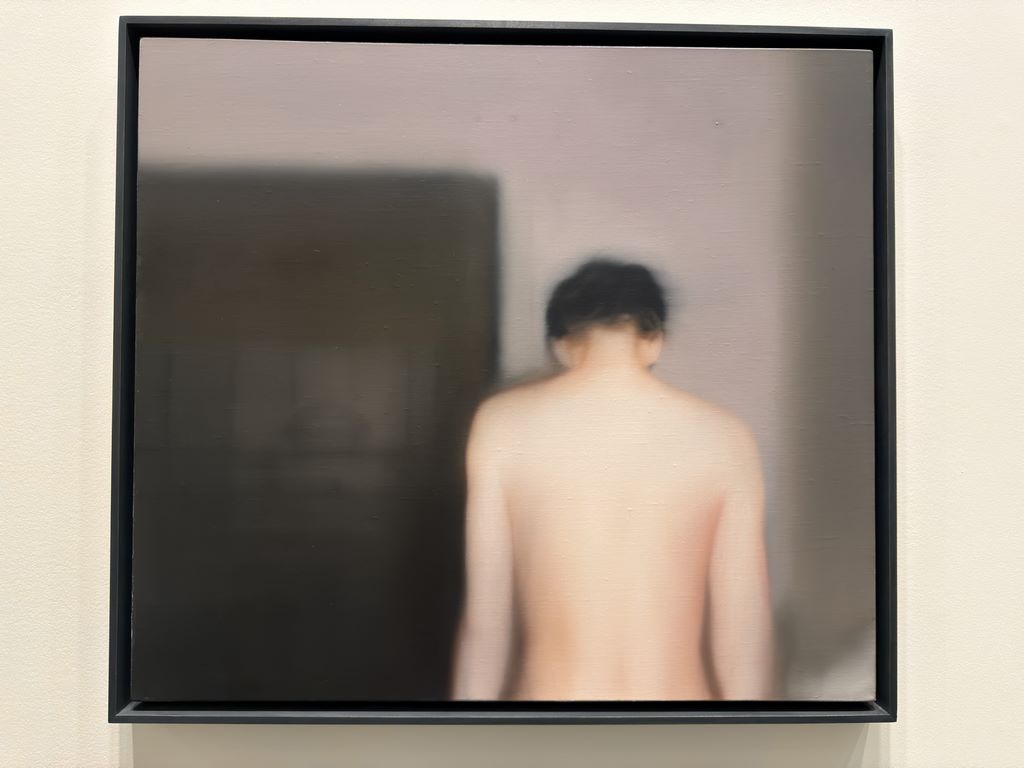
His almost oxymoronic work is marked by a fascinating duality between two styles that he alternates with virtuosity. On one hand, the Photorealism : the artist reproduces photographs on canvas, often blurred and frequently in black and white, questioning our perception of reality and memory, which can cause discomfort for the viewer.
Exploring abstraction
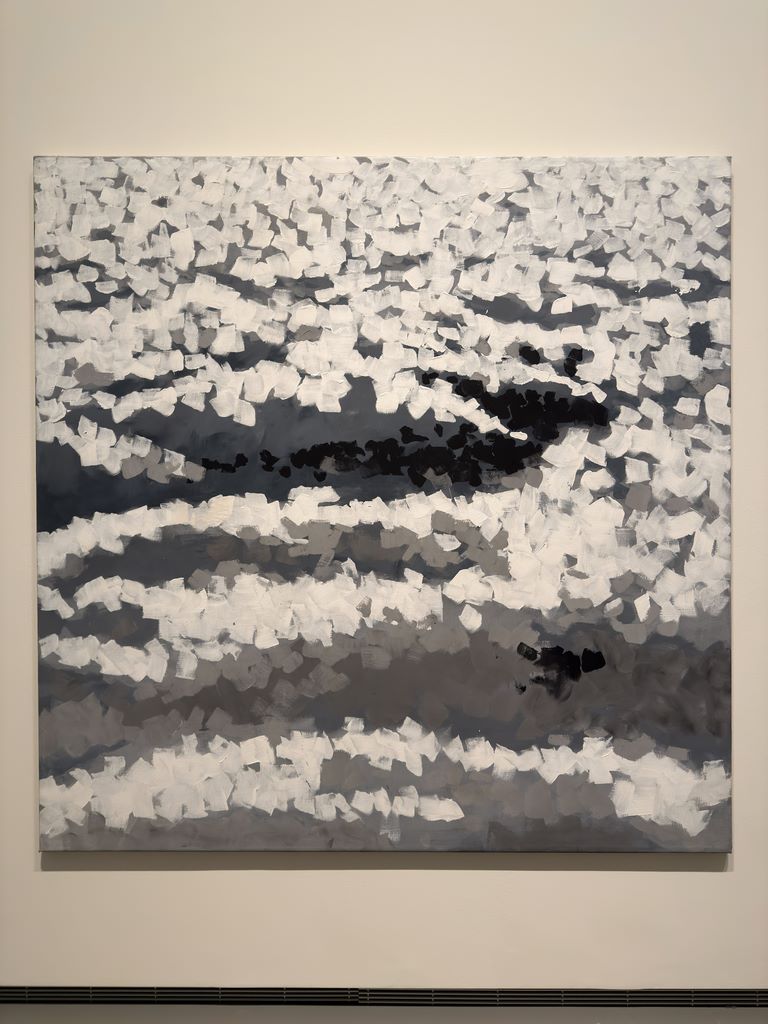
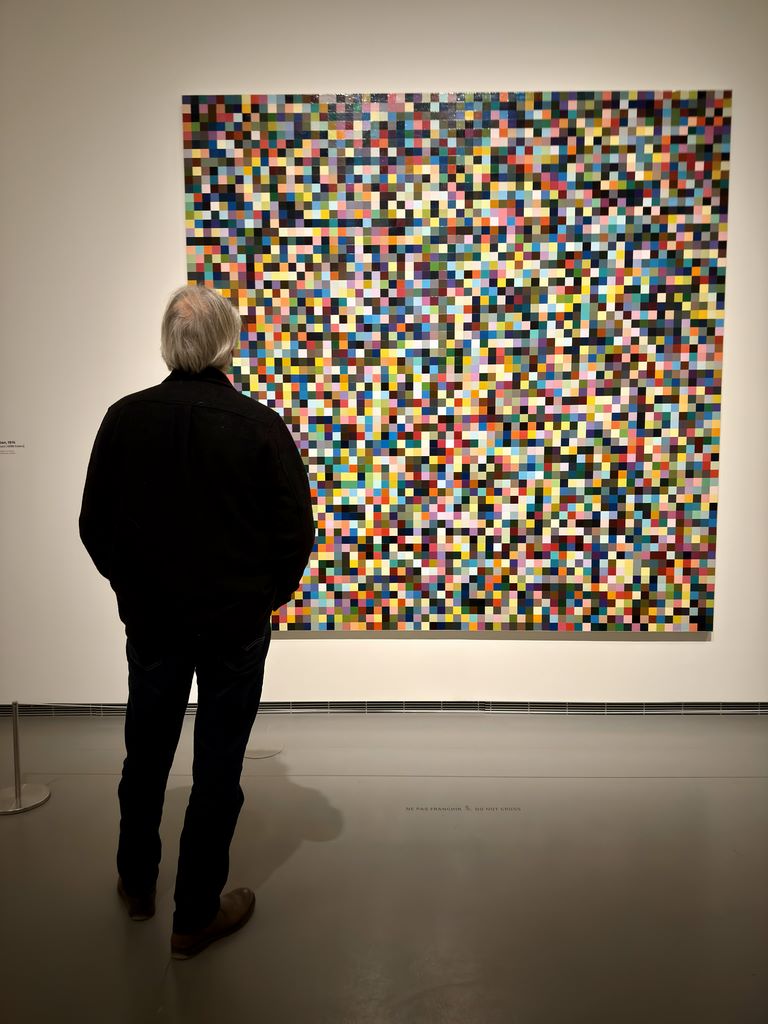
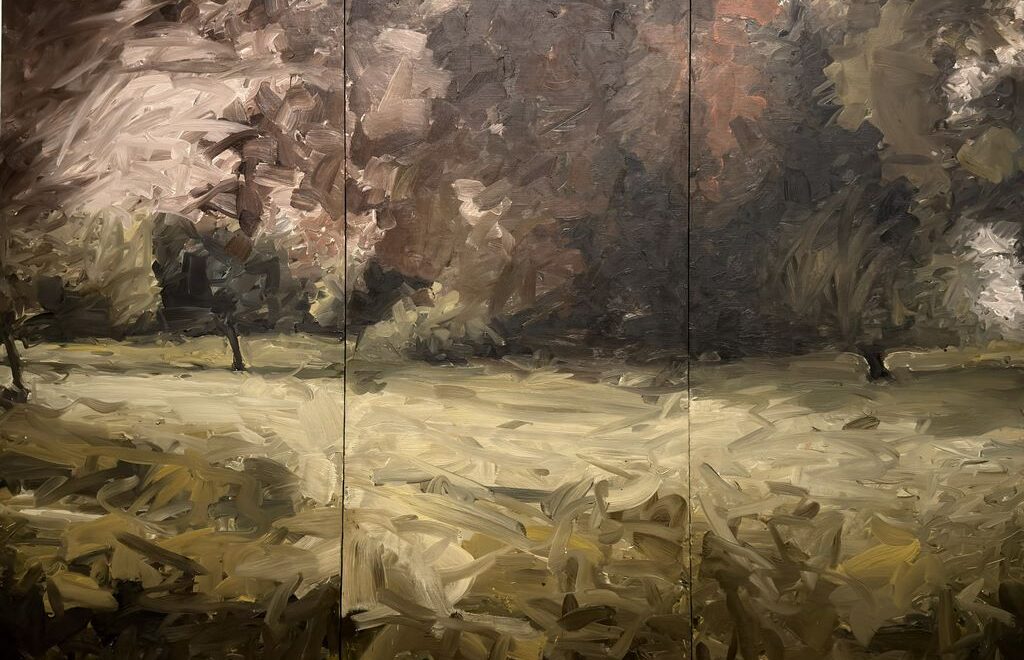
On the other hand Abstraction or « Abstrakte Bilder » : Using large squeegees, he spreads and scrapes off layers of fresh paint to leave space for chance and pure matter, raising questions that recall the doubts that surrounded the surrealism, on the validity of an artist’s recourse to the creativity of chance... Some works of figures or landscapes escape this classification, however, and appeal to the viewer through their presence and polychrome realism.
Betty: the art of blur
This painting, entitled Betty (1988), is one of Richter's most famous works. Although it looks almost photographic, it is a masterly oil on canvas that plays on the confusion between painting and photography. The painting depicts the artist's daughter Babette (nicknamed Betty). Richter did not paint her «on the spot» in 1988. He used a photograph he had taken of her ten years earlier, in 1978, when she was about 11. This time lag between the photograph and the painting adds a dimension of nostalgia and remembrance to the work.
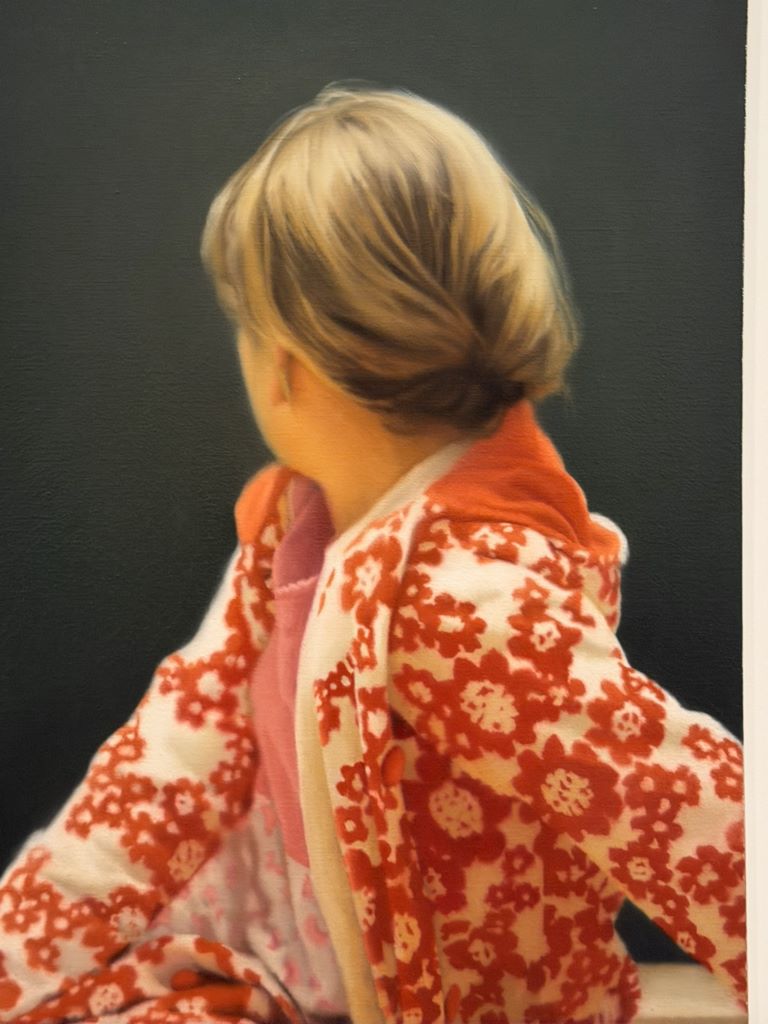
Richter uses his signature blurring technique (Vermalung), which involves running a dry brush or a squeegee over the still-fresh paint. This artistic blur imitates the focus of a camera and creates an emotional distance. It gives the impression that the subject is about to fade away, reinforcing the idea that the past is elusive.
The pose is symbolic: Betty turns away from the viewer. She doesn't look at us, and she also turns her back on her father (the painter). This gesture is often interpreted as a refusal to be identified, or as a protection of her privacy. Betty is generally thought to be looking at one of her father's grey monochrome paintings in the dark background. In this way, she seems to be «turning her back» on classical figuration (represented by her own realistic portrait) in order to contemplate abstraction. The bright red and floral motifs of her jacket contrast violently with the stark grey/black background, creating a tension between the warmth of childhood and the coldness of conceptual art.
Monumental works

The current exhibition at the Fondation Louis Vuitton represents a kind of Monumental Dialogue. In keeping with its close relationship with the artist, the Fondation regularly presents major works from his collection. At the moment, the emphasis is on the power of his late works and monumental series, described by one expert as «erasure as truth». Richter's spiritual coherence, despite the diversity of forms, is striking, making this exhibition crucial: Richter does not seek to «represent» the world, but demonstrates that every image is a construction. Whether he is painting a realistic candle or an immense abstract canvas, he could be telling us that vision is fragile.
Last masterful abstract paintings
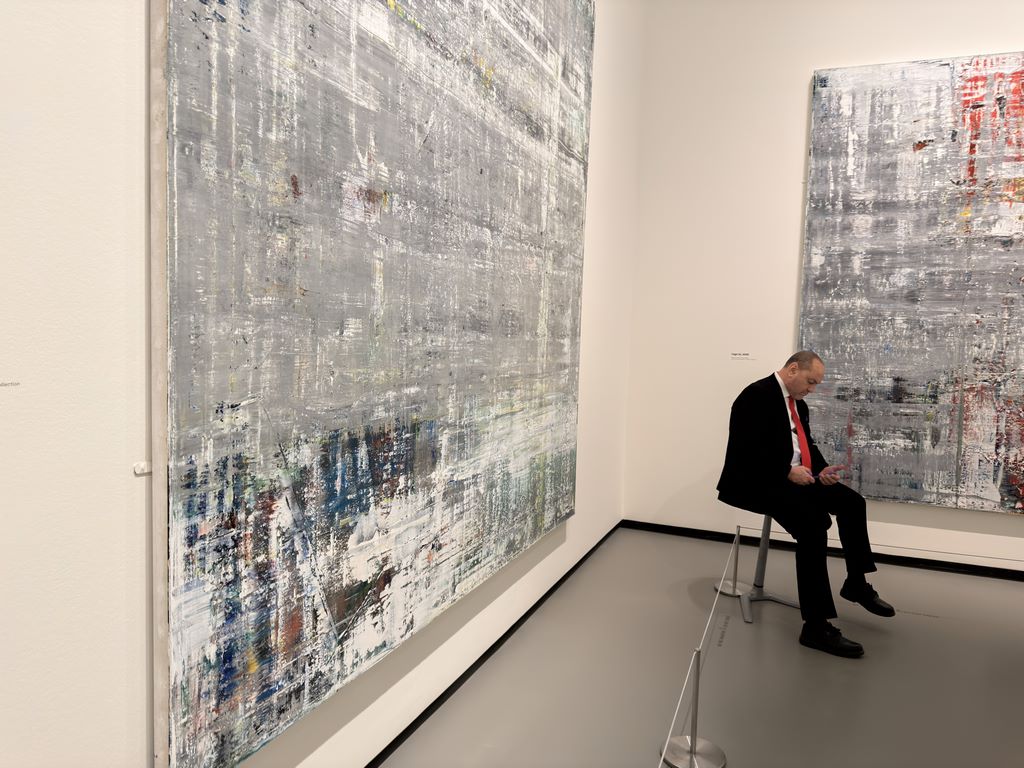
Faced with the gigantic formats on display, the viewer is no longer a mere observer, but is «immersed» in the colour, the squeegee technique creates an archaeological depth of palimpsest where each layer of paint hides or reveals another. In each room, there is an almost monastic, German-style discipline. No overflowing ego here, but constant technical research to achieve what he calls «a presence that is not ourselves».
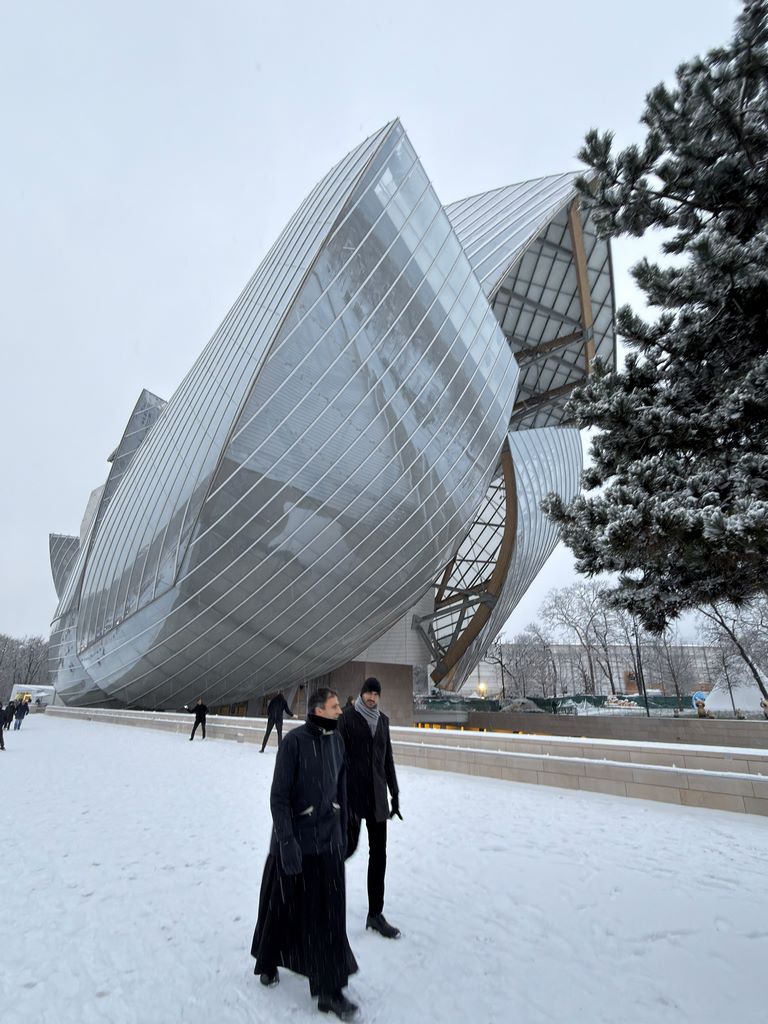
Louis Vuitton Foundation
8 av. du Mahatma Gandhi
Paris
From 17 October 2025 to 2 March 2026
Text and Photos : Sylvain Grandadam