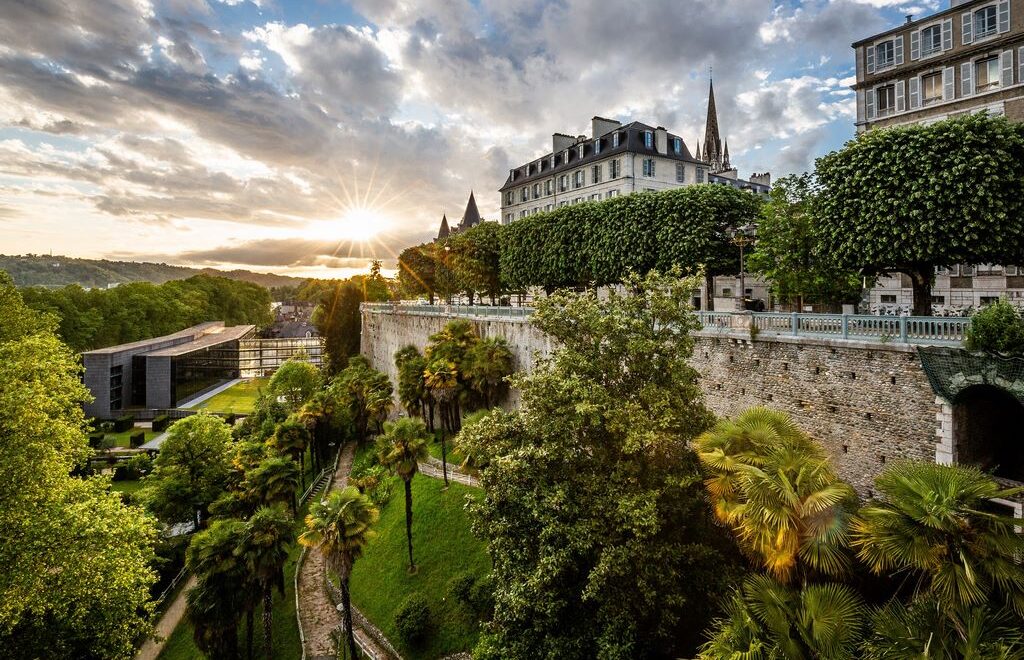
There are towns that history passes through like a cavalcade, sabre in hand; others that destiny caresses like the pages of a novel. Pau is one of these, and you have to imagine Jean-Baptiste Bernadotte, the future King of Sweden, looked up at the peaks of the Pyrenees, unaware that these same mountains would soon seduce another monarchy: that of the astonishingly Victorian English.
Table of Contents
Pau's English period was one of gentle conquest: that of climate, light, comfort and health care. In the 19th century, at a time when Europe was coughing in the soot of the industrial revolutions, a Scottish doctor - Alexander Taylor (1), a name that sounds like something out of a novel by Walter Scott - discovers an air in this Gascon town that lung patients breathe in like a promise.
Pau, a climatic exile for the British aristocracy
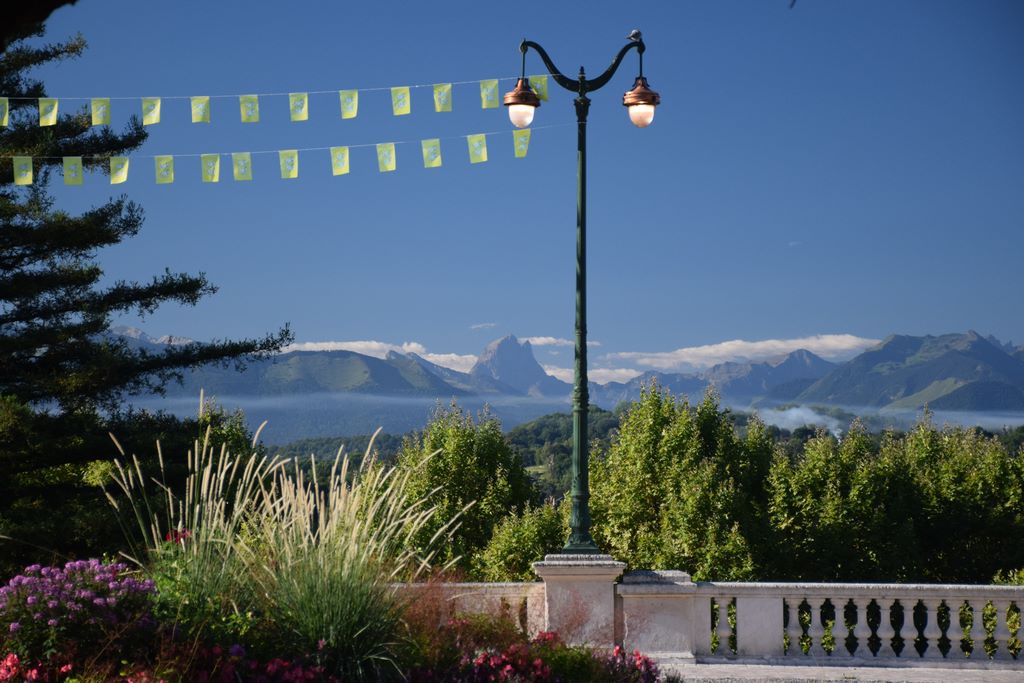
It was here that the miracle began: Pau became a natural sanatorium, a balcony overlooking the Pyrenees for the British aristocracy, weary of the London mists and eager for a measured exoticism. They came here to stroll, recharge their batteries and write long, spleen-laden letters between games of cricket. Pau was the birthplace of the continent's first golf course, as well as a race track, clubs and salons. It was an English colony without an empire, an empire of elegance rather than gunboats.
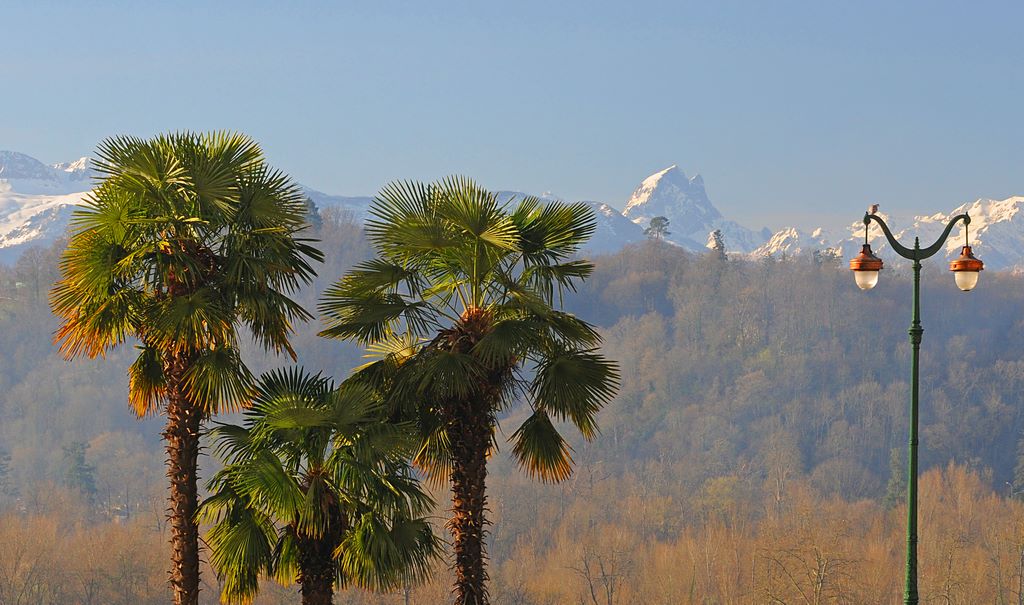
Voluntary exiles, figures from a hushed novel: lords and ladies who had come to live at the Hôtel Gassion, treating themselves to early mornings of mist and black tea on the balconies facing the Pic du Midi d'Ossau. The town was transformed: the Boulevard des Pyrénées, bow-window villas, English-style gardens - a whole part of Pau anglicised, but without the town losing its Béarn soul.
How can I describe this crossroads between two worlds, between the England of Queen Victoria and the Bearn of Marguerite de Navarre? It was a singular encounter: an empire that did not seek to dominate, but to melt into the softness of a landscape, to listen to the murmur of the river Gave rather than imposing that of the City.
And then the First World War scattered the English colony. The Second World War largely erased the traces of this climatic aristocracy. But the memory remains, encrusted in the stone of the villas and in the customs of the boulevard, where on certain evenings you think you can hear an Oxford accent.
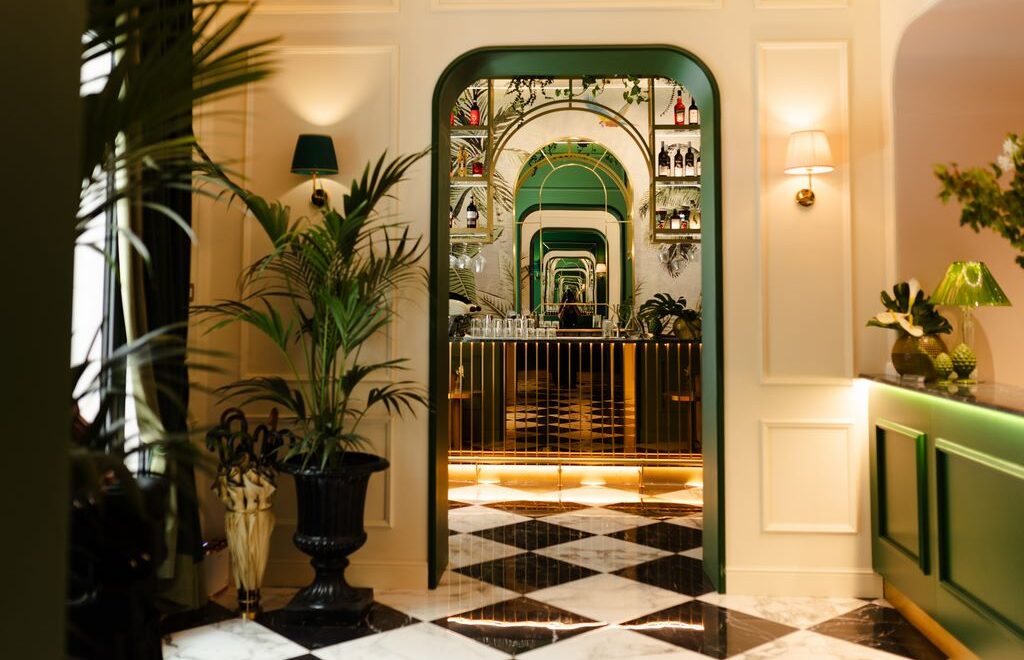
Le Cercle Anglais: a cosy club in the heart of Pau
You have to imagine, in a town like Pau - proud of its history, but long asleep in its royal and provincial past - the quiet but determined irruption of a British bourgeoisie that had nothing to do with conquest, but everything to do with a pleasure colony.
In this context, the Cercle Anglais was not a place of exclusion: it was a refuge. An enclave for gentlemen in climatic exile, a sanctuary of polished wood and fine china, where people talked about Derbyshire and cricket between games of bridge, while keeping an affectionate eye on the snow in the Pyrenees. In Pau, there was no English flag planted: but there was this club, like a mental territory.

The villa, which belonged to the Schlumberger family, industrialists from Alsace, was sold in 1893 to the Cooper Lawrance family from New York, one of whose members, Francis Cooper Lawrance, became president of the Cercle Anglais de Pau. The villa then passed to his daughter Lady Vernon. It was sold to the town in 1940.
Located in the Lawrance villa in the heart of the eponymous park, this circle, which dates back to 1828, was reminiscent of the London circles of Pall Mall : places for reading, games and hushed conversation, where there was more discussion about the latest edition of the Times than the upheavals of the French Republic. Long punctuated by the great equestrian events of the Anglo-American colony, this circle was a kingdom of well-mannered silence, where the clerks served tea at five o'clock, where the fireplaces blazed even in the Béarn winter, and where women, initially absent but then admitted at certain times, added a touch of pale silk and restraint to the decor.
With, as in the films, magnificent supporting roles: the retired colonel from India, the young student who came for the fresh air but stayed for the love of a woman from Béarn, and the widow of an Anglican clergyman who read Walter Scott in a tartan shawl on the terrace of the Cercle.
But behind the peaceful facade, one can sense the discreet rustling of History: in the salons of the Cercle, world events were followed. Boer War, speeches by Gladstone, the beginning of aviation. Pau had an aerodrome - one of the first in Europe - and some members of the Cercle, round glasses on their noses and greying hair, went to see these strange machines fly from the hills of Lescar.
And then came the gentle erosion, as in every Empire novel. The 20th century did its work. English families left or blended into the local landscape. The Cercle fell asleep, without disappearing. You can still enter it today as if in a book by Joseph Conrad left open on the last page: the silver is polished, the armchairs deep, and the silence tells the story better than the archives.
The English villas in Pau: a dream of exile and eternity
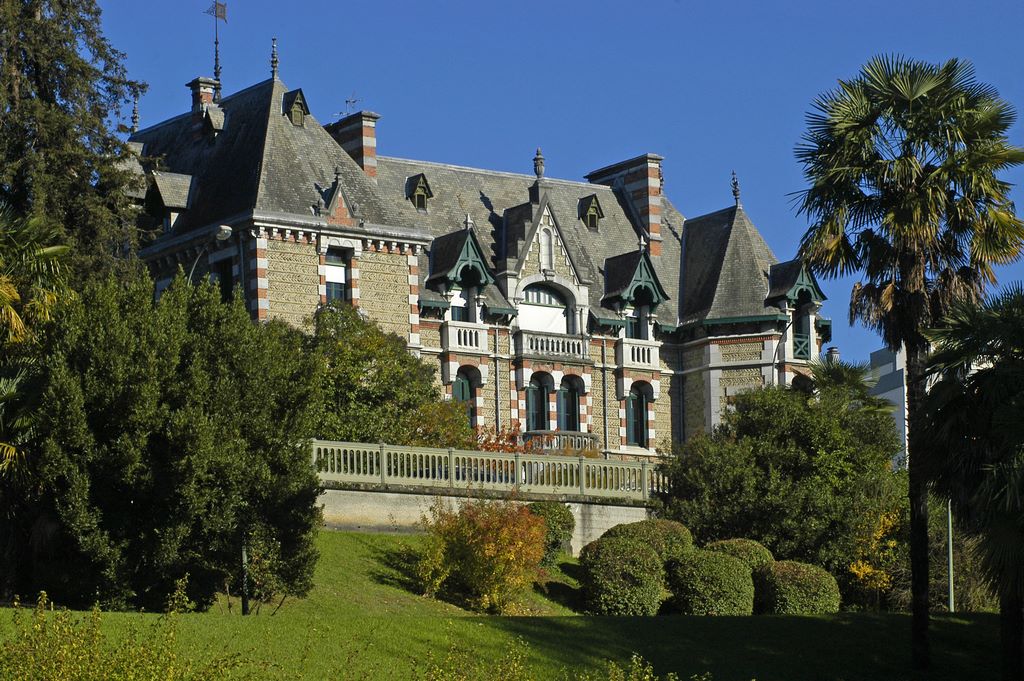
On the hillsides overlooking Pau, between the dancing shadows of the plane trees along the Boulevard des Pyrénées, rise mansions with white facades, delicately crafted bow windows, carefully trimmed gardens and English names: The Cedars, Rosewood, Glenmore...
These are the English villas, sanctuaries of voluntary exile, refuges in the quest of a lost tranquillity.
On closer inspection, these houses are not just buildings. They are fragments of a transplanted England, carried by souls who have sought within these walls the calm of an eternal autumn. Here, time seems suspended, frozen in the soft light that falls on shelves laden with leather books.
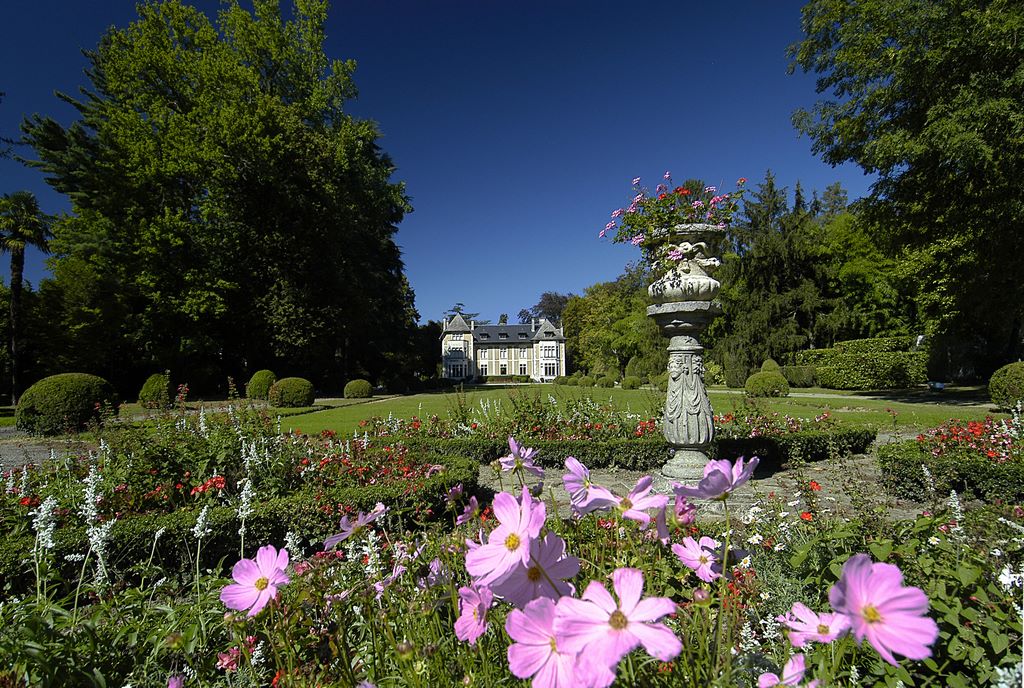
The owners of these villas were almost timeless characters: elegant widows, retired officers, forgotten poets or industrialists fleeing the hustle and bustle of London or Edinburgh. They found here a double consolation: the health of their bodies and the peace of their minds.
Sometimes, at dusk, when the light wind stirs the leaves and rustles the shutters, you can almost hear the murmur of interrupted conversations, unfulfilled dreams and discreet hopes. These villas are more than just stone and wood: they are the guardians of a bygone era.
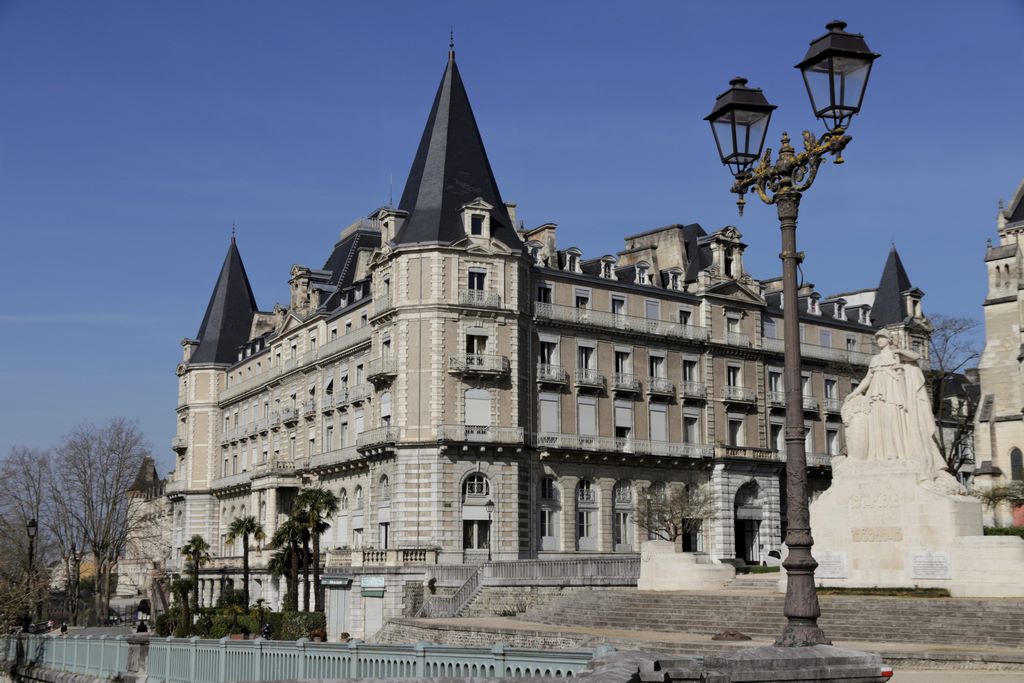
In the 19th century, the creation of the English quarter of Trespoey (from Béarnais, "three puys") saw the construction of around a hundred villas. Here are just a few examples: villa Ridgway, villa Sainte-Hélène, Palais Sorrento, villa Nitot, villa Beit Rahat, villa Saint Basil's, villa Malmaison, villa Navarre.... (now a luxury hotel, "l'hôtel Villa-Navarre " a five-star hotel with 2 hectares of parkland.)
A haven of serenity in the heart of Pau: Parc Baumont
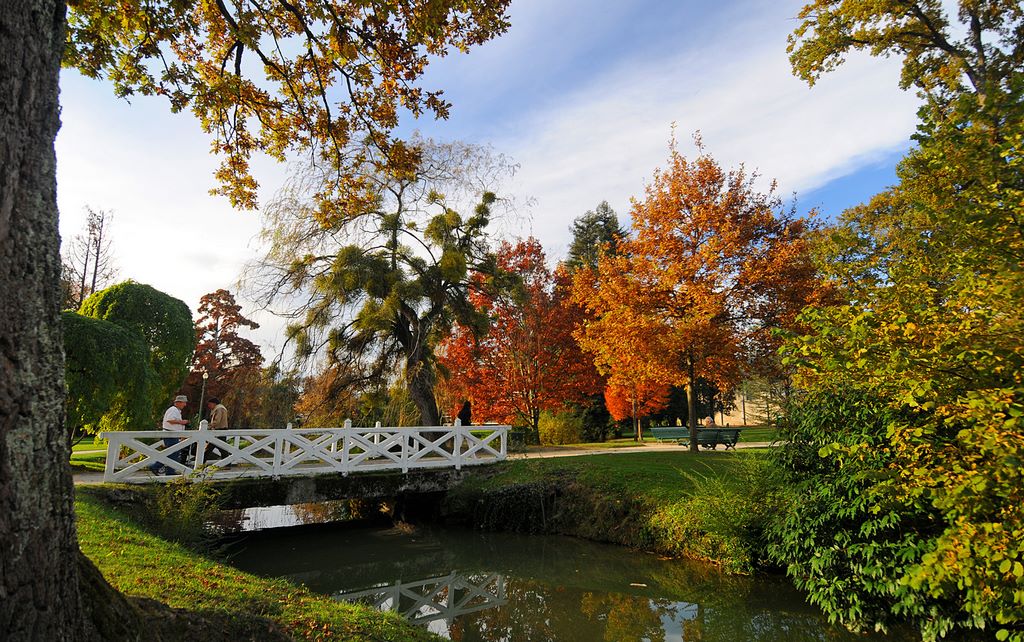
As soon as you step through the wrought iron gates, urban hustle and bustle fades away, replaced by birdsong, rustling leaves and the gentle breeze of a fragrant scent.
The winding paths invite you to take a slow stroll, each step awakening a palette of colours: the deep greens of the great oaks, the flamboyant reds of the maples, the bright yellows of the dahlia beds. Wooden benches, weathered by the years, offer rest to those who wish to sit back and enjoy the spectacle of nature.
At the heart of the park, a large lawn opens out, welcoming families, couples and children, all bursting into laughter. Further on, the bandstand, a vestige of another time, patiently awaits the return of the melodies, while the statues scattered among the groves seem to silently watch over this sanctuary.
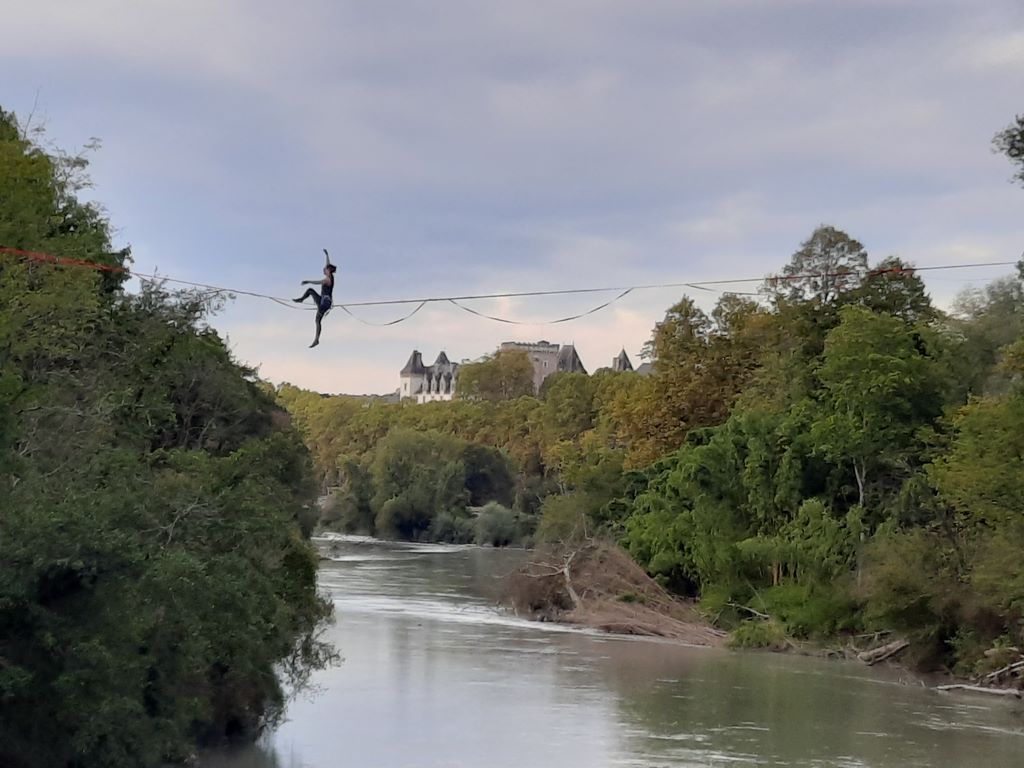
Sometimes you'll come across a jogger, an old lady walking her dog, or a group of friends sitting under a lime tree, sharing moments of complicity.
The Parc Baumont is more than just a green space: it's a haven for the soul, a place where the people of Pau come for a breath of fresh air, a moment of escape, a break from the hectic pace of life. Here, the city breathes at its own pace, quiet and peaceful, under the benevolent gaze of the Pyrenees in the distance.
1 - In 1842, Dr Alexander Taylor published a treatise extolling the virtues of his climate: On the curative influence of the climate of Pau and the mineral waters of the Pyrenees on illnesses.
English Circle : A French association in the form of a private club dating back to 1828.
Headquarters: Villa Lawrance, owned by the city of Pau.
70 members in 2021
68 Rue Montpensier, 64000 Pau
Telephone: 05 59 14 93 88
With the kind contribution of Erik de Salettes, Honorary President of the Cercle anglais and Servane Giraud, Intendant.
Holiday villas Discover the superb villas of a time when Pau was (almost) an English town...
Pau Tourist Office
Place Royale
64000 Pau
05 59 27 27 08
Read
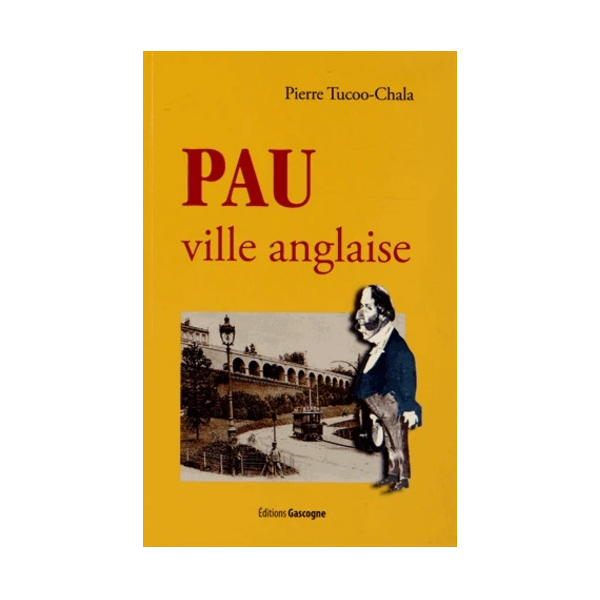
Pau, an English town, was first published in 1979. Pierre Tucoo-Chala, a historian and professor at the University of Pau and the Pays de l'Adour, has updated and republished this reference work, which had become impossible to find. A specialist in the Middle Ages and Gaston Fébus, he is also interested in the history of the English colony of Pau.
Text : Michèle Lasseur