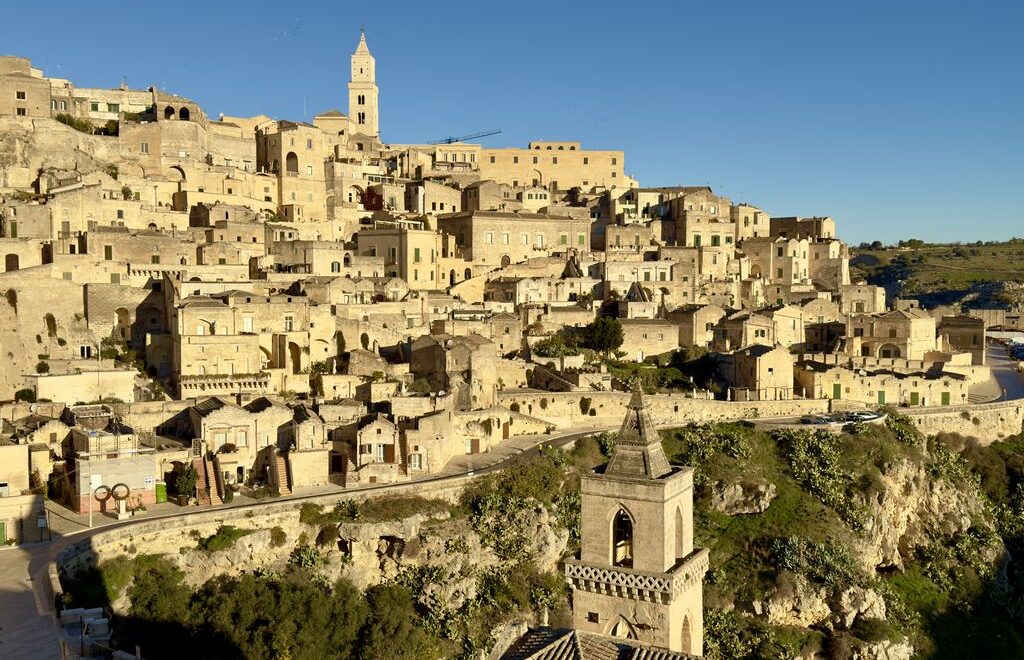

Far from the hustle and bustle of Matera and the beaches of the Adriatic, stands «austere and magnificent " , the small town of Venosa in Basilicata. A former Roman and then Norman stronghold, this village in the province of Potenza seems to have been timelessly «encapsulated» by the tumult of time and history. If Matera tells the story of life in the rock, Venosa, to borrow a phrase from Horace, whispers tales of Antiquity and the Middle Ages through its stones...
A palimpsest of history: from Antiquity to Norman splendour
The history of Venosa begins long before our era. Founded by the powerful Samnites, It was conquered by the Romans in 291 BC and became Venusia. The strategic importance of this major crossroads on the legendary Via Appia, the «queen of Roman roads», was colossal. It was here, around 65 BC, that Venusia's most illustrious son was born: the lyrical poet Quintus Horatius Flaccus, better known as the’Horace, We are invited to examine the bronze statue and the hypothetical house where he was born, on which there is a sonnet in Latin, translated here for our non-Latin-speaking readers:
»As a child, I ventured out of the house of Pullia, my nurse. On the mountain Vulture, In Puglia, fabulous doves came and covered me with green fronds as I slept, tired from the games, so that I could sleep safe from black vipers and bears, covered with leaves of sacred laurel and myrtle, and as if I were this child full of courage and protected by the gods: this prodigy would have appeared to those who live at the top of the highest mountains in the world. Acerenza, in the Bantini woods and the fertile Forento plain.»
After the fall of Rome, the town came under Byzantine and Lombard domination, before experiencing its golden age under Norman rule in the 11th century, notably with the Hauteville, who left a spectacular architectural legacy. Between Roman ruins and Christian mysteries, Venosa's charm lies in the concentration of exceptional sites that bear witness to these different eras.
The Abbey of the Santissima Trinità and the Incompiuta
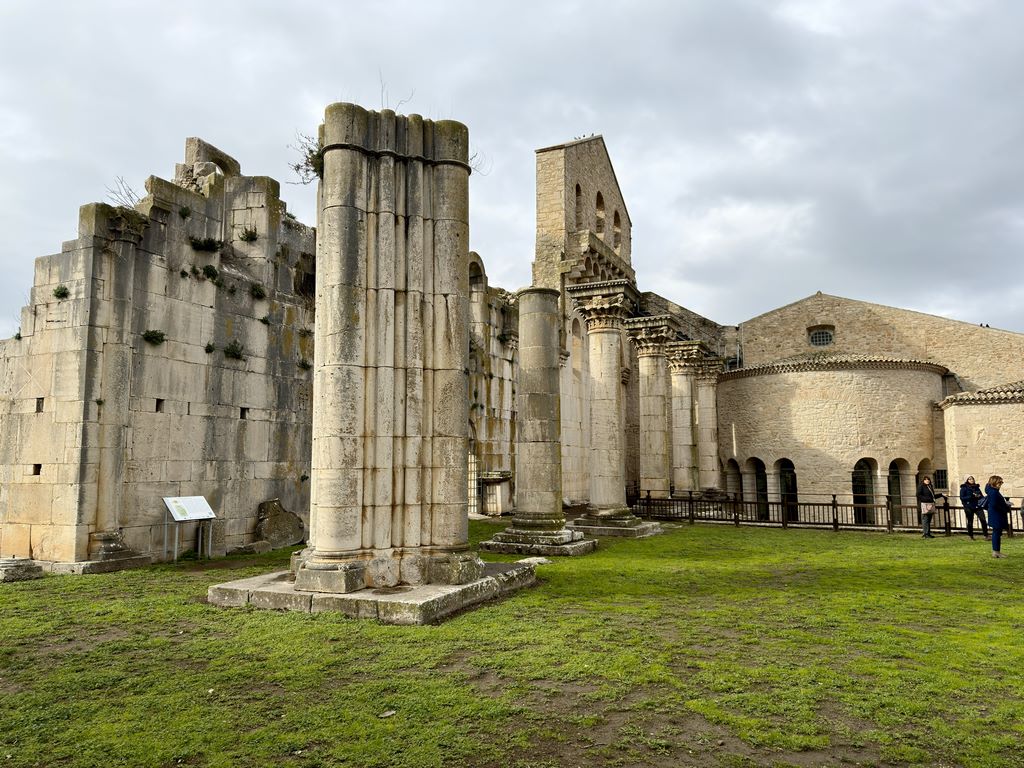
The jewel of Venosa, this site, unique in Europe, is divided into two parts that can be visited separately:
The ancient church, built over a pagan temple, was the burial place of Robert Guiscard de Hauteville, One of the most powerful Normans in Italy, his exceptional history deserves a chapter. It contains frescoes dating from various periods. They combine elements of medieval Romanesque and post-Byzantine art with stylistic innovations from cultural centres such as Naples, where medieval pictorial art was particularly dynamic.
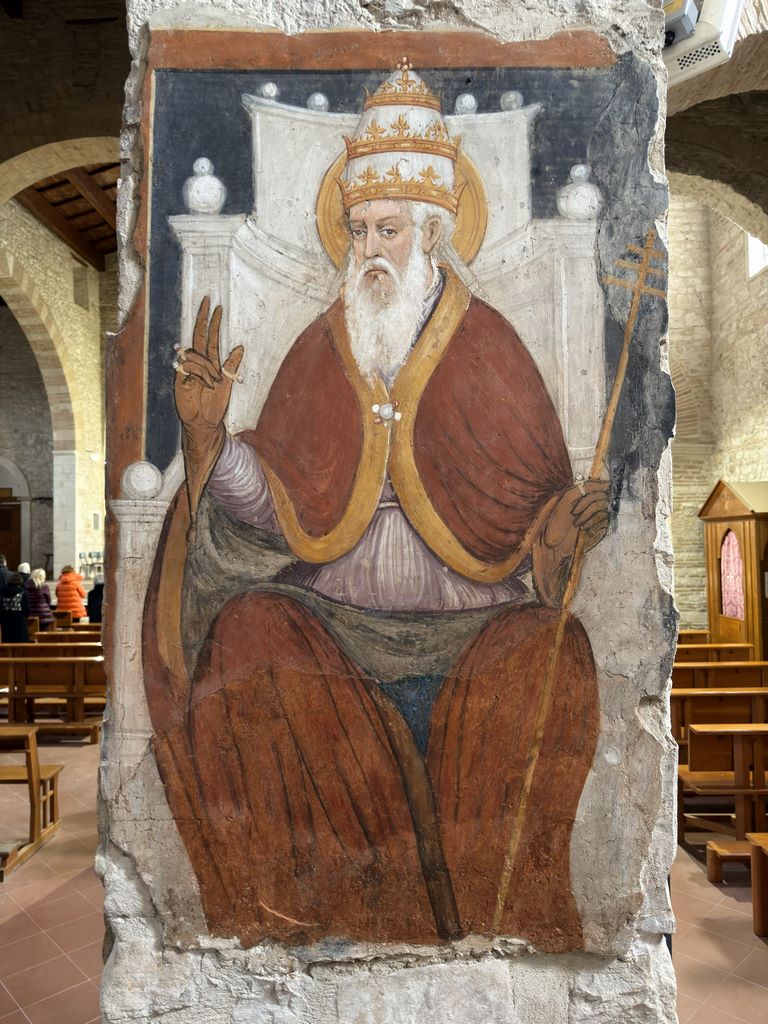
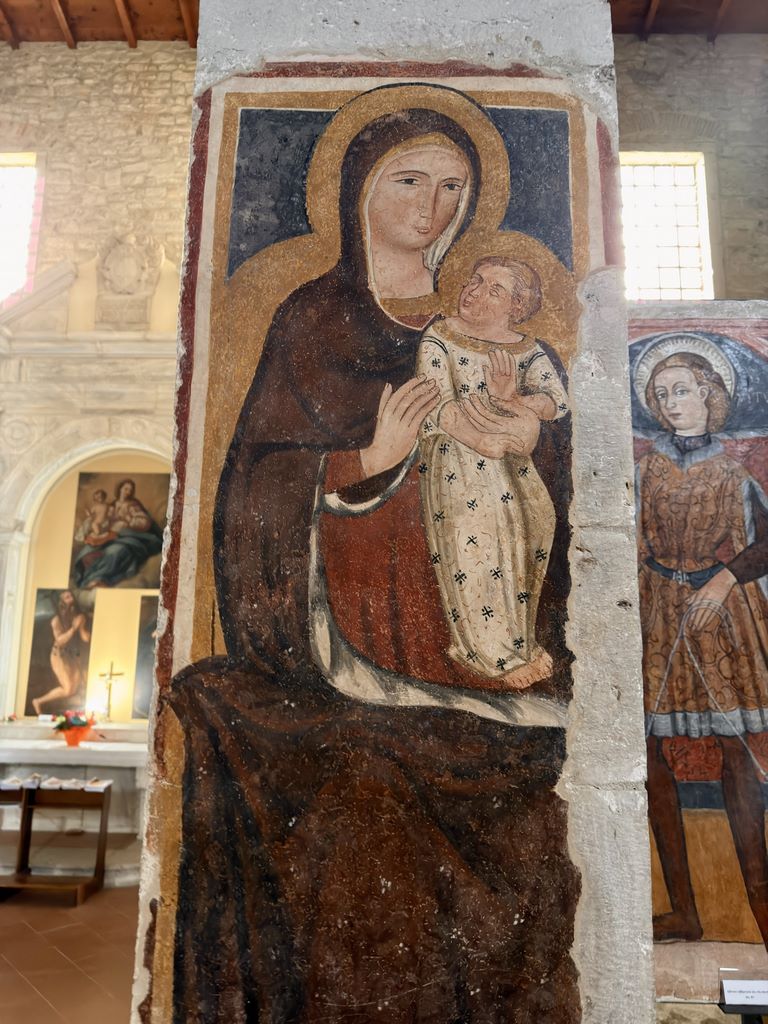
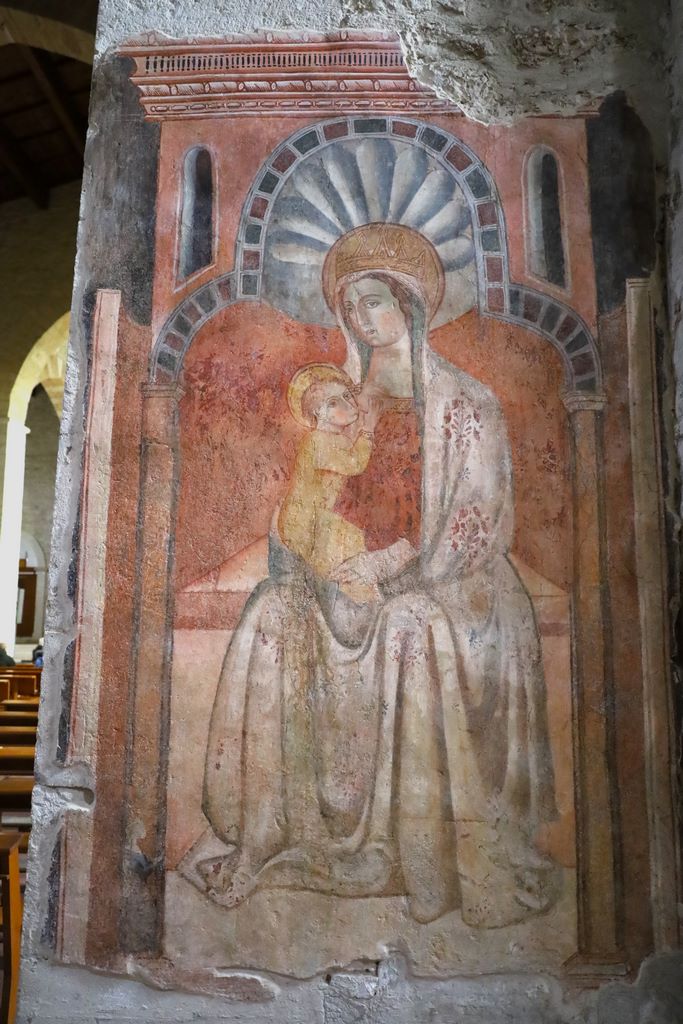
L'Incompiuta or «the Unfinished», adjoins the old church. This gigantic 13th-century construction, work on which was abruptly interrupted, probably because of an epidemic, is a masterpiece. Its bare walls, unfinished Gothic arches and re-used Roman capitals from the old theatre create an atmosphere of mysterious dramatic beauty.
Robert Guiscard: The meteoric rise of the «Cunning Man» who made Rome and the South tremble
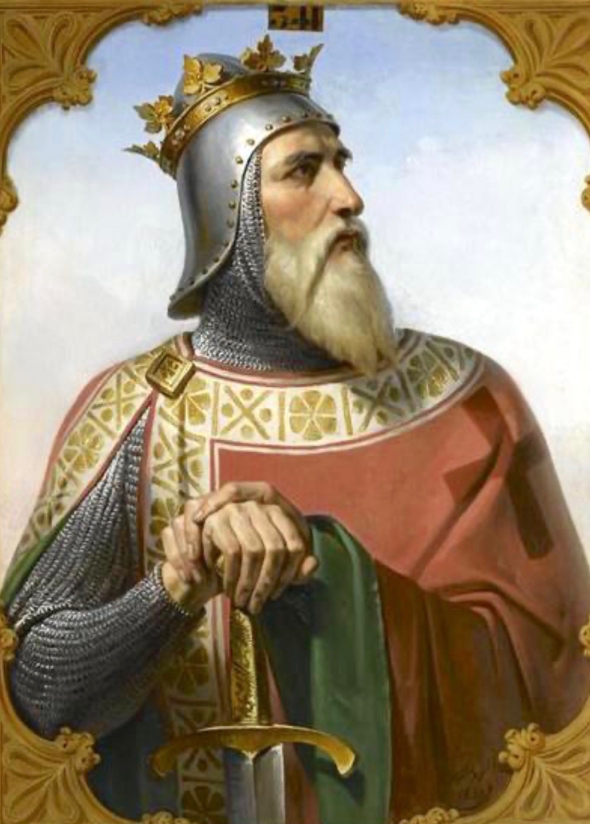
From a simple Normandy cadet to the ruler of southern Italy, Robert de Hauteville, known as «Guiscard», redrew the political map of the Mediterranean in the 11th century. Portrait of an extraordinary conqueror whose legacy still haunts the lands of Basilicata.
Of the sons of Tancrède de Hauteville who left to seek their fortune in Italy, Robert is undoubtedly the one who best lived up to his nickname. Guiscard, «the cunning, the shrewd», was not just a fearsome mercenary; he was a political strategist capable of turning his enemies into allies, and vice versa. While Puglia and Calabria were his strongholds, Basilicata (the heart of medieval Lucania) was the laboratory of his power. Under his impetus, the region emerged from Byzantine influence and entered the Latin era. It was in Melfi, in Basilicata, that Guiscard established his nerve centre. Melfi Castle became the scene of papal councils and the place where Norman feudalism was codified. He dotted the region with imposing fortresses to guard the strategic routes to the sea. These structures radically transformed the landscape, shifting settlement from caves and open villages to fortified cities. By founding or supporting monasteries such as that of the Santissima Trinità in Venosa, Robert imposed the Latin rite over Greek Orthodox traditions, definitively anchoring Basilicata in the orbit of the Catholic West.
The duel with the Papacy: From excommunication to an iron alliance
The relationship between Robert Guiscard and the Holy See is a veritable diplomatic thriller. Initially, the Pope took a very dim view of these «Norman brigands» who were nibbling away at Italian lands. In 1053, during the Battle of Civitate, Robert captures the Pope Leo IX. This was a major turning point. Instead of humiliating him, he prostrated himself before him, aware that the legitimacy of his conquests required divine unction. Through the Melfi Pact (1059), a master stroke, Robert swore loyalty to Pope Nicholas II. In exchange, he was invested Duke of Apulia, Calabria and Sicily. The outlaw officially became the armed wing of the Church. Later, when Pope Gregory VII was besieged by the German Emperor Henry IV, Guiscard flew to his aid. But his troops plundered the Eternal City so violently that the Pope had to flee under his protection, leaving a devastated Rome behind him...
A heritage of stone and blood
Robert Guiscard died in 1085, leaving a solid Norman empire and a lineage that would rule Sicily. In Basilicata, his name remains engraved in the stone of the Abbey of Venosa, where the members of the Hauteville family are buried. More than just an adventurer and mercenary conqueror, he was the architect of a unified Southern Italy, capable of challenging the two greatest empires of his time: Byzantium and the Holy Roman Empire...
Venosa Archaeological Park
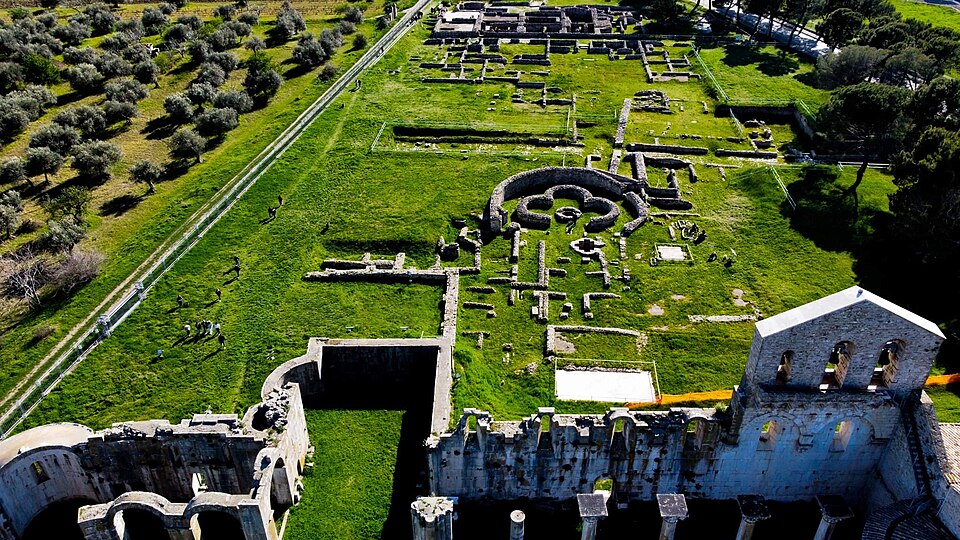
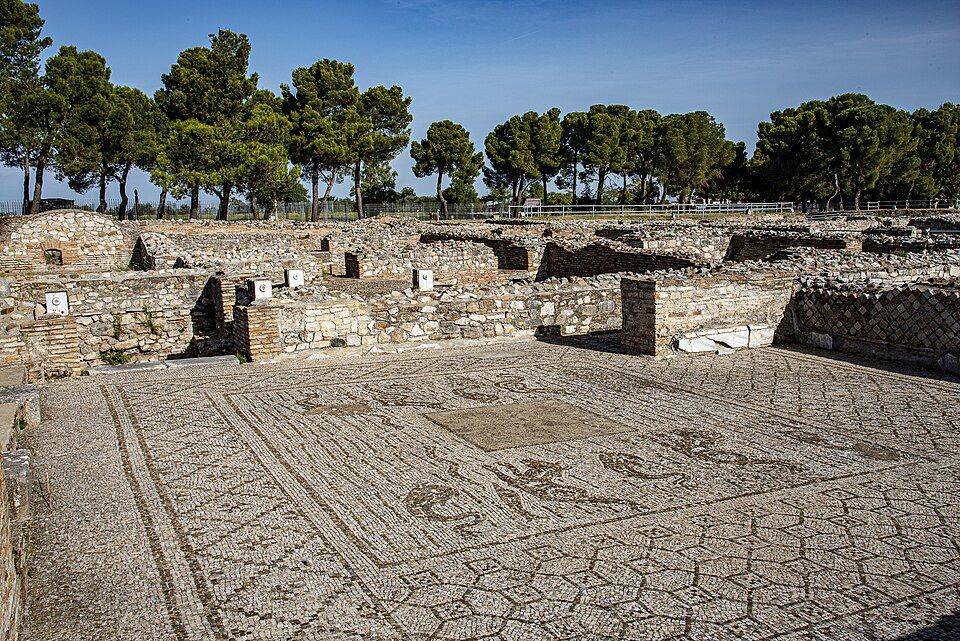
Just a stone's throw from the abbey, the ruins of the ancient Roman city stretch out in a park where you can explore the remains of Roman baths, public buildings and patrician houses. It gives an idea of the wealth and scale of ancient Venusia.
The Aragonese Castle or Castello Aragonese
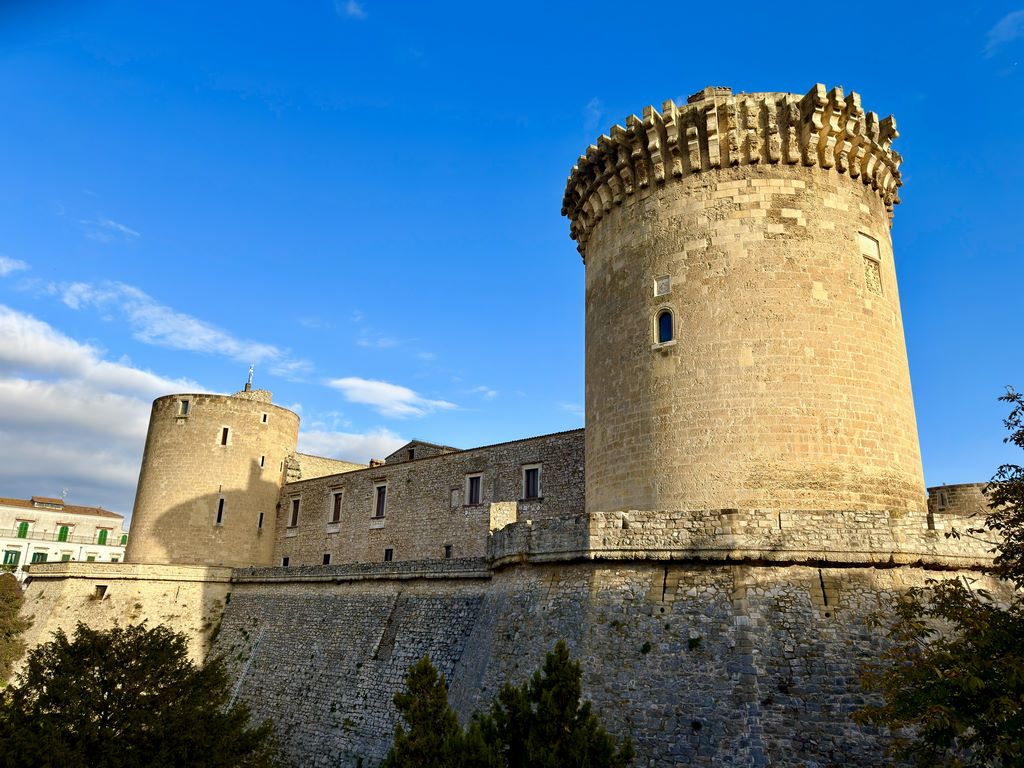
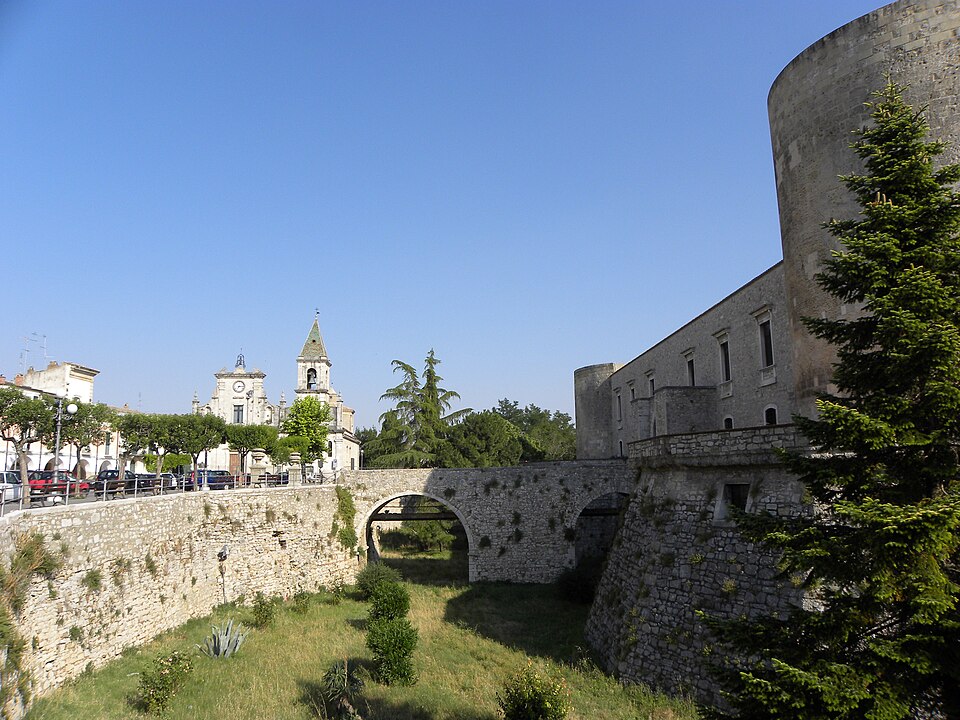
Dominating the town, this massive castle is an emblem of military power. Built in the 15th century by the Orsini del Balzo on the foundations of an ancient Norman castle, it now houses the Venosa National Archaeological Museum which displays important artefacts discovered in the nearby archaeological park.
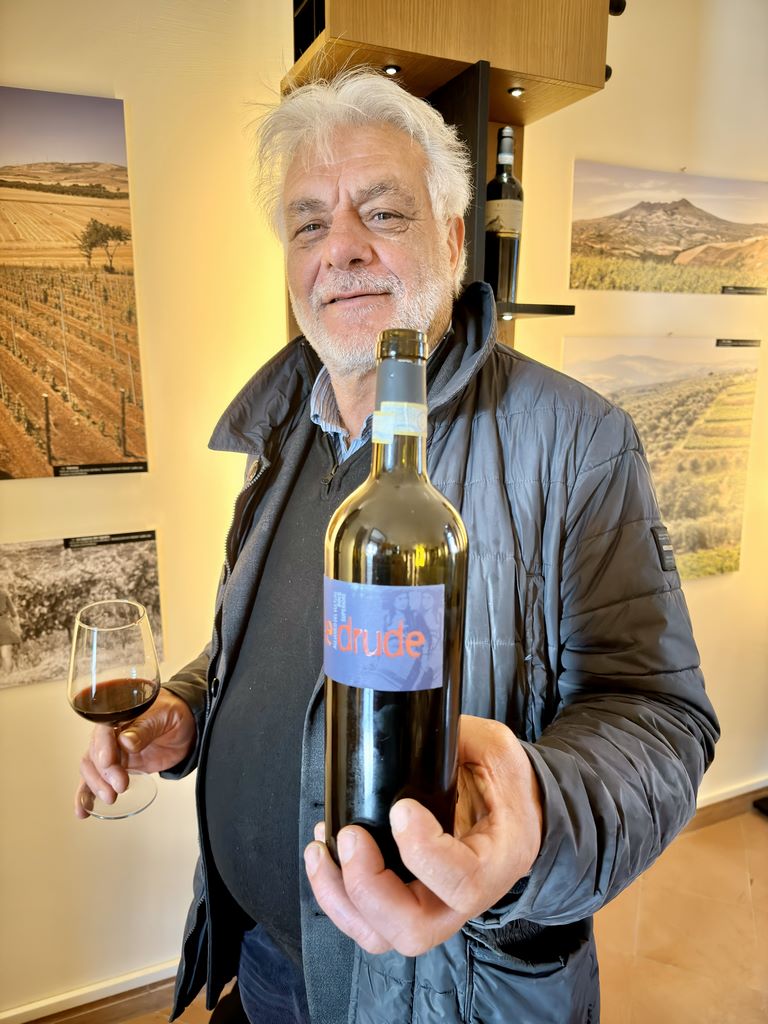
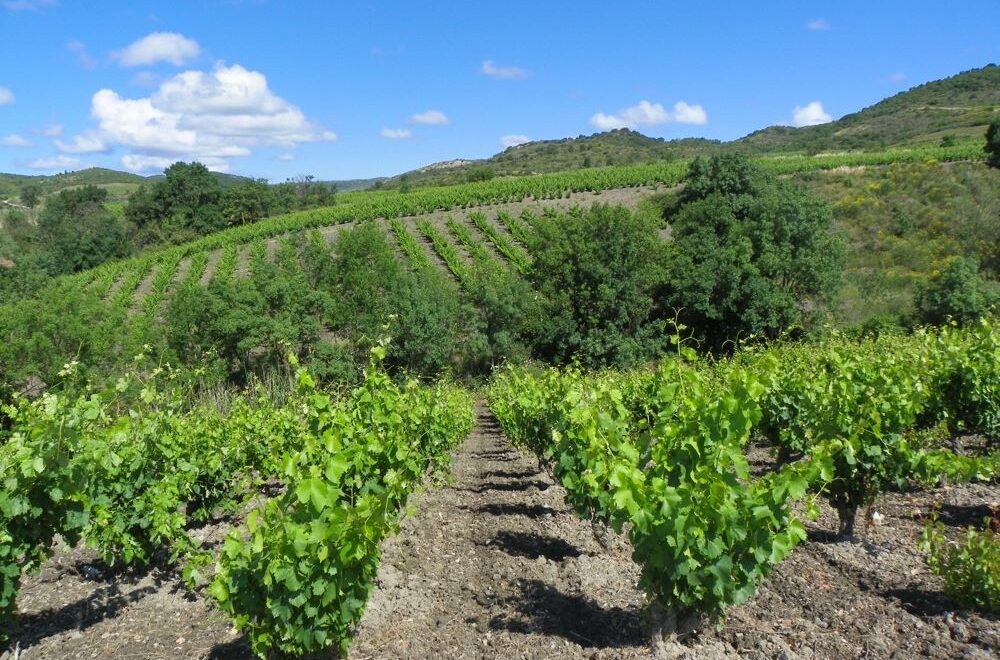
In a room of the Archaeological Museum dedicated to the oenology of the powerful wines that flourish around the land shaped by the ancient volcano Vulture, you can learn how to make a wine, on request from the Museum's wine expert. Syndico (the mayor), to a tasting of the best vintages. Numerous wineries cultivate the renowned local Aglianico grape variety on the eroded slopes of the late Vulture volcano, near Venosa. Among them are the 7 hectares of vines run organically by the very friendly Michele Laluce and his family. One of his most outstanding productions is his Aglianico 2014, grown in the heart of the volcanic soil of the Vulture.
Venosa: a place where cultures coexist
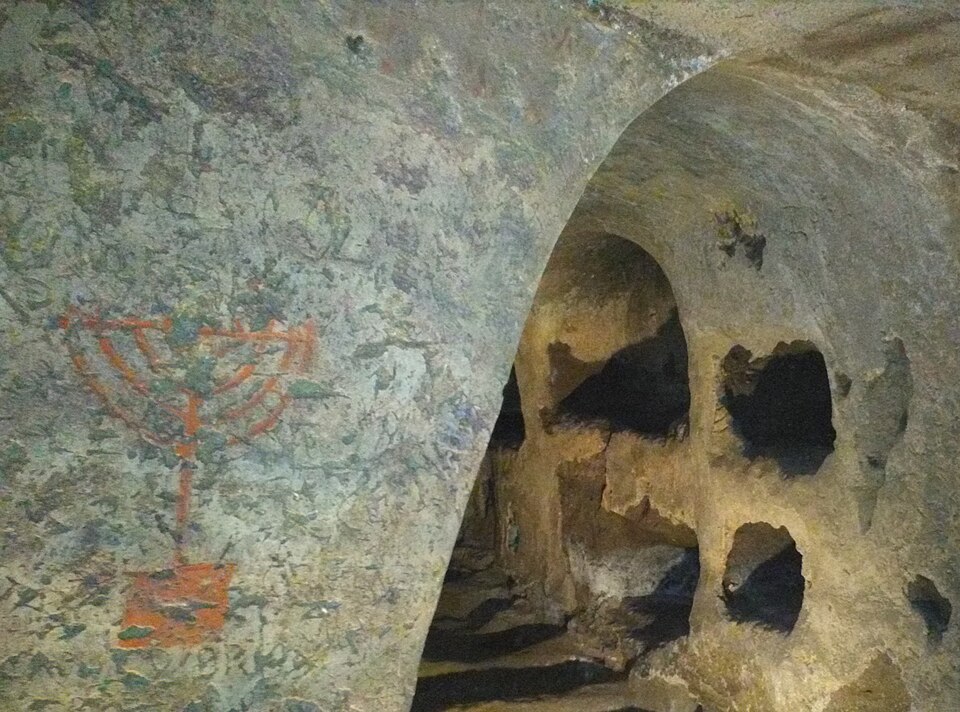
The early Christian baptistery reveals the first traces of Christianity in the region. Carved into the tufa rock of the Maddalena hill, Jewish catacombs were discovered in 18853. They consist of networks of underground galleries used as a collective cemetery by a Jewish community between the IVᵉ and VIᵉ centuries A.D. Some nearby areas also include Christian catacombs.
More than just a stopover for tourists, Venosa is the place to go if you want to understand the deeper layers of southern Italy, where Basilicata, often in the shadows, reveals the complexity and richness of its past. A discreet, essential destination for those who like to look, with their mind alert.
See the report on Matera : https://universvoyage.com/matera-voyage-au-creux-de-la-botte/
Accommodation in Matera :
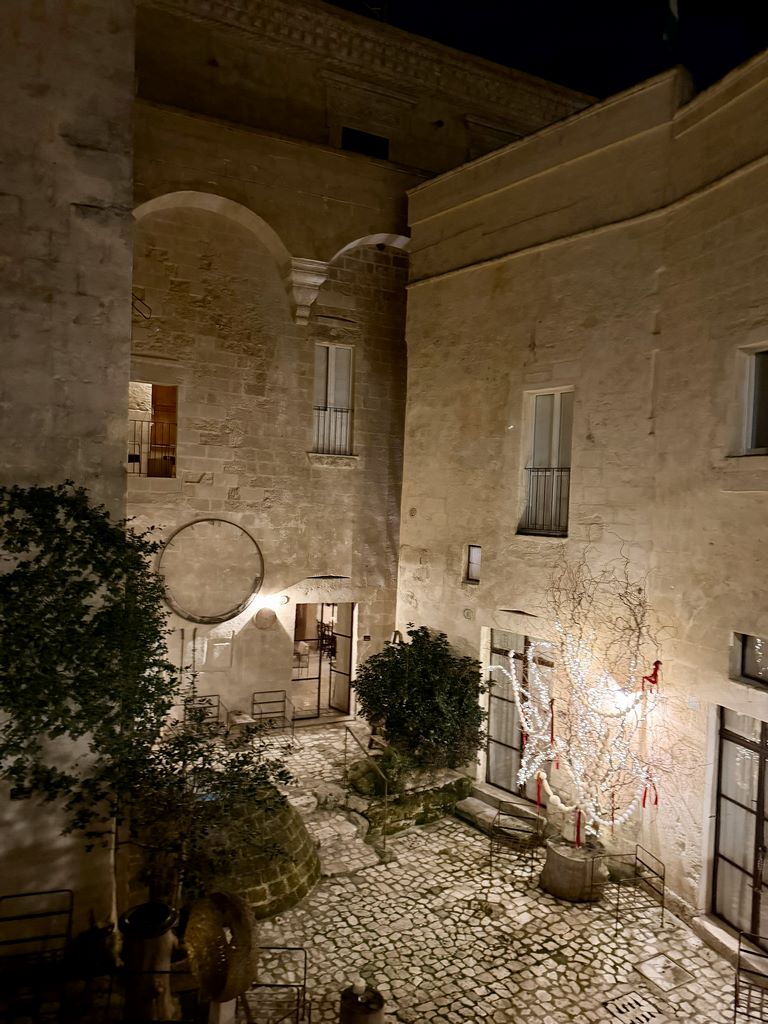
See the report on the Hotel Corte San Pietro : https://universvoyage.com/corte-san-pietro-experience-troglodyte-raffinee-au-coeur-de-matera/
Text and Photos : Sylvain Grandadam, unless otherwise stated.
Opening photo: Venosa archaeological park, © Roberto Straffela/Commons.