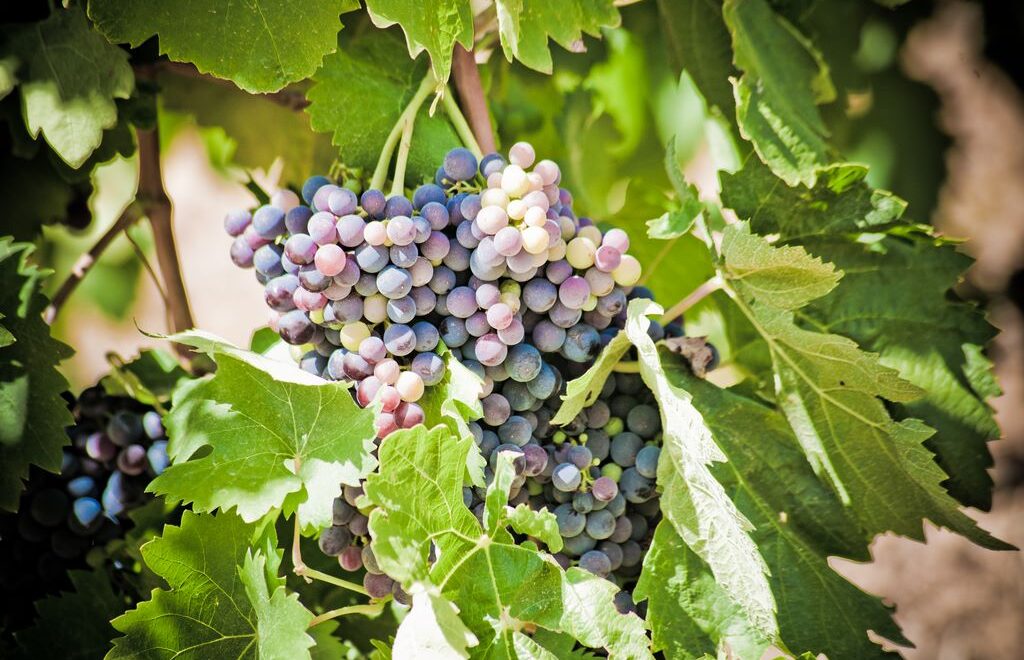
For long a land of mass-produced wines, the Languedoc is now emerging as one of the most inspiring faces of the French wine revival. With entrepreneurial boldness, a renewed focus on local traditions, and refined wine tourism experiences, the region has successfully reinvented its image. From the prodigious Narbonne to the flagship estates of Gérard Bertrand, the Fabre family and the Lorgerils, we'll take you, future wine tourists, to some remarkable vineyards and sites with a rich historical and cultural heritage.
Table of Contents
Thanks in particular to a few young winemakers with an entrepreneurial vision, wine production in the Languedoc has evolved considerably, to the point where the quality of its wines is now recognised internationally. The days of «poverty wines», when the Languedoc supplied France with a lightly alcoholic wine, produced by gently letting the vine release its juice, are well and truly over.
Narbonne, from Roman Capital to the Heart of Occitania
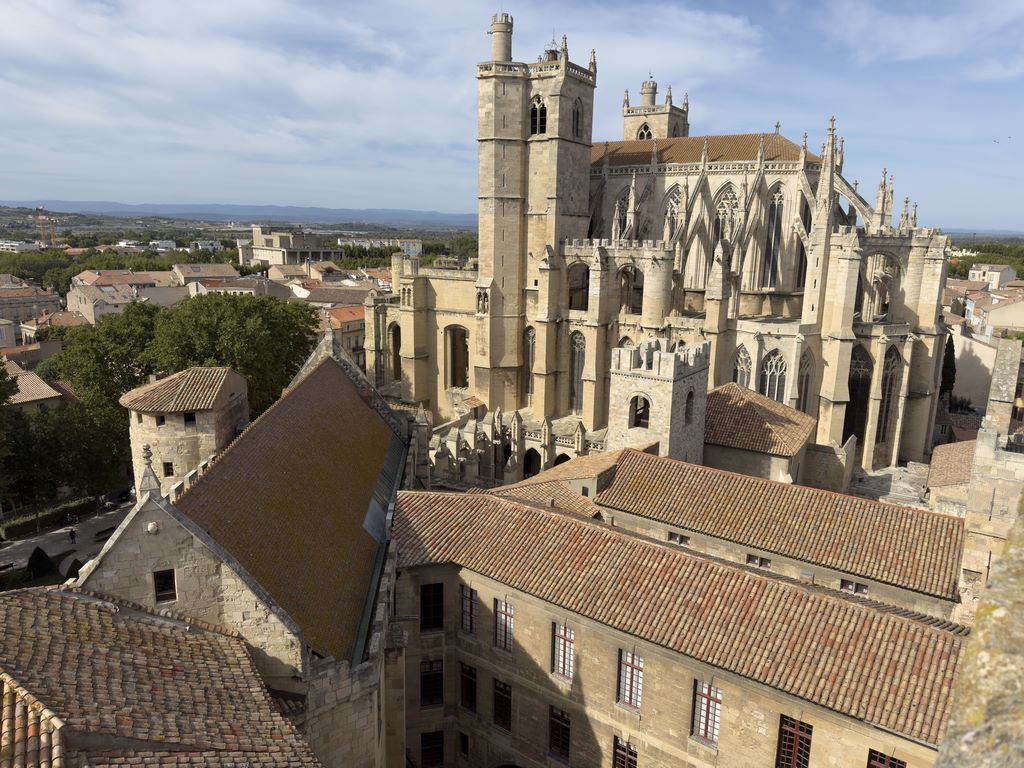
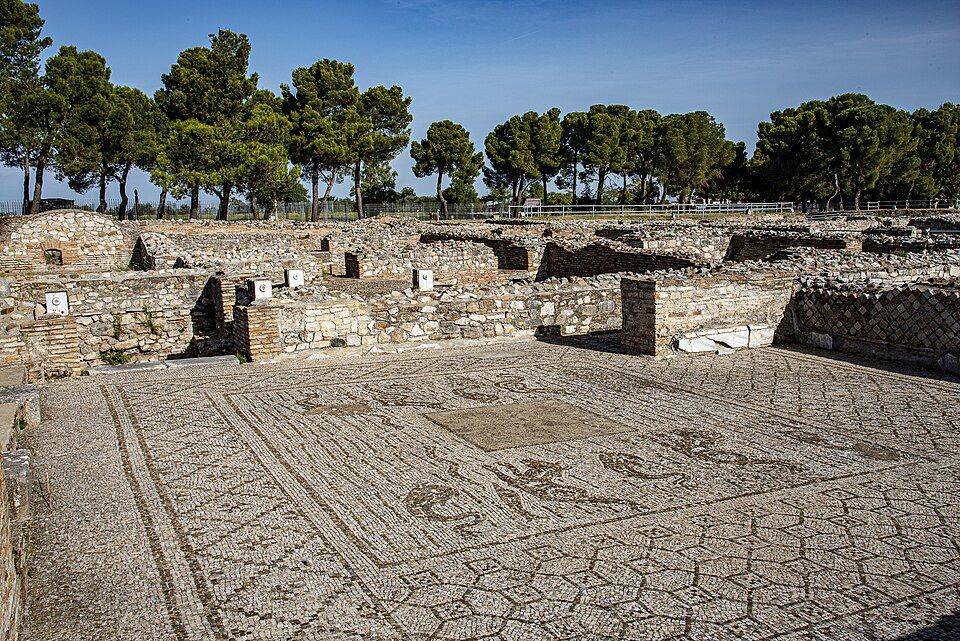
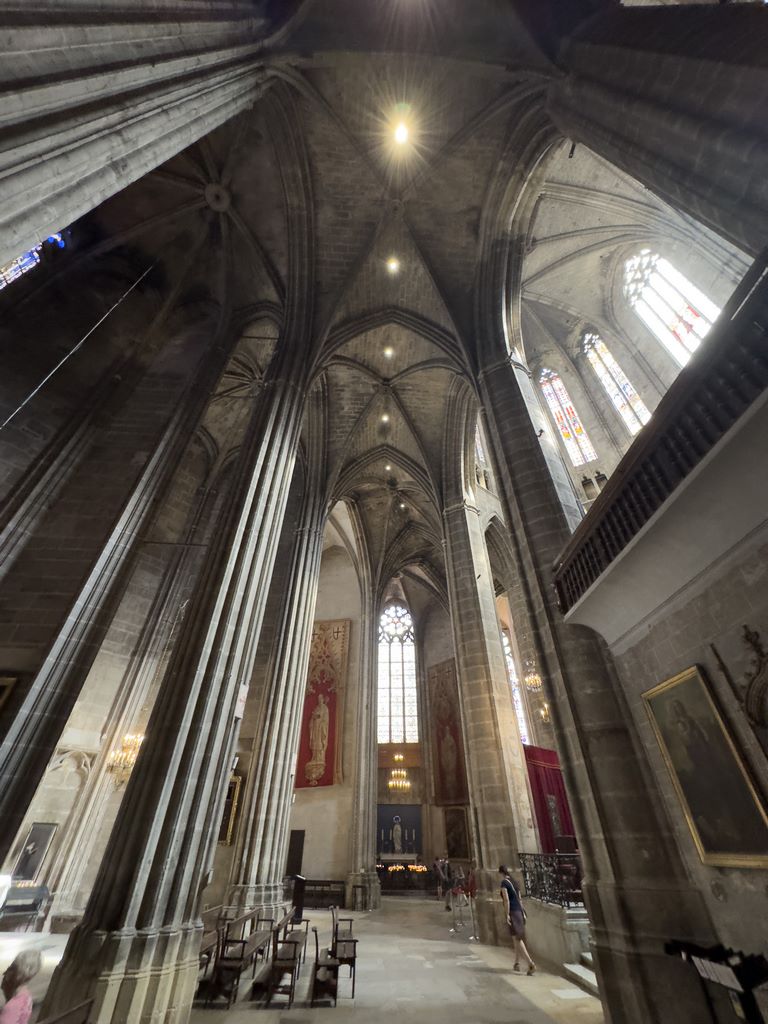
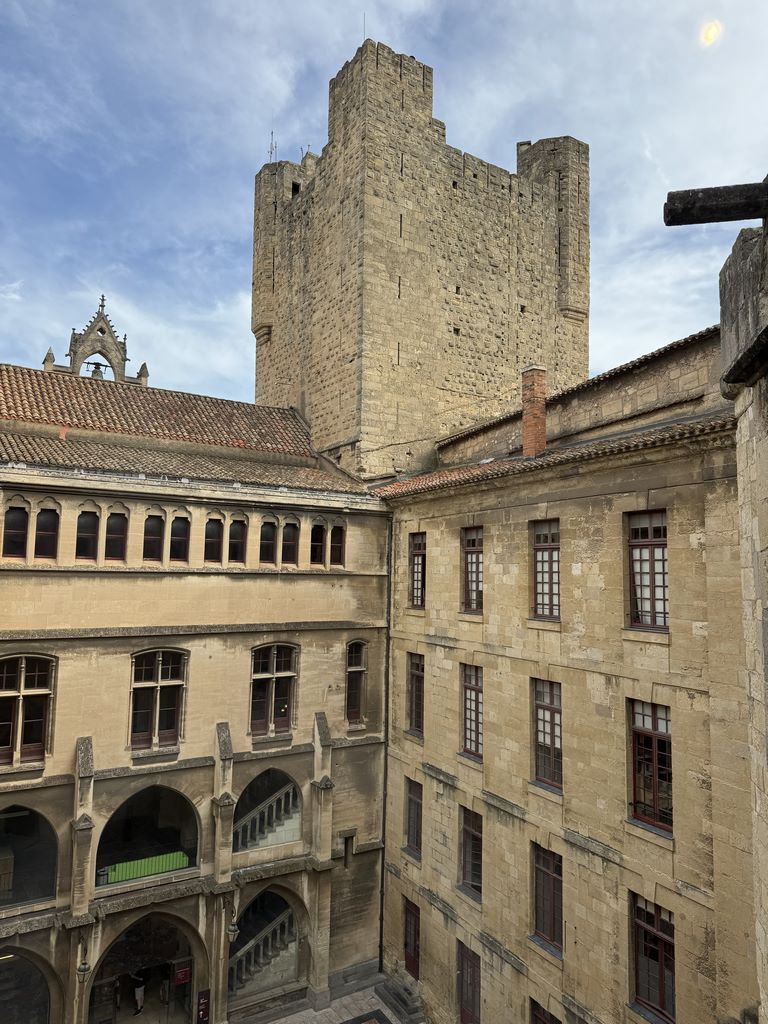
Our journey begins in Narbonne. Classified as a Town of Art and History, the city combines an exceptional historical heritage with a strong Occitan identity, in the gentle charm of a Mediterranean lifestyle. Founded in 118 BC under the name of Narbo Martius, it was the first Roman colony outside Italy and the capital of the vast province of the Gaule Narbonnaise, a strategic crossroads between Italy and Spain. This ancient grandeur can still be seen today in the Place de l'Hôtel de Ville, where a fragment of the mythical Via Domitia is on display. In the Middle Ages, it became a powerful religious centre, the seat of an archbishopric, as witnessed by the impressive Archbishops' Palace and the majestic Cathedral of Saint-Just and-Saint-Pasteur.
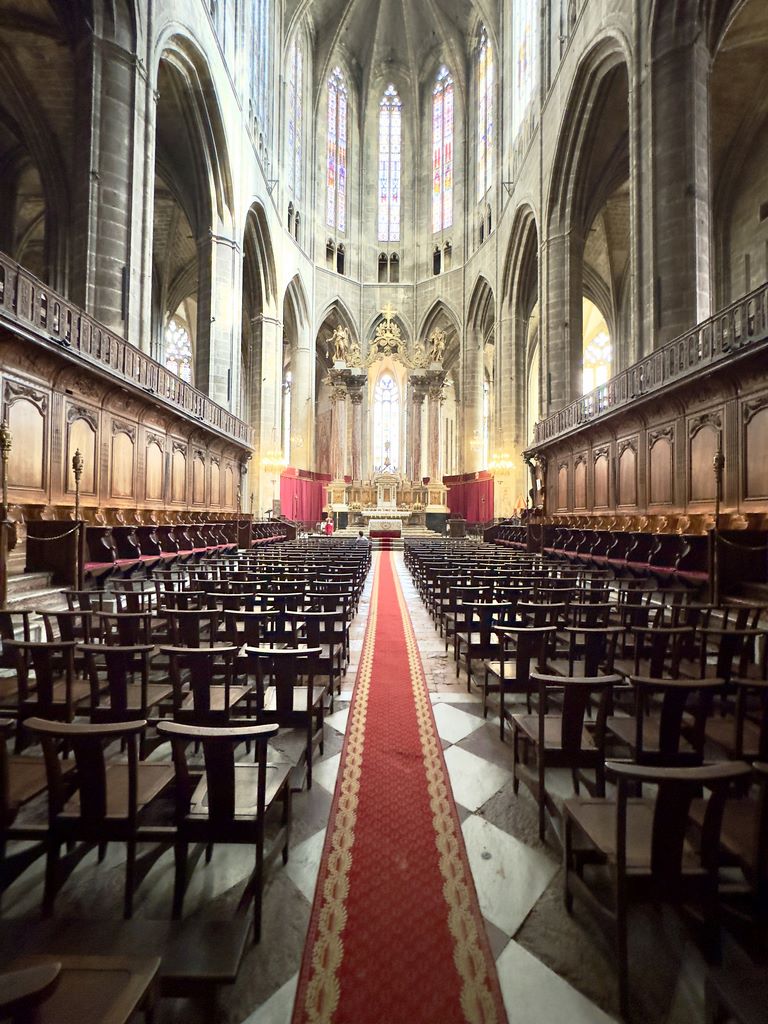
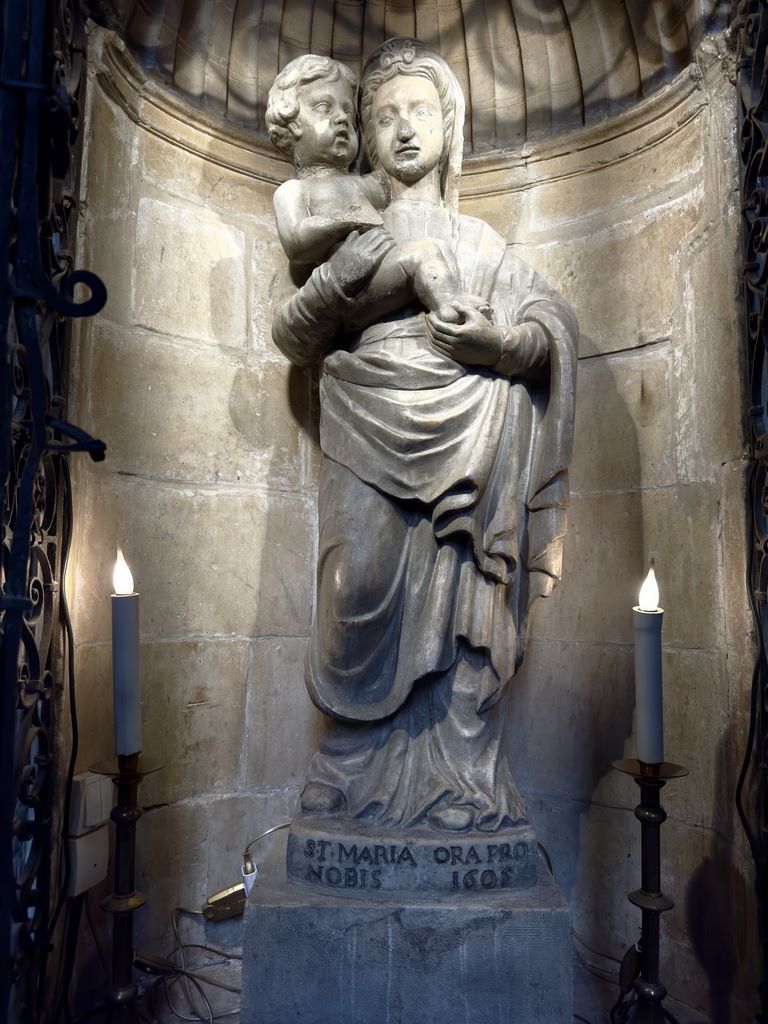
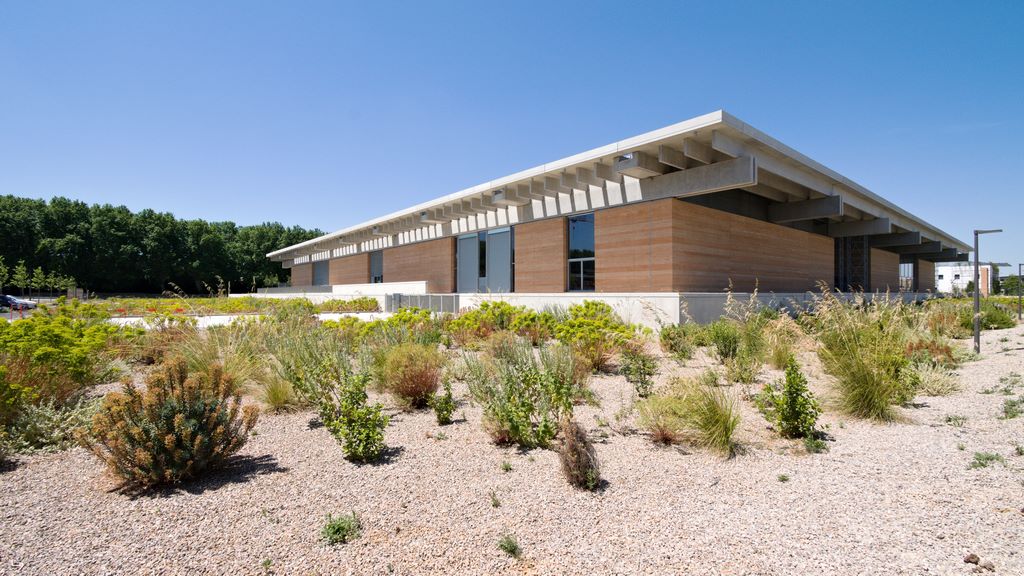
The recent Narbo Via Museum presents the archaeological collections of the Roman city. In the centre, theRoman horreum, a former underground warehouse, offers an almost fascinating immersion experience.
The city is crossed by the Canal de la Robine, a UNESCO World Heritage site; don't miss the astonishing Pont des Marchands (Merchants’ Bridge). The Market Halls of Narbonne, a Baltard-style covered market, is the beating heart of local life, where you can savour the scents of local produce.
At the gateway to the city, the La Clape Massif and the Narbonnaise Regional Nature Park in the Mediterranean invite you to take a walk between vineyards and lakes. TheFontfroide Abbey, a stunning Cistercian monument, is within easy reach, as is the Charles Trenet's birthplace. Finally, Narbonne-Plage is the perfect place to enjoy the nearby Mediterranean.
Gérard Bertrand: A winegrower in the fray
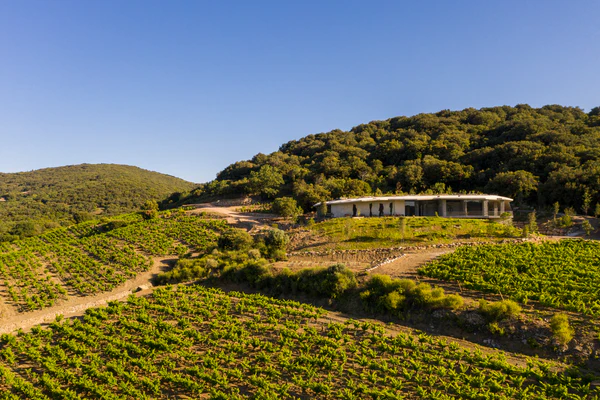
Born in Narbonne sixty years ago, Gérard Bertrand led a double life from the age of 22. As a rugby professional and then captain of a well-known club, he also worked as a winegrower-entrepreneur once he took over the family estate in the Corbières Villemajou, following the accidental death of his father. He founded his own wine company in 1992 to promote Languedoc wines, and transformed the family vineyard into a thriving wine group that now employs two hundred people and has sales of over 200 million euros.
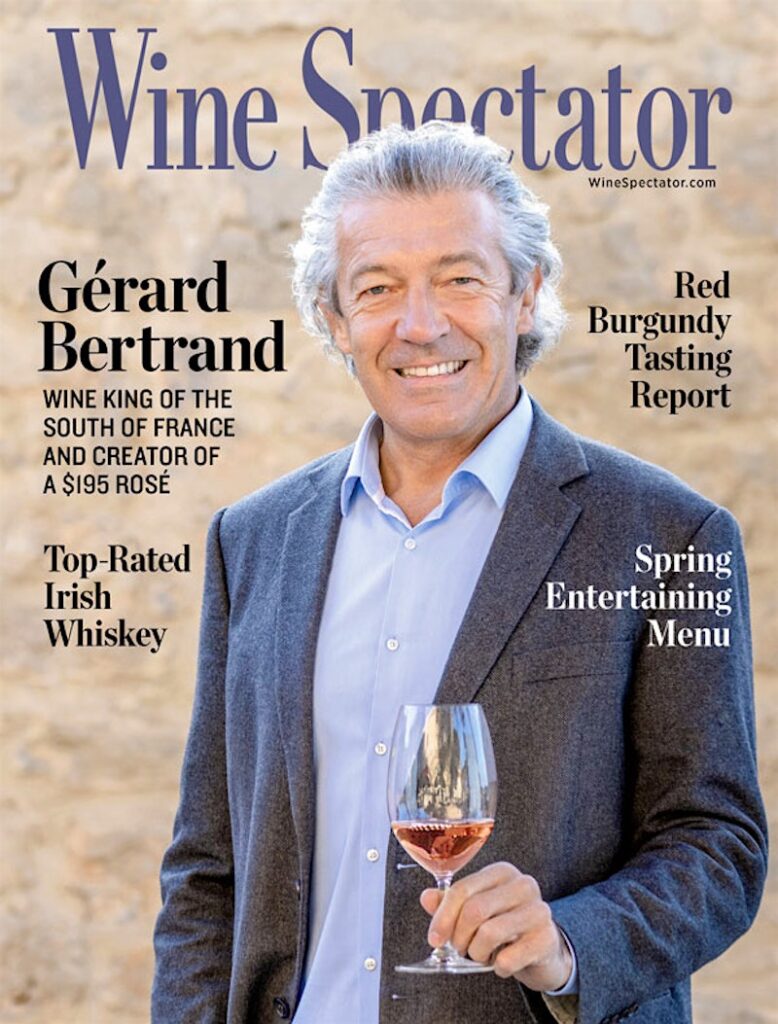
Gérard Bertrand has made a name for himself all over the world, combining biodynamic viticulture (over 930 hectares) with an aggressive American-style communications policy since 2002, and has become one of the main architects of the resurrection and transformation of the Languedoc wine industry into the land of the new French-style viticulture. Gérard Bertrand, whose fortune according to several sources has been estimated at thirty million euros, owns and manages sixteen châteaux and estates in the South of France, including, among the most notable, Château de Villemajou, Domaine de Cigalus, Château de la Soujeole or even Château l'Hospitalet, its «flagship vineyard».
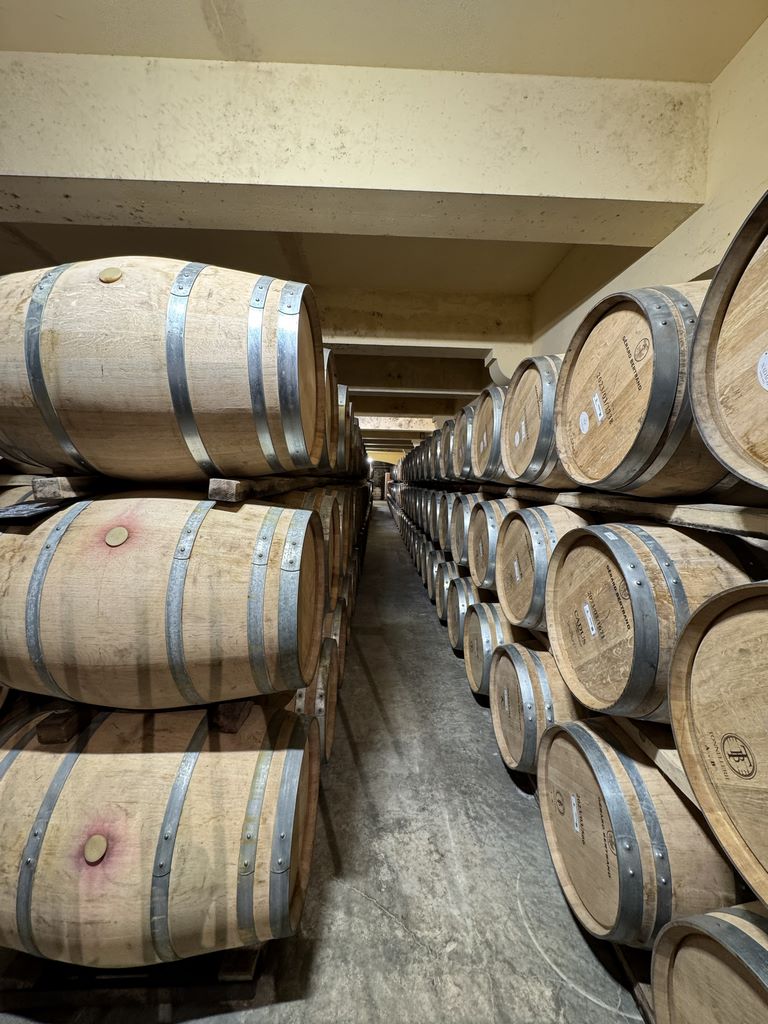
Although he is a respected figure and a major player in southern viticulture, there is some criticism of his production and approach, although most of the reviews available online are very positive, highlighting the quality, value for money and biodynamic approach. Some purists and lovers of classic wines deplore the fact that his production has moved away from «artisan» traditions and see Gérard Bertrand as a "brand", something that may not sit well with fans of independent winemakers and micro-terroir wines. Marketing is highly developed, with wine ranges designed to appeal to as many people as possible, which may be perceived as a lack of authenticity. A commercial approach and large-scale production methods can run counter to the «terroir» vision of some wine lovers.
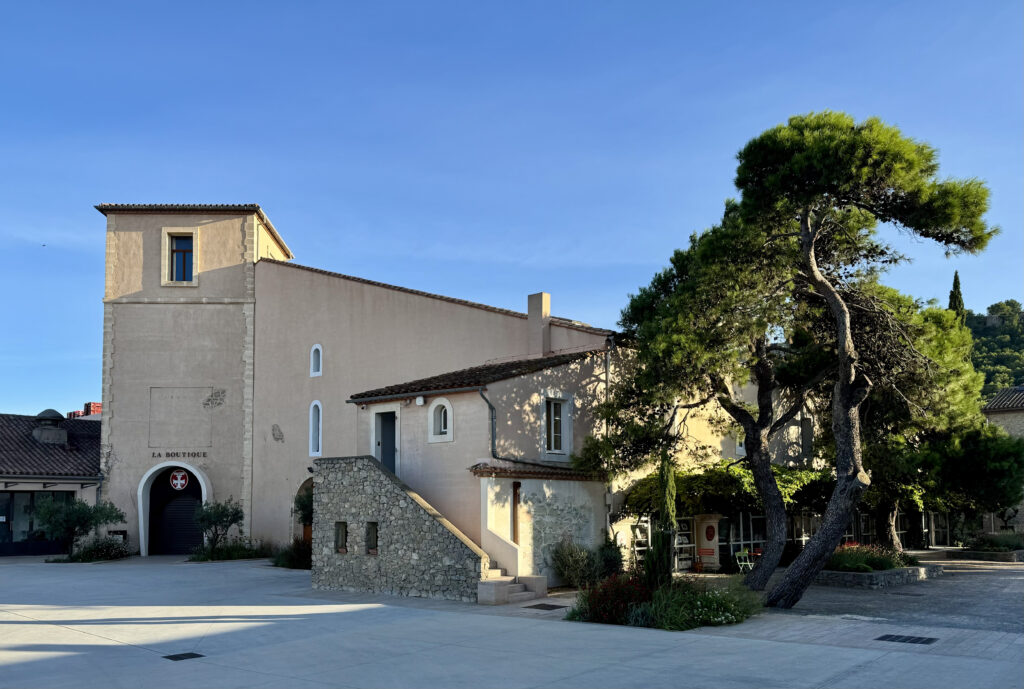
L'Hospitalet is also the Mediterranean Art de Vivre in a 5* Wine Resort Beach & Spa. This thousand-hectare wine estate, cultivated biodynamically, offers a majestic setting that blends unspoilt nature with the comfort of the senses for top-of-the-range leisure activities. Bright rooms and suites overlooking the vines, a gourmet restaurant celebrating local flavours, exclusive wine experiences, a marine-inspired spa... Château l'Hospitalet invites guests to savour the quintessence of the Mediterranean. Find out more in our Luxury hotels section: https://universvoyage.com/chateau-lhospitalet-5-lart-de-vivre-mediterraneen-dans-un-wine-resort/
Château L'Hospitalet
D168
11 100 Narbonne France.
Telephone: 04 68 45 28 50
The Soul of Château de Luc ✨
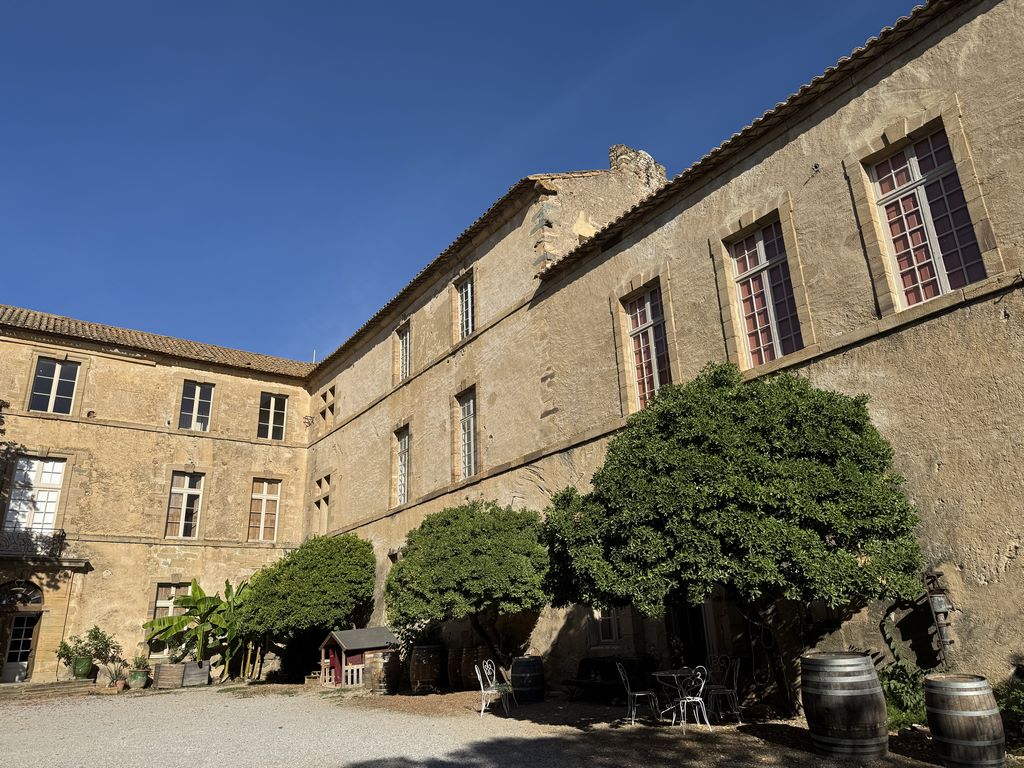
At the heart of the Cathar country, the old stones of the Château de Luc, whose history of the estate dates back to the 5th century, tells the story of centuries of winegrowing. But it is a more recent story, that of Irma and Auguste Fabre, which has given this family estate a remarkable new dimension. Heirs to a vineyard deeply rooted in the Languedoc, sister and brother winemakers have combined respect for history with a bold vision for the future, making Château de Luc one of the most respected ambassadors for organic wines in the Languedoc. Since 1878, Château de Luc has been owned by the Fabre family, winegrowers in the region since 1605. Irma and Auguste were not content to simply preserve the heritage. They transformed it. The vines, planted on the stony terraces of the’Orbieu and the windy foothills of theAlaric, has found innovative guardians in them.
A key chapter in their work was their early conversion to organic farming. At a time when «organic» was the subject of suspicion in the Midi wine-growing region, Irma and Auguste laid the foundations for a culture that respected nature, with certification Ecocert since 1992. This choice reflects a philosophy: to produce authentic terroir wines where the fruit and the soil can express themselves without artifice.
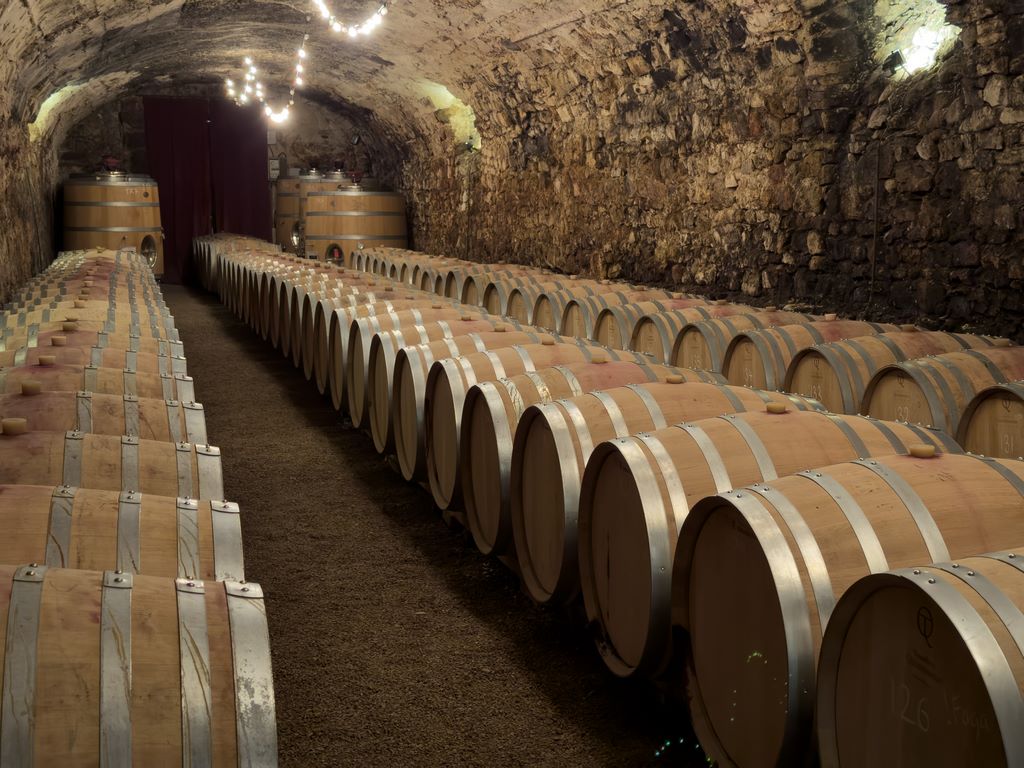
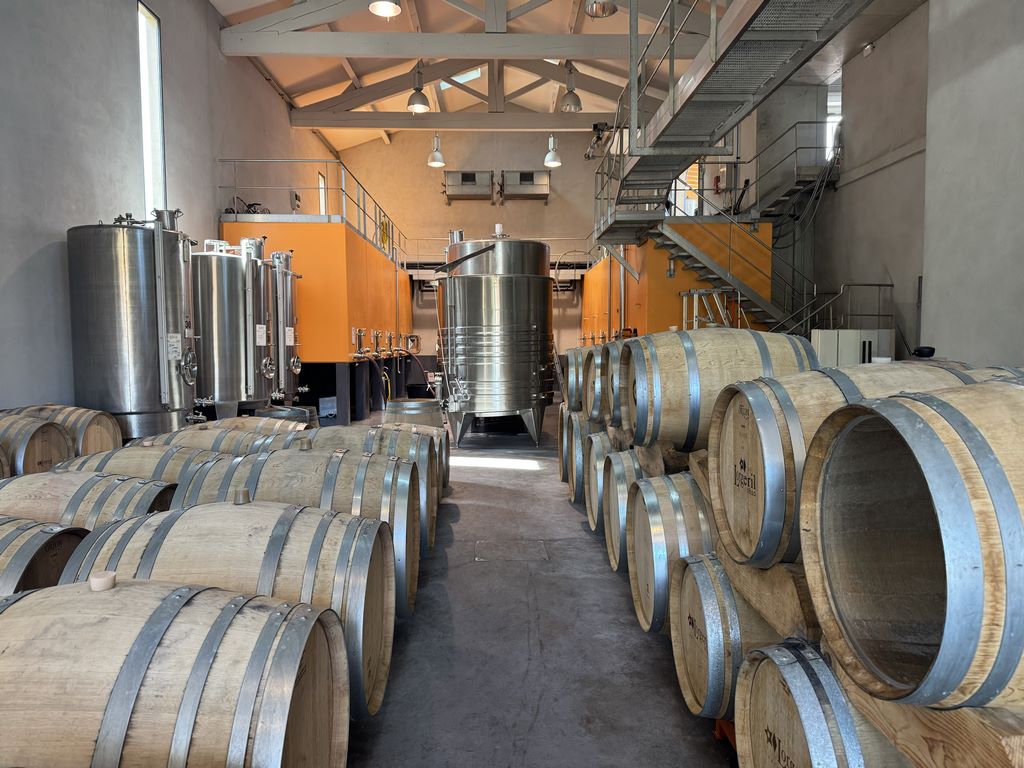
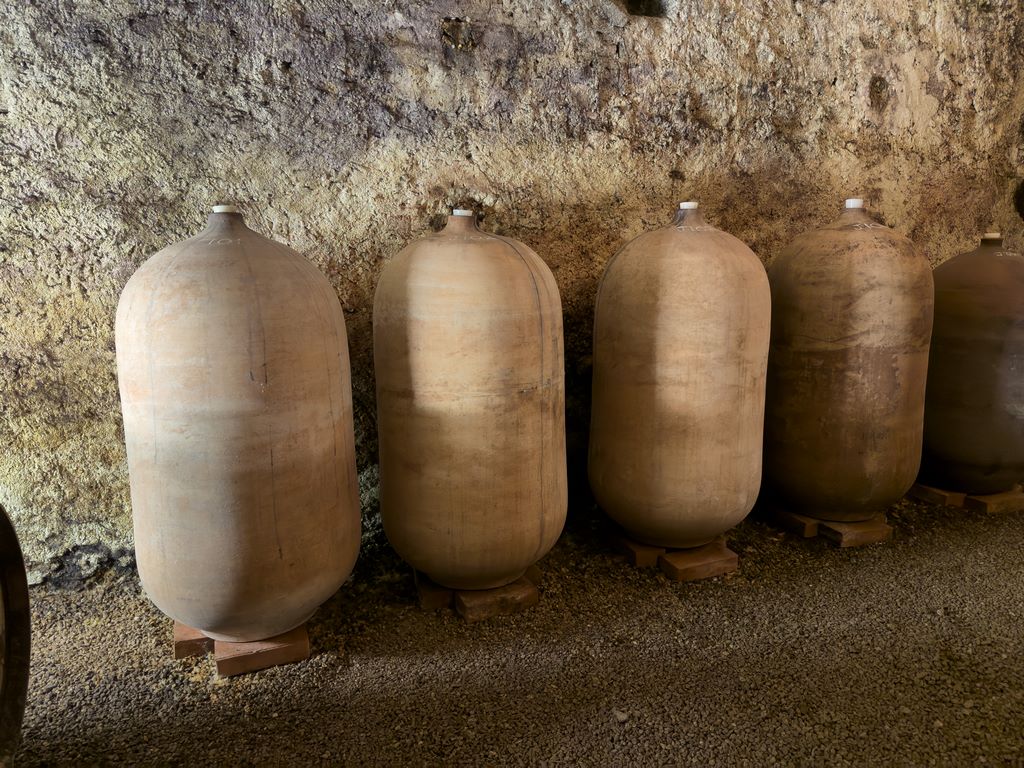
The new dimension of Château de Luc is not limited to the bottle. Irma and Auguste are passionate about sharing their love of the estate. Today, the château is a place for living and sharing, one of the leading lights of wine tourism in the Languedoc. Visitors are welcomed to enjoy a wide range of experiences: historical tours of the 14th-century underground cellars, a unique testimony to the history of local winegrowing, tastings in the former stables converted into a wine cellar, and even an escape game inspired by family history.
Thanks to the hard work of Irma and Auguste Fabre, Château de Luc has become much more than just a wine estate. It is a symbol of resilience and innovation, where every glass of wine tells the story of a passionate family, capable of transforming a heritage into an exemplary model for an entire region.
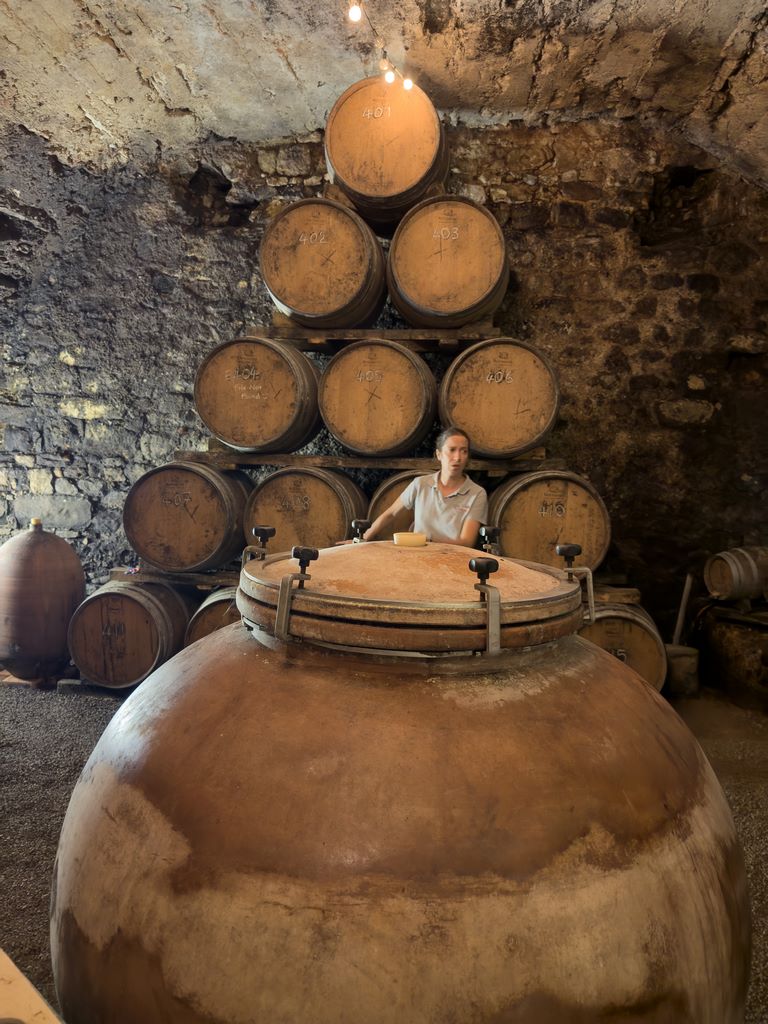
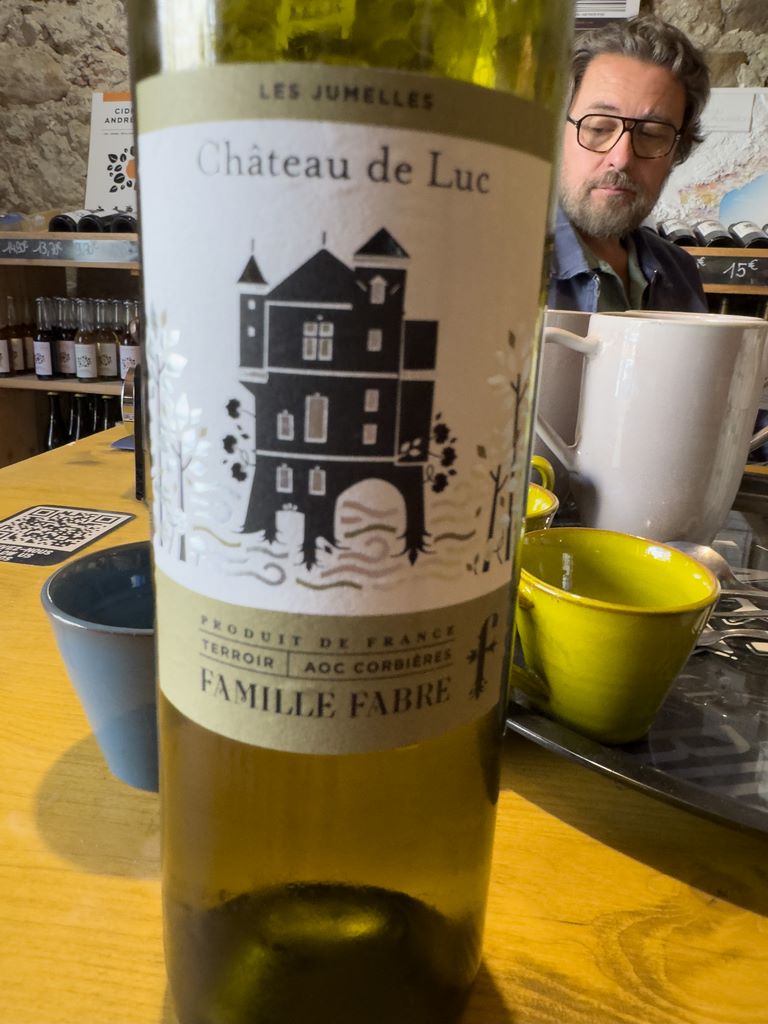
Irma and Auguste Fabre are sister and brother, united by blood and by an unshakeable conviction: to preserve and enhance the winegrowing heritage bequeathed by their parents and forebears. This brotherly dynamic, based on a shared vision, is fundamental to understanding the growth of Château de Luc. Their work is part of a historic lineage in which the union of forces, skills and land, often through marriages or fraternal alliances, is the driving force behind the Fabre family, independent winegrowers since 1605 (over 16 generations).
Today, the Fabre family manages a group of five emblematic châteaux and estates in the Languedoc, the fruit of these successful and strategic alliances
Red (AOC Corbières): a powerful, full-bodied blend of grape varieties. Carignan, Grenache, Syrah and Mourvèdre. The Carignan brings its typical Languedoc character, offering silky tannins and notes of garrigue.
White (AOC Corbières): A fine example of white Corbières, made from Grenache Blanc, Marsanne and Roussanne. This is a well-structured wine, with a lovely freshness and aromatic complexity.
The Luc Orangery (Languedoc PDO) or Innovation rewarded
This cuvée earned the Fabre family the title of «Best Winegrower of 2020» by the Guide Hachette. This is a red wine often made predominantly from Syrah grapes, vinified by carbonic maceration.
Cuvée Veredus (AOP Corbières), This cuvée is the most concentrated expression of the Château's Corbières terroir, a blend of Carignan, Grenache and Syrah. It benefits from careful ageing, sometimes in barrels, which gives it powerful but well-coated tannins and great ageing potential (8 to 10 years).
For Irma and Auguste Fabre, this is a double success story: preserving the integrity of a thousand-year-old heritage while daring to innovate radically with organic methods and modern cuvées, ensuring the long-term future and international recognition of Château de Luc.
Unusual Visit and Tasting, Luc's not-to-be-missed experience
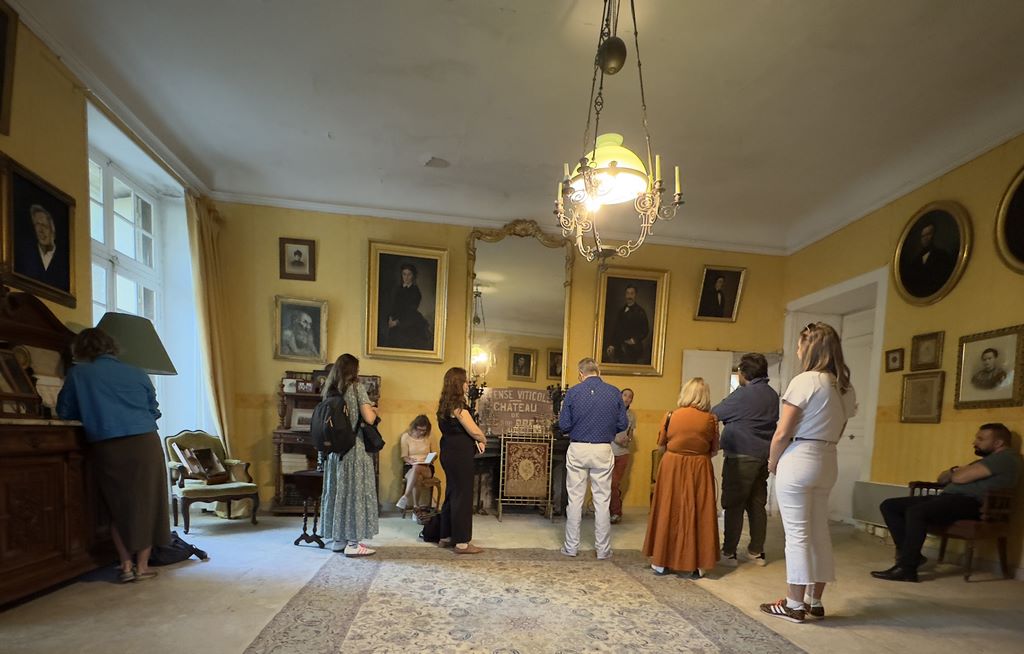
This journey back in time provides an insight into the deep roots of the Fabre family and the golden age of the Midi wine region, before concluding with a guided tasting of the estate's organic wines. The tours, led with remarkable skill by Irma, shed light on local history, including such divisive periods as the Revolt of 1907.
Escape Game at the Château : The flagship experiment is an « Escape Game » entitled «In search of the lost cuvée», inspired by real events and characters from the Fabre genealogy. Participants work in teams to solve riddles in 60 minutes, and the game even includes a tasting session.
Assembly workshops For wine-lovers who want to discover the secrets of wine-making, there are workshops where you can learn about the Languedoc grape varieties and try your hand at creating your own wine by blending the different varieties (Carignan, Syrah, Grenache, etc.).
The tasting cellar, housed in the former stables, is the perfect place to savour the fruits of the Fabre family's labour. The estate offers a tasting of its organic wines, enabling you to compare the different cuvées (such as The Binoculars or The Luc Orangery) and appellations (Corbières, Languedoc, Boutenac).
Château de Luc
1 Rue du Château
11200 Luc-sur-Orbieu
Telephone : 04 68 27 10 80
Château de Pennautier, the «Little Versailles of Languedoc»
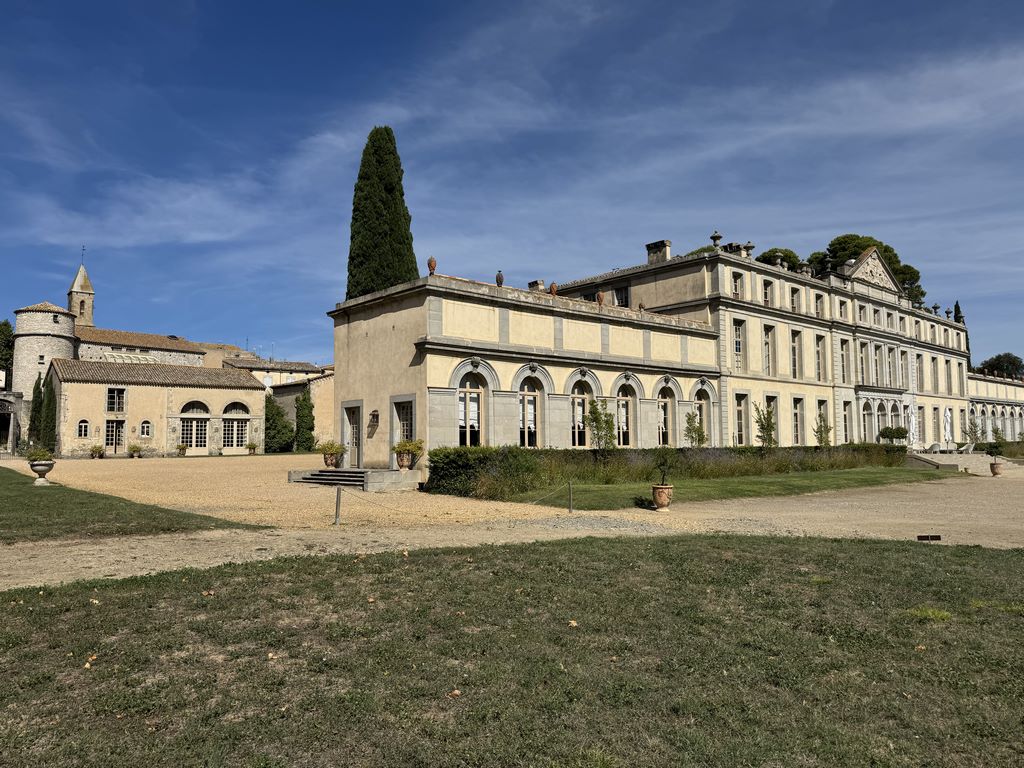
Located a few kilometres from Carcassonne, the Pennautier Castle is a landmark of the Languedoc region.
The history of Pennautier is closely linked to the rise of a family in the service of royal power. The castle was built in 1620 by Bernard de Reich de Pennautier, Treasurer of the States of Languedoc. His position demanded a grand and visible residence. In 1622, the château had the honour of welcoming King Louis XIII, who stayed there and donated his travel furniture, now listed as a Historic Monument and kept in the «King's Room». Bernard's son, Pierre Louis de Reich de Pennautier, also Treasurer of the States of Languedoc, and later Receiver General for the Clergy, who brings it its splendor. This powerful and refined man, called on the greatest artists of the time: the architect Louis Le Vau (architect of Versailles) for the elevation of the wings of the château (the Orangerie and the Louis XIV Gallery), the landscape architect André Le Nôtre (creator of the gardens of Versailles) for the design of the French-style gardens, which today have the label "Remarkable garden" . Thanks to this history and these major architectural influences, the Château de Pennautier was classified as a Historic Monument in 1989.
The Lorgeril family and its production of renowned wines

For centuries, the history of the château has been closely linked to that of wine. The current family is perpetuating and renewing this heritage. The estate is now run by Nicolas and Miren de Lorgeril.They are direct descendants of the Pennautier family and represent the 10th generation of winegrowers in the family. They took over the reins in 1987. They have worked hard to improve the quality of the vineyards on the higher altitude plots, actively contributing to the recognition of the local appellation. Château de Pennautier is the birthplace of thePDO Cabardès, a unique Languedoc appellation which requires the blending of Atlantic grape varieties (Merlot, Cabernet) and Mediterranean grape varieties (Syrah, Grenache). This duality gives the wines remarkable balance and complexity.
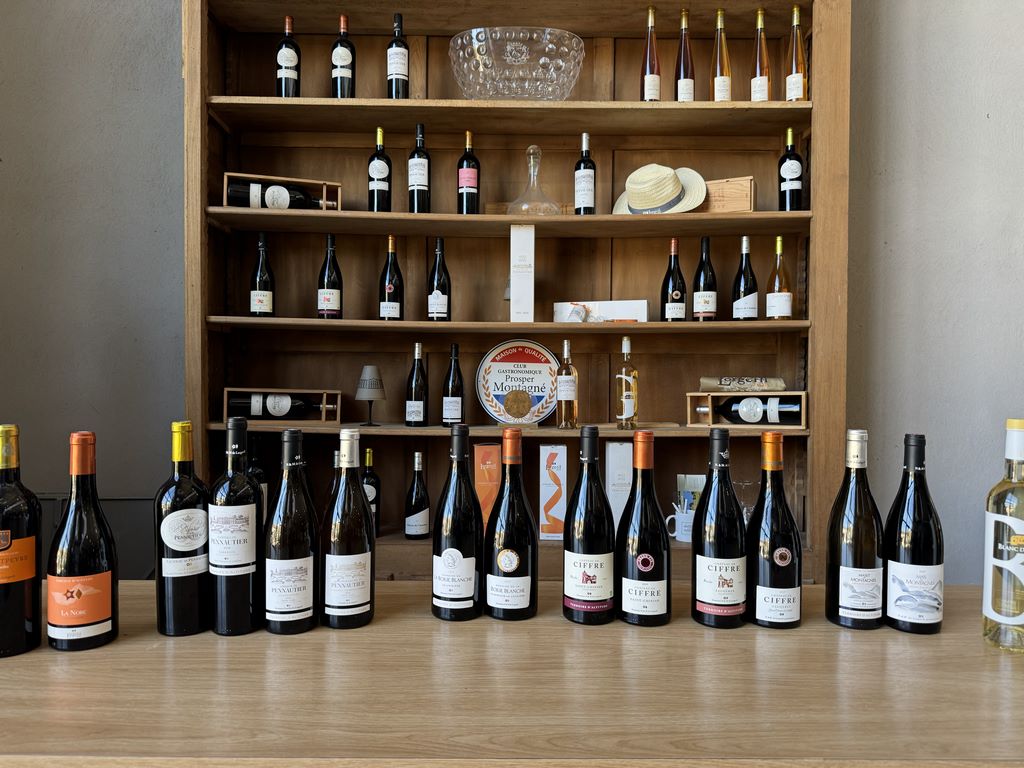
The estate's renowned wines include : The Spirit of Pennautier (AOP Cabardès), a powerful, well-structured wine. Pennautier Dream (IGP Pays d'Oc), a Chardonnay , a pioneer of great Languedoc whites since 1975.
Respect for the terroir is central. The estate has Level 3 High Environmental Value (HVE) certification and has begun converting its vineyards to organic farming.
A complete wine tourism destination
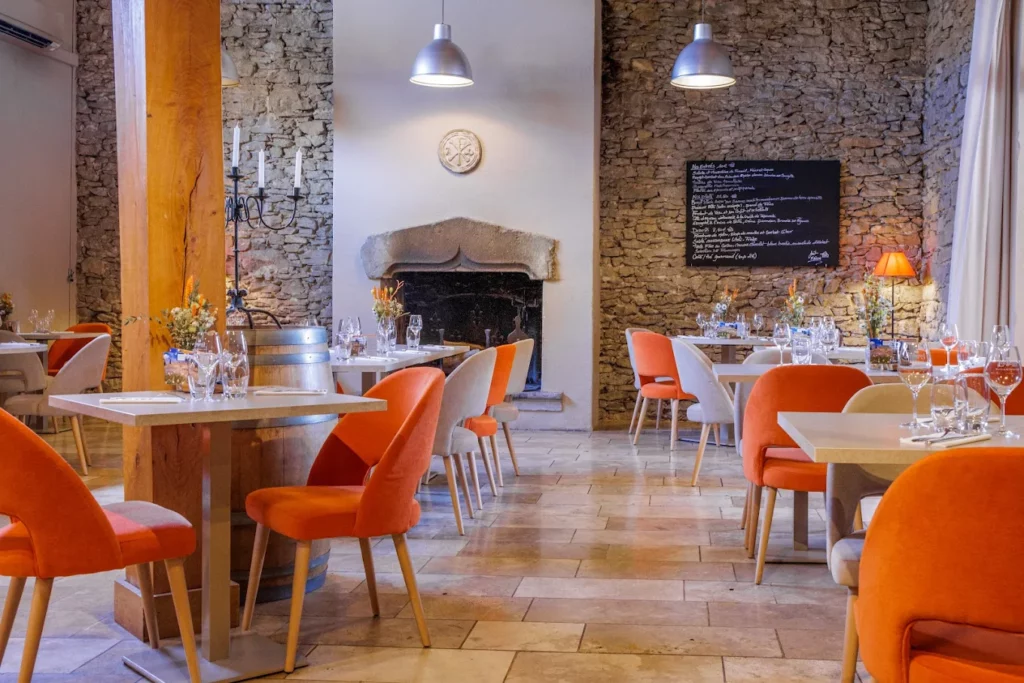
Completely restored in 2009, Château de Pennautier has become a pioneering wine tourism destination. The estate is home to a gourmet restaurant, la Table du Château, The restaurant's refined cuisine showcases local produce and goes perfectly with the wines of Maison Lorgeril, giving diners a real taste of the Languedoc way of life.
The château is open to visitors. Guests can explore the magnificent interiors, including the famous King's bedroom, and stroll freely or on guided tours through the gardens designed by Le Nôtre. To extend the experience, Château de Pennautier also offers accommodation options for groups or seminars, either at the château itself (rooms and suites for hire) or at the Domaine de Garille, a former farmhouse converted into charming gîtes in the heart of the vineyards.
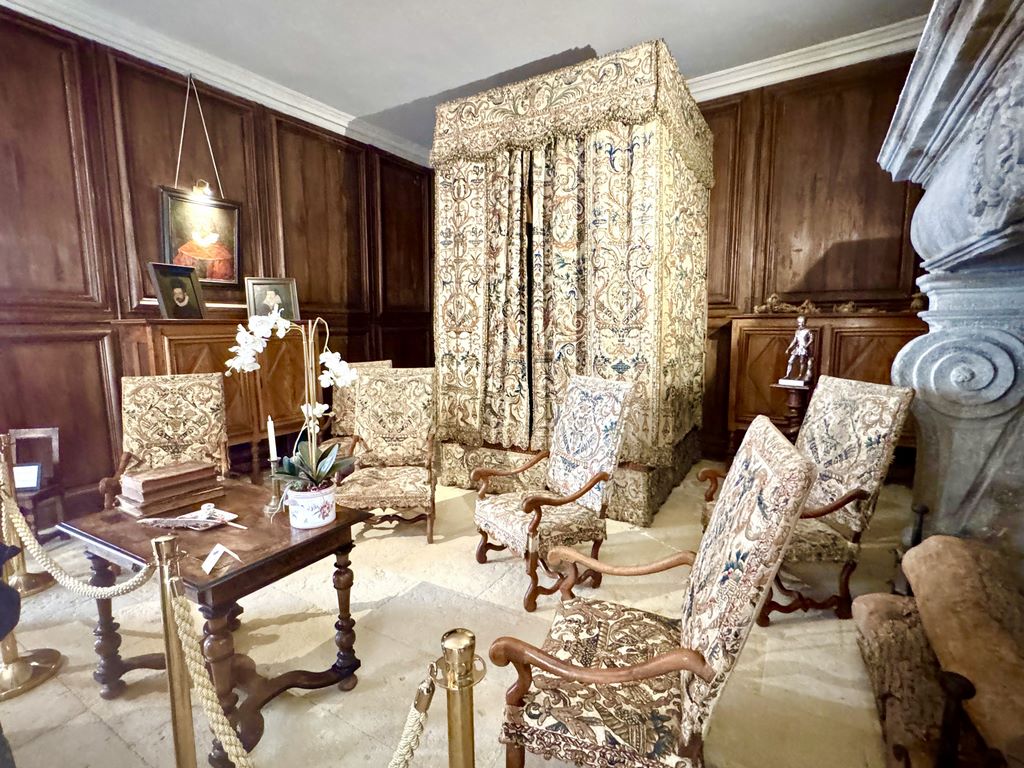
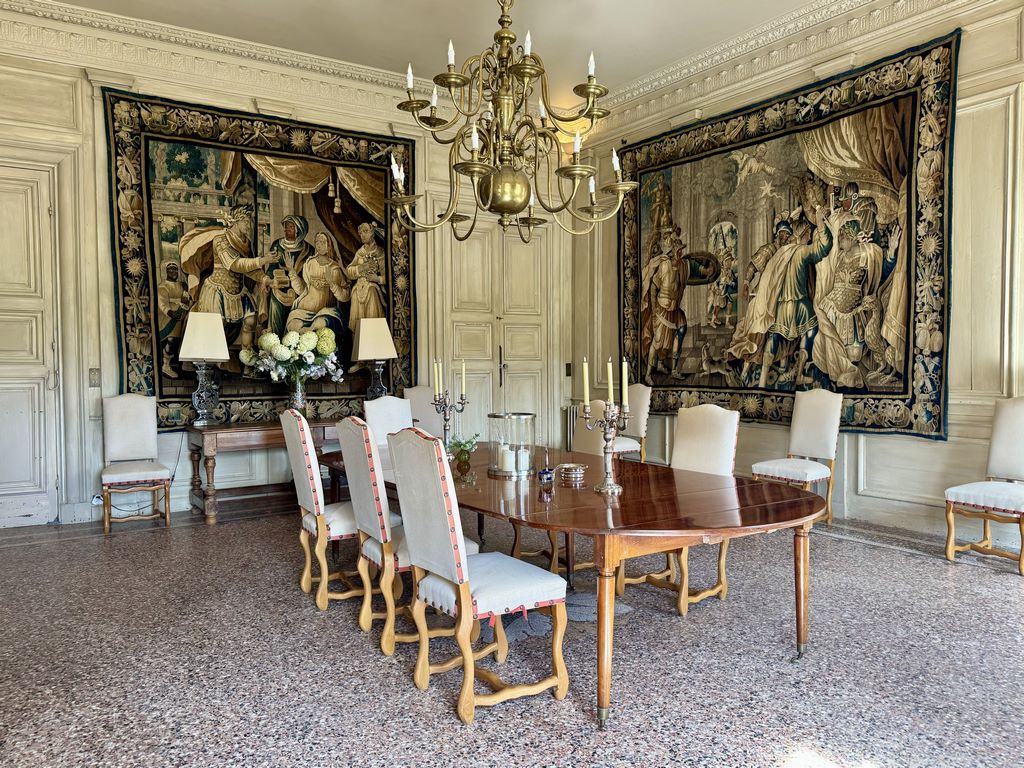
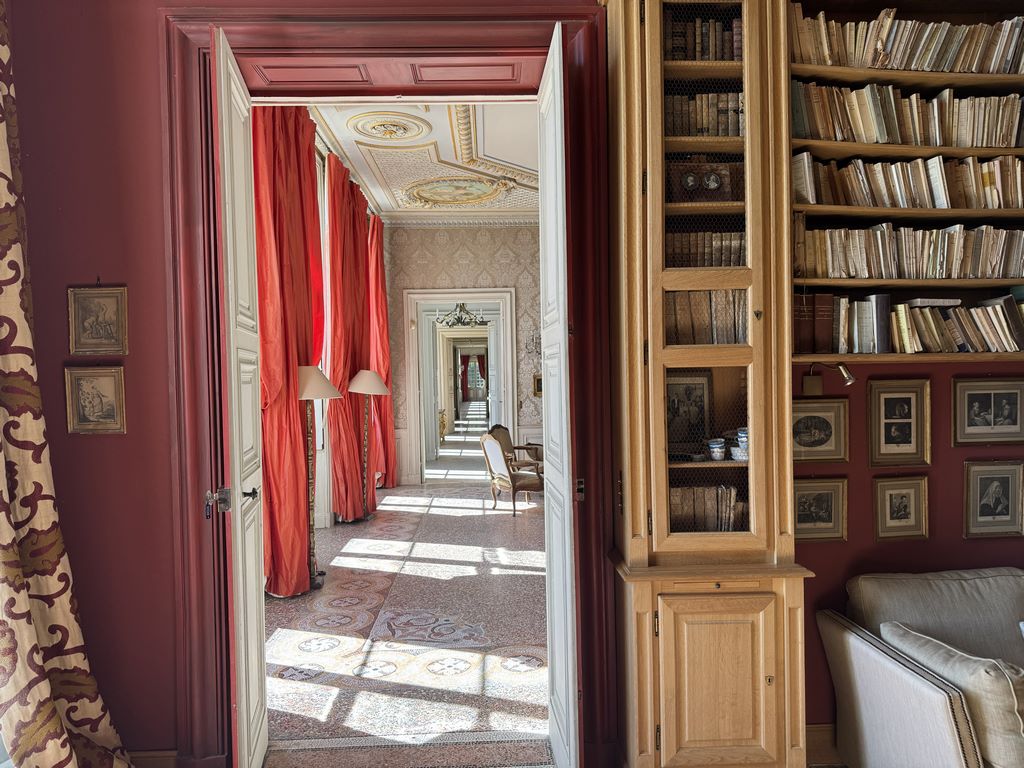
Château de Pennautier is therefore a privileged ambassador of a certain Languedoc excellence, combining history, exceptional terroir and top-class gastronomy.
Pennautier Castle
2, Bd Pasteur
11610 Pennautier
Telephone: 04 68 72 65 29
Text and Photos (not mentioned) : Sylvain Grandadam
Read the rest of this report : https://universvoyage.com/oenotourisme-en-languedoc-2-carcassonne-limoux-abbaye-de-saint-hilaire-clos-teisseire/
Acknowledgements
This report was produced with the help of Interprofessional Council of Languedoc Wines (CIVL) and theAgence Clair de Lune.
Alcohol abuse is dangerous for your health. Drink in moderation.