


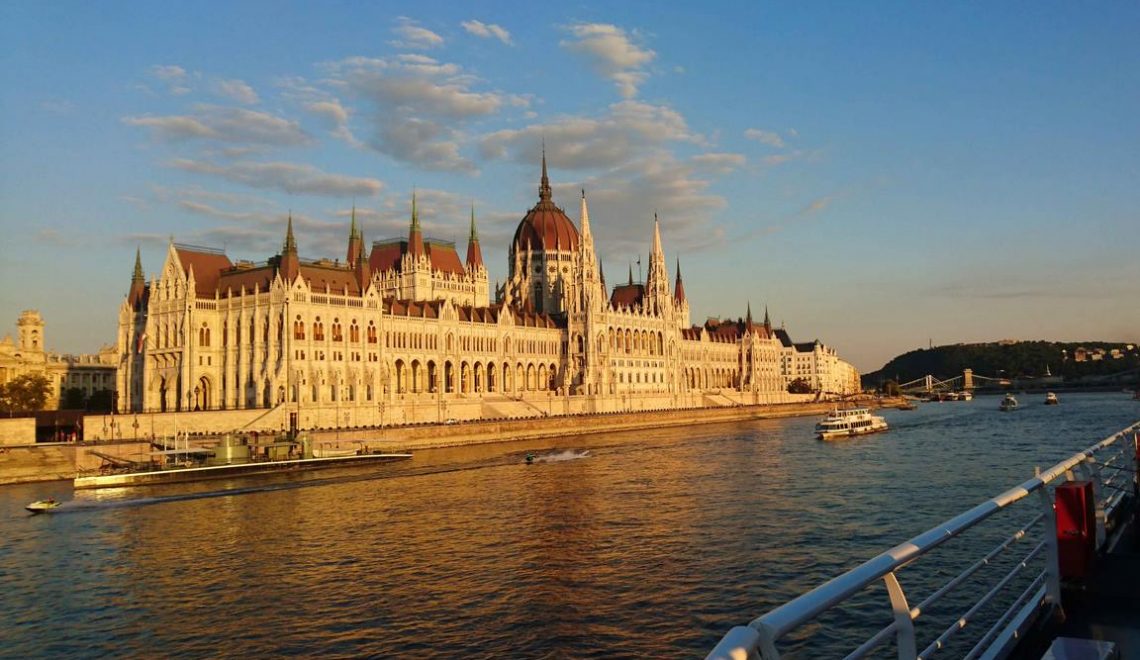
It was aboard the MS Vivaldi by the Strasbourg-based company CroisiEurope fleetWe're going to explore Mitteleuropa. This is the Europe that, over the centuries, has been torn apart and built up in the Danube basin. Looking at the banks of the Danube, it seems a long way from the violent orchestration of the world. Yet it is the turbulent history of Central Europe and its peoples that we are about to explore.
From Budapest, the capital of Hungary, to the "Iron Gates", we will cross 4 magnificent countries, where all the nationalities we have met are hoping for lasting peace. We take you on a journey of discovery through the Balkans...
Table of Contents
Budapest, an enchanting city
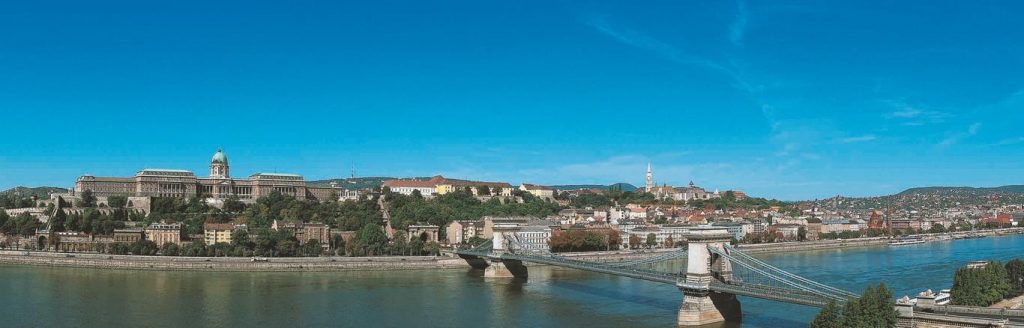
It's in Budapest, the "Pearl of the Danube", that we join our liner, the MS Vivaldi, which will take us to the Iron Gates Parade. It's July and the temperature is still warm in the late afternoon. After the passengers had settled in and a welcome drink, Captain Szanyi Zoltán showed us around the city from the river.
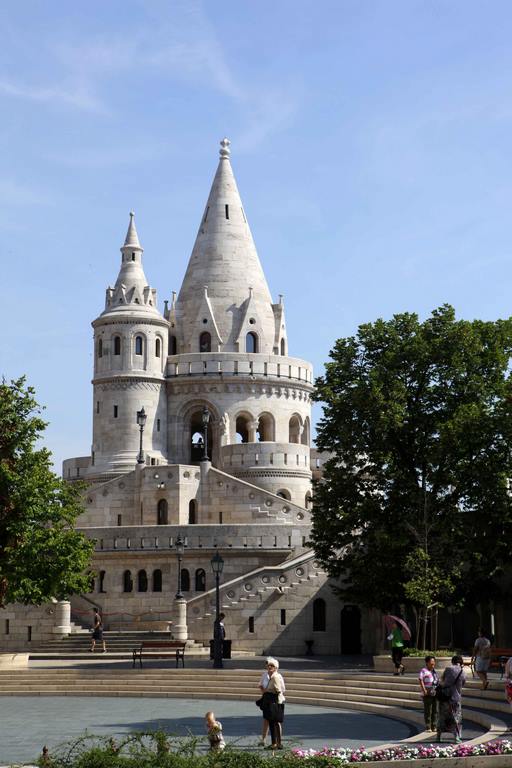
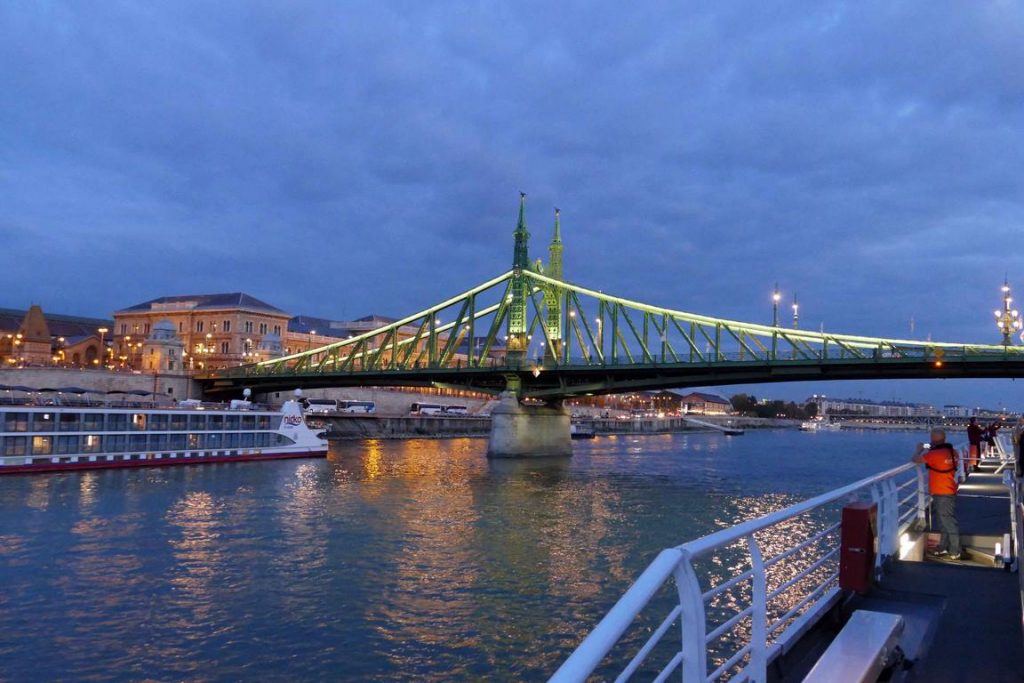
The Hungarian capital is located on either side of the Danube.
A single glance takes in the string of bridges, the silhouette of the Royal Palace on the Buda side of the hill, and the magnificent neo-Gothic Parliament on the Pest bank.
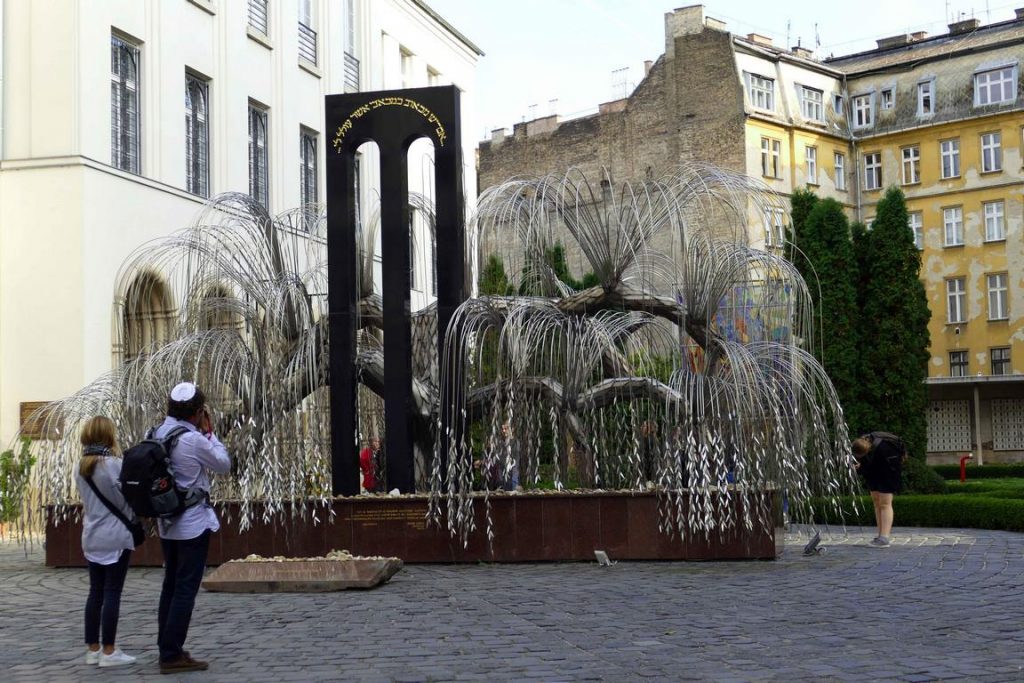
After dinner, our boat sails for Mohács, 200 km away, the last Hungarian town before the Croatian border.

Past Mohács, the Danube marks a natural border between Croatia and Serbia. Two serious police officers boarded the boat to check our passports. The inspection takes some time, but isn't slowness a prerogative of river navigation? Once we'd gone through the documents on board, the customs officers let us set off again for Osijek, a Croatian town of 100,000 inhabitants 85 km away, where we arrived in the early afternoon. The morning passed gently. The Danube curves around us, revealing a scattering of small, pretty houses adorned with geraniums. We bask in the sun on deckchairs, numbed by the sun and caressed by a gentle breeze. The river is so calm that it seems motionless...
Osijek, capital of Slavonia

The afternoon is devoted to a visit to Osijek, a major agricultural production centre some twenty kilometres from the confluence of the Danube and Drava rivers. We cross a vast cultivated plain (maize, wheat and sunflowers) before reaching the upper town. This is home to some fine Baroque and Art Nouveau houses, some of which are currently being restored, and an imposing church - St-Pierre-et-St-Paul - clad entirely in brick, with its steeple rising to a height of 90 metres. We then move on to the lower town and its famous citadel, built in the early 18th century by the Austro-Hungarians to protect the city from Ottoman invasion. Of the fortress, only a section of the ramparts remains, as does the entrance to one of the bastions, the Water Gate, flanked by its drawbridge.
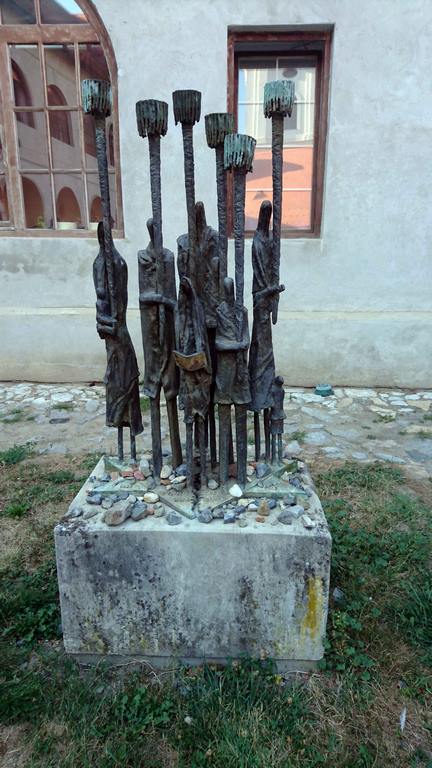
In the centre of the town, the Place de la Ste-Trinité is lined with pretty 18th-century residences and palaces. In the middle stands a symbolic monument: the "Pillar of the Plague". Erected in 1721 by the widow of a general who died of the plague to ask God to protect the town, the pillar was not enough. A second epidemic broke out some time later. The inhabitants realised that rats were the cause and introduced large numbers of martens to decimate them. With the desired result and a collateral damage: the rabbits also disappeared...
As soon as we were back on board, the boat set sail for Belgrade, 230 km away. A magnificent sunset lights up the sky. In the lounge-bar, a welcome cocktail is served as the crew are introduced.
Belgrade, the heart of the Serbian soul
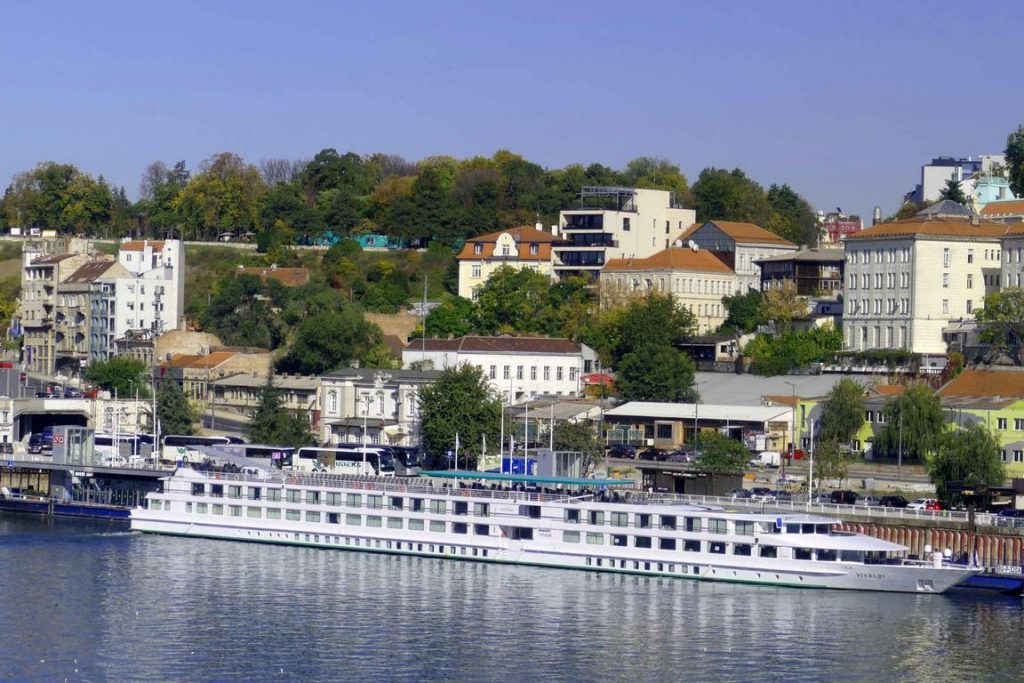
Day 3 begins with a visit to Belgrade. It is one of the oldest cities in Europe, but Serbia's capital is rather austere at first sight. Fortunately, 150,000 students keep the city's cafés lively. Although Belgraders say they love their city, many dream of leaving to work abroad. It has to be said that the average net monthly salary in Serbia is €380. The city has not yet healed all the wounds caused by the bombings organised by NATO to force Yugoslav President Milosevic to evacuate his security forces from Kosovo. However, the economy seems to be picking up a little. Facades are brightening up. And many young artists are settling in this city, one of the cheapest in Europe.
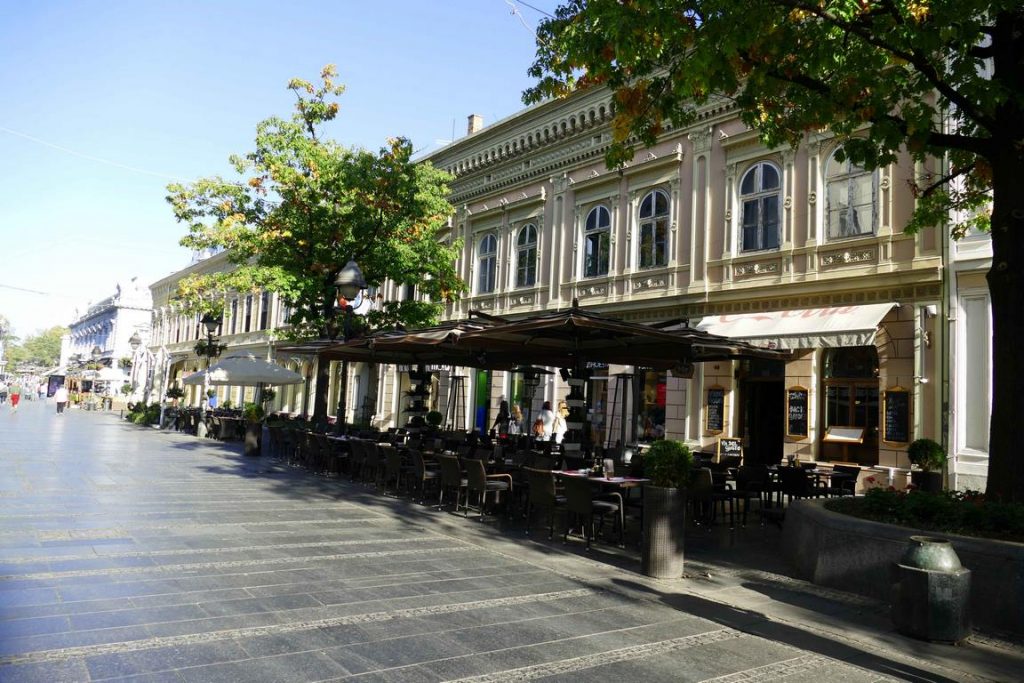
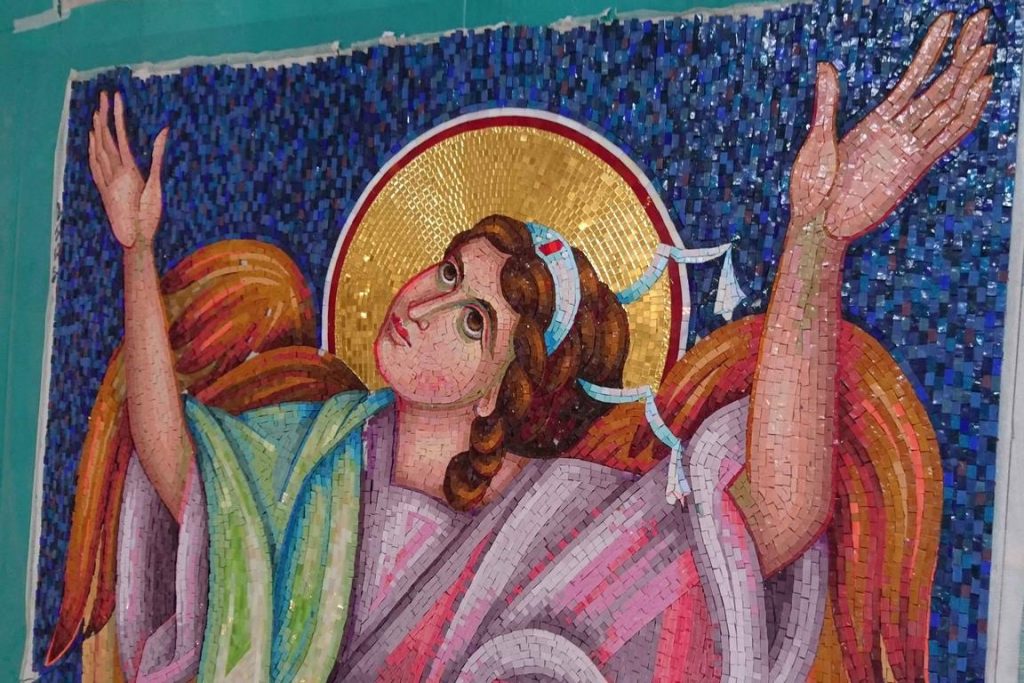
The old town is more picturesque. It is made up of a few streets adorned with buildings dating from the late 18th century and the Art Nouveau period. We stroll along the main pedestrian thoroughfare, Knez Mihailova, and enjoy an ice cream on one of the many terraces lining the area. We then visit the neo-Byzantine church of St Mark, built between 1931 and 1940 by the architects Petar and Branko Krstić. The building is still under construction and houses the tomb of the first Serbian emperor, Dushan I (14th century). A mosaic dome is also being prepared at the time of our visit.
We take the bus quickly through the new town, a sad expanse of Soviet-style blocks of flats dating back to Marshal Tito.
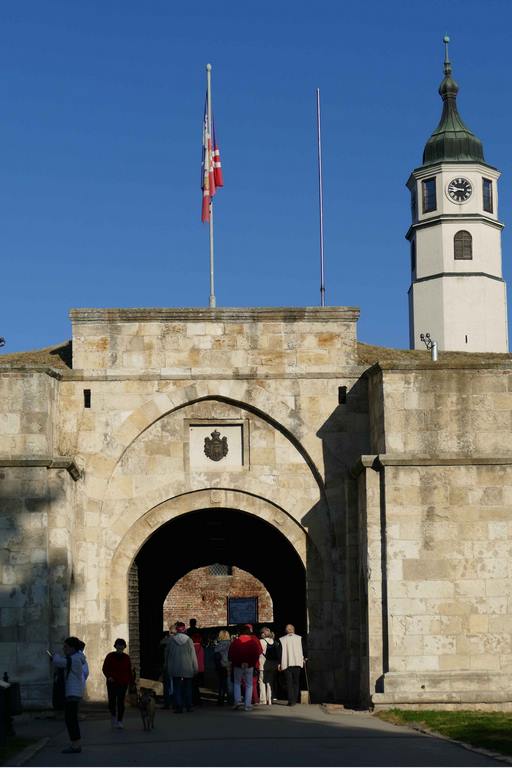
The afternoon is devoted to discovering Belgrade's fortress, which is surrounded by Kalemegdan Park, the city's most beautiful park. It was built on a castrum In the 14th century, it was given to the Serbian despot Stefan Lazarević by the King of Hungary's vassal. It was then completely rebuilt by the Austrians between 1717 and 1736, according to the principles laid down by Vauban.
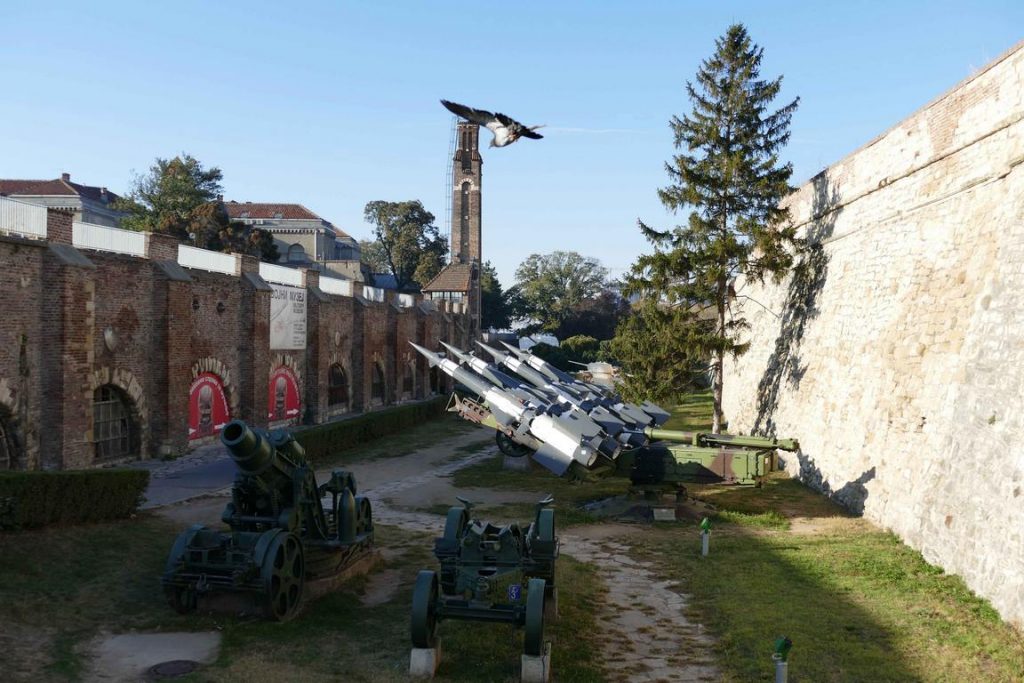
From one of the bastions, there is a spectacular view of the river and its confluence with the Sava.

Hercules at the baths
After 220 km of night sailing, we reach Orsova in Romania. We are in the Western Carpathians, the country's richest region thanks to deposits of copper, gold, silver and rare metals such as tungsten, known here by its German name "Wolfram", which gives it its chemical symbol "W".
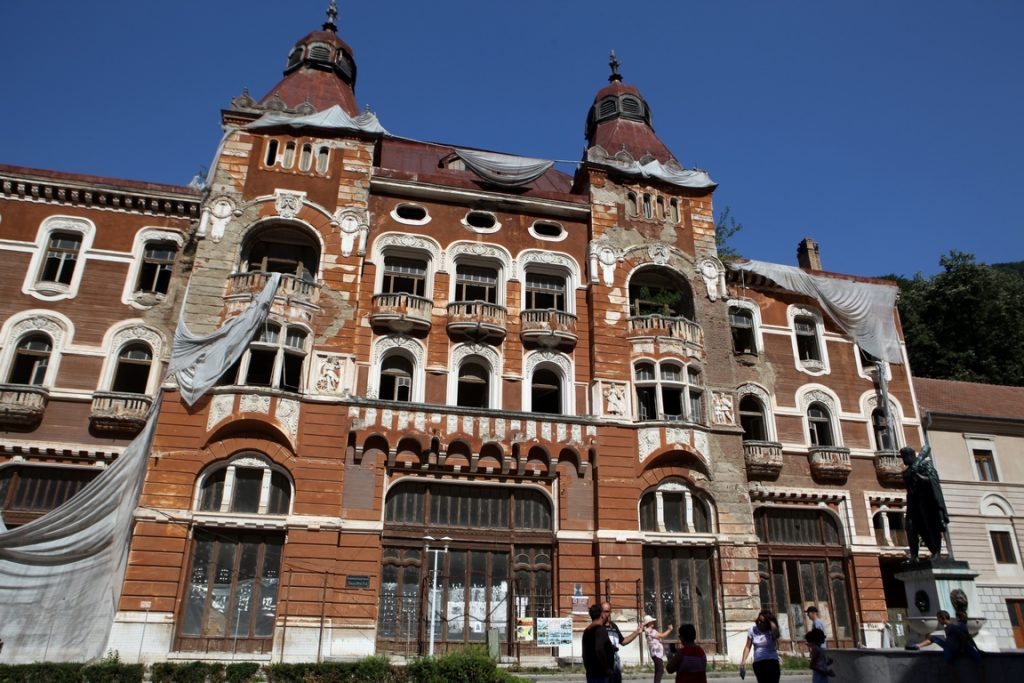
We take the coach to Baile Herculane, one of the most elegant spas in Europe in the 19th century. The buildings, nationalised in 1947 by the Communists and reserved for the nomenklatura, have not been maintained since and have been abandoned for lack of funds. Its thermal and mineral waters were discovered by the Romans as early as the 2nd century, when the area was known as Dacia (the name used for the car produced by Renault in Romania). They named the area "The Sacred Waters of Hercules".
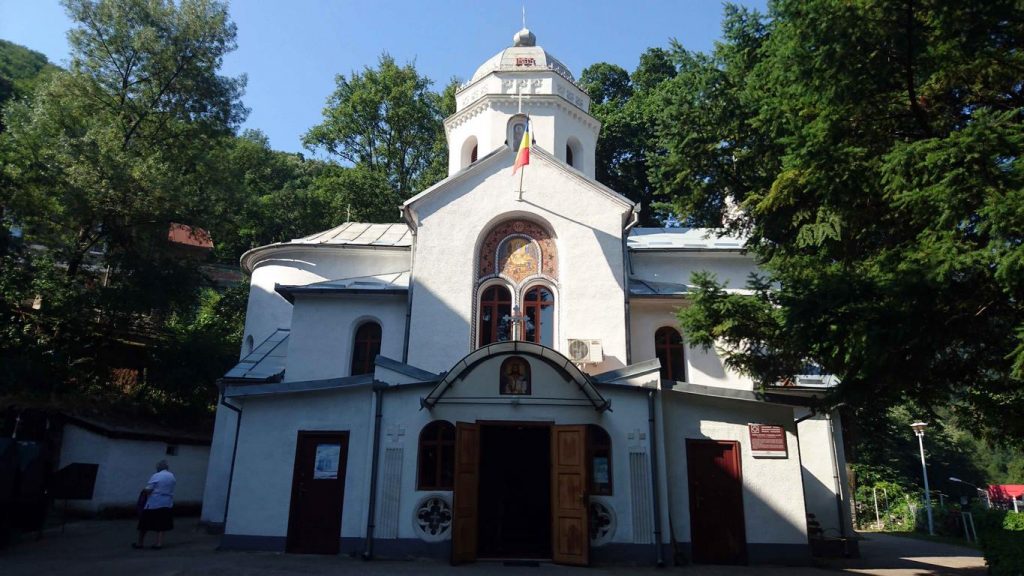
Legend has it that the hero of Roman mythology had his powers his powers increased tenfold after a swim. Today, only a few locals bathe in the open air in the resort's pools. Although the even though the buildings are now totally dilapidated, it's easy to imagine their magnificence magnificence.
Iron Gates Parade
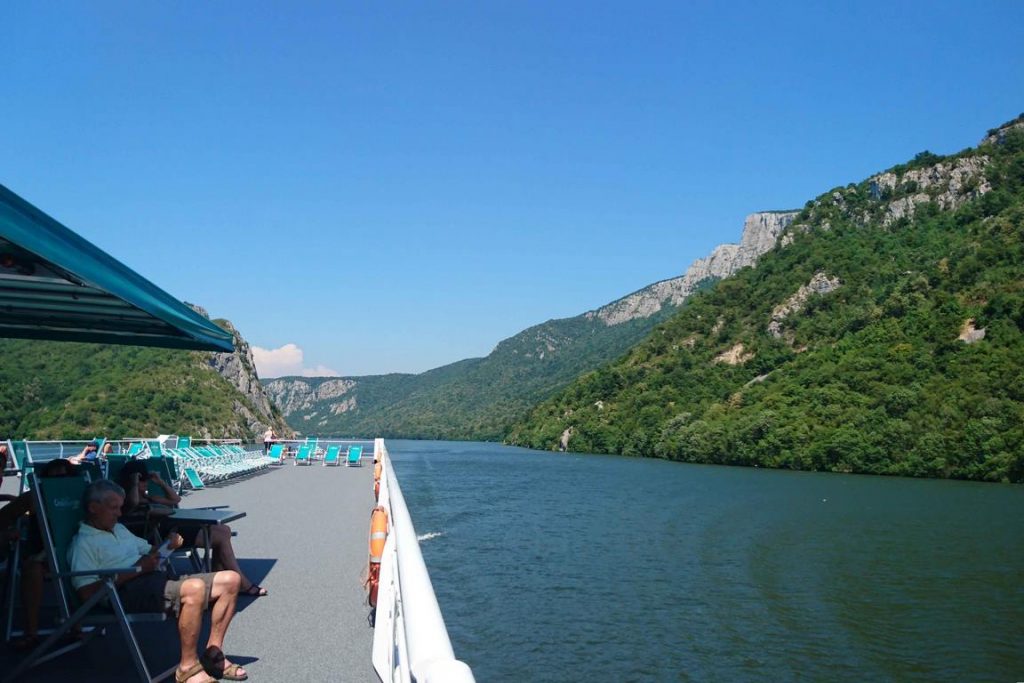
In the early afternoon, we leave Orsova for a next day to Novi Sad, after an approach to the 'Iron Gates'. approach to the "Iron Gates". This is a very pretty stretch of the Danube that we will follow until we reach the beginning of the Iron Gates. On the hills, you can still see Romanian peasants erecting straw the old-fashioned way, sheaves stuck on stakes.
Both Romanian and Serbian, the locks of Djerdap I and II, which we won't be passing through, have given their name to these gorges, where the river separates the Carpathians to the north (Romania) from the Balkans to the south (Serbia). We pass the famous statue of the king of ancient Decimal Dacia, carved into the rock.
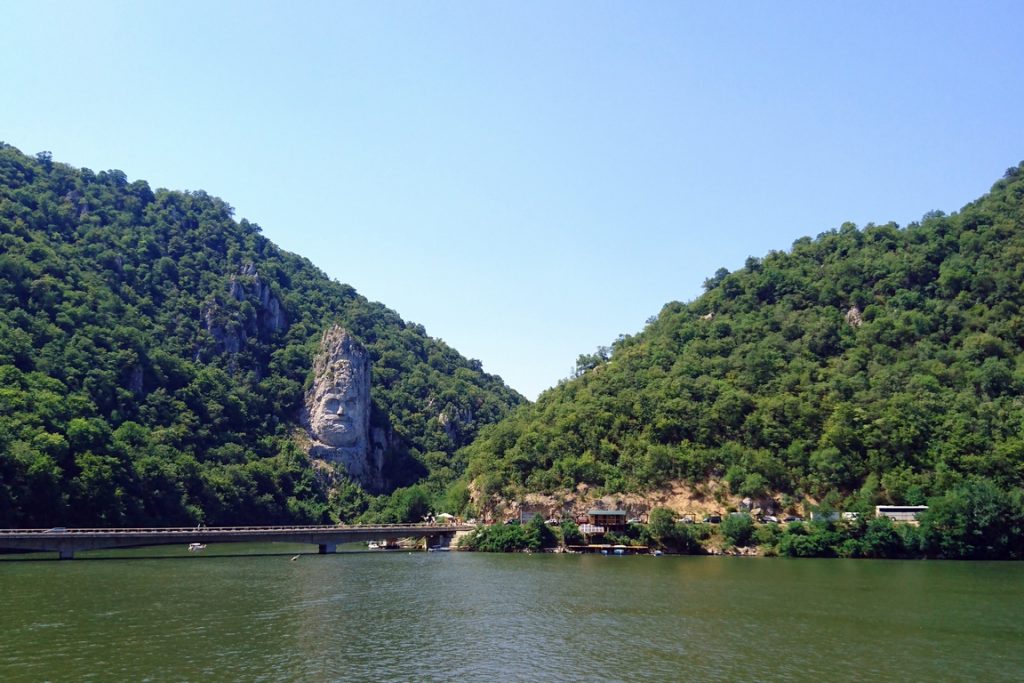
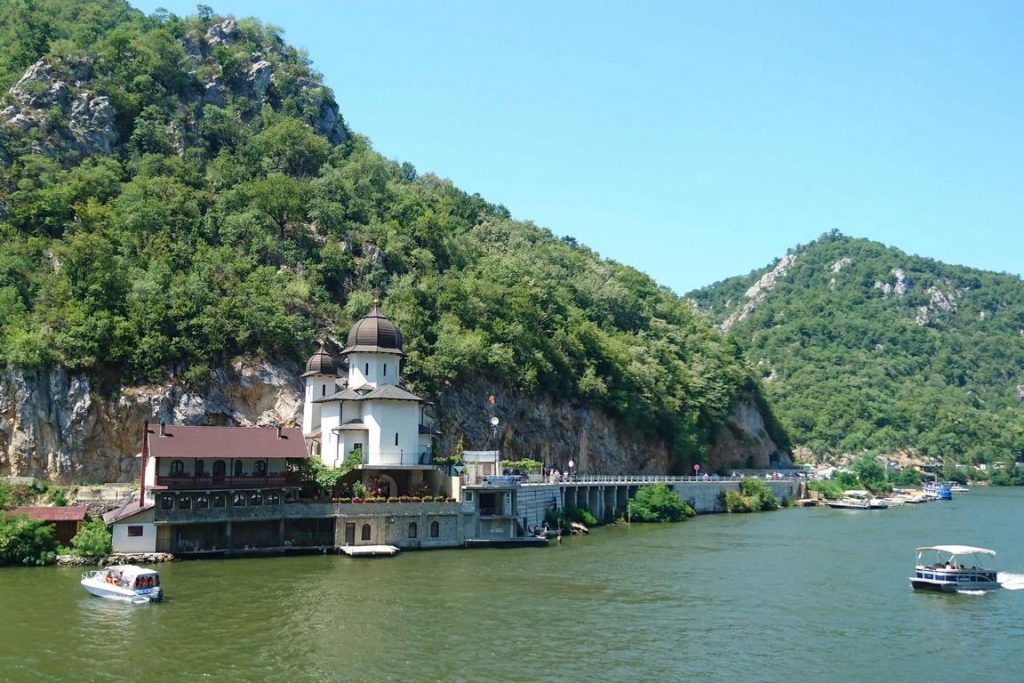
On the other side of the river, it faces the Table of Trajan, a Roman vestige carved into the rock face by the Emperor Trajan to commemorate the site of the victory of the Roman army that led to the conquest of Dacia in 105 AD.
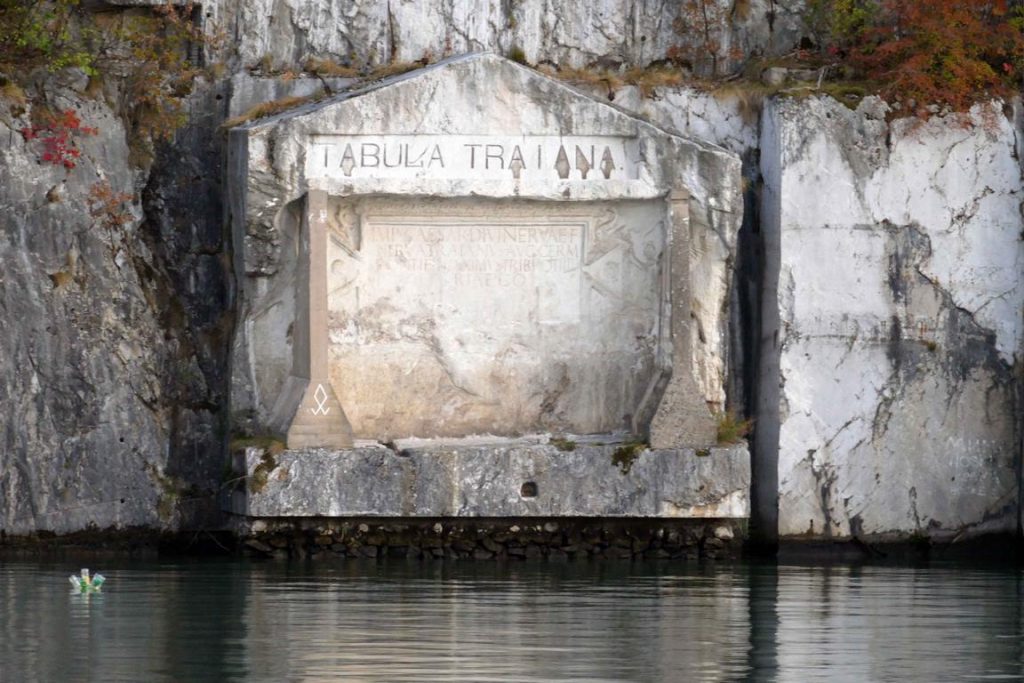
Our boat will turn around at this point and head back up the river towards our next stop: Novi Sad.
Monastery of Krušedol

Early morning on day 5, our boat docks in Novi Sad. This morning, a bus takes us to the Orthodox monastery of Krušedol, around twenty kilometres away. Founded in the 16th century, it is adorned with sumptuous paintings dating from the 16th and 18th centuries, but it is not advisable to photograph them.
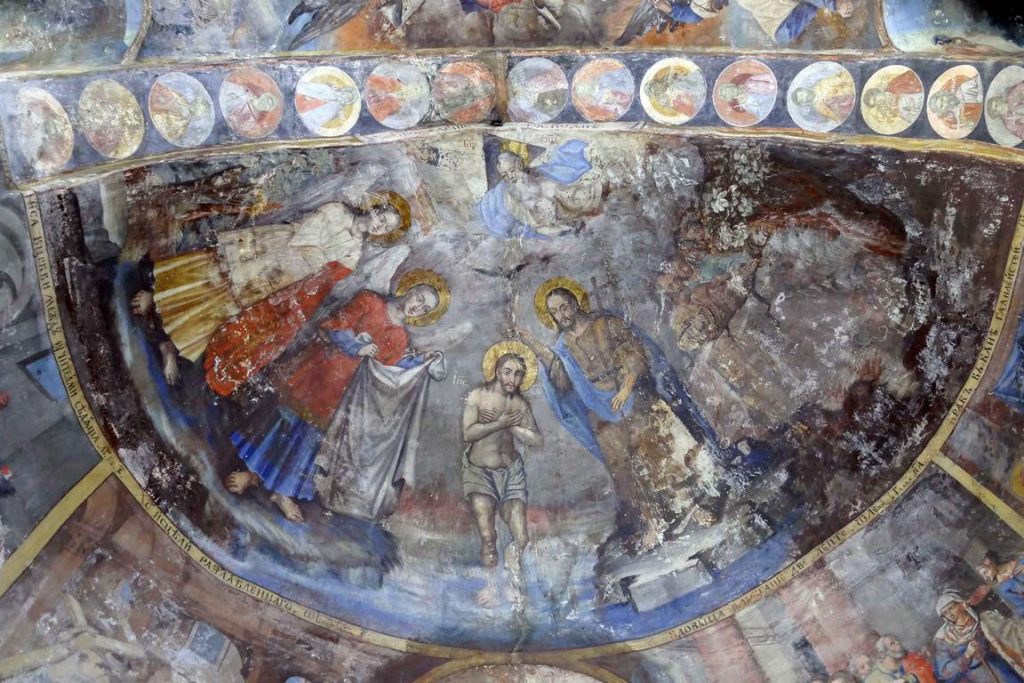
This monastery, founded by the monk Maxim and his mother Angeline, is famous for having hidden the treasures of the province of Vojvodina until the end of the Second World War.
Baroque Novi Sad
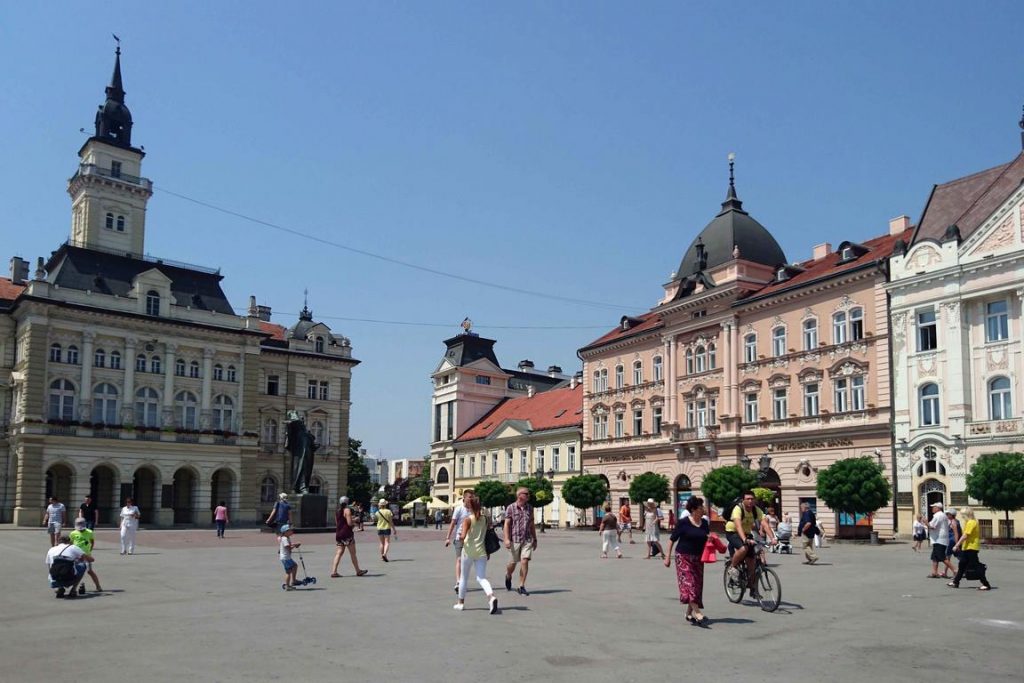
We continue with a visit to Sremski Karlovci, a peaceful little Serbian town of 9,000 inhabitants on the banks of the Danube, before ending our tour in Novi Sad, the administrative capital of Vojvodina and a literary and artistic centre for all Serbs. Situated in a loop of the Danube, it was nothing more than a small fishing village before the 18th century. In the 19th century, this very pretty town grew in the shadow of its fortress, with the establishment of numerous publishing houses.
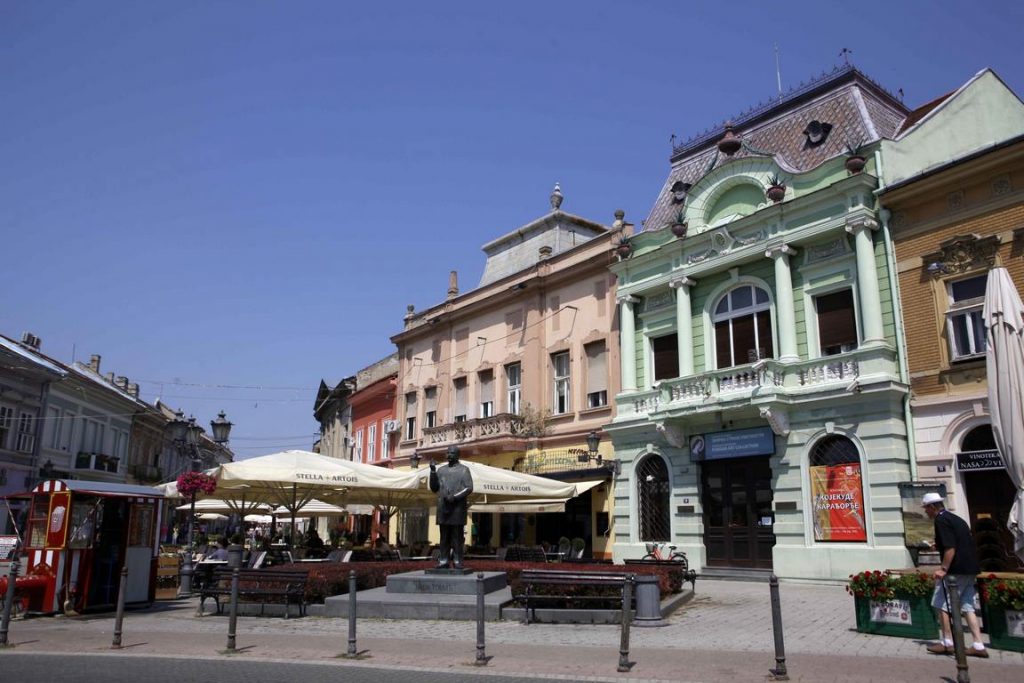
We stroll through the streets lined with small baroque buildings and the pedestrian zone, where international chain shops and junk food outlets have already taken up residence. The terraces of the bars attract musicians, who come to pick up a few coins, and the many students, in a joyful hubbub. Our guide admits that the Serbs are nostalgic for Yugoslavia and have a reputation for never agreeing: "We have a saying: 2 Serbs, 3 different political opinions". She goes on to quote Tito's famous phrase: "Yugoslavia has 6 republics, 5 nations, 4 languages, 3 religions, 2 alphabets and only 1 party". It's easy to understand why the Balkan War was such a source of conflict and tragedy...
Ilok, a small fortified town
The afternoon is devoted to a 40 km sail to Ilok, in Croatia. There are fewer boats on the river, fishermen and bathers. A number of intrepid swim towards our ship, while swans, egrets and barbary herons egrets and herons splash around close to the shore. All along the banks, vegetation vegetation of willow, ash and poplar alternates with small villages of houses of houses on stilts.
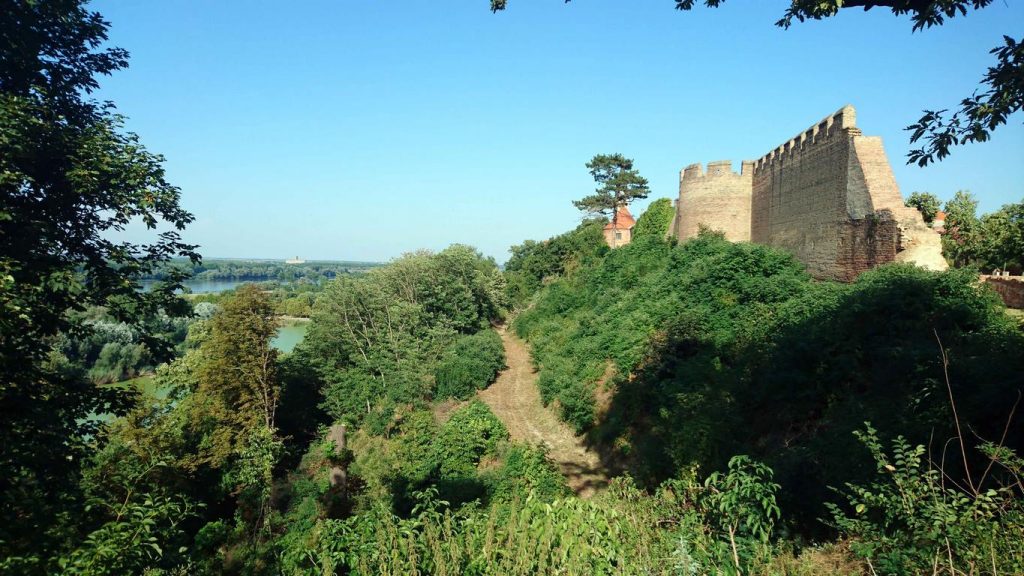
Ilok is a small medieval town, famous for its vineyards, whose fortress overlooks the Danube. The fortress houses the castle of the Odescalchi princely family, built by Count Nicholas of Ilok in the 1st half of the 15th century and rebuilt in the 18th century after the Turks left. It is now an interesting museum that traces the cultural and historical heritage of the locality.
We end this tour with a stop in the martyred town of Vukovar. In 1991, a 3-month siege by the Serbian army destroyed most of the buildings. The port is new, but the Croatian city has retained the scars of this fratricidal war. Although it has been almost entirely rebuilt along Baroque lines, here and there you can still see gutted houses, walls riddled with bullets and shells, and charred ruins. Not forgetting the famous water tower destroyed by Serbian forces. It was finally decided that it would be turned into a memorial.
Pécs and the Puszta
As soon as we got back on board, we set off for an overnight sail to Mohács, which we reached in the early hours of the morning. At around 6am, some over-zealous Hungarian customs officers paraded us through the ship's reception to take another look at our sleepy heads...
Departure by coach for the city of Pécs (pronounced "Petsch"), a jewel in the crown of southern Hungary and the birthplace of the painter Vasarely.
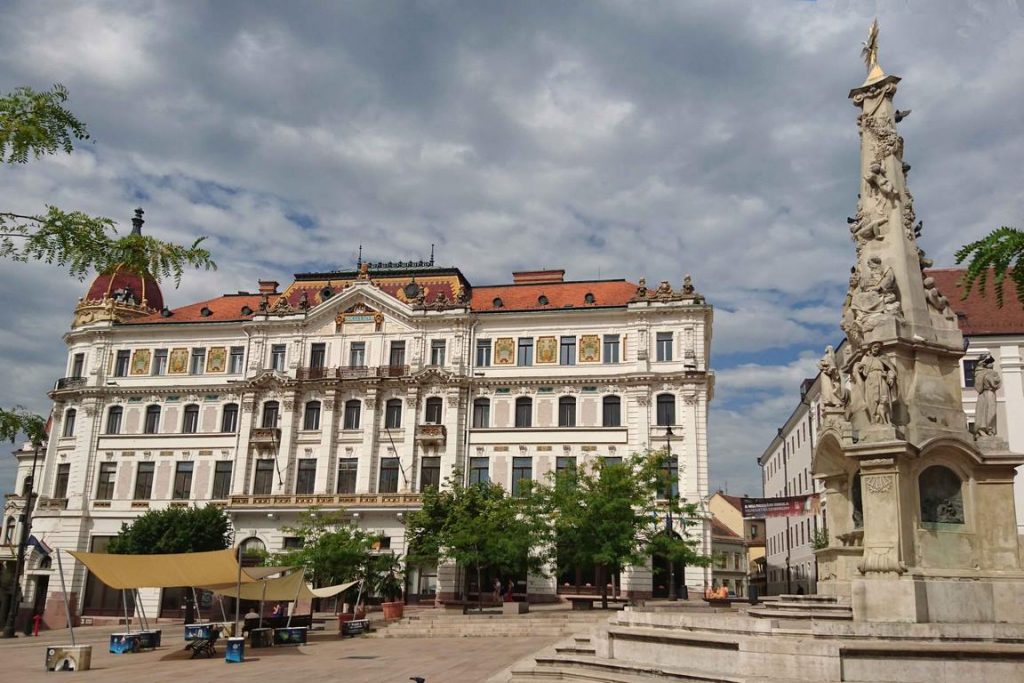
The region is famous for its acacia honey, 80 % of which is exported to France (the Hungarians also sell us foie gras, snails, ceps and frogs). We visit St Peter's Basilica, whose Roman foundations date back to the 4th century. Built in the 11th century, partly on the site of the early Christian necropolis, it was used as a mosque by the Turks, and took on its current neo-Romanesque appearance at the end of the 19th century when it was rebuilt. The chapels of the Heart of Jesus and the Body of Christ were decorated by Károly Lotz. The world-famous frescoes in the Mary Chapel were painted by Bertalan Székely. They depict the saints in relation to the history of the Hungarian people.
The afternoon will be very festive and bucolic. On the programme: a horse show on a farm in Kalocsa, a village located on the Puszta plain, which has been on UNESCO's World Heritage List since 1999.
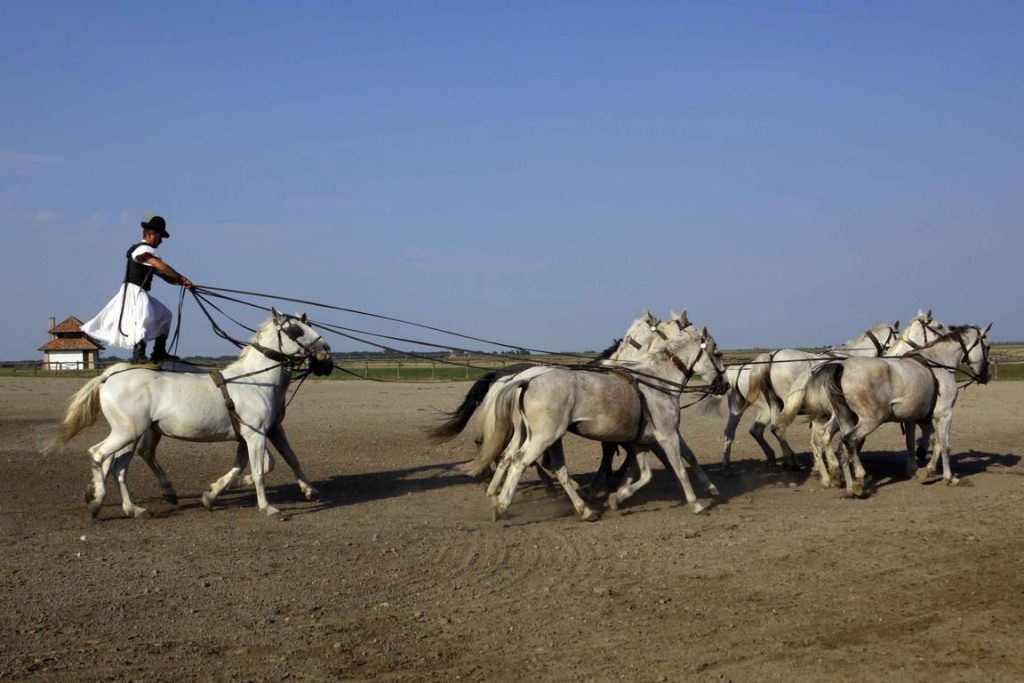
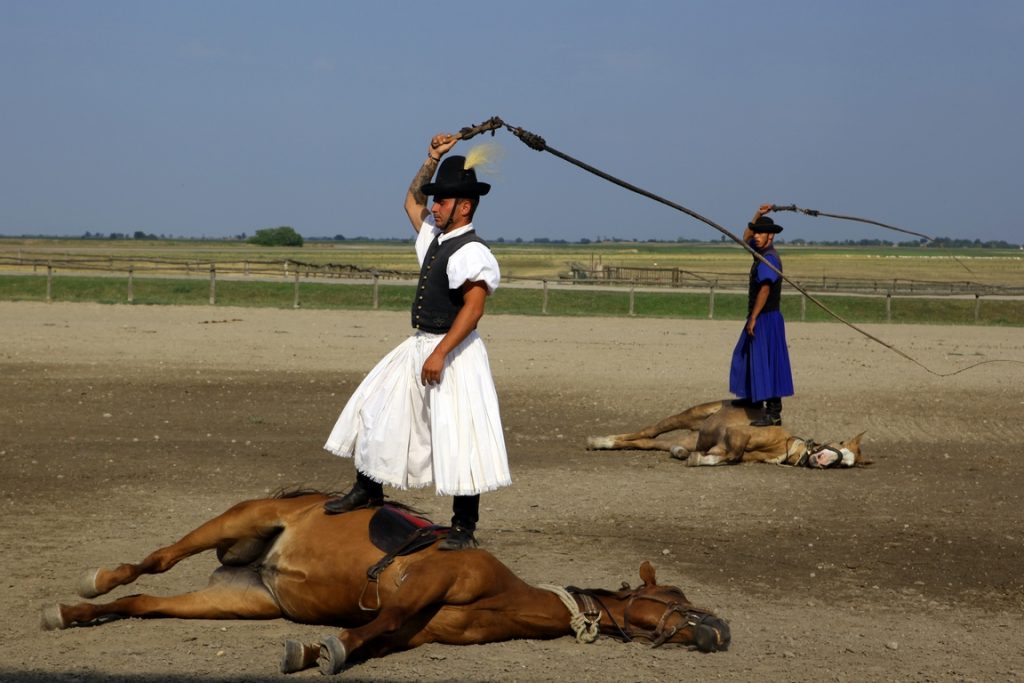
Horse-riding peoples settled on this vast steppe during the High Middle Ages and found it a suitable environment for their traditional way of life. The csikós breed Nonius horses and are very few in number today. Highly skilled, excellent trainers and acrobats, they will be putting on some top-quality equestrian acts and teaching some of us how to handle a whip.
We will also discover the Racka sheep, with its long, twisted horns. After enjoying a glass of pálinka, a local plum, apricot or pear brandy, the passengers seem more talkative on the way back to the boat...
The evening continues on board with a surprise performance by the crew. The boat leaves Kalocsa as the sun sets, bound for Budapest, our port of disembarkation. Our last glimpse of the city by night, as the famous waltz of the "Blue Danube" envelops the lounge-bar. We're already missing the course of this mythical river...
MS Vivaldi, CroisiEurope's 5-anchor boat
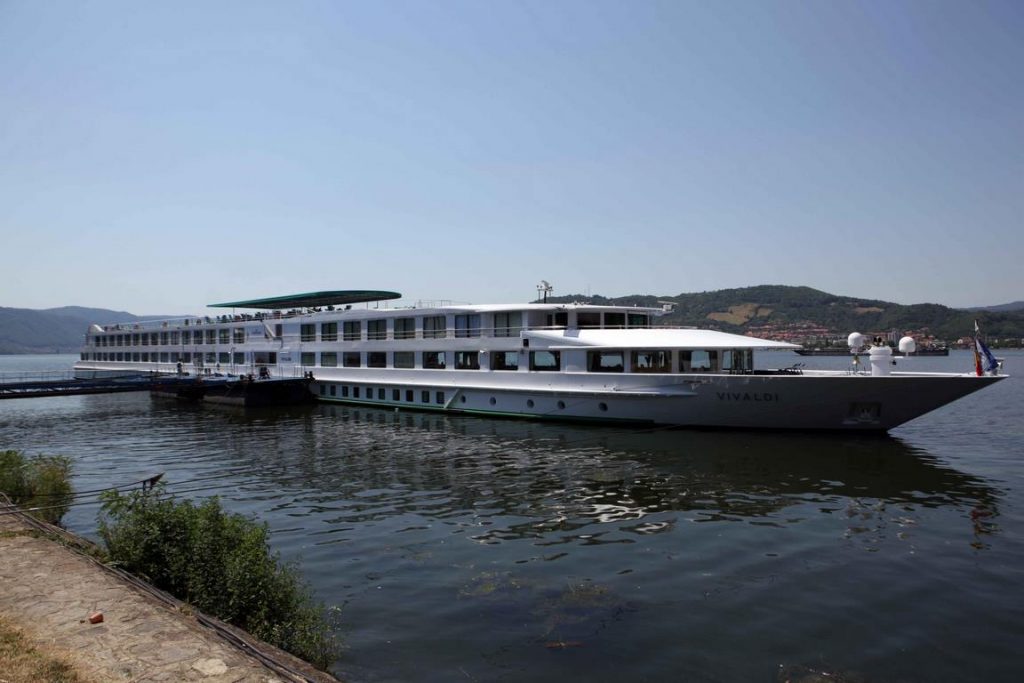
The MS Vivaldi sails on the Danube and the Rhine. It was built in 2009. It has a capacity of 176 passengers in 88 cabins spread over 3 decks, including disabled cabins.
The atmosphere is warm and welcoming, whether in the lounge bar or the restaurant. The various communal areas have large windows offering magnificent views of the river and its banks.
With a length of 110 m and a beam of 11.40 m, the MS Vivaldi is equipped with the latest technology (radar, depth sounder, cameras), including a satellite-assisted steering system.
Onboard amenities: 176-seat saloon with dance floor and bar - bar with video TV and terrace - 176-seat dining room - large sun deck with deckchairs - terrace - boutique - lift. Air conditioning throughout the boat and in every cabin. Central heating, wifi on board. All cabins have shower and WC, satellite TV, hairdryer, safe, radio.
Text and Photos: Brigitte Postel
