
In the heart of Lisbon, in the lively Baixa district MUDE It invites us to look differently at the objects that populate our daily lives. From 1900 to the present day, its collections trace more than a century of creation through furniture, fashion, jewelry, graphic arts, and everyday objects. Behind their shapes and functions lies a history of tastes, lifestyles, and the transformations of society. A museum of design that does not merely exhibit beautiful pieces but also questions our way of producing and consuming.
Table of Contents
A former bank that has become a museum
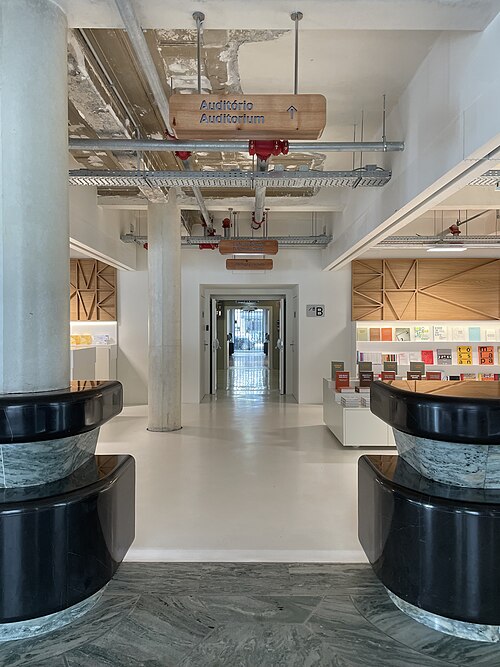
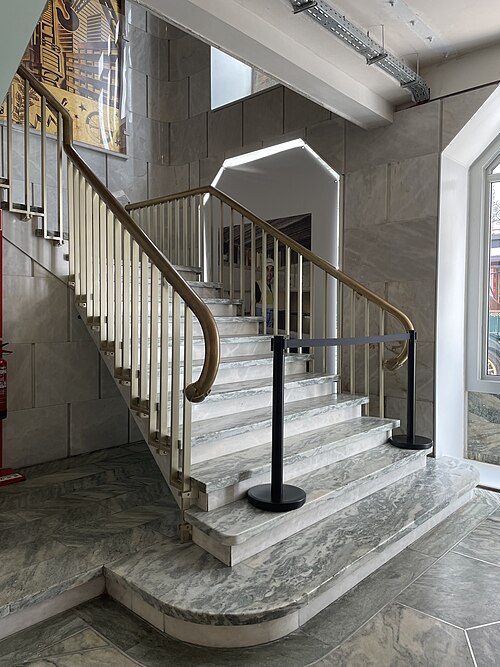
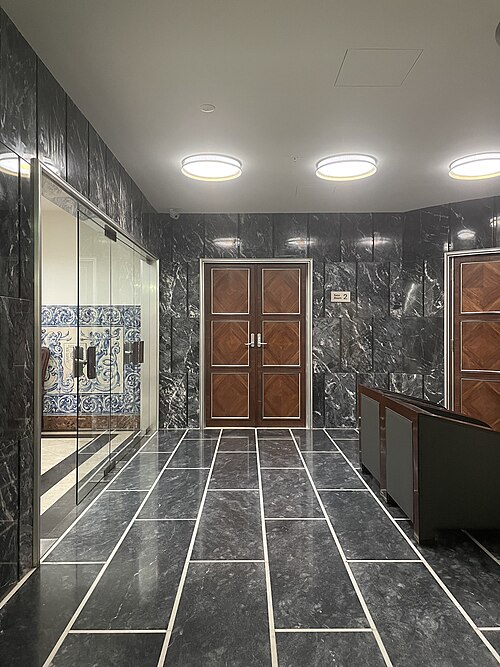
Just a few steps from Place du Commerce, the MUDE (Museum of Design) occupies an imposing building on Rua Augusta, once the headquarters of the National Bank of the Americas (Banco Nacional Ultramarino). The building itself has a lot to tell. Behind its historical facade, its spaces bear the traces of the successive transformations of a place once dedicated to banking activities. After eight years of closure for renovations, the museum reopened in 2024. Its restoration has brought eight levels back to life, while preserving elements of its architectural past. The building is therefore not just a showcase: it fully participates in the visit, bringing heritage and contemporary creation into dialogue.
Design, a mirror of our societies
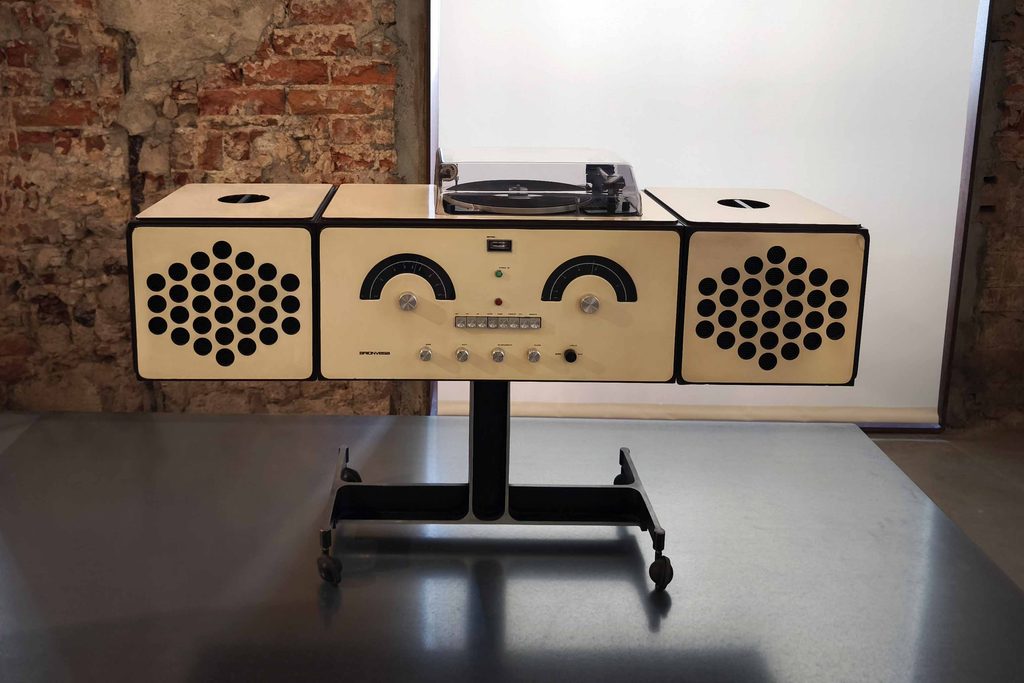
Why do some objects endure for decades while others disappear almost immediately? What transforms a simple chair, lamp or garment into a symbol of its time? At MUDE, design goes far beyond aesthetic research. It tells the stories of technological developments, social aspirations, behavioral changes and cultural revolutions. The museum is interested in both Portuguese creations and the great international figures of design of the 20th and 21st centuries. Furniture, fashion, jewelry and everyday objects make up a universe where we discover that the most familiar things are often the most eloquent witnesses to our history.
From major design names to haute couture
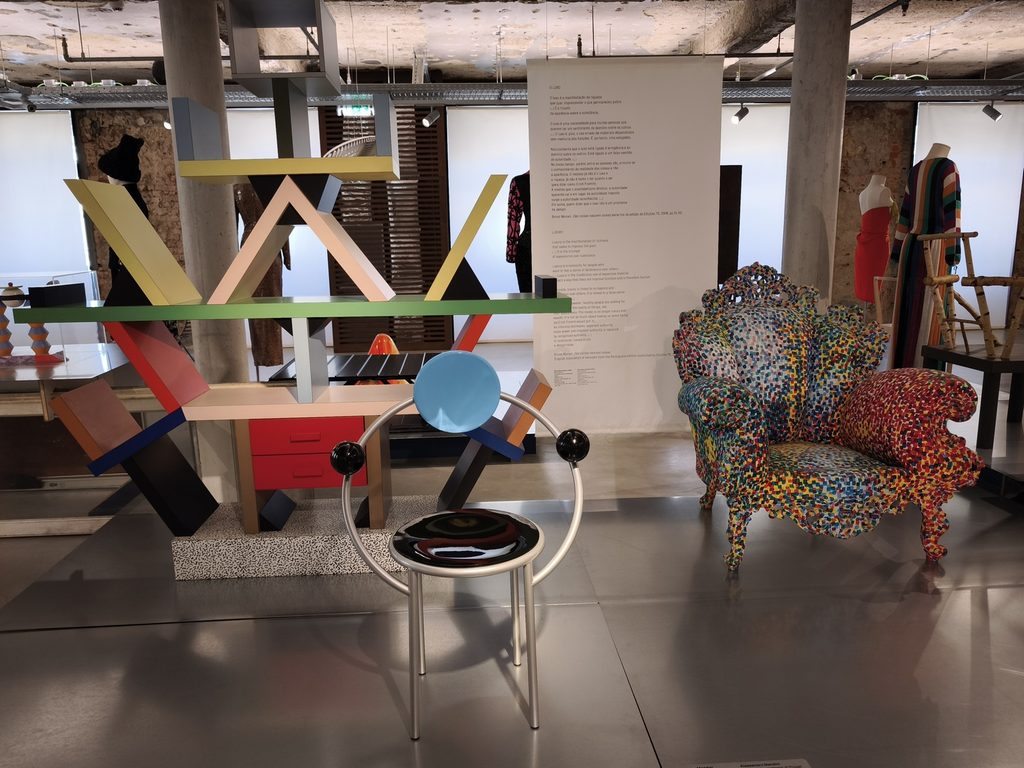
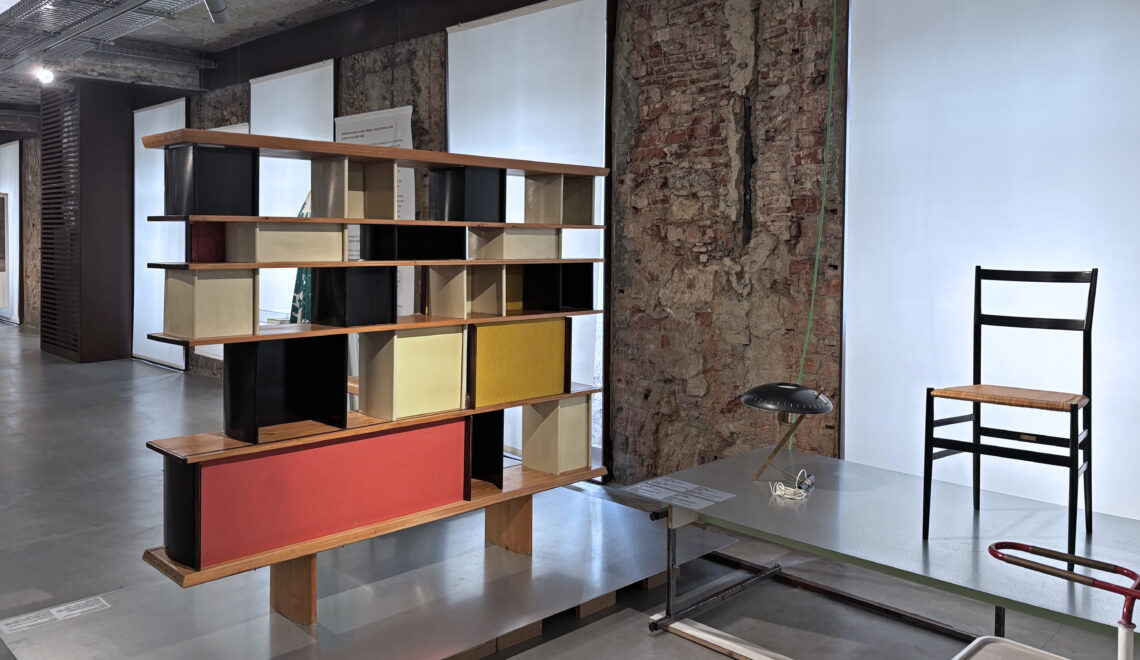
The collections of the MUDE testify to the extraordinary diversity of design in the 20th century. Among them are Charlotte Perriand, a pioneer of modern furniture who helped rethink interior design by prioritizing functionality and new lifestyles, and the Italian Alessandro Mendini, a figure of radical and postmodern design who made color, ornamentation, and fantasy a response to functionalism.
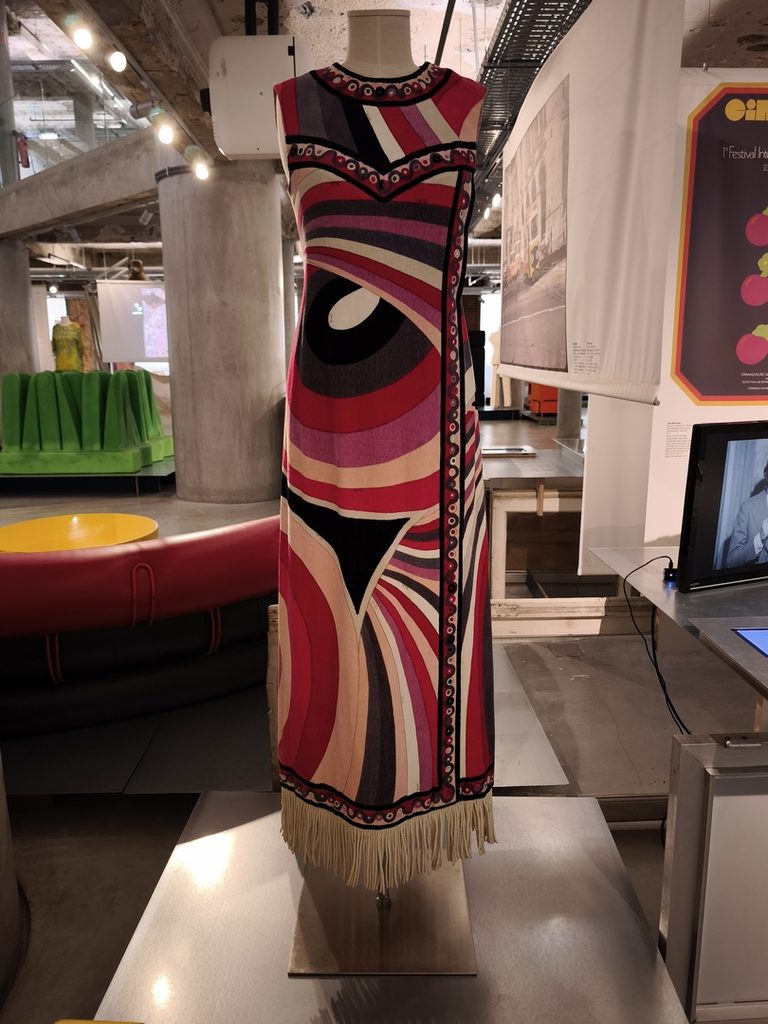
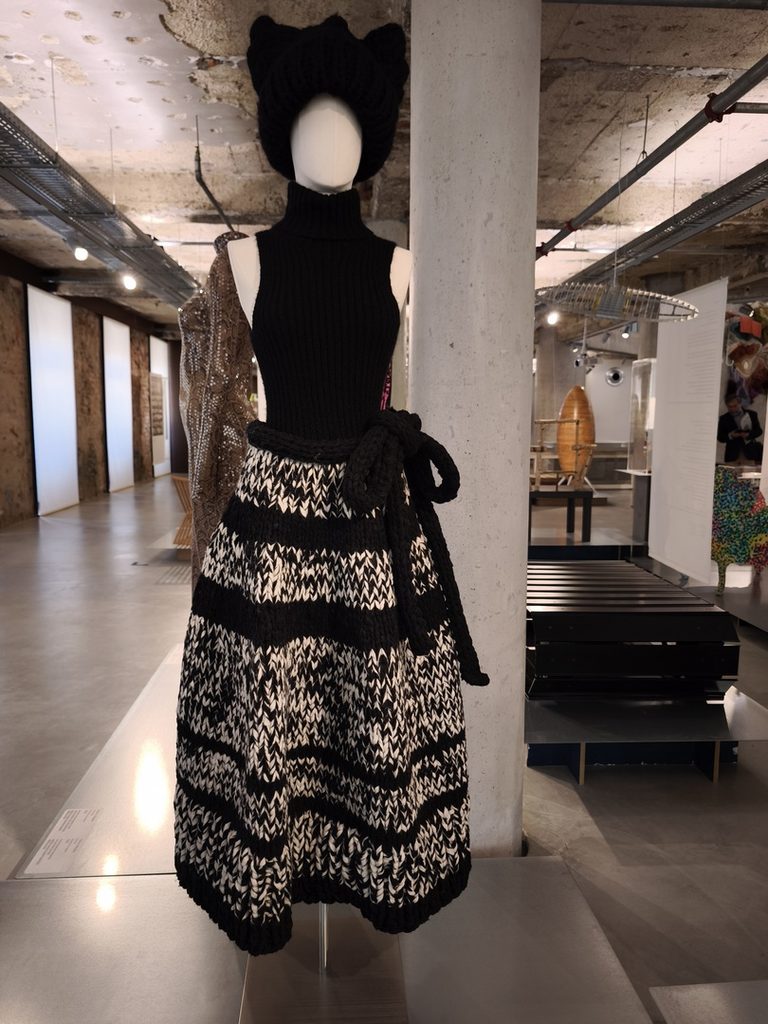
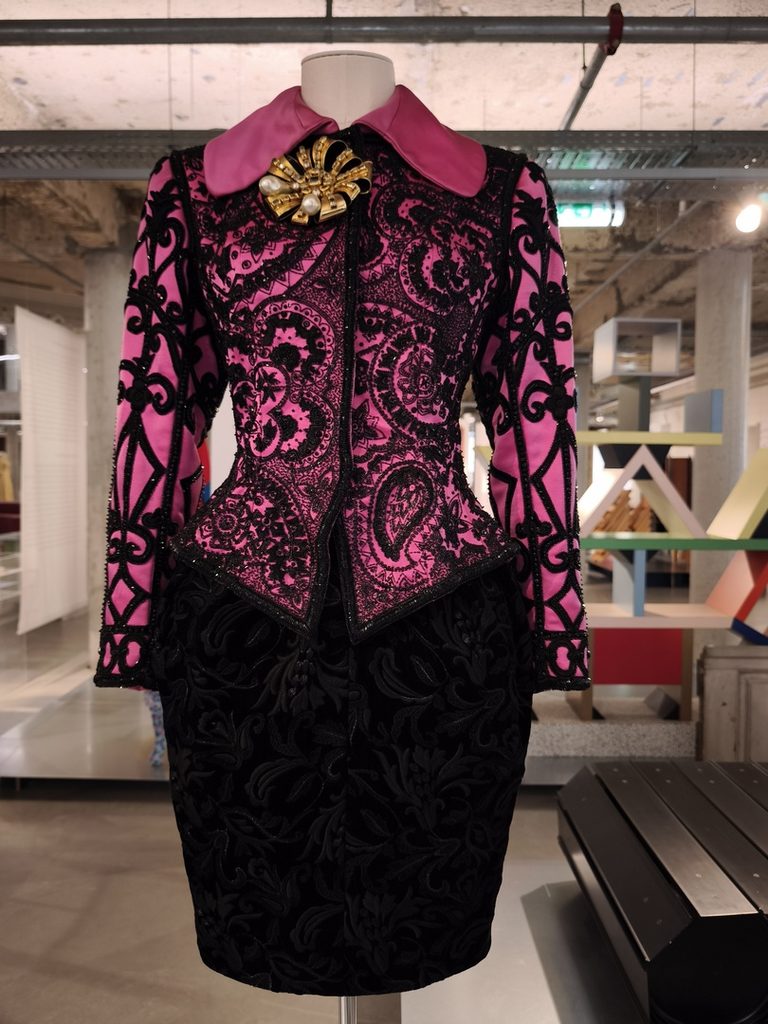
Fashion also holds a prominent place with designers who have revolutionized the way we dress, such as Christian Dior, Paco Rabanne, Issey Miyake, Yves Saint Laurent, Thierry Mugler and Jean Paul Gaultier. Their creations coexist with those of Portuguese stylists, notably Ana Salazar and José António Tenente. The silhouettes reflect the evolution of the clothed body, the emancipation of women, the experimentation with new materials and the questioning of conventions. In March 2026, the museum renewed this part of its exhibition by presenting 51 new outfits. This rotation is necessary for the preservation of the pieces, but also allows for a gradual discovery of the richness of the collections.
«What are things for?» an exhibition that asks questions
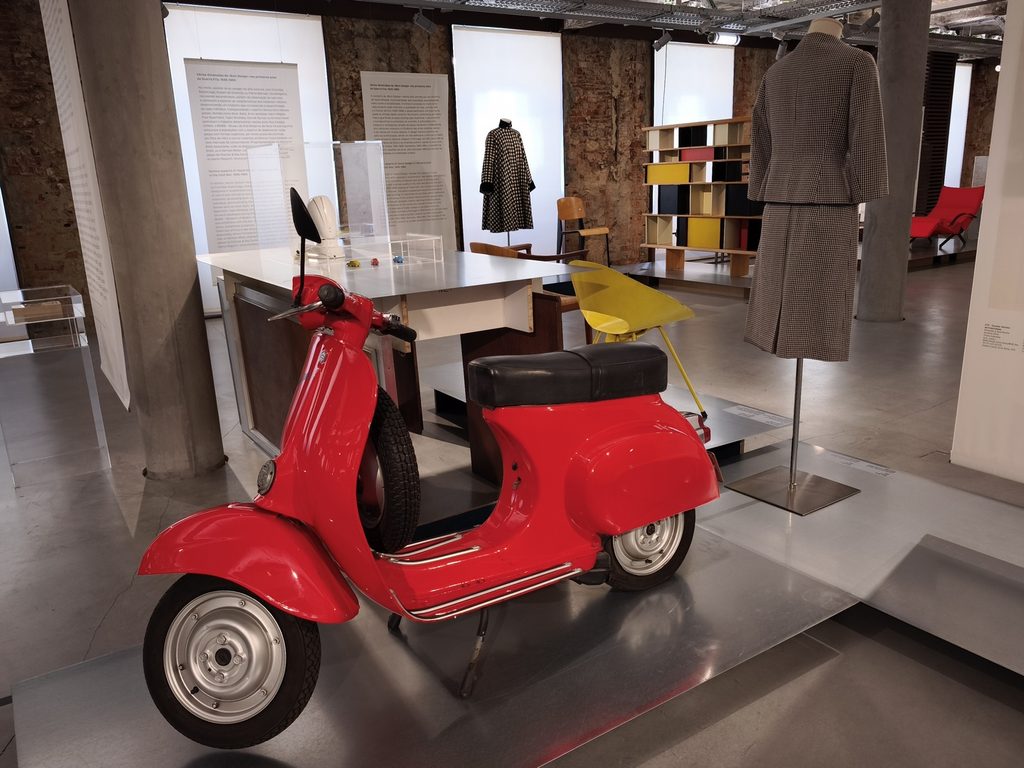
This is precisely the question raised by the museum’s permanent exhibition, entitled What are the things for? («What are the things for?»). Rather than presenting the objects as isolated works of art, the exhibition invites the visitor to understand why they were designed, how they were made, and how they were used. This approach also leads to thinking about their future. For design is no longer limited to inventing seductive forms: it must now deal with the scarcity of resources and the environmental consequences of industrial production. The MUDE is indeed applying this reflection to its own scenography, reusing materials recovered during the renovation of the building. This is a way of bringing the circular economy into the exhibition rooms.
An architectural heritage to discover
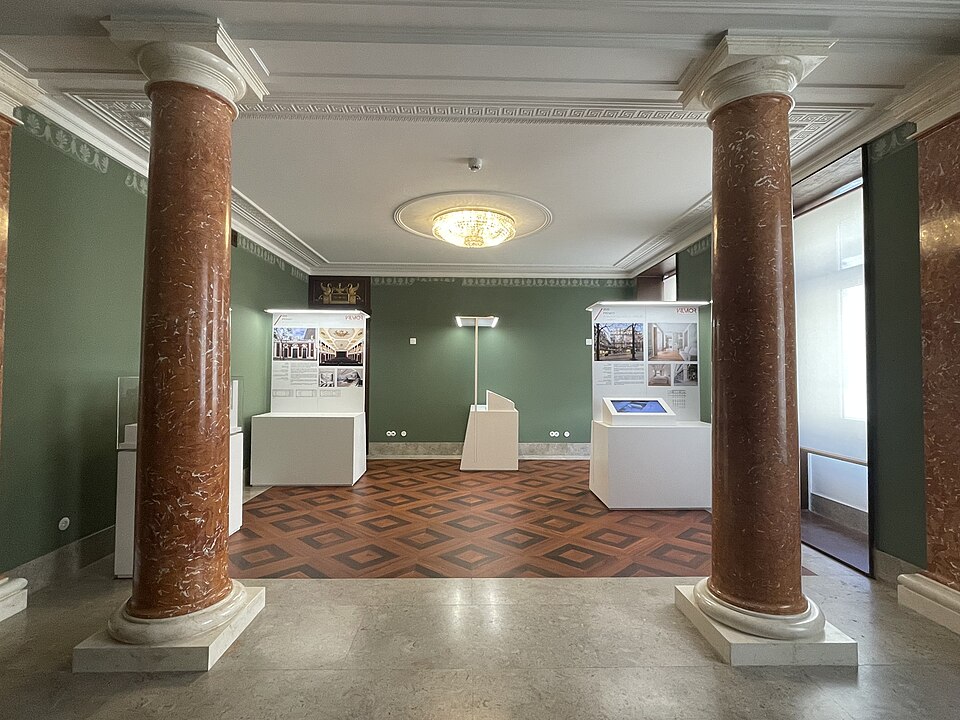
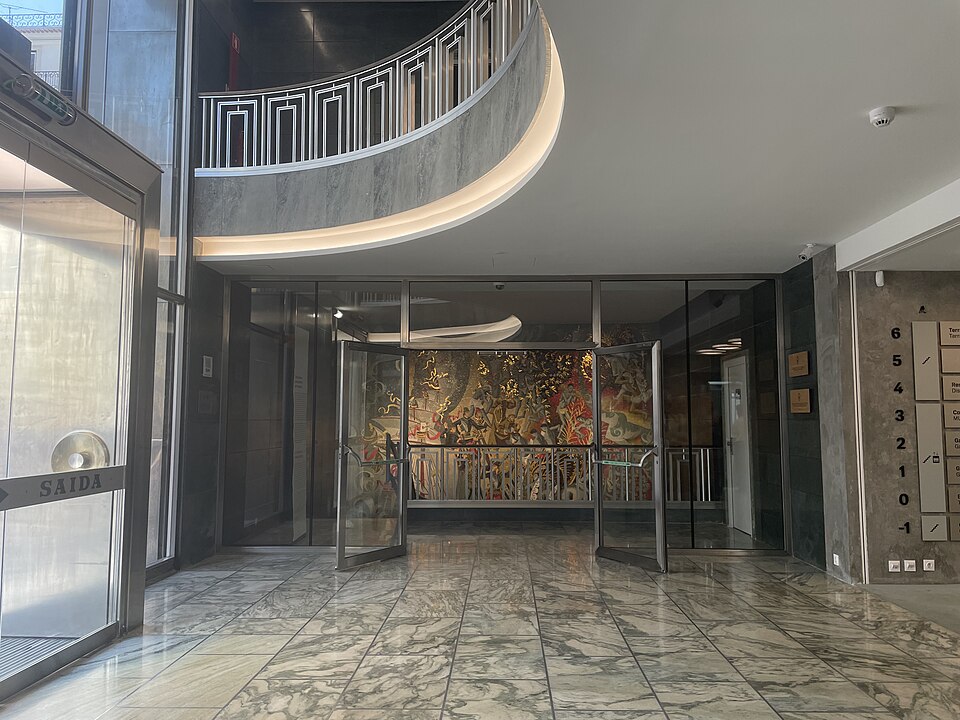
The museum also has some surprises in store for architecture enthusiasts. Former bank vaults remain in place, along with other features that testify to another era: vault rooms, staircases, and the furnishings and lighting that were once reserved for management. Restoration has notably preserved a room designed in 1964, which housed more than 3,000 individual vaults. As the floors are ascended, contemporary interventions blend in with these remnants without seeking to erase them. This coexistence is particularly interesting: it shows how a building designed for a financial institution, with its hierarchical spaces and controlled access, could become a cultural venue open to the public.
A museum focused on contemporary creation
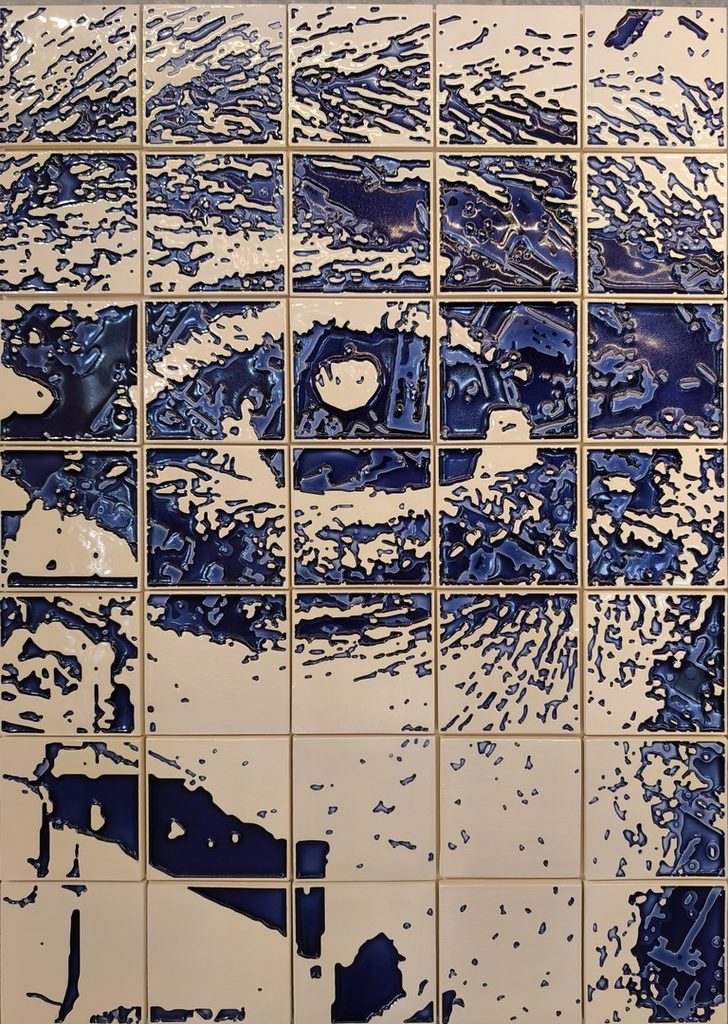
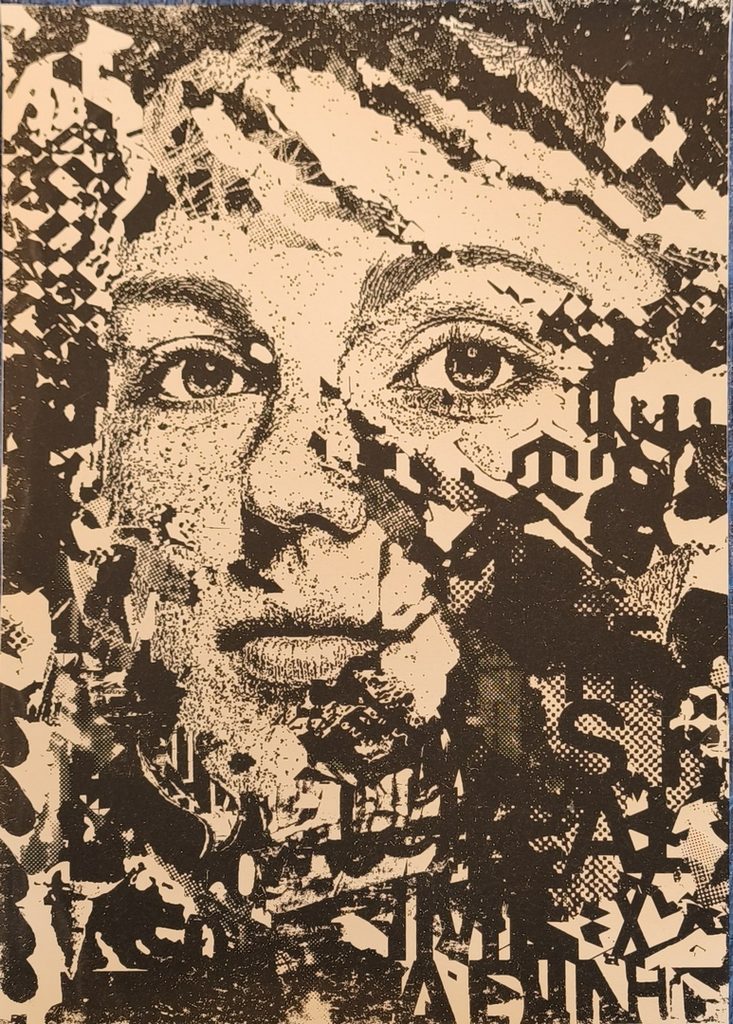
The MUDE does not just preserve the heritage of design. Its temporary exhibitions also explore photography, graphic design, the relationship between art and society, or the new practices of designers. Its programming has thus dedicated exhibitions to the Portuguese singer and composer. Antonio Variations, whose unconventional appearance marked popular culture, to the Portuguese graffiti artist Alexandre Farto aka Vhils and to Paulo de Cantos, Pedagogue and creator of unique graphic works. Through this diversity, the museum defends a conception of design that is not reduced to luxury or collector’s items. It reminds us that each era invents its own forms, uses, and visual codes. And that an object, however modest it may be, can say a lot about the society that produced it.
Practical information
MUDE – Museum of Design
Rua Augusta, 24,
Lisbon, district of Baixa.
Winter hours (October to March): Tuesday to Thursday and Sunday from 10 am to 6 pm; Friday and Saturday from 10 am to 8 pm. Closed on Mondays.
Text and Photos : Brigitte Postel otherwise.
Photo opening : Gabriel Fernandes/Commons. Charlotte Perriand's Mexico Library, 1952.