
The exhibition held at the Musée de la Toile de Jouy pays a heartfelt tribute to the work of the great artist Amédée Couder, to whom we owe a new style and a new way of conceiving the famous textiles, whose millennia-old roots lie in the India of the Maharadjas and the Persia of the Chahs. Under the pen of this pioneer, the «Indiennes» enter the era of the textile industry head-on.
Table of Contents
Where, in the past, the motif was not adaptable and reproducible, resulting in a unique work of art, we are now seeing canvases painted and drawn in quantities finally accessible to a larger number of people. An artistic revolution!
The «Kashmir» project is a whole program: Paintings that fascinate and make you dream
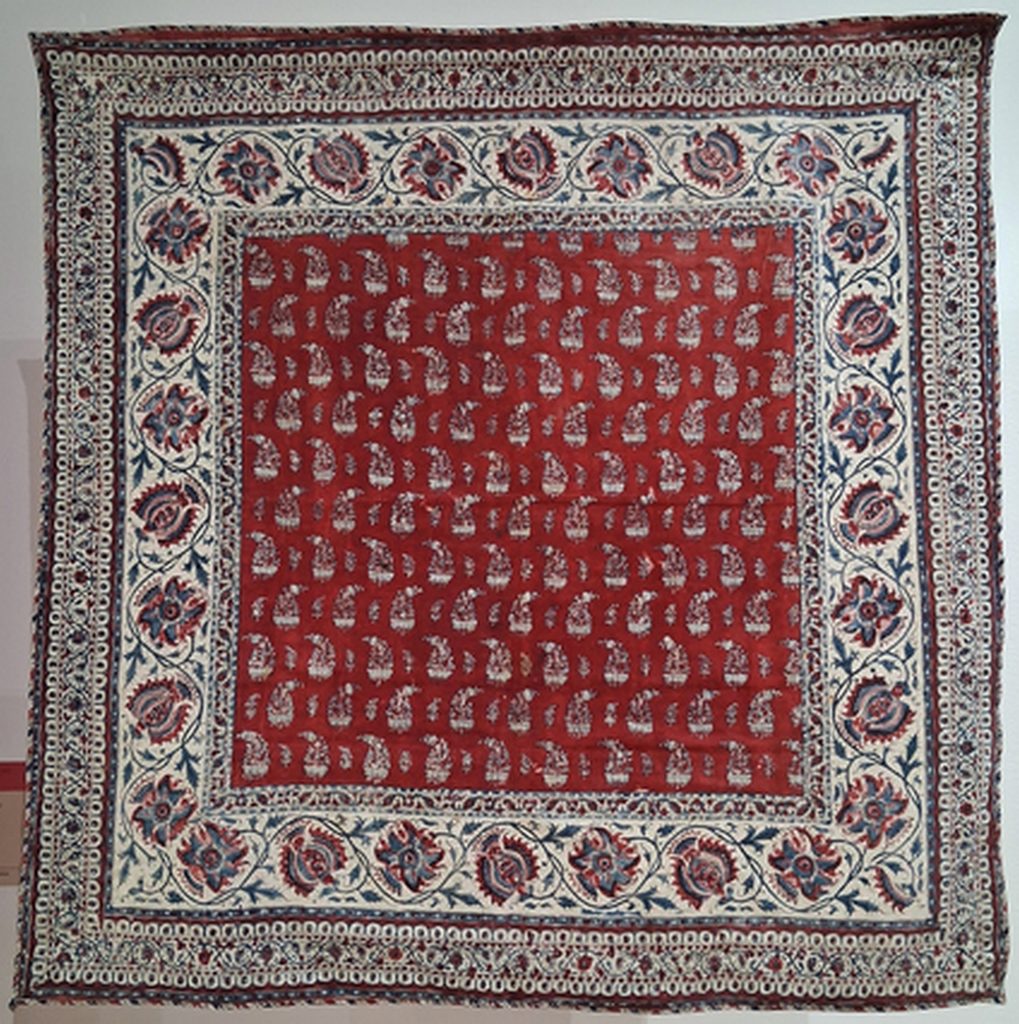
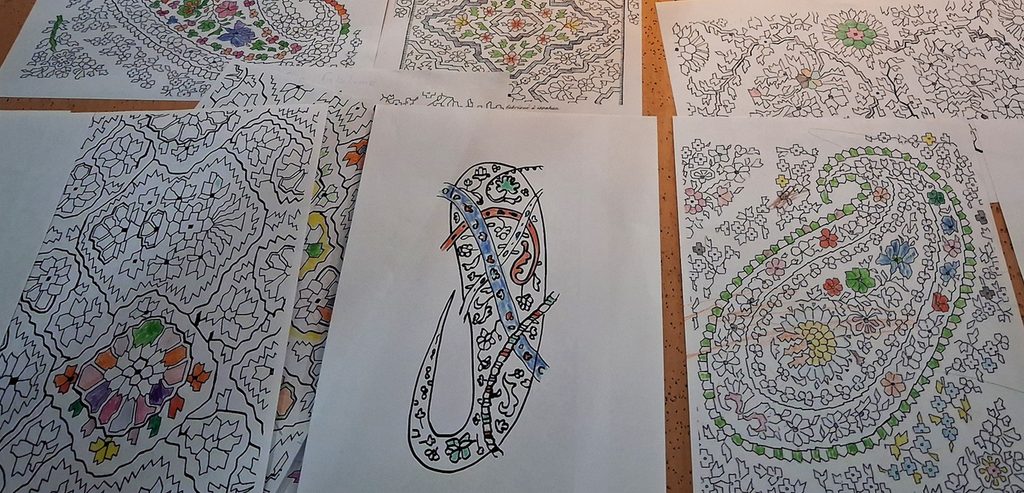
These fine wool scarves from the region of Kashmir have been arriving in Europe from India since the 17th century; they dazzle with the richness of their designs. They will bear the name of their place of origin as a prestigious signature.
Thus, the «Indiennes», painted or printed fabrics, manufactured in Europe from the 17th to the 19th century, were initially imported from the India Company.
They found a prominent place in the manufacture of Jouy-en-Josas, founded in 1760. Christophe Philippe Oberkampf, the master of the place and creator of the Toile de Jouy, contributed greatly to the production of a universe of paintings featuring characters, with rural scenes or floral motifs illustrating the return to nature advocated by Jean-Jacques Rousseau. We are also seeing a return of nature close to that of Marie-Antoinette, joking around Trianon with its little sheep. The Kashmir story told in the French way!
The change in chromatic register will come with the tones of the « Red Garance »and the « Red Cochenille ». We didn't lose anything by waiting for new dazzles.".
The «Châle» in the Amédée style: A double revolution in both form and technique
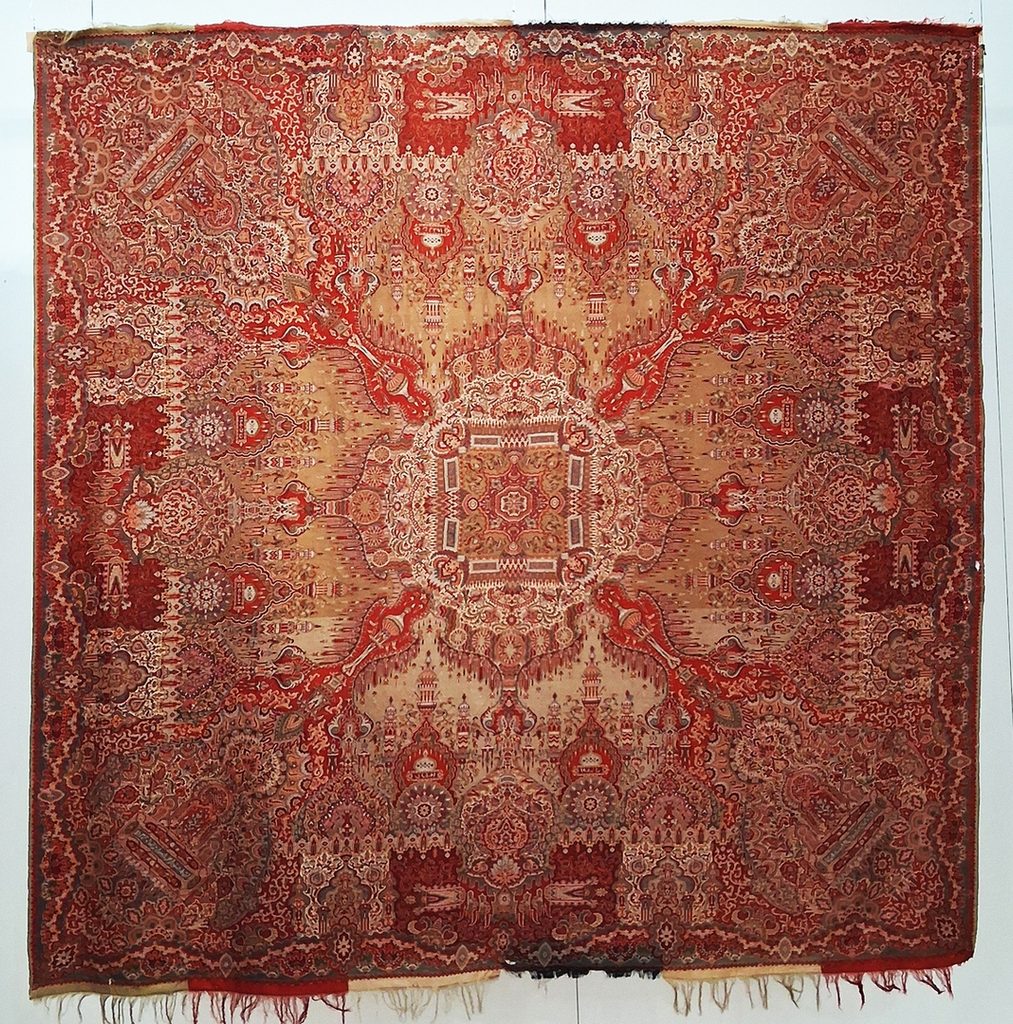
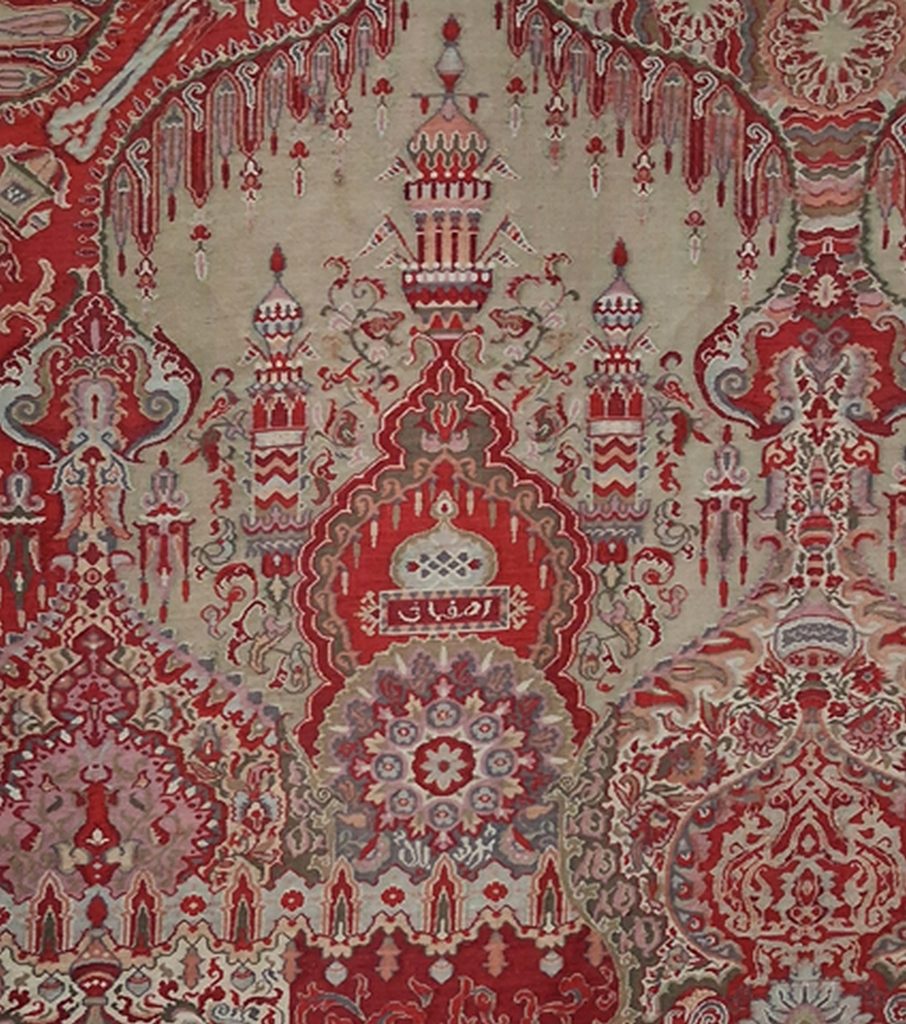
As soon as we entered the exhibition, we were greeted and passed by the giant portrait of Amédée Couder, erected in front of us as the host of the exhibition, welcoming us, and we were immediately stopped by a work of iconographic quality that was out of the ordinary.
A large-format «Cashmere Shawl» presents itself with elegance and nobility. This fabric was created from a drawing by the artist shortly after the creation of his workshop for the manufacturers of the time.
The inspiration, in contrast to the traditional decor of the «tear» or the boteh (Batha, or «bouquet» in French), would have drawn its inspiration from Persian illuminated manuscripts in the Royal Library (1).
An originality that would earn him immediate recognition and fame from the moment of his exhibition in 1834. The composition then took up architectural motifs typical of minarets, domes, and flowerbeds that resonated in harmony with those of the legendary Iranian city of Shiraz.’Isfahan.
The latter, under the reign of Chah Abbas the Great, was at the Perse What it was Versailles under the reign of Louis XIV, A symbol of power, refinement and universality placed under the sign of humanism.
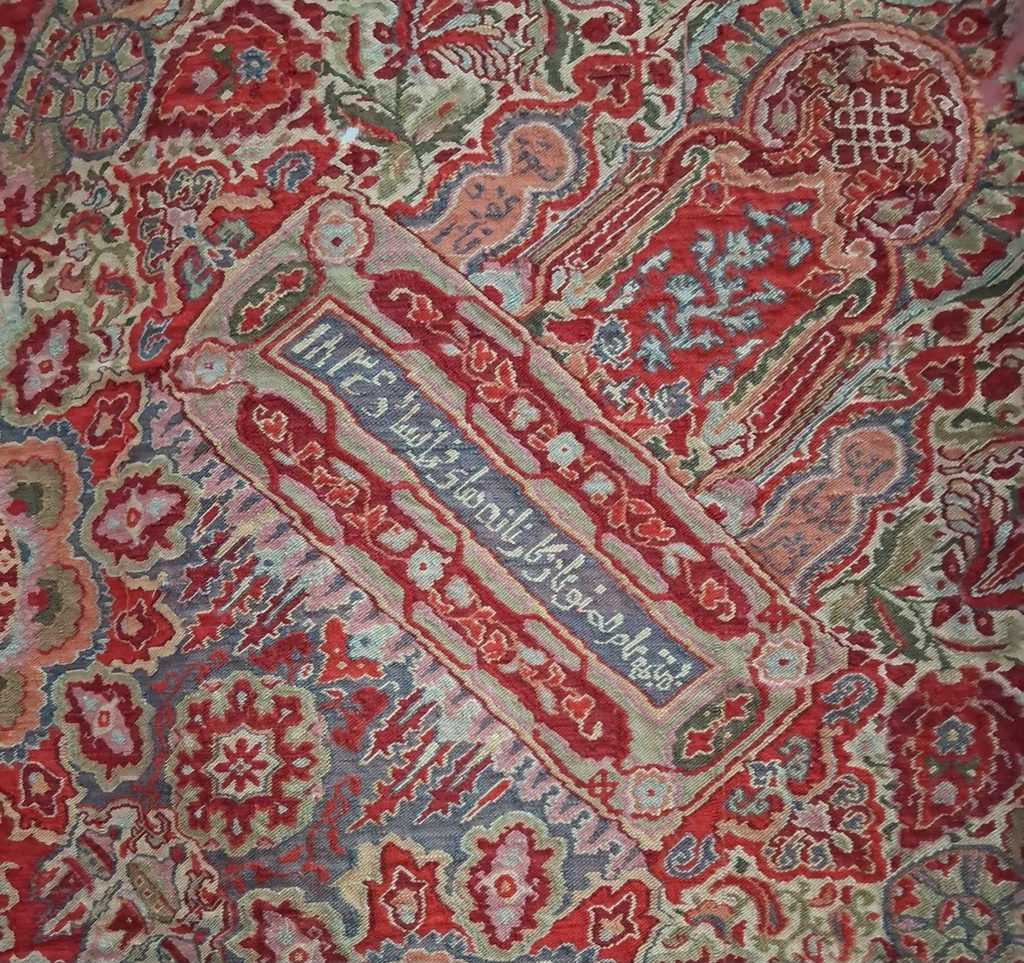
The formal revolution will not stop there, as we can also observe the presence of several signatures, instead of one, bearing the artist’s name, which has traditionally been located on the edges of the textiles.
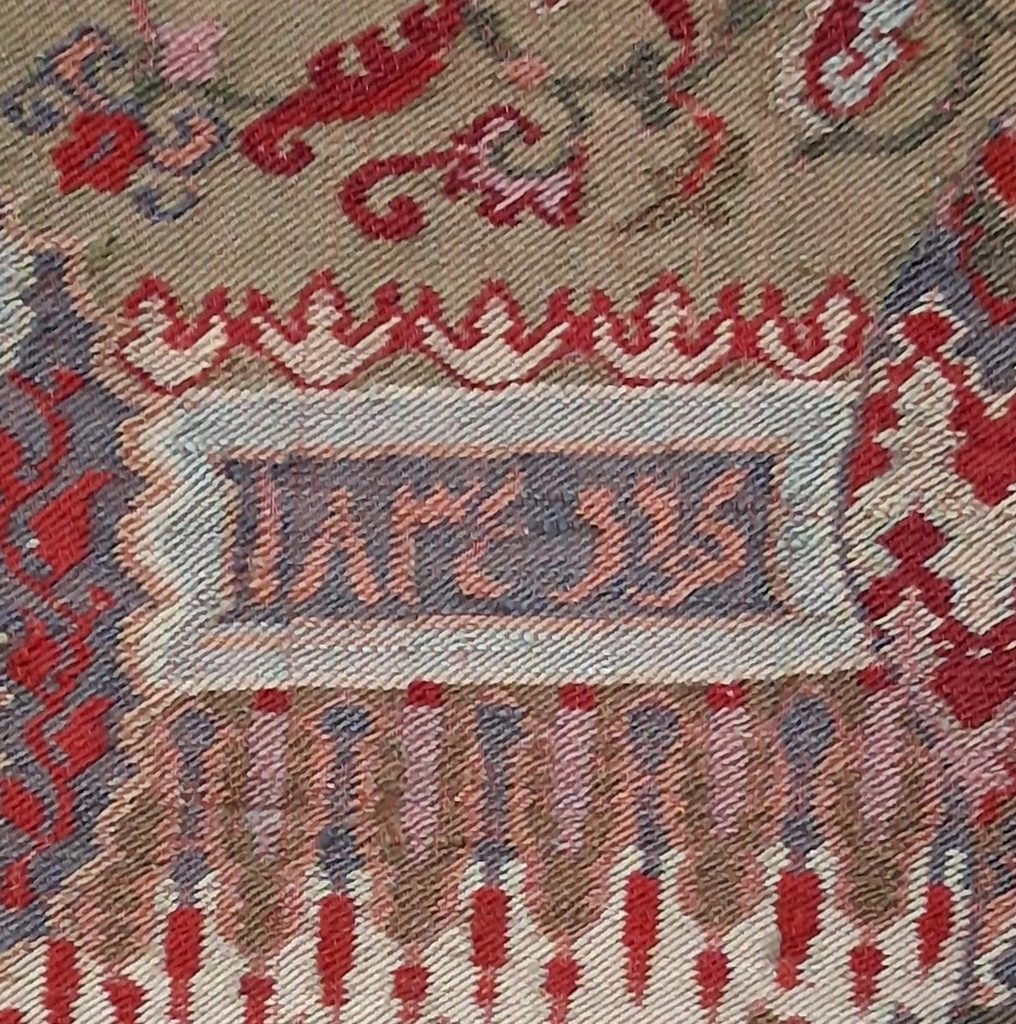
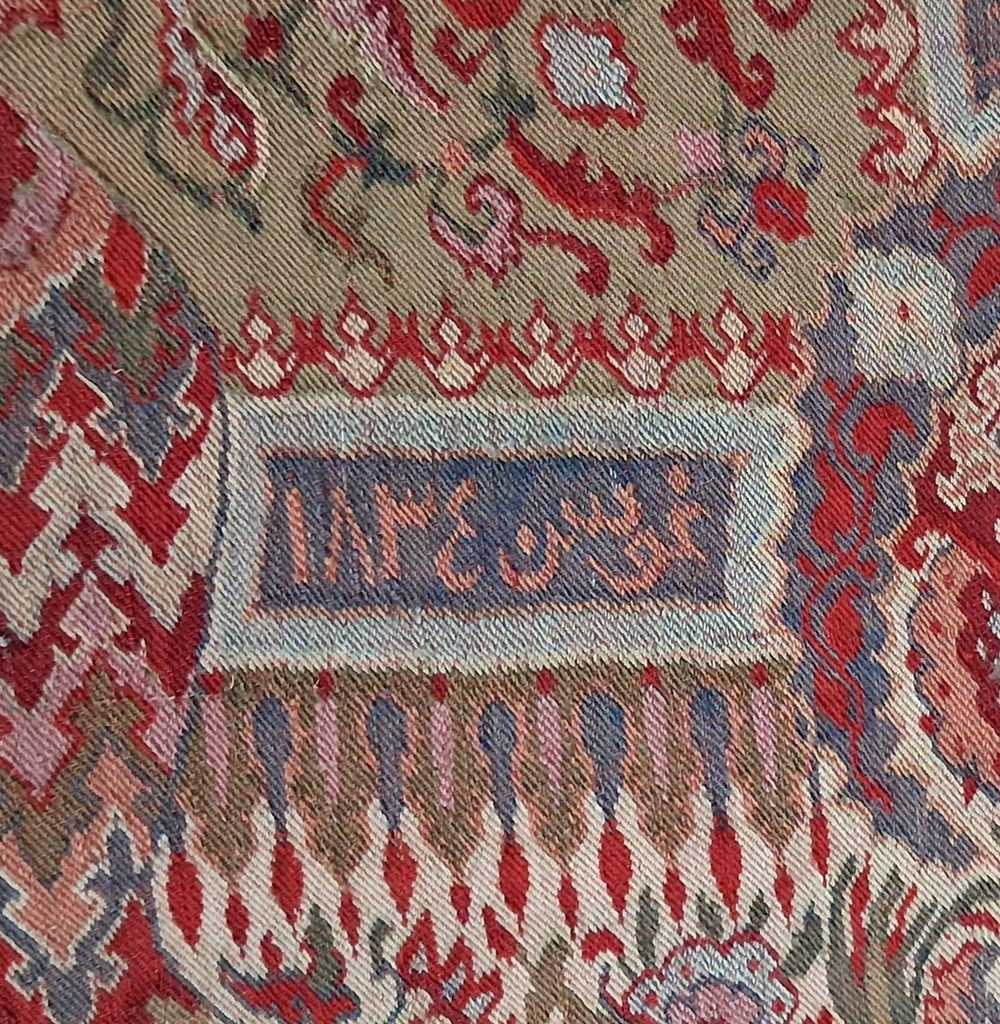
Here we discover the repeated signatures «Couder» and «Gaussen»; the latter reminds us of the contribution to the project of the shawl from the Manufacture «Gaussen Aine et Cie». Likewise, the date «1834» appears recurrent, corresponding to the date of the creation of the work.
From prosperity to poverty: A star that shines then fades into oblivion
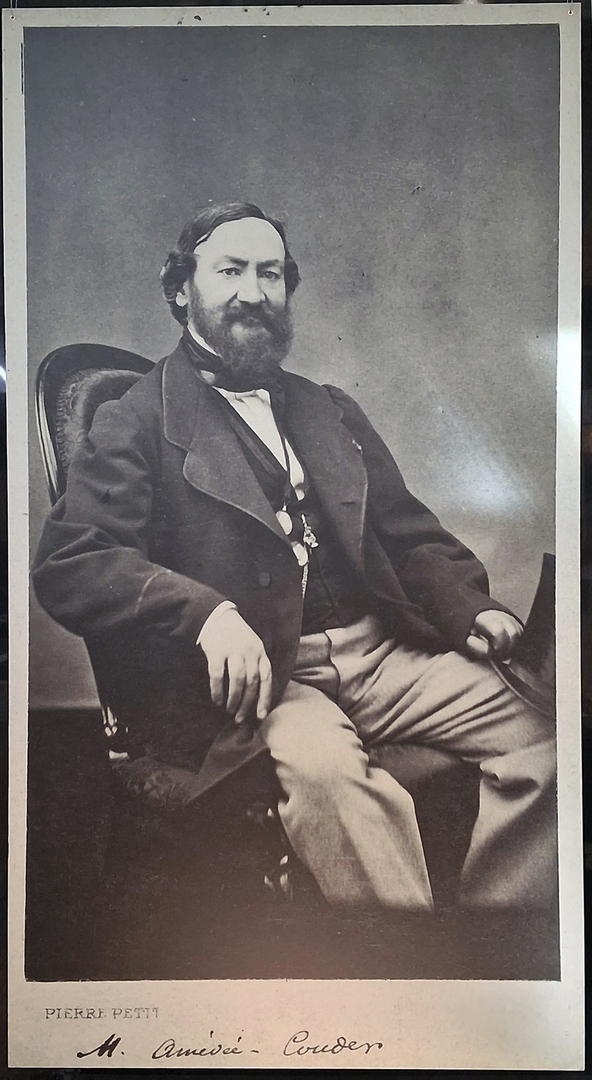
Portrait of Jean-Baptiste Amédée Couder (1800 – 1864). The portrait by Pierre Petit, which stands in the center of the exhibition, does justice to the man who marked the history of decorative arts by popularizing the cachemire motifs. More than sixty of his works and archives are on display at the Museum of the Cloth of Jouy.
The young Amédée, born in 1800, at the very beginning of the century, worked very early on, at the age of 10, in his father’s workshop. He was noticed and his talent was soon noticed by the French manufacturers, including Oberkampf, the master of the prestigious manufacture.
It was in 1822 that the draftsman would become his own boss with a well-stocked order book. In 1830, his workshop would be dedicated to drawing for the sole use of the manufacturers. He was then at the peak of fame and prosperity.
The fall would come with the economic crisis of 1848, marking the end of his unique career. He would die in Paris in poverty and obscurity in 1864.
The «Goutte» that will overflow from manufactures and continents: A motif of Indian textiles that has become universal
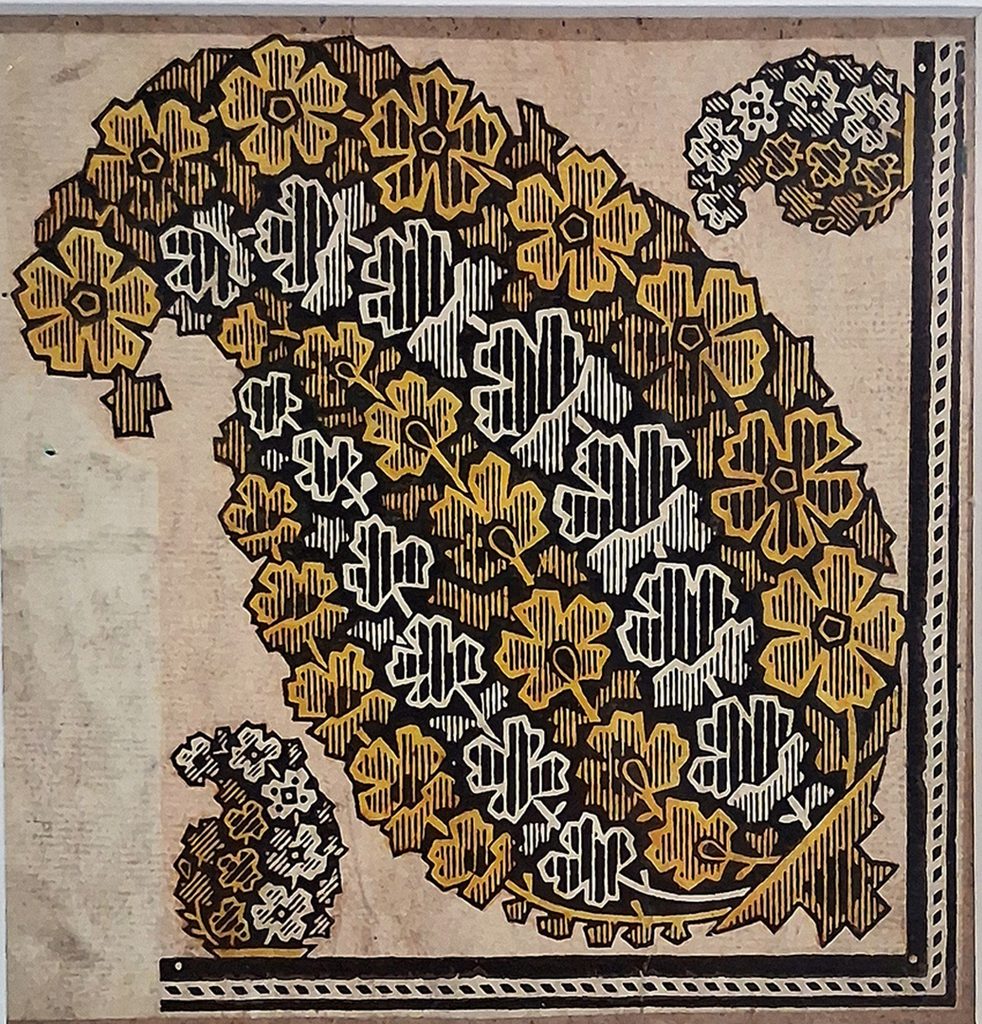
To summarize: The cashmere motif, which would become a genre in its own right, especially in the workshops in Jouy-en-Josas and Alsace, to be sold at fairs by itinerant merchants, has undergone a whole evolution as it traveled from the East to the West.
Originally, Kashmir referred to a region in northern India. The textile produced in the Himalayan region in question would be named after the fiber that makes it up. Thus, the «cashmere» fiber would give its name to the fabric, then to the design, and then to a much broader typology of textiles.
The wool fiber in question comes from goat down raised in Kashmir. It was with this highly fine material that the shawls worn in Asia by princes and sultans were woven.
The centuries that followed saw them find a new existence in the West, in the form of diaries, which were part of ladies' daily grooming.
1 – The National Library of France (BnF), a distant heir to the bookshop of Charles V and Charles VI, had a rich and sometimes turbulent history. Originally called a bookstore and then a library of the king during the Old Regime, it became the library of the Nation in 1790, Before being designated, during the changes of regime, it was first an imperial library, then a royal library, and finally a national library. 1849, Once again imperial and definitively national in 1871.
For more information
Exhibition From June 19, 2026 to January 10, 2027
Museum of the Jouy Cloth
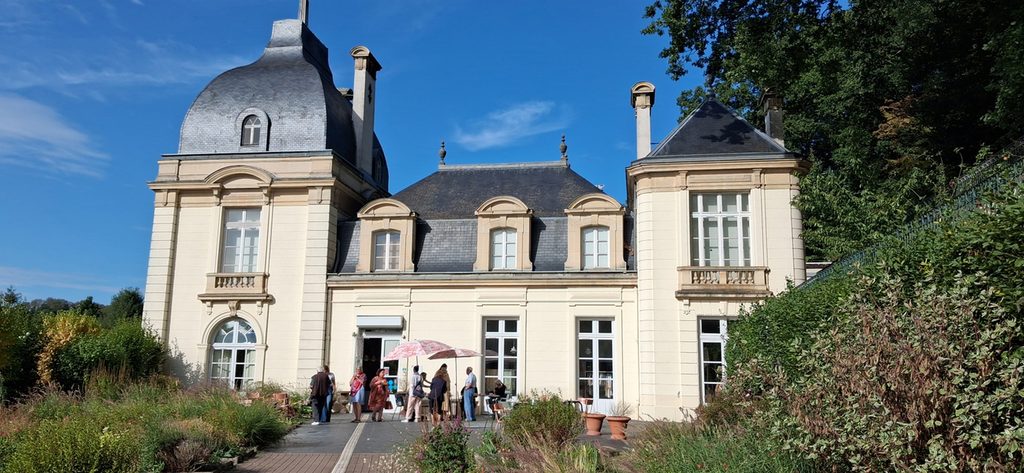
Château de l’Eglantine
54 rue Charles de Gaulle
78350 Jouy-en-Josas
Text and Photos : Reza Afchar Naderi
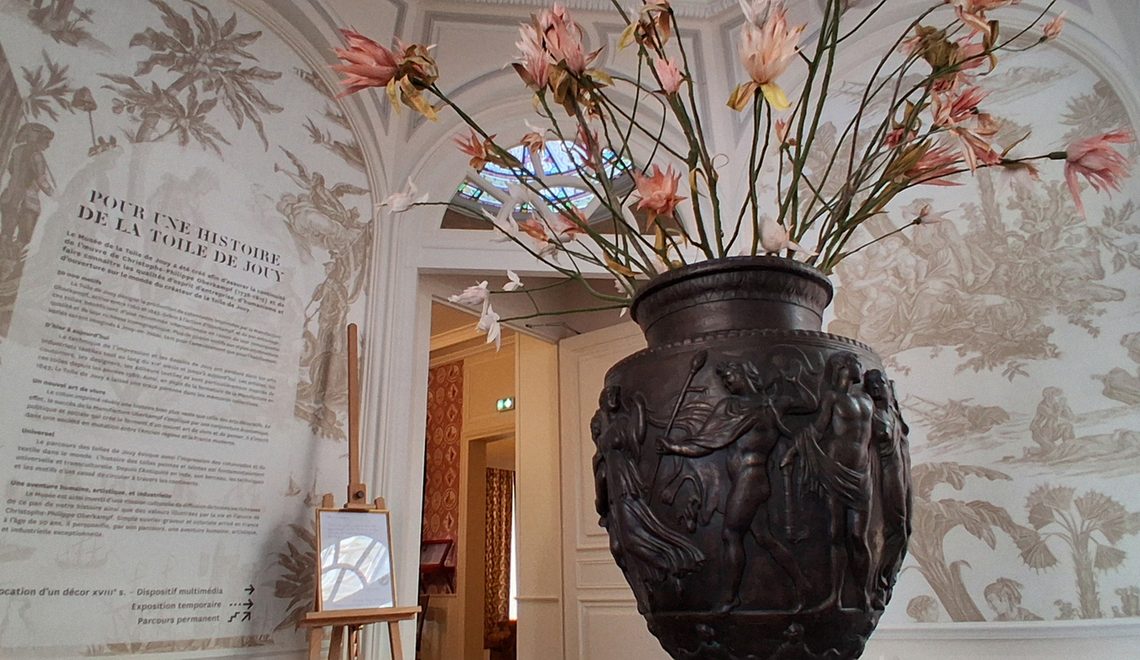
Photo legend: The decor of the Musée de la Toile de Jouy is typical with scenes in the style of the «Indiennes», illustrating distant voyages or famous stories against a monochrome background.