
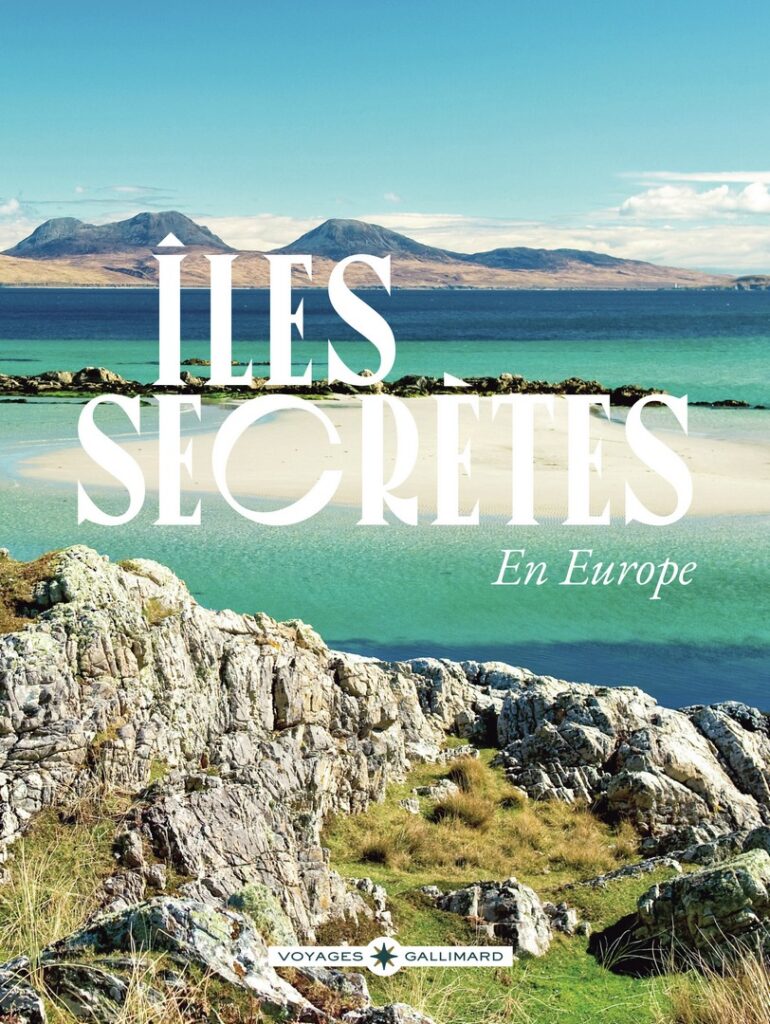
What if the luxury of travel now lay in finding an island that hardly anyone has heard of? Whilst Santorini, Capri, Mykonos and Ibiza are buckling under the weight of their fame, Secret Islands in Europe, published as part of Gallimard’s Voyages series, sets sail for more off-the-beaten-track destinations. Fifty islands and archipelagos make up this astonishing European journey, with one promise: to rediscover the thrill of exploring new places without necessarily having to travel to the other side of the world.
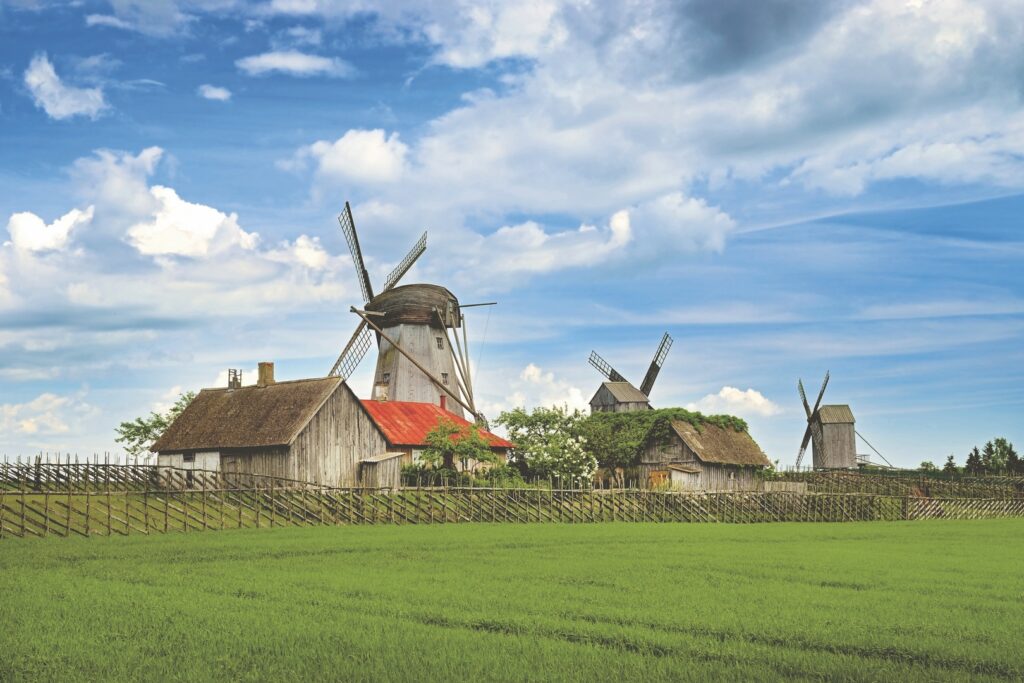
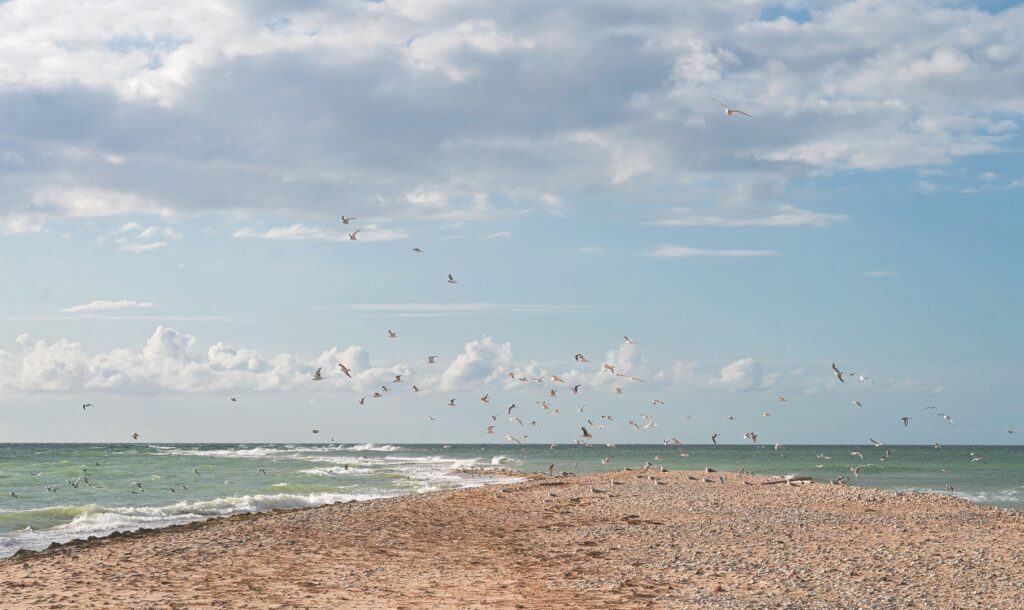
The journey is a vast one. It takes us from the cold waters of Norway to the lights of the Aegean Sea, from the Atlantic coast to the shores of the Baltic, with a few unexpected detours to the islands of the Italian and Finnish lakes. Along the way, we discover San Giulio, a tiny island perched on the Lake Orta, but also Saaremaa, in Estonia, and many other places that have remained in the shadow of the major tourist destinations.
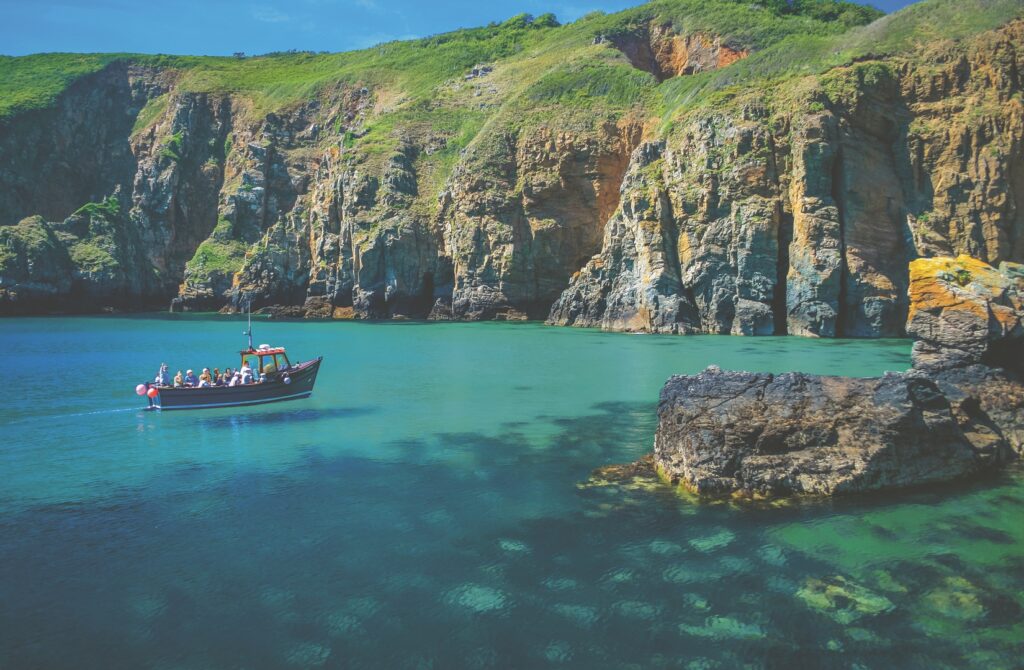
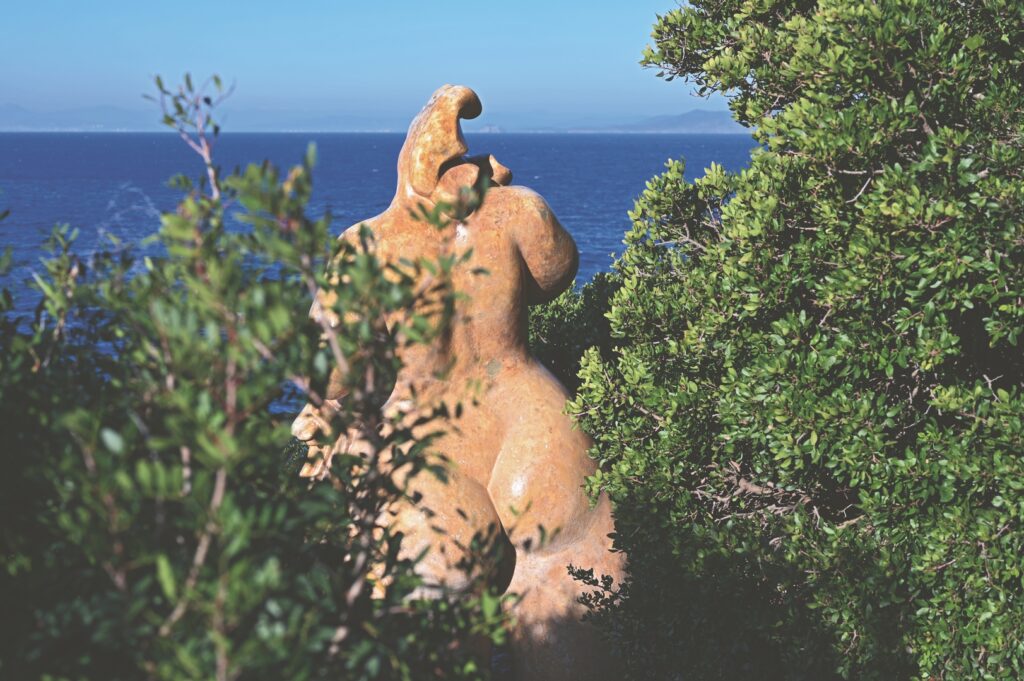
The book’s appeal lies precisely in this diversity. Here, there is no single model of a paradise island. Some are criss-crossed by cliffs, others covered in dunes or mountains; some boast turquoise coves, whilst others feature tiny harbours, volcanic landscapes or marine reserves. The island becomes once again what it perhaps should always be: a world in miniature, with its own geography, inhabitants and rhythm.
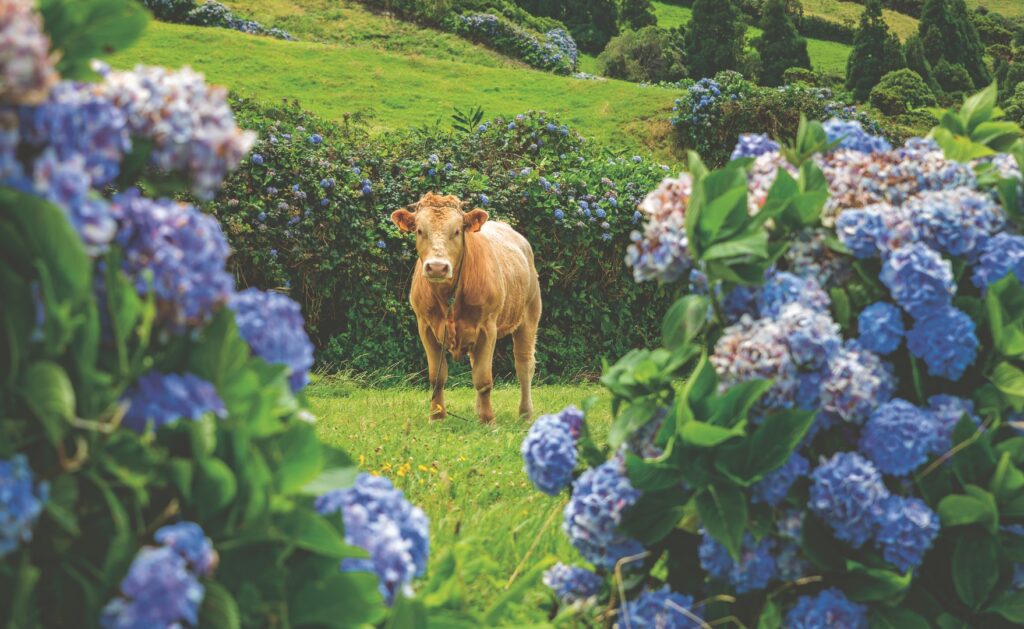
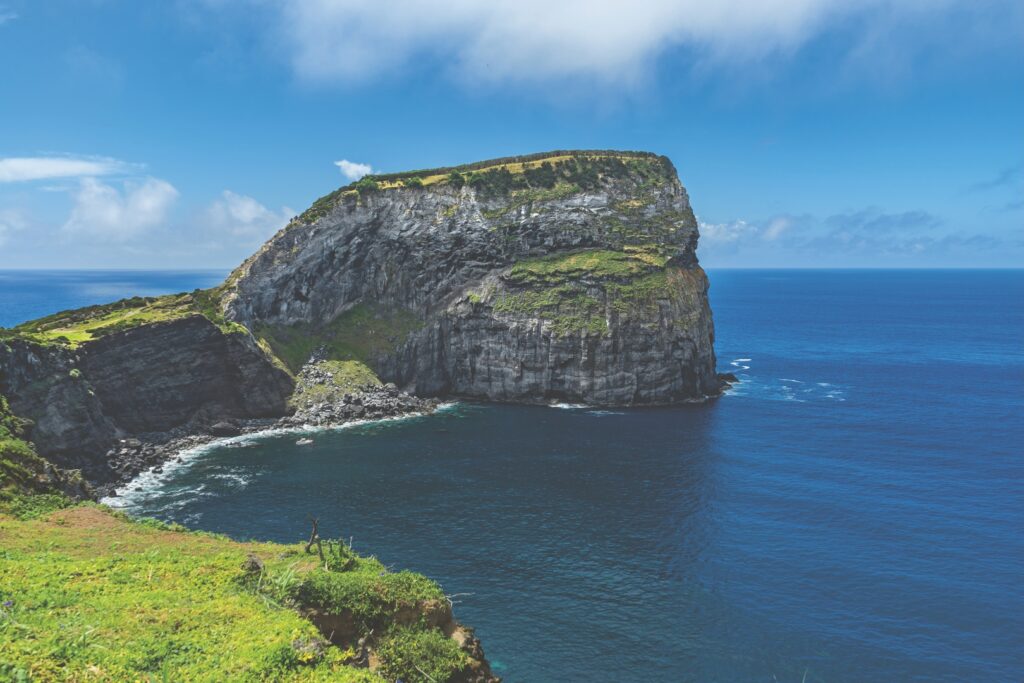
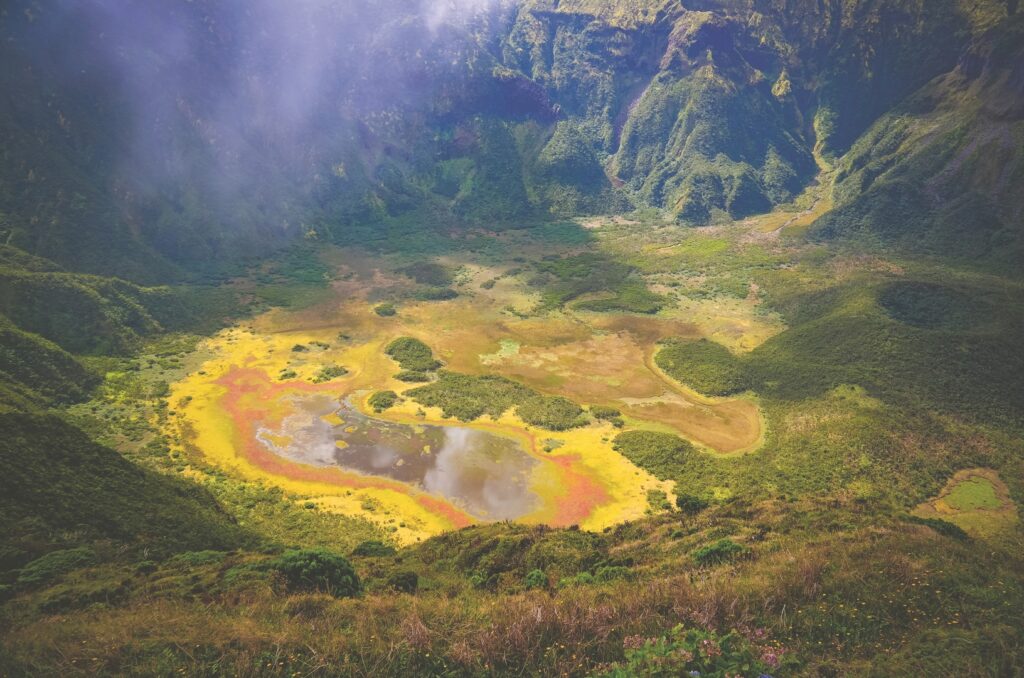
What’s more, the book does more than simply showcase beautiful landscapes. It makes you want to experience the islands for yourself: sleeping in a lighthouse on Île Vierge, living like Robinson Crusoe in the Croatian archipelago of the Kornati, set out with the fishermen from Solund, in Norway, or take a dip in the volcanic pools of Faial, in the Azores. All these experiences make this beautiful book an invitation to set off on a journey.
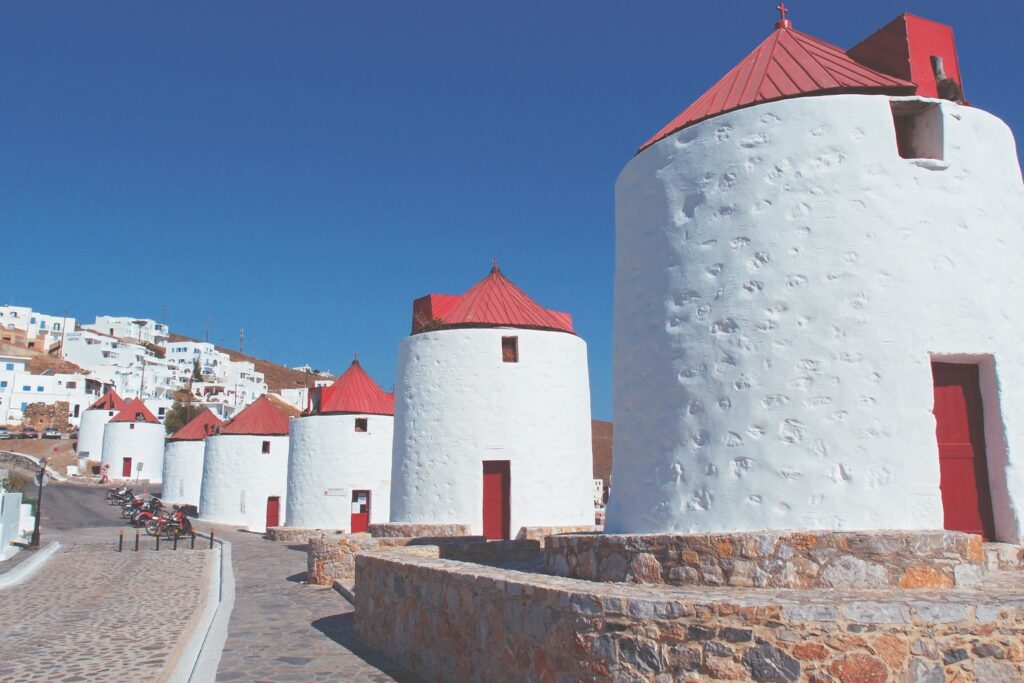
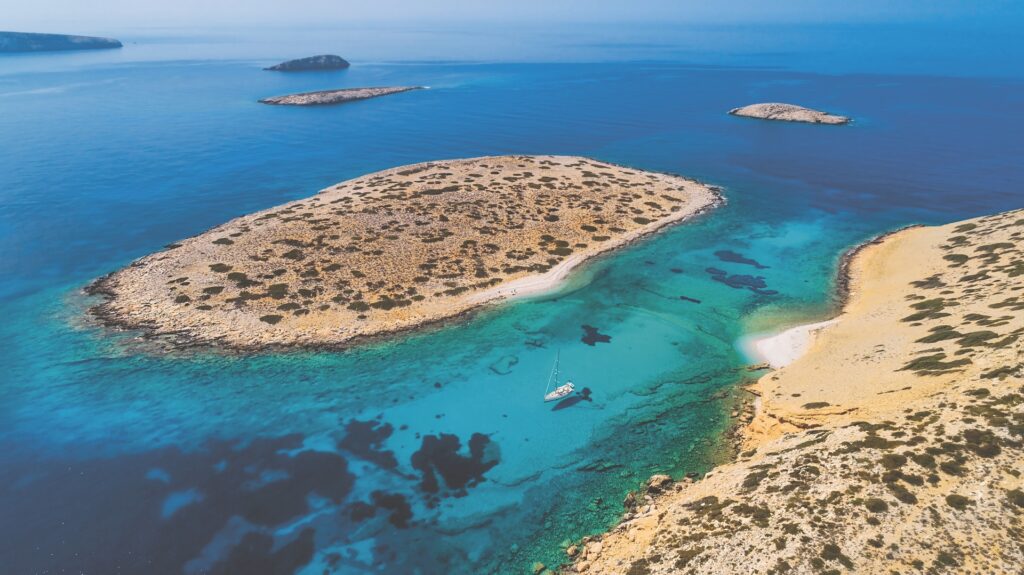
The rich illustrations obviously add a great deal to the enjoyment of reading. At first, you leaf through the book at random, drawn in by a photograph, a jagged coastline or a village nestled by the water’s edge; then you return to the maps and texts and, almost in spite of yourself, begin to imagine your next trip. The «practical» side is covered too: how to get there and get around, not to mention top tips for places to stay and eat.
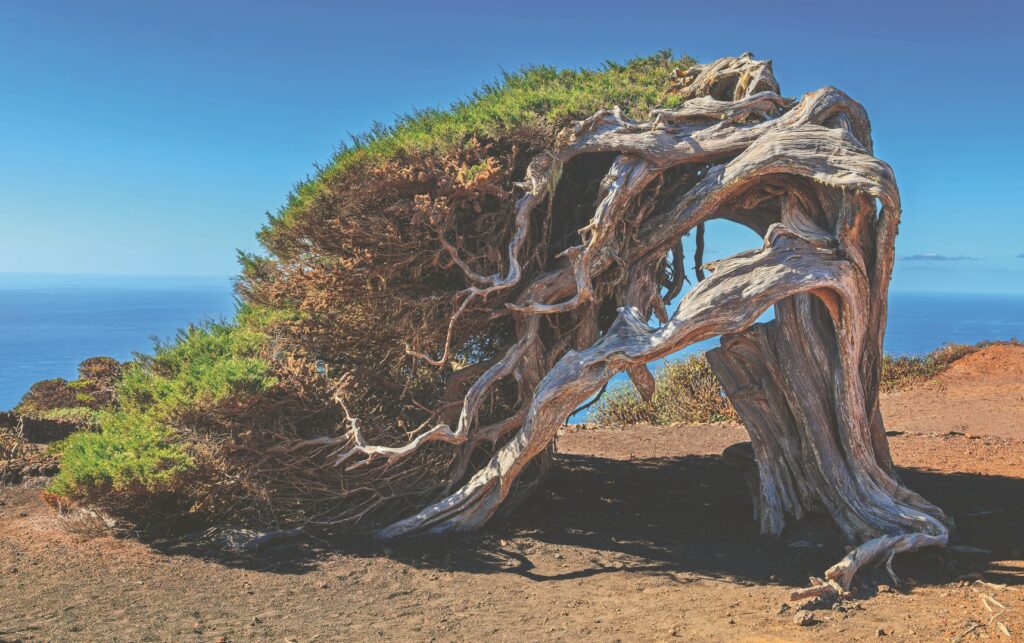
In this age of overtourism, Secret Islands in Europe is particularly apt. Not because it claims to reveal entirely unknown territories – a paradox inherent in any work devoted to «secret places» – but because it shifts our perspective. It reminds us that, alongside the star destinations, there remains an infinitely vaster insular Europe, where travel can still take the form of a crossing, a small harbour and a road that ends at the water’s edge.
Secret Islands in Europe – 50 ideas for getting away from it all
Various authors, Voyages Gallimard – Gallimard Loisirs