


In this land where the fire of volcanoes smoulders beneath the glaciers, the traveller discovers a wild and mysterious island, a setting of arid lava illuminated by boreal flora. Visit the Devil's Gardens.
It is the youngest land on our planet, barely 60 million years old. Located halfway between the Old Continent and America, this highly volcanic island is a condensed open-air geology lesson. An ever-evolving work of art where geysers, waterfalls, glaciers, basalt deserts and black sand beaches are ever-changing tableaux of untamed nature. Air, fire and ice are the artists.
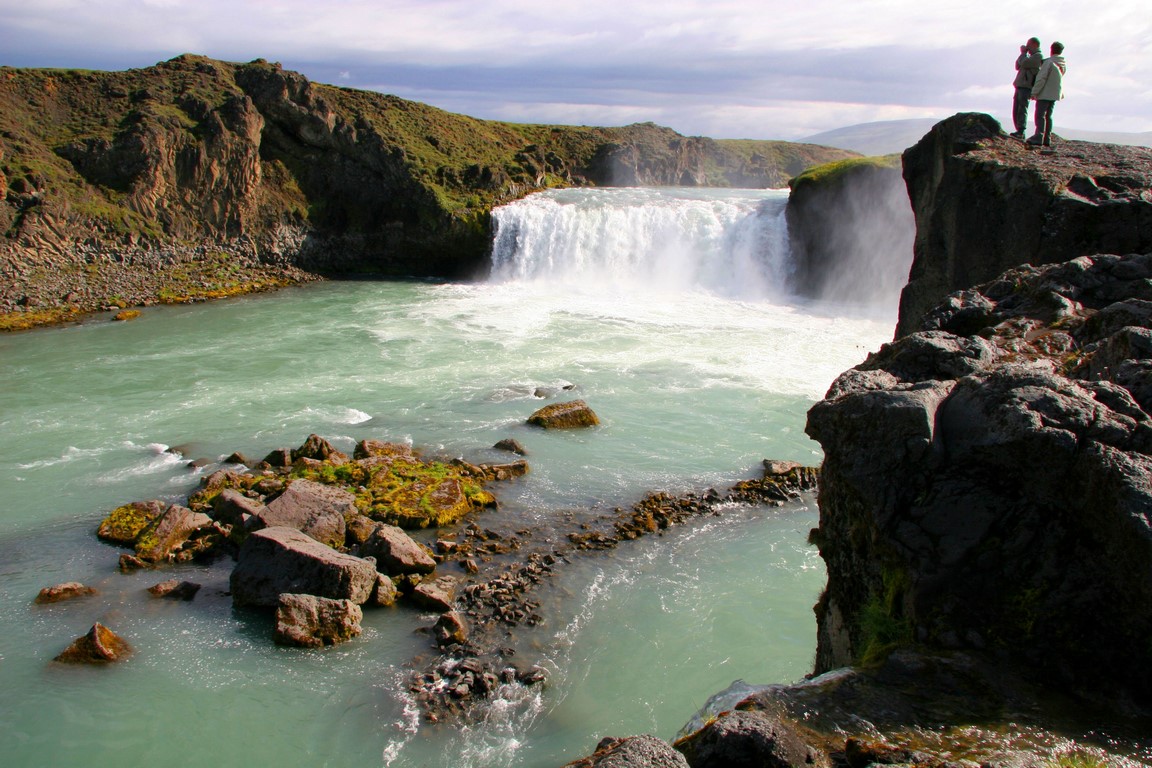
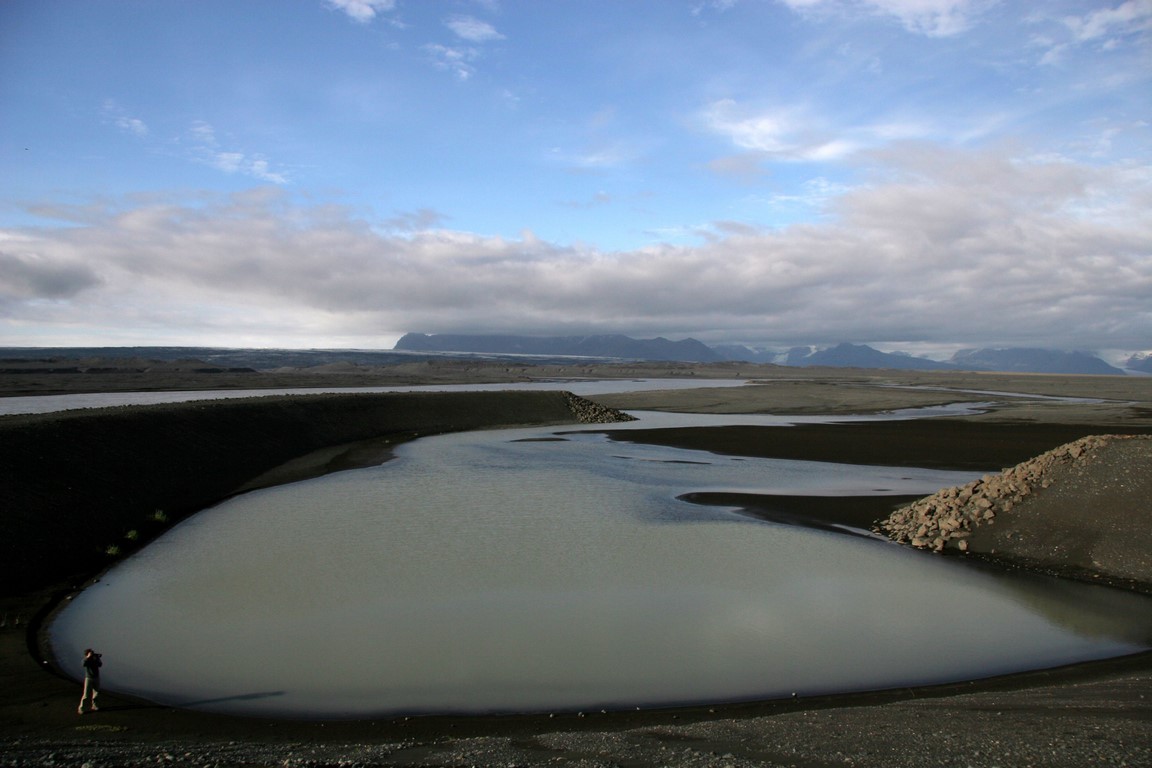
As you can imagine, arriving in Iceland is a bit like landing on another planet! As soon as you leave the airport, the environment is lunar. On either side of the road leading to the capital, Reykjavík, there are only fields of black lava as far as the eye can see. But what you notice most immediately is the absence of tree cover. There are, however, a few tiny patches of birch and rowan woodland that are pompously called "forests" here, but you have to look for them. There's an old local joke that if you want to see the edge of an Icelandic forest, all you have to do is stand up! These forests are part of a government reforestation programme and are even fenced off to protect them from the voracious sheep that roam freely around the island.
In these deserts of stone and ash, the smallest plant takes on the appearance of a pioneer.


First of all, there are the lichens, the first form of plant life. With 500 species counted, they are a major component of Icelandic flora. In the faults and chaos created by the collapse of viscous lava, fine particles of soil (loess) carried by the wind have been trapped in sufficient quantities to allow them to take root. This obstinacy of life can be found in the most unexpected places on the island. From the rocky coastline drenched in sea spray to the high plateaux of the centre, battered by the winds and biting rain. The best-known, the Arctic willowherb, pierces the stony beds of dry rivers, offering its rare purple flowers to passing visitors.

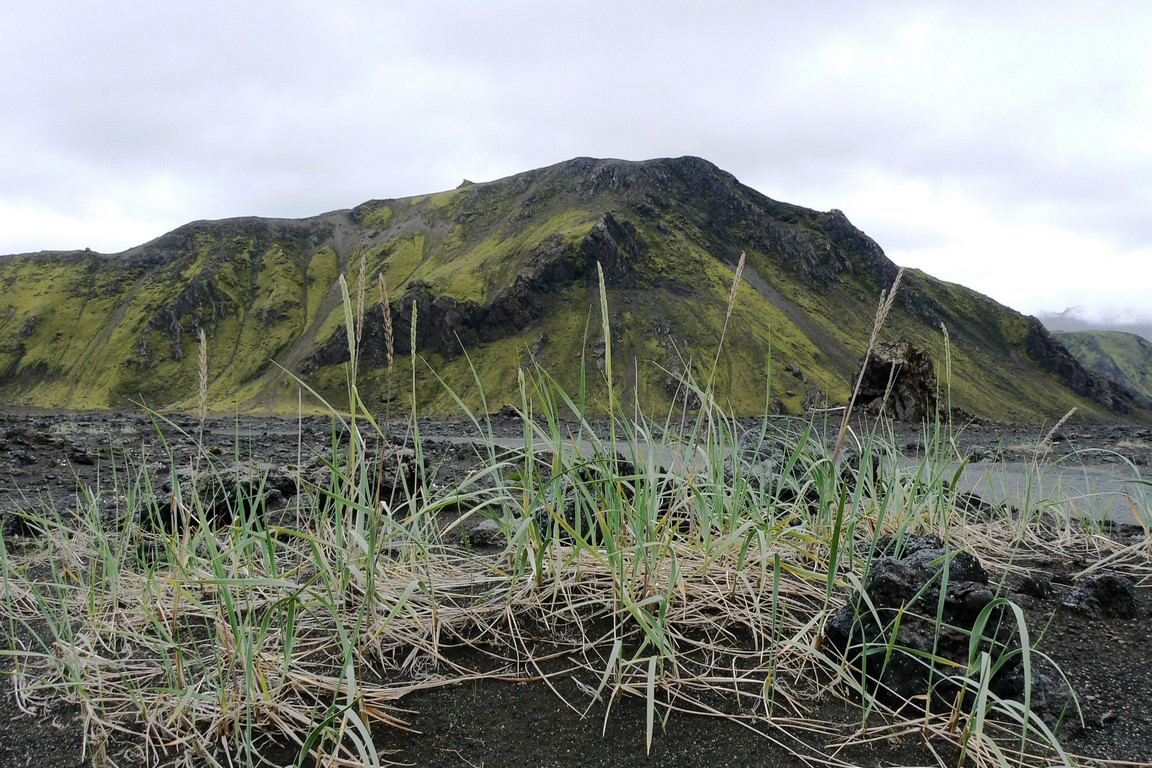
The northern green orchid, with its discreet fragrance, clings to the grassy slopes of the lowlands or the lava flows of the interior, while the sandy wild rye defies the arid ashes blown from the volcanoes.
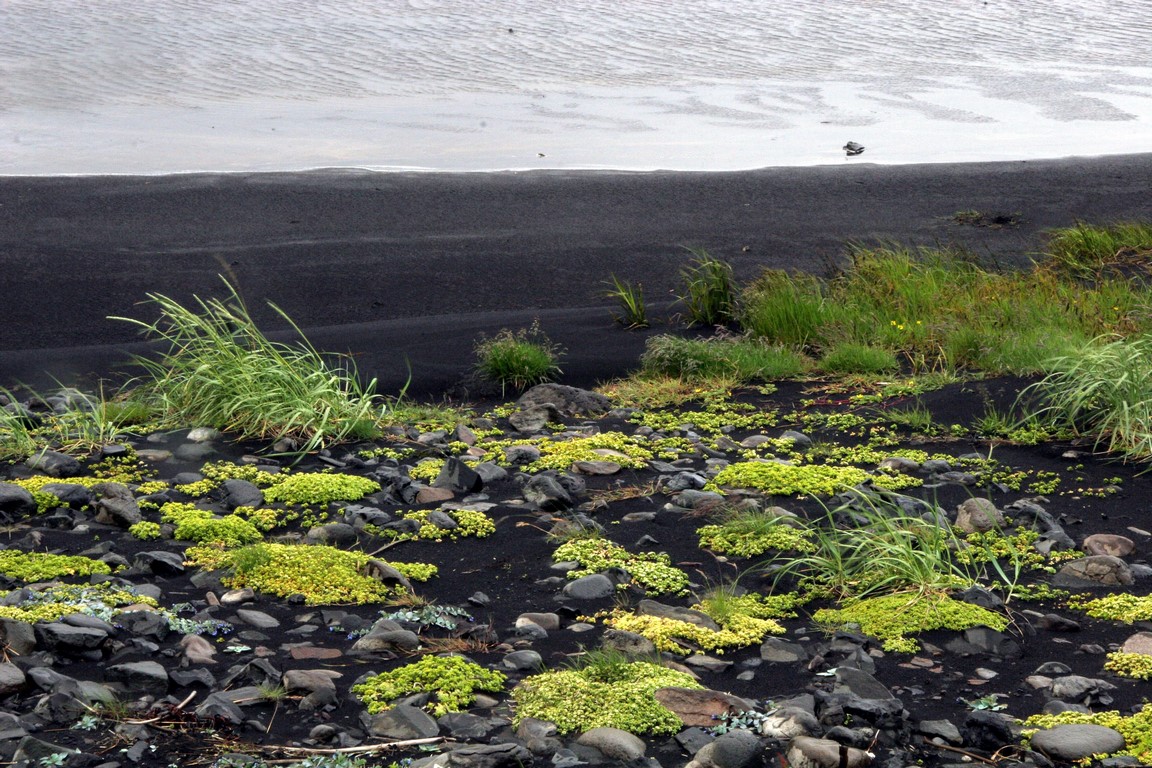
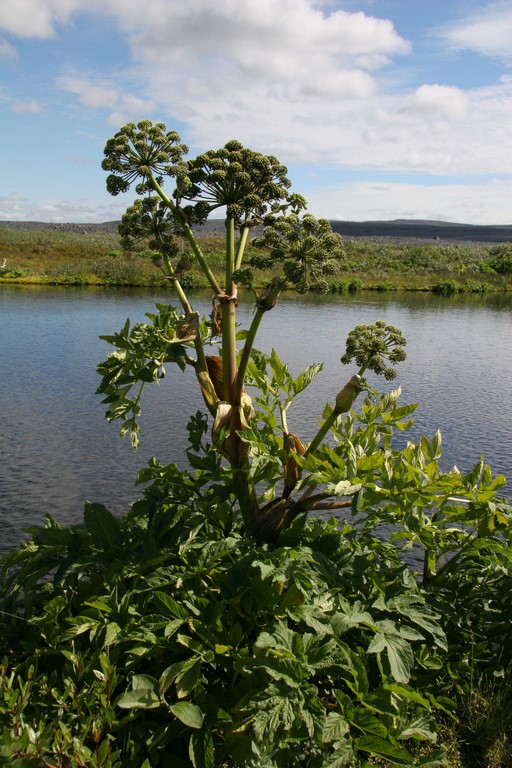
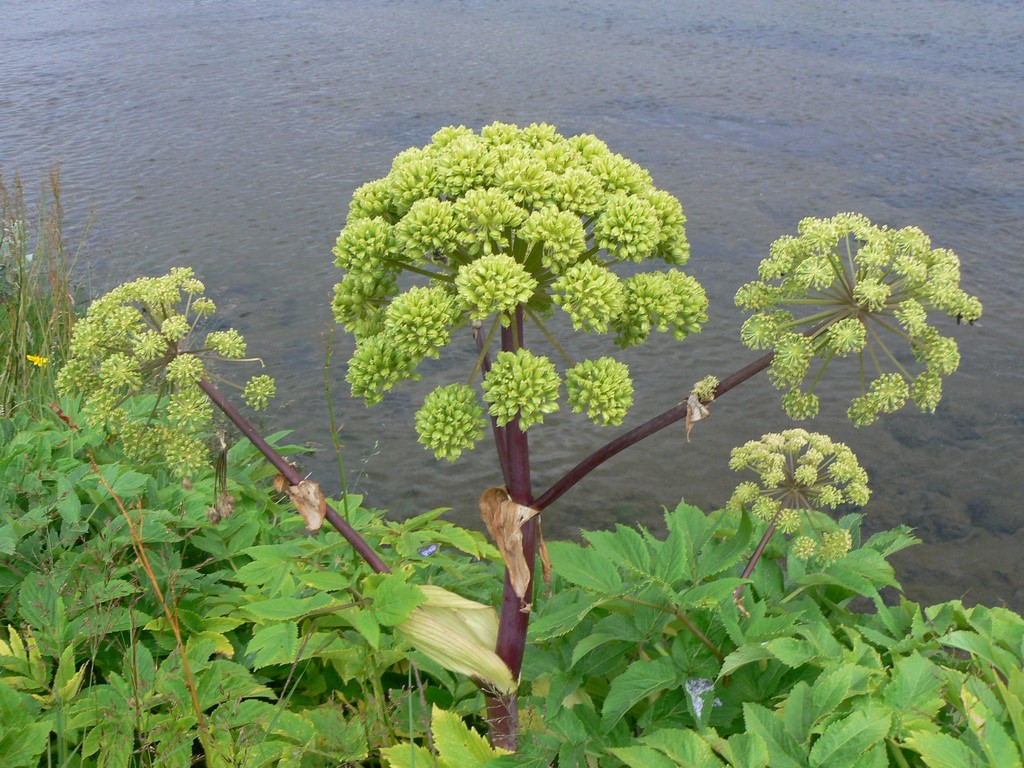
Elsewhere, in wetter areas, great angelica blooms, an umbelliferae with highly dissected leaves exceeding 1.60 m, leaving little room for its companions dandelions or meadow sorrel.
Shallow areas of stagnant water are home to marsh gentian, buttercup and the delicate cottongrass, whose white plumes sway in the breeze.


In the far north, just below the Arctic Circle, the coast is more welcoming than you might imagine. With almost warm summers and mild winters, Iceland's second city, Akureyri, is reputed to be the most beautiful city in the country. It is home to a beautiful botanical garden containing Iceland's 440 species of flowering plants, 200 of which have survived the ice ages. This flora is one of the island's major attractions for botanists and a must for all flower lovers.


Lupin, an invasive plant
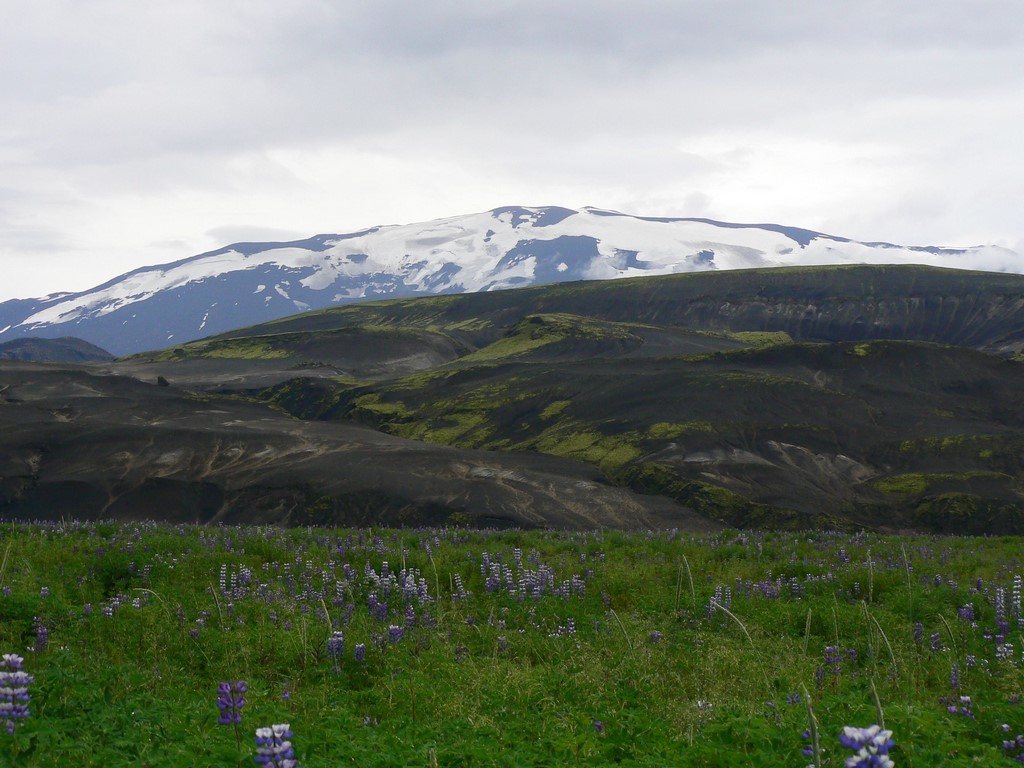
Nootka lupin, Lupinus nootkatensis, belongs to the pea family. It fixes nitrogen in the soil. The plant was introduced in 1945 as an effective ground cover in areas affected by erosion. But the experiment succeeded beyond all expectations and escaped the Icelanders. Now classed as an invasive plant, lupines have even colonised the black sands of Hólasandur, where astronauts from the Apollo programme, who came to Iceland in 1965 and 1967 to train in its lava fields. As the climate changes, the lupine threatens not only the native flora, but also the arid volcanic expanses in the interior and east of the country, often described in the same terms as those used by Buzz Aldrin to describe the lunar landscape : "A magnificent desolation." Should this invader, which turns lava deserts into purple carpets, be uprooted? The locals are opposed to the idea.

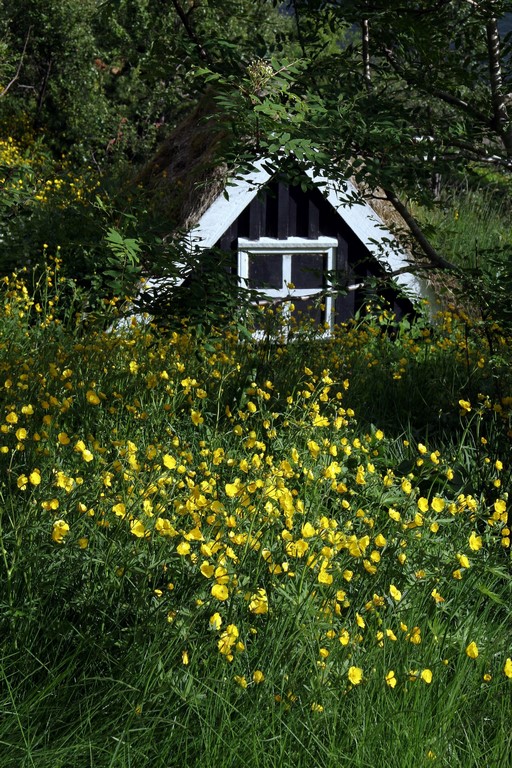
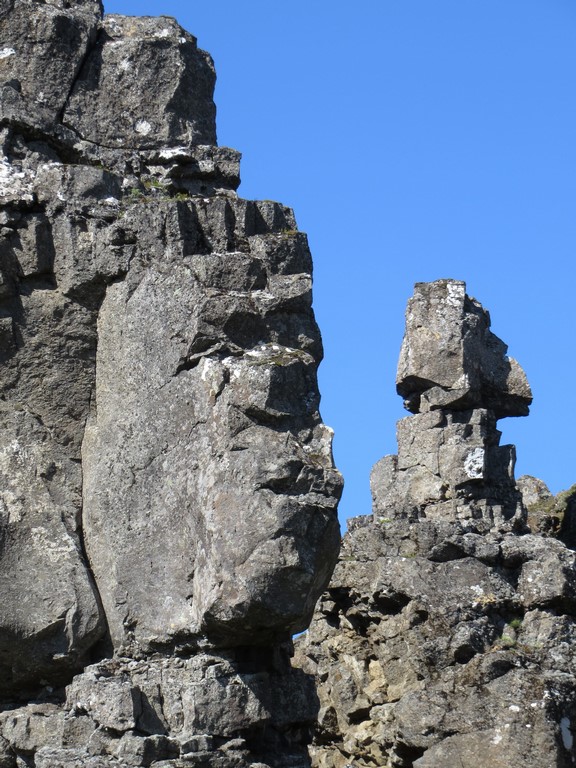
Few Icelanders would dare say they don't believe in elves and trolls. For them, the whole nature is inhabited by the "huldufólk", the hidden people. Some families build them a little house in their garden to win them over: not everyone is benevolent, so it's a good idea to get their good graces! Elves are supposed to live in caves, hills or isolated rocks, and the memory of these highly respected places is passed down from generation to generation. As for the trolls, they have one particularity: they commit their evil deeds at night, especially during the very long nights of the Icelandic winter; but when they are delayed and caught by the rising sun, they are forever turned to stone!
Copyright Text and Photos Brigitte Postel
Icelandair operates daily flights from Paris to Reykjavik

magnificent
An unexpected botany lesson in a lava desert...
🙂
Thanks for the follow-up.
Have a good week!