Table of Contents
Between monastic patience, winemakers’ boldness and industrial heritage, the Jura cultivates an art of living shaped by the land and time. Here, yellow wine converses with the stones of villages, age-old cellars and underground galleries. From Château-Chalon to Arbois, from vineyard castles to the saline depths of Salins-les-Bains, the region reveals a mosaic of expertise. A sensory journey where winemaking traditions, underground heritage, and the memory of generations echo and intertwine.
Yellow wine: the gold of the Jura
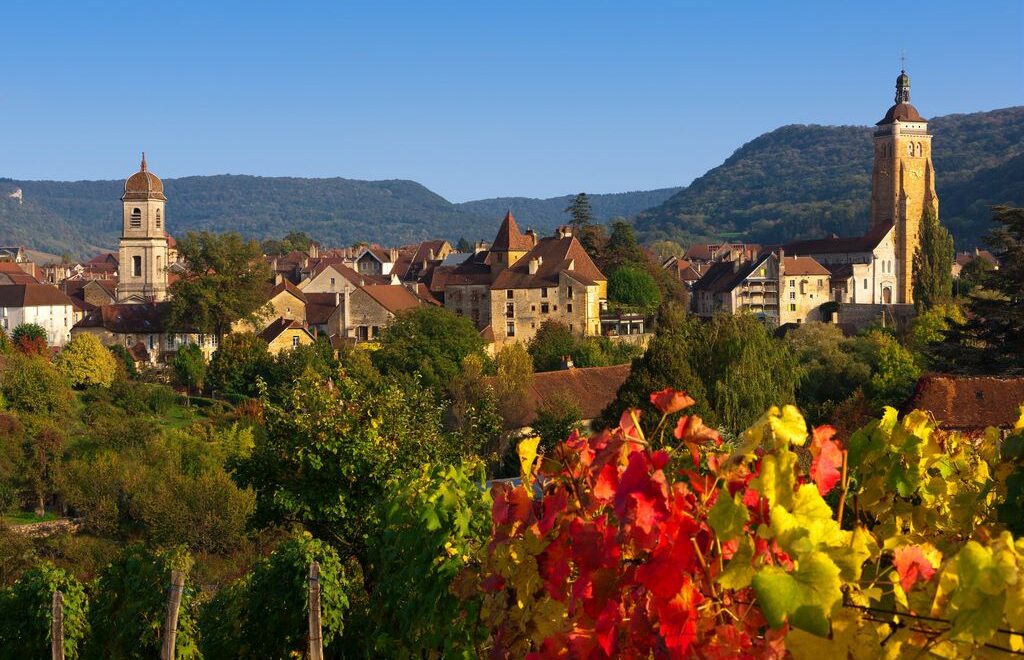
The king of wines and the wine of kings is matured in oak barrels. During its ageing, the "angels share" evaporates. A veil of yeast forms on the surface, protecting the wine from oxidation and giving it a distinctive flavour. In the Middle Ages, the Benedictine nuns of Château-Chalon planted the first vines of Savagnin. Made from this single grape variety, Jura yellow wine was born, packaged in a bottle called a «clavelin» (1) with a capacity of 62 cl.
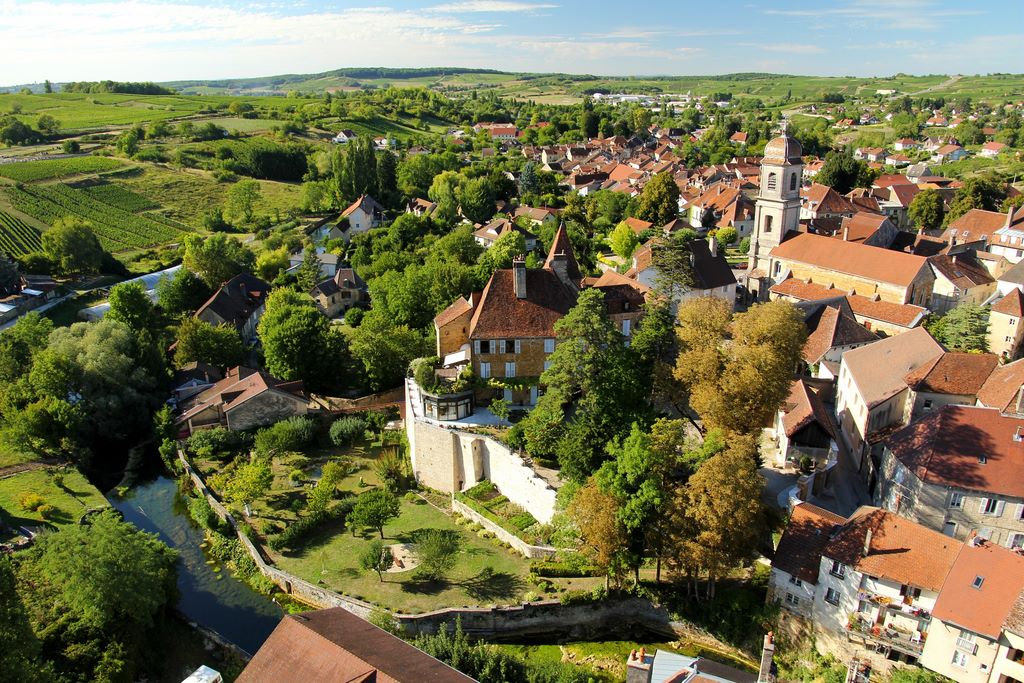
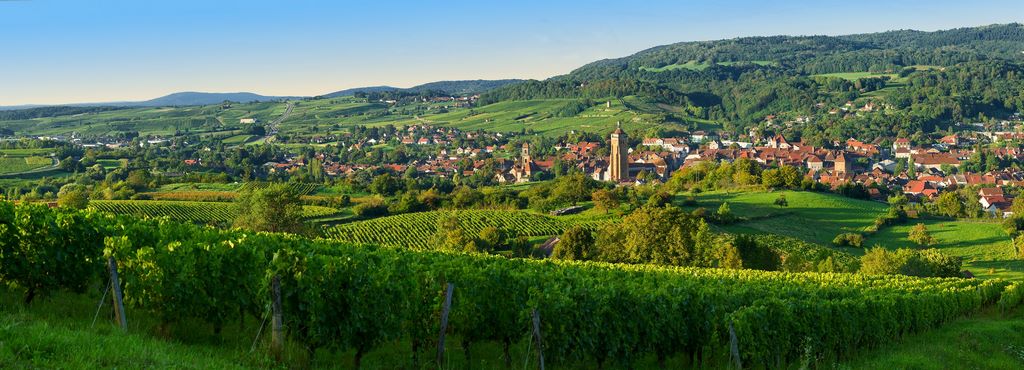
25 minutes by car, Arbois and its old village of yellow-ochre stone combine a tradition of well-being with the joys of good food. A local boy, Louis Pasteur, Louis Pasteur, worked extensively alongside his winemaker friends. He is considered to be the father of modern oenology. He studied wine fermentation and perfected pasteurisation, a preservation process. His family home has not changed. The scientist would return there on holiday and even set up a private laboratory.
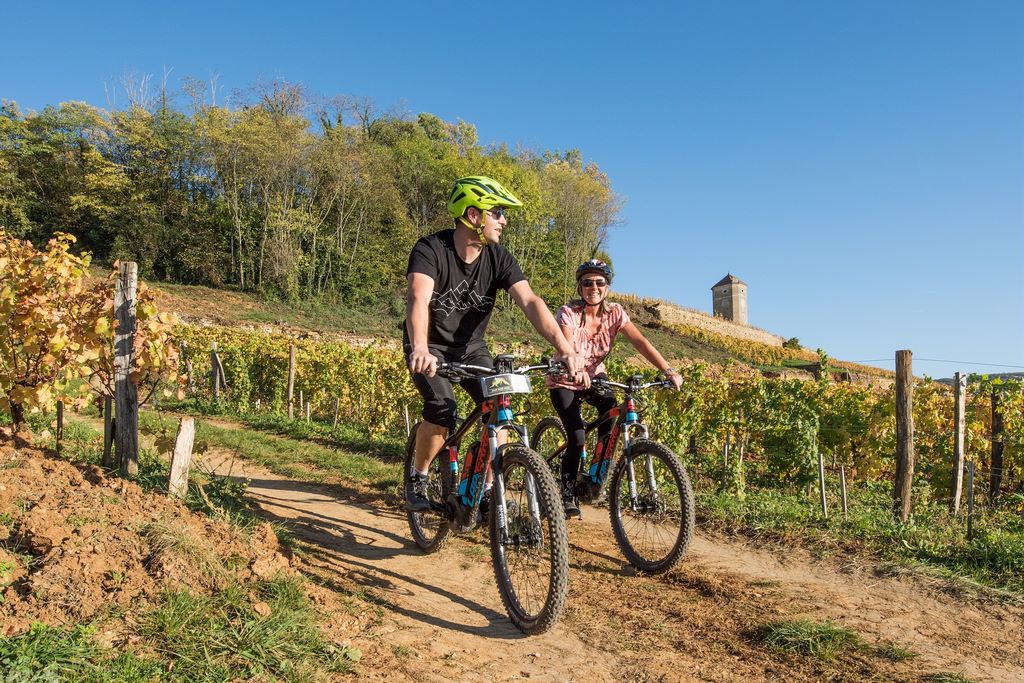
Arbois wines were already famous in Gallo-Roman times. Red, white, Crémant, Vin Jaune and Vin de Paille wines are produced here from the Jura grape varieties: Poulsard, Trousseau, Pinot Noir, Savagnin and Chardonnay. Arbois plays the wine-growing tradition and sport card: you can go cycling before sharing a glass of Crémant du Jura in the vineyards at the foot of the Tuffes waterfalls Planches-Près-d'Arbois.
1 - The clavelin is one of the few non-standard sizes recognised by European regulations for a wine appellation, as most wines have to be bottled in standard bottles (75 cl, 150 cl, etc.). The name probably comes from the Clavelin family, winegrowers from Château-Chalon (Jura), who had this style of bottle made in the eighteenth century.
Arlay Castle
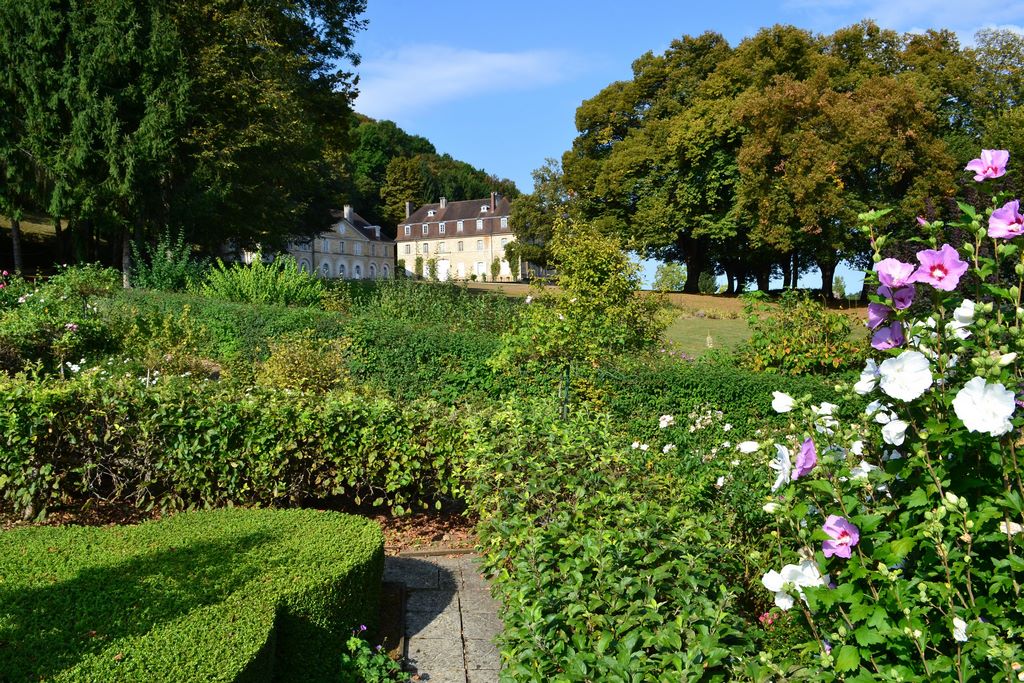
Arlay, a wine-growing village in the Jura, is also the capital of Vin de Paille. The Château d'Arlay is an estate within the Côtes du Jura AOC. This private 18th-century château is believed to be the oldest «vineyard château» in France. It is open to tourists in summer. Its «romantic park» extends over 8 hectares and has preserved traces of the terraces and groves created in the 18th century. The linden-shaded avenues are an invitation to daydream. It is, naturally, a château that commands attention. All the furniture is original: English-style chests of drawers, psyches, armchairs... Originally commissioned from a cabinetmaker in Poligny, Alexis Répécaud, who created the walnut and maple décor of the library. The vast cellar enchants, its blackened walls steeped in rich, evocative scents. This is the oldest part (1650), when there was a convent here with monks who grew vines on the hillside. An old copper still stands beside the barrels, and the walls carry the distinctive scents of aged cellars.
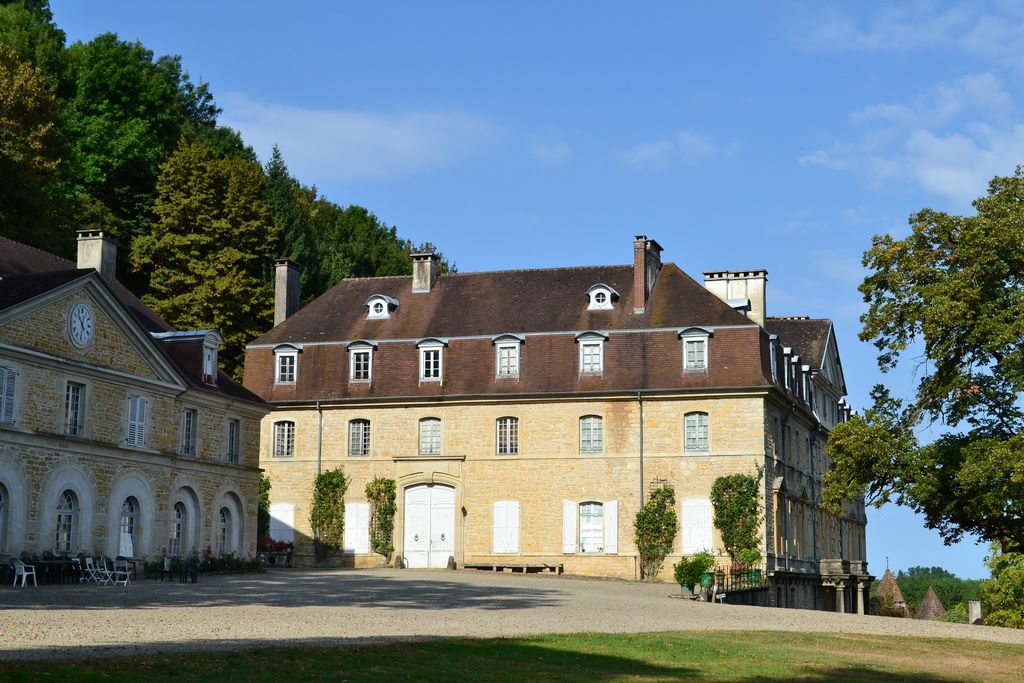
This property belonging to the descendants of the Princes of Orange is a listed historic monument. Since 2020, the Count Pierre-Armand de Laguiche presides over the destiny of the vineyard. The 21 hectares give pride of place to pinot noir (47 %), savagnin and chardonnay, along with a few ares of Trousseau and Poulsard, for a production of Côtes du Jura, vin jaune and vin de paille, Macvin and brandies. Admirable winegrowers, the plots are cultivated organically.
www.arlay.com
Under the Earth
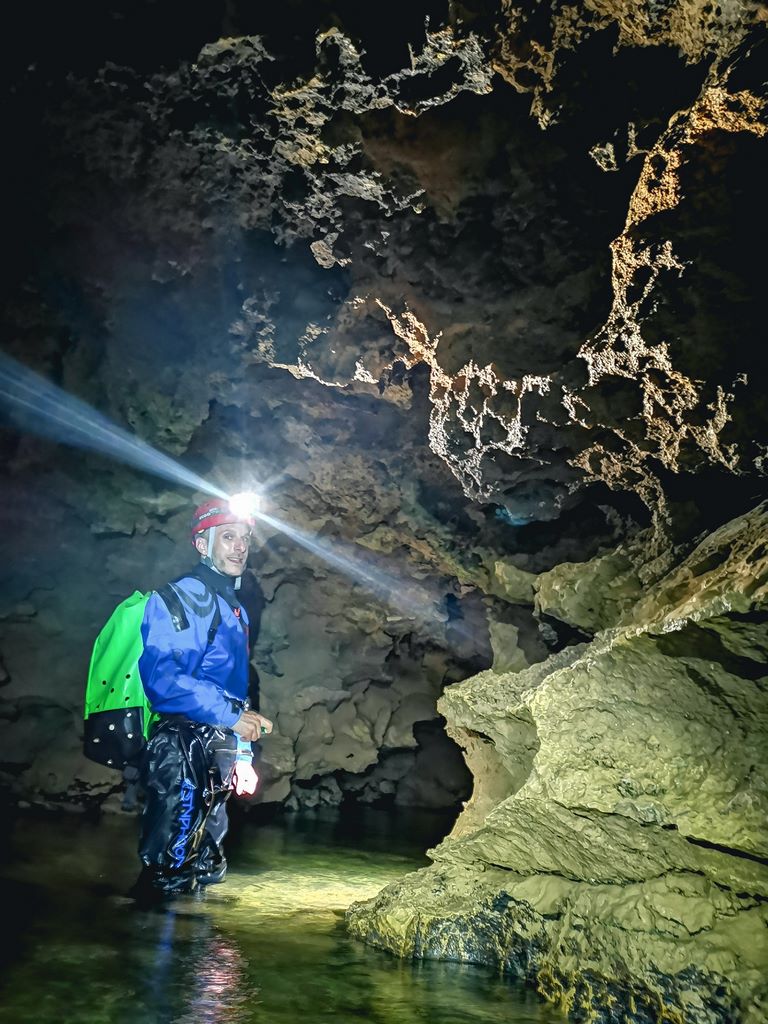
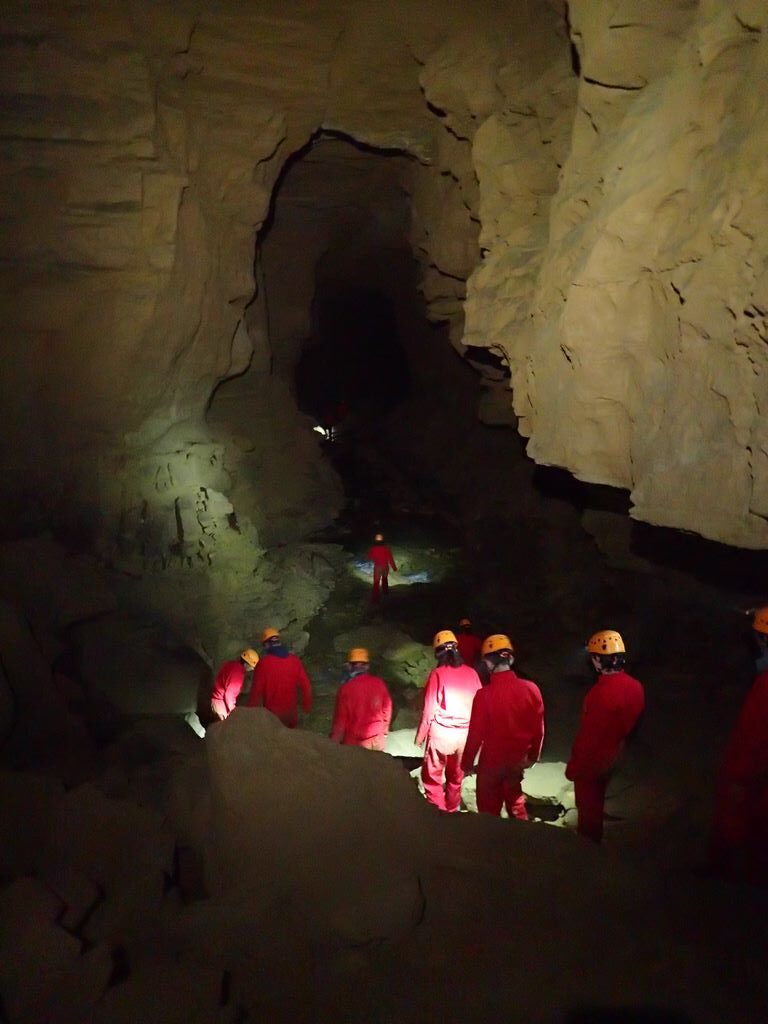
Benji, a state-qualified caving guide and instructor, is offering a natural immersion in the Jura. « Customized excursions, carefully crafted to suit your every desire », he explains. Between canoeing, kayaking and paddling, I chose caving. I'm humming along, but I'm not getting ahead of myself. A mysterious Jura awaits me. Underground rivers, dry galleries, stalactites, you'll be able to recount your sensations with genuine feeling. A slightly masochistic pleasure in overcoming the fear of darkness, breath taken away. The Borne aux Cassots, 20km-long, is a horizontal cave ideal for an initiation to caving. No rope sections, no abseiling. Don't beat a retreat, the caving trip ends with a tasting of Jura wines underground with Laurent Bert and Philippe Chatillon, winegrowers in Poligny. « In the darkness, you are in communion with this natural and organic wine from the Jura. ». No yeast, no sulphite. The Savagnin grapes were left to overripen on the vine. Then it was placed in terracotta amphorae for 5 months (juice and skins fermented, hence the orange colour). It was then pressed and put back into the amphora for 7 months. The resonance between the wine and the earth is interesting. It has a sweet note and the tannic side of Savagnin.
www.naturetripjura.com
The Great Saltworks of Salins-les-Bains: a cathedral dedicated to salt
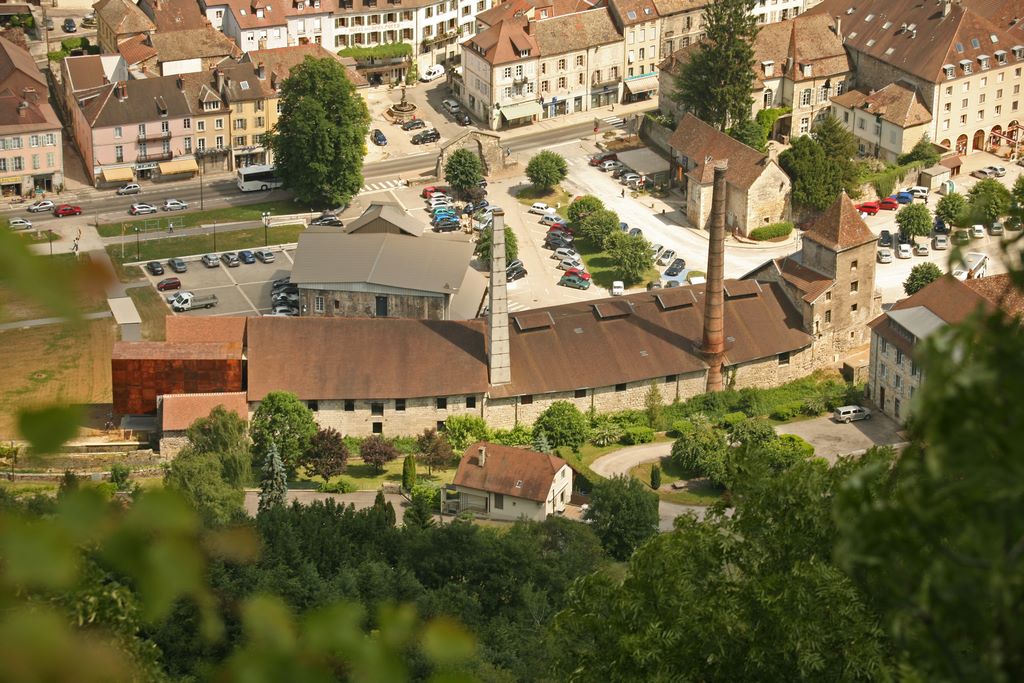
Founded 1,200 years ago, the Grande Saline represents an industrial model in terms of its technological evolution and extraordinary longevity, as one of the oldest factories in France. Built with the same architectural care as a palace or a church, the saltworks was an almost sacred place. From bleachers and woodcutters to coopers, blacksmiths and hauliers, it accounted for half of Franche-Comté's income. In the 17th century, the Grande Saline produced 14,000 tonnes of salt a year.
A descent into the shafts reveals a 12th-century vaulted gallery stretching 165 metres in length..
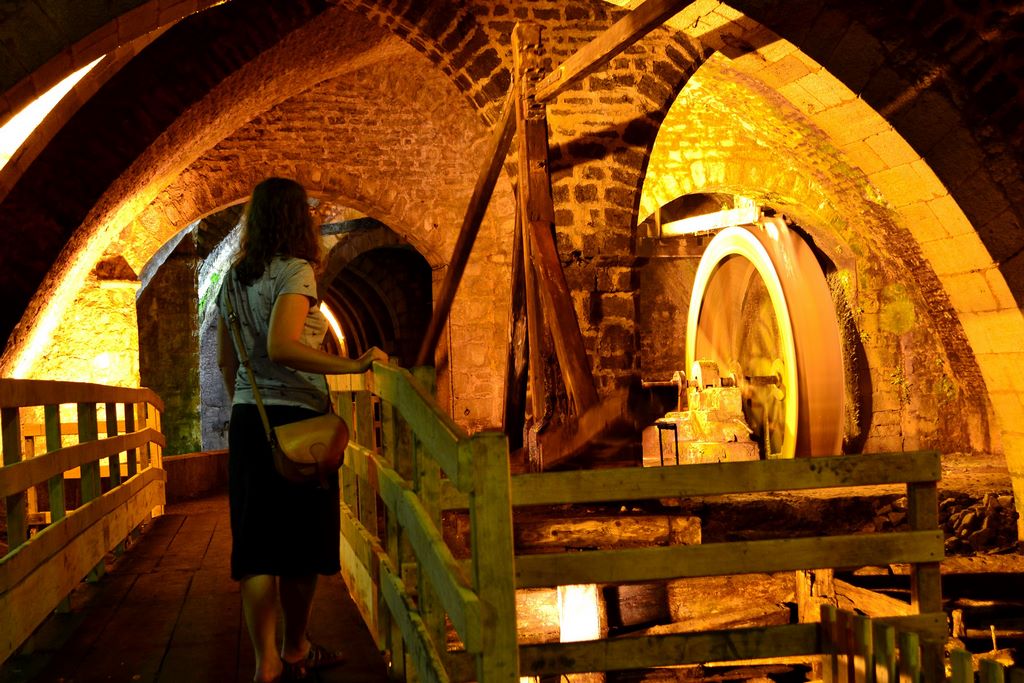
At the end of the 19th century, the Grande Saline declined in the face of economic pressures due to the end of the state salt monopoly, rising fuel costs and falling salt prices. The creation of the first spa in 1854 maintained seasonal activity. In 1860, a contract was signed with the saltworks, which supplied the mother waters, concentrated in mineral salts, for thermal treatments. Faced with competition from salt marshes, the Grande Saline closed its doors in 1962. In 1966, the town of Salins-les-Bains bought it, transforming the site into a heritage and tourist attraction.
In 2009, UNESCO listed the Grande Saline as a World Heritage Site, as an extension to the Saline Royale d'Arc-et-Senans.
Accommodation
Auberge de Chavannes****
Hotel-restaurant just a few kilometres from Lons-le-Saunier. Véronique and Michel Bejeannin offer top-flight gastronomy. All with the discretion and attention to detail that are the signature of the region. An approach to Jura culture and cuisine. The wines? over 350 references and a communion to understand the wines, the terroirs, the history of the vine....
Hotel****Castel Damandre Les Planches: at the heart of the natural site of Les Planches, near Arbois.
www.casteldamandre.com
Restaurants
- Le comptoir des Docks in the heart of Arbois: chic bistronomy
- Le Grapiot in Pupillin: in the heart of the capital of Poulsard, the other emblematic wine of the Jura. Chef Samuel Richardet knows how to say the maximum without the effect.
Text : Michèle Lasseur