
In this part of the Aude region, where the ramparts of Carcassonne still hold the memory of the conflicts against the Cathars, the vine unravels its thousand-year-old history. From the medieval heart of Carcassonne to the subtle effervescence of Limoux, the forgotten cradle of bubbles, to the intimacy of Clos Teisseire, this wine-tourism journey shapes an itinerary where you don't just taste wines. You'll discover winegrowers who love their vineyards, winemaking methods that respect the fruit and cuvées that reveal the diversity of Aude terroirs.
Table of Contents
Carcassonne, fortress city, guardian of the Midi
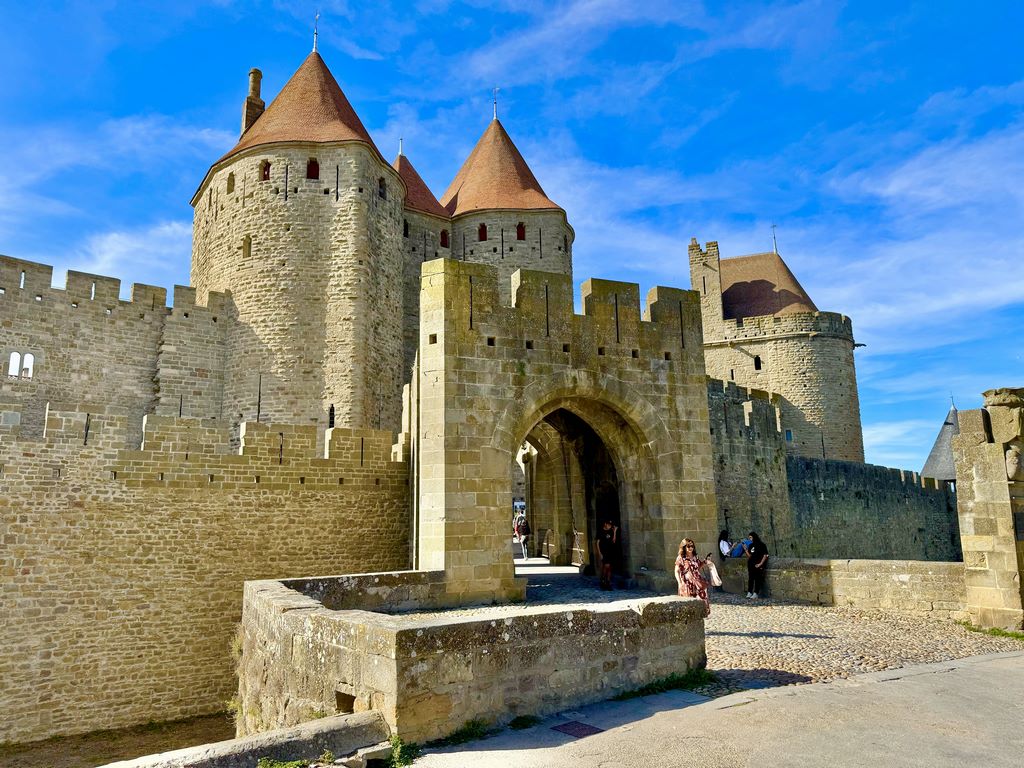
World-famous for its medieval Citadel, a UNESCO World Heritage site, Carcassonne is one of Europe's most spectacular fortified towns. Its history dates back to the 6th century BC, when an oppidum or fortified settlement was founded on a hill. Conquered by the Romans in 122 BC, who called it Julia Carcaso, it would soon be equipped with an initial Gallo-Roman enclosure, featuring horseshoe-shaped towers and wide openings.
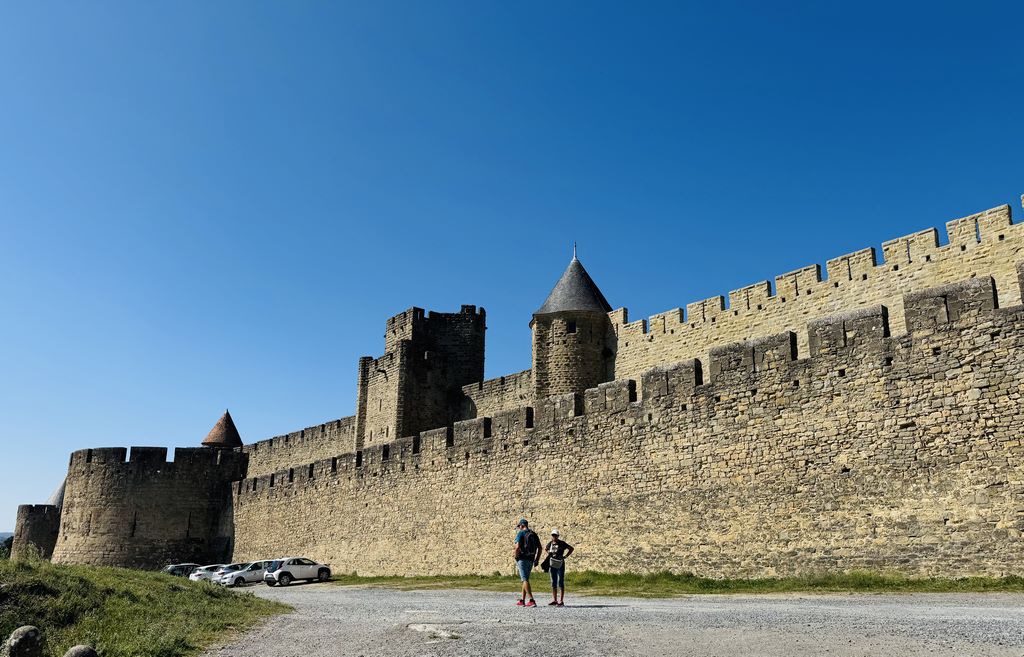
After the incursions of the Visigoths and Saracens, it became the seat of the powerful viscounty of the Trencavel in the 11th century. The City plays a central role in the Crusade against the Albigensians (or Cathars) in the 13th century, after which it came under the control of the kingdom of France. Under Louis IX (Saint Louis) and Philip III, the city was considerably enlarged and strengthened with its remarkable double ramparts, making it a key point on the border between France and Aragon until the signing of the Treaty of the Pyrenees in 1659. The loss of its military role after 1659 led to a slow decline. In the 19th century, it was saved from total demolition thanks to the efforts of writers and historians, and masterfully restored by the architect Eugène Viollet-le-Duc.
Today, Carcassonne is the capital of the Aude department, a major cultural and tourist centre in the Occitanie region, and a gateway to the landscapes and heritage of Cathar country.
Limoux, cradle of effervescence in the heart of Languedoc
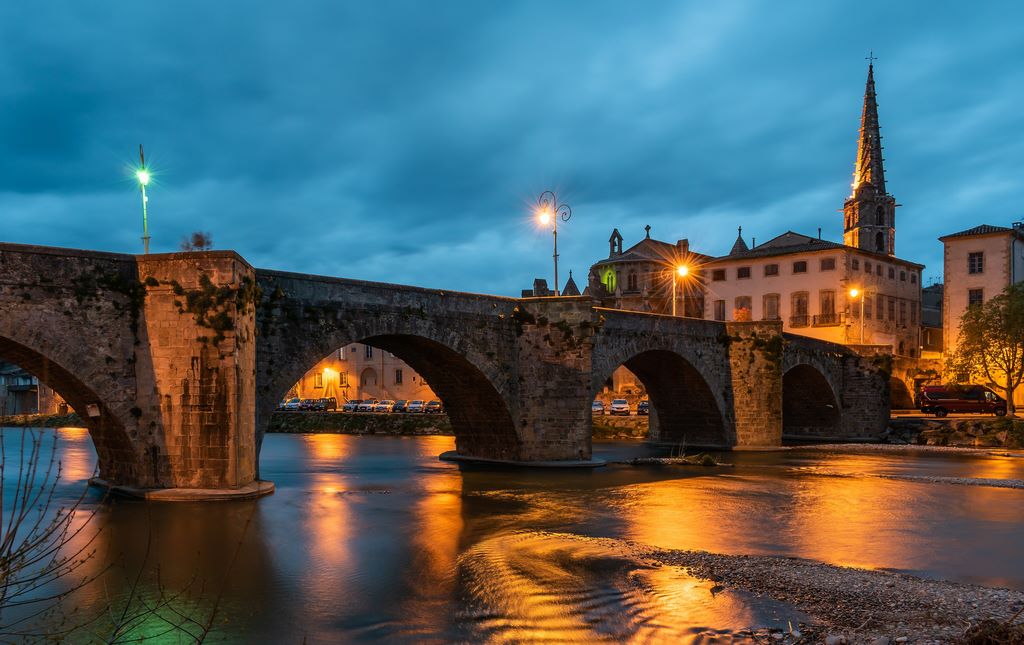
The town of Limoux, located in the Aude department half an hour from Carcassonne, is much more than a picturesque medieval town. It is world-renowned as the birthplace of the first sparkling wine in history, a heritage that shaped its identity and reputation long before the advent of Champagne. Built on the banks of the River Aude, it is a town of art and history whose origins date back to antiquity, with the introduction of vines by the Greeks in the Vᵉ century BC.
It is the vineyards and wine-growing innovation that have earned it its place in history. It was a strategic location in the Languedoc, particularly during the Wars of Religion, and remains famous for its Carnival which is spread over three months.
The Mauzac grape variety and the birth of Blanquette
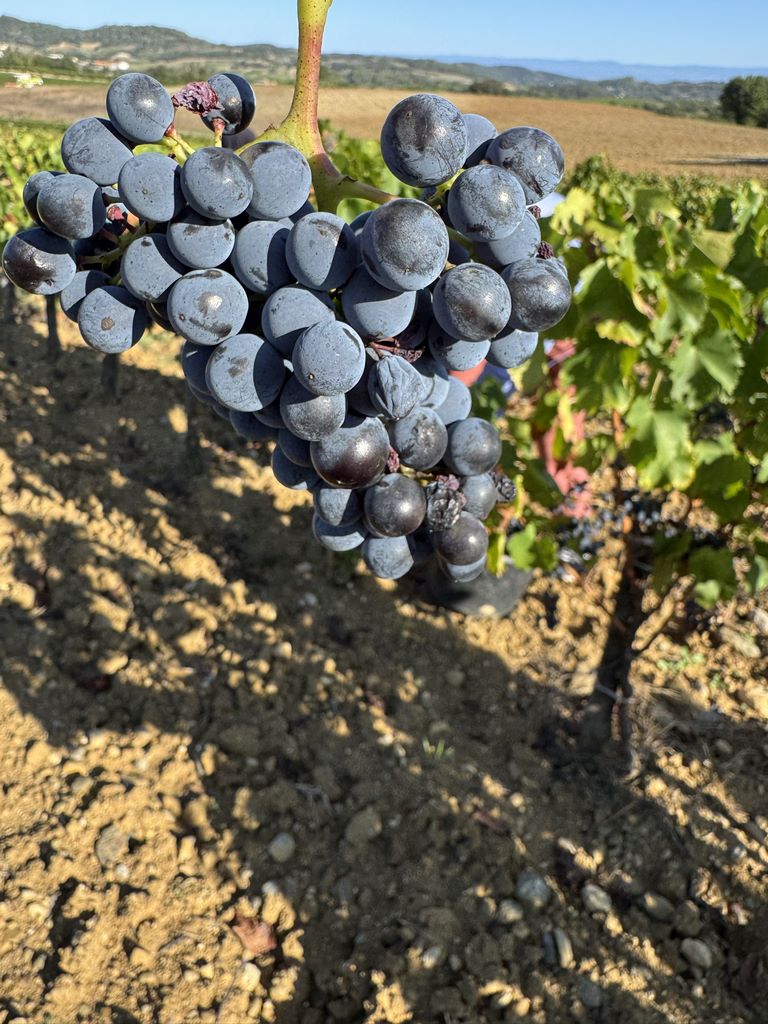
At the heart of the Limoux vineyards lies the region's emblematic grape variety: the Mauzac. This is a white grape variety from the south-west of France, whose name comes from the whitish, downy colour under the leaf, which gives the wine its local name: "Blanquette". It gives the wine its typical aromas of ripe apples and white flowers, as well as a fine acidity.
The appellation, recognised in 1938, is made up of two methods: The Blanquette de Limoux (Traditional method): a blend of Mauzac (min. 90 %) plus Chardonnay and Chenin. The Blanquette Ancestral Method made exclusively from Mauzac grapes. Its fermentation is natural and not blocked, with no added sugar: it is bottled on the old moon in March and foams with its own residual sugars. The region also produces Crémant de Limoux (dominated by Chardonnay and Chenin) and still wines (AOP Limoux reds and whites), perpetuating the excellence and diversity of its terroir. You can find out absolutely everything you need to know about blanquette by visiting the Limoux Wine House.
Where to stay and eat in Limoux?
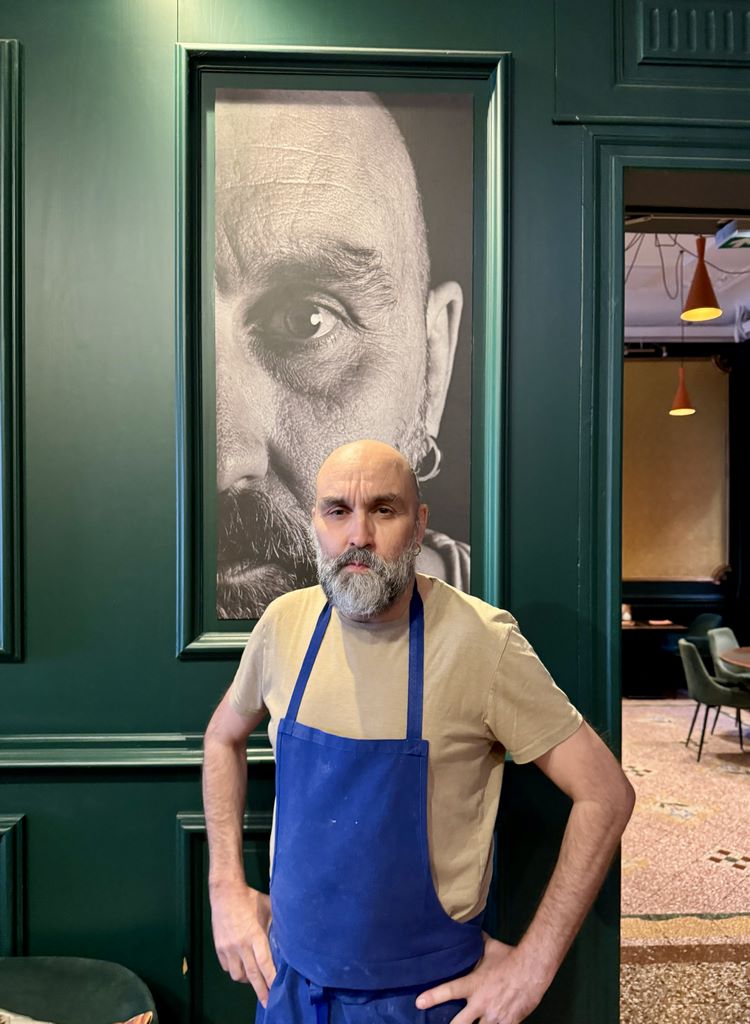
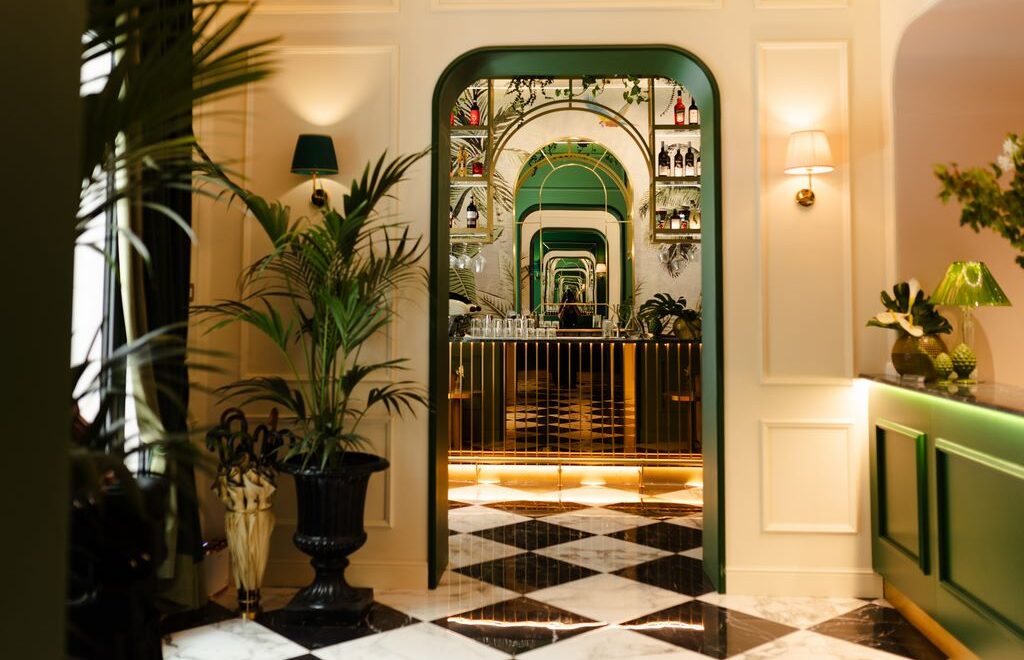
Stéphane Castaing and his team "Tantine et Tonton" have taken over this beautiful hotel-restaurant in Limoux: the « Grand Hôtel Moderne et Pigeon », a surprising name for a former convent dating from the early 16th century with an old-fashioned feel. Its excellent chef and owner offers creative cuisine in his restaurant Me. You'll love the elegant decor, the friendly service and the location in the heart of the town, opposite the market: an essential stop-off! © Sylvain Grandadam.
The Abbey of Saint-Hilaire (Aude) and the Invention of Bubbles
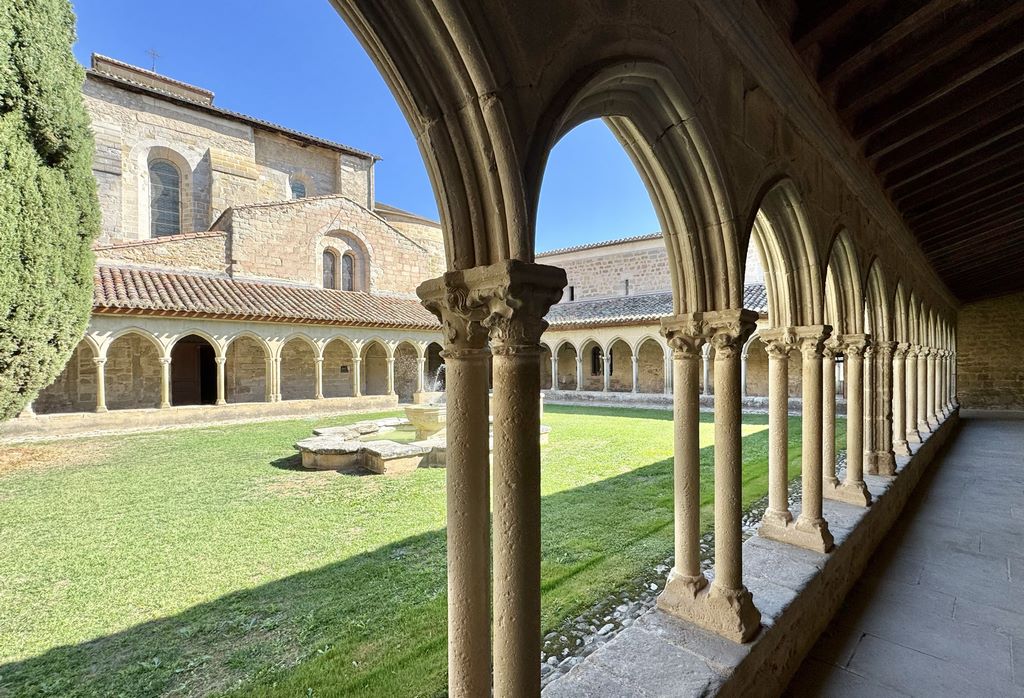
The history of Blanquette de Limoux is inextricably linked with the Benedictine Abbey of Saint-Hilaire, located near the town. In 1531, monks there discovered by chance the process of secondary fermentation in the bottle. One monk noticed that wine bottled and corked «took on foam». This date makes Blanquette de Limoux the oldest sparkling wine in the world, more than a century before the method was popularised in Champagne. Writings dating back to 1544 already mention this wine. The origins of the abbey remain uncertain, despite documents attesting to its existence in 825. Tradition links it to an oratory built by Saint-Hilaire, the first bishop of Carcassonne, in the VIᵉ century, who is said to have been buried there. It went through periods of reconstruction and prosperity, notably in the XIIIᵉ and XIVᵉ centuries, suffered the troubles of the Black Death, consequences of the Hundred Years War, and the move to the "Commende" system in the XVIᵉ century, which led to financial and spiritual decline. The convent buildings were sold as national property at the end of the XVIIIᵉ century.
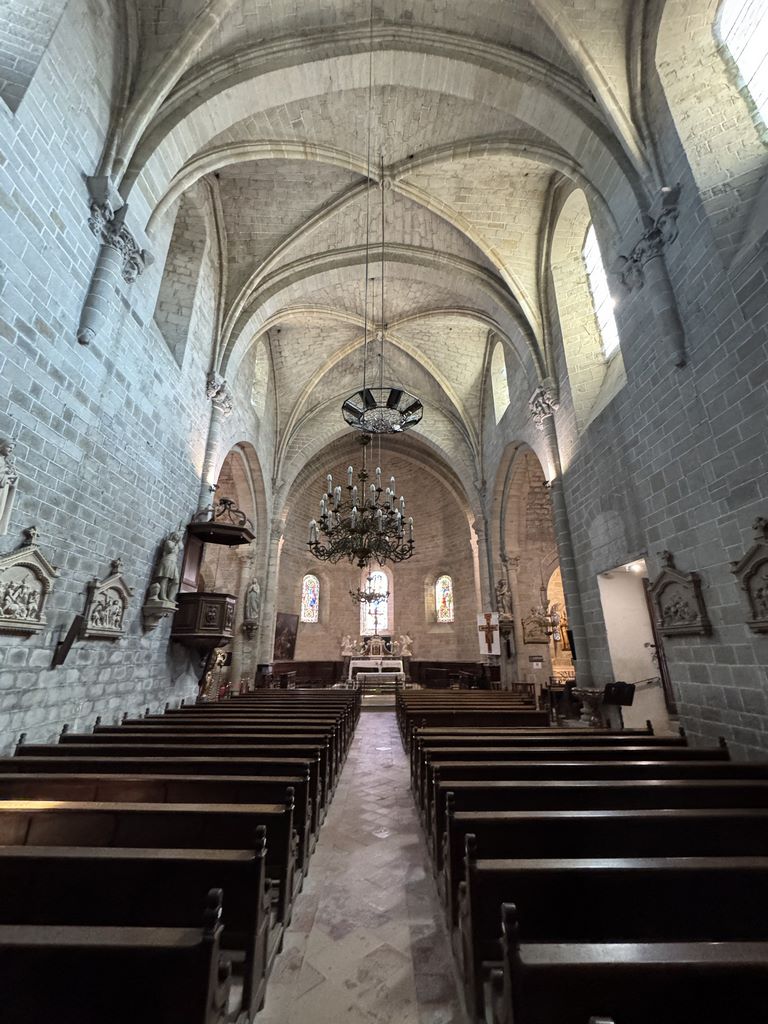
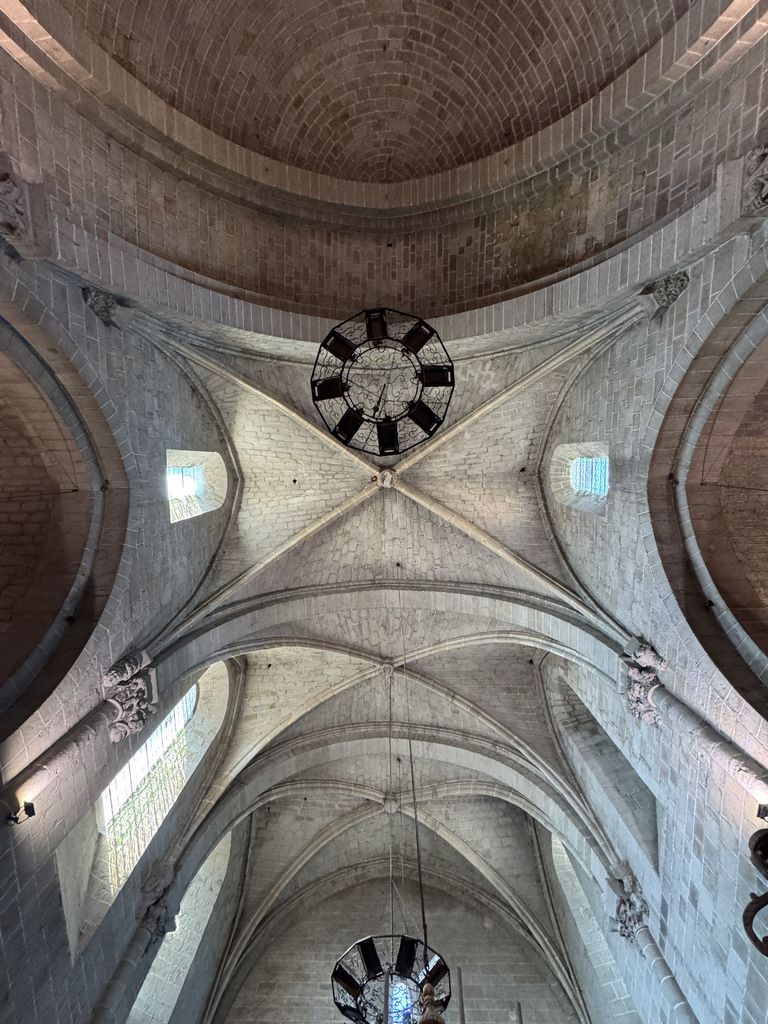
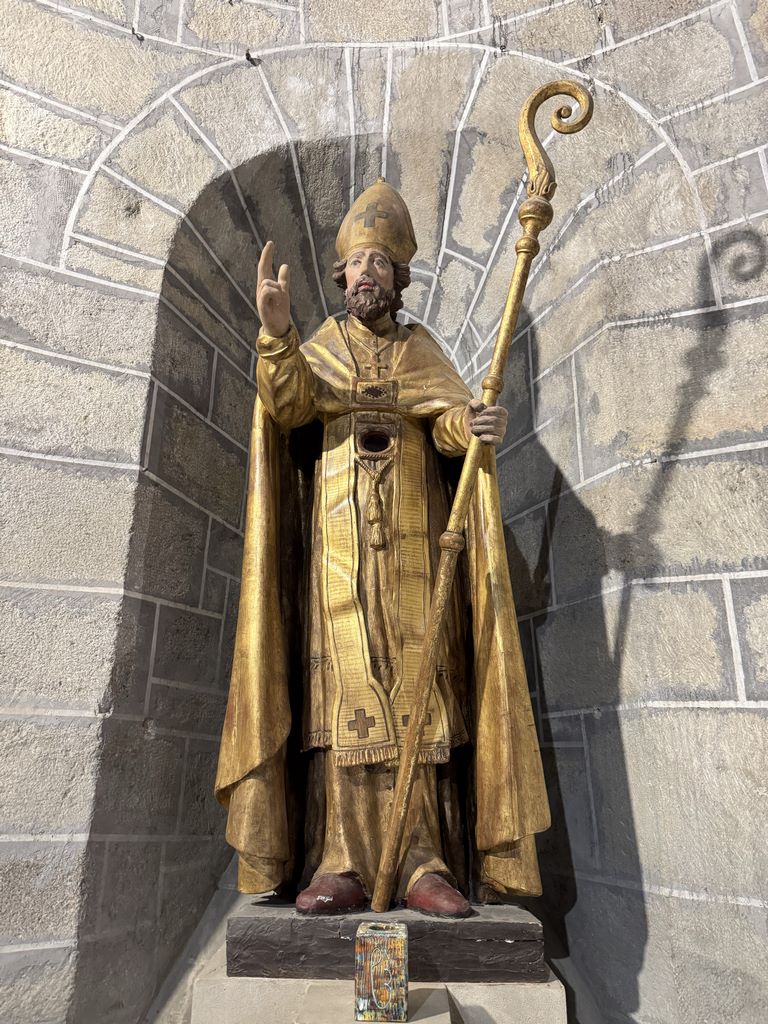
The architecture of Saint-Hilaire Abbey bears witness to the evolution of the Romanesque and Gothic styles. The abbey church was built in the 13thᵉ century in the Gothic style and retains the apse and two small Romanesque apsidioles from the original church; the nave consists of three bays vaulted with ribbed arches. The 14thᵉ century cloister is formed of continuous arcades and the twin capitals display a wide variety of sculpted ornamentation. A prison, built with the rampart in the XIVᵉ century, and a watchtower attest to its fortified appearance and therefore its defensive role. The monks' refectory is known for its 14thᵉ century rib-vaulted pulpit, designed for a unique acoustic effect where only the voice of the preaching monk attested to his presence.
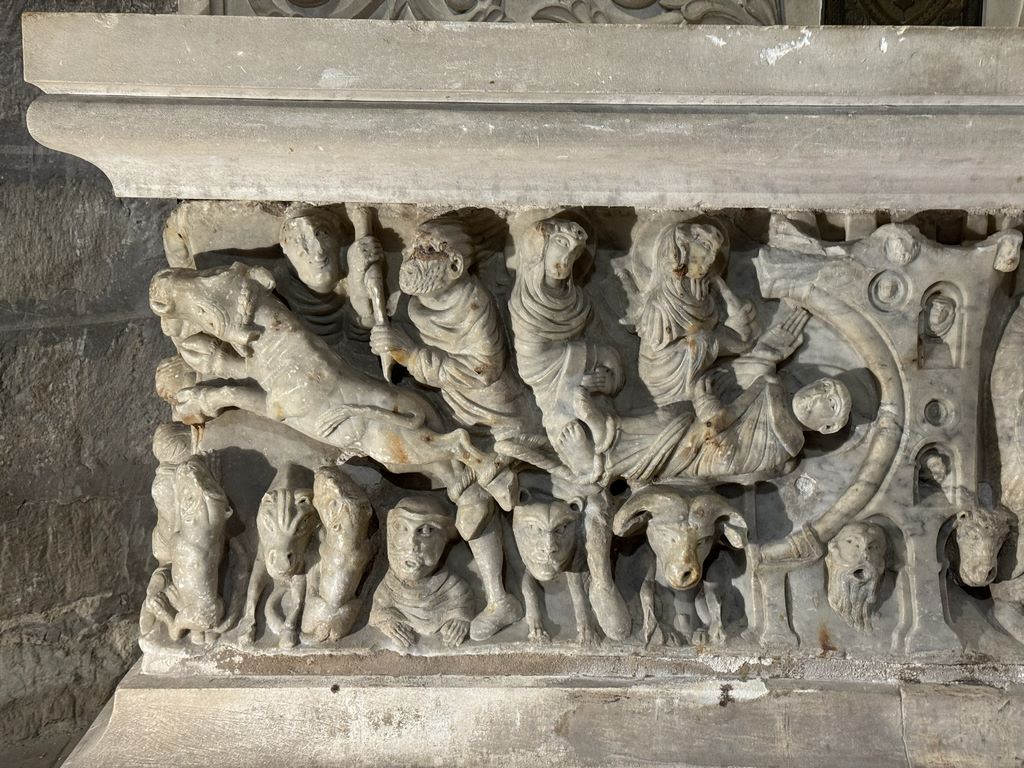
The Sarcophagus of Saint Sernin, an exceptional work attributed to the mysterious Master of Cabestany, a Romanesque sculptor from the XIIᵉ century, tells the story of the life of the evangelist Saint Sernin. The master's sculptures all have triangular faces, low foreheads, crushed chins, high, hollowed ears, almond-shaped stretched eyes... A total of 121 sculpted pieces have been attributed to him across Europe.
The painted joist ceiling of the abbey dwelling, dating from the late XVᵉ century, is remarkable for the contrast between the abbot's ecclesiastical function and the profane, even transgressive iconography it displays.
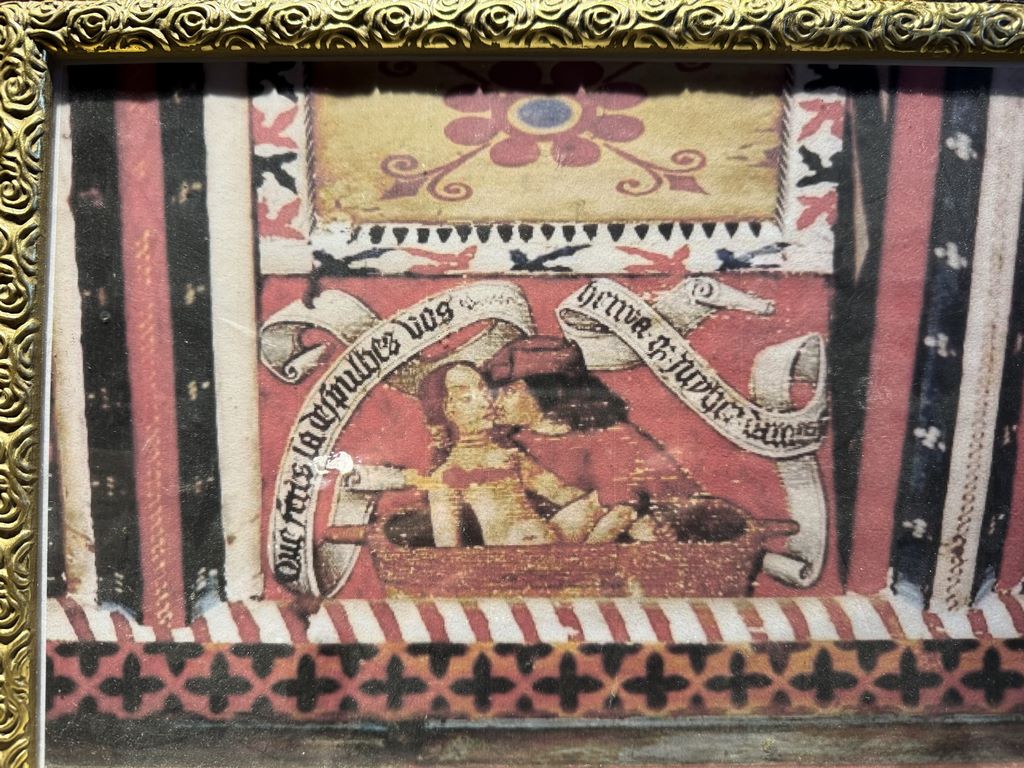
Strange figures, born of the medieval imagination and popular iconography, such as hybrids, mermaids, centaurs, unicorns and other metamorphic creatures, often inspired by a «dream coloured with strangeness and irony». These images, some of them quite daring, contrast with the Rule of Saint Benedict, who advocated austerity and monastic work. No doubt this is a reminder of human duality and the permanent risk of sin induced by temptation...
Saint-Hilaire Abbey
Church ramp
11250 Saint-Hilaire
+33 4 68 69 62 76
Clos Teisseire, Laetitia Teisseire's bold gamble
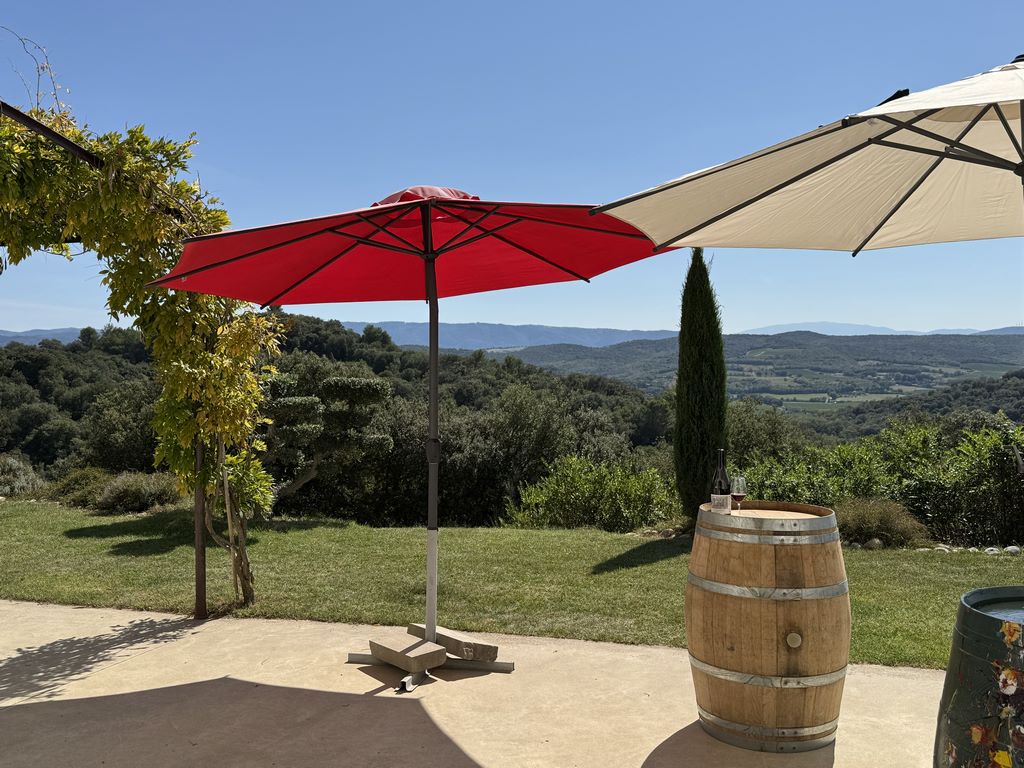
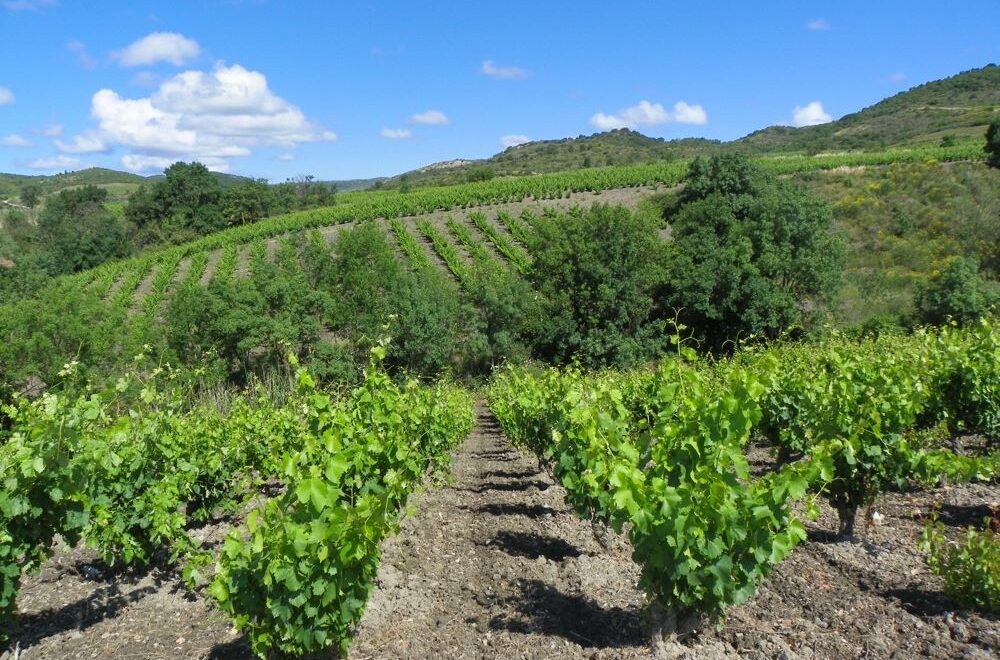
Perched on the hillsides of the Upper Aude Valley, between Carcassonne and Limoux, with a breathtaking view of the Pyrenees, the Clos Teisseire alone could embody this Languedoc winegrowing revival. For a long time a supplier to the cooperative winery, this family-run estate, whose roots date back to the 18th century, underwent a revolution in 2016 with Laetitia Teisseire’s professional reinvention.
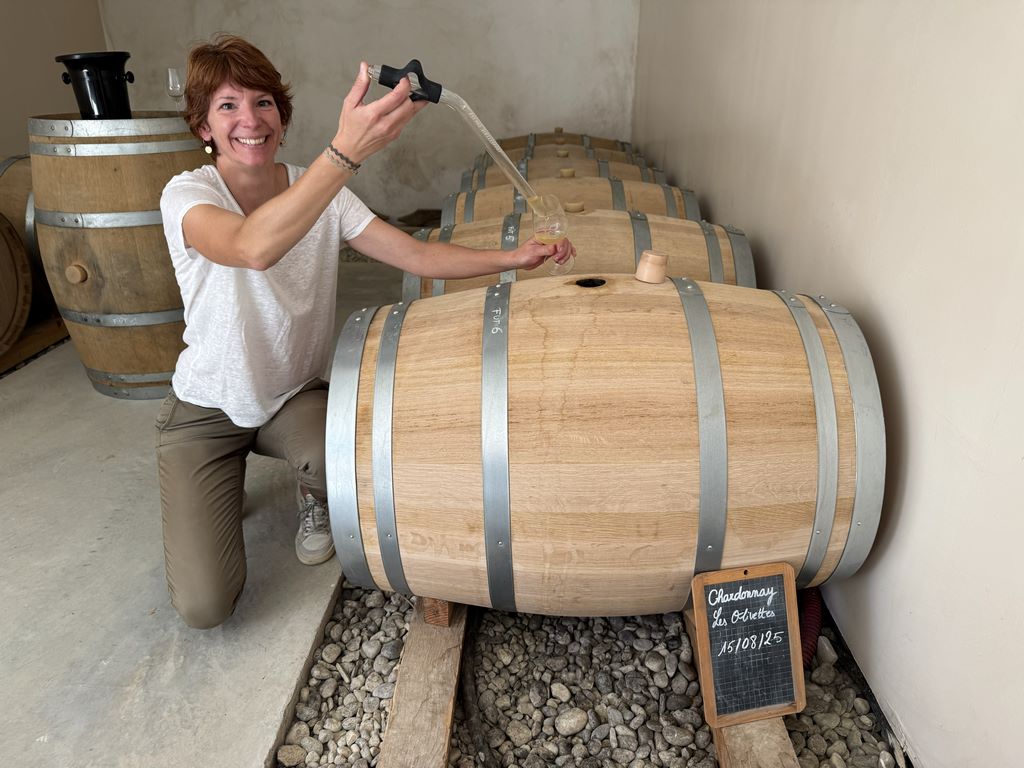
So Laetitia Teisseire went back to school to master her new trade, with the desire to make her own wine, from vineyard to bottle and label. Situated at an altitude of around 250 metres, the 12-hectare vineyard enjoys clay-limestone soil and a cool climate, influenced by the proximity of the Pyrenees, an ideal position for producing white wines (Chardonnay, Chenin, Mauzac) marked by freshness and minerality, sought-after characteristics.
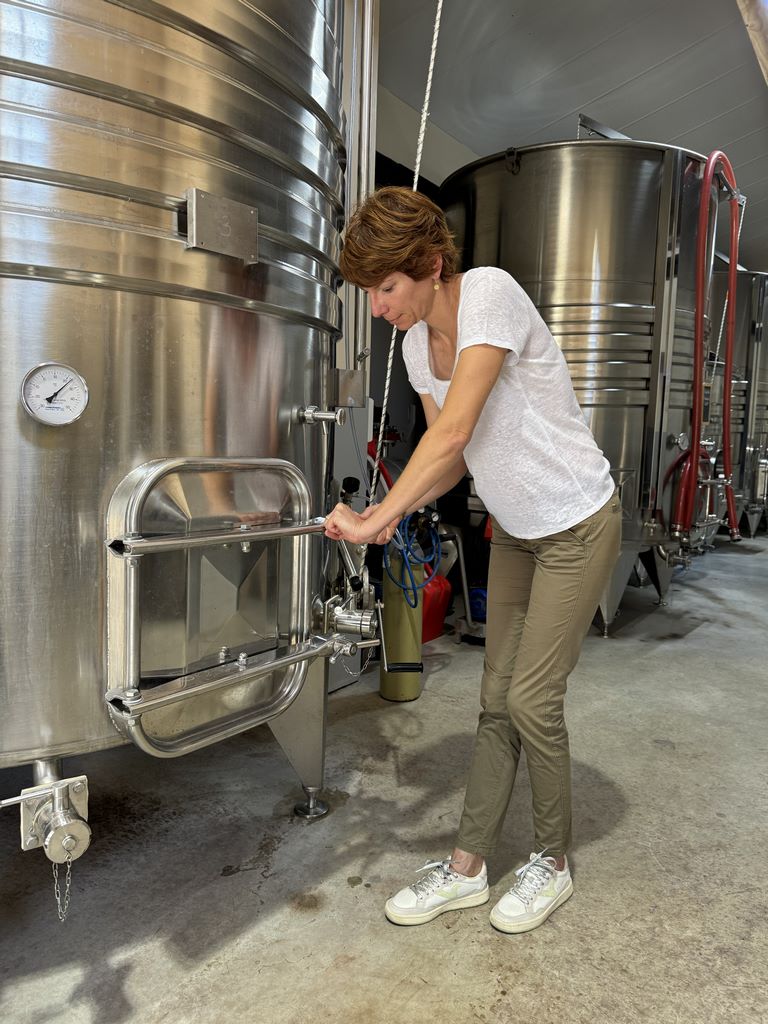
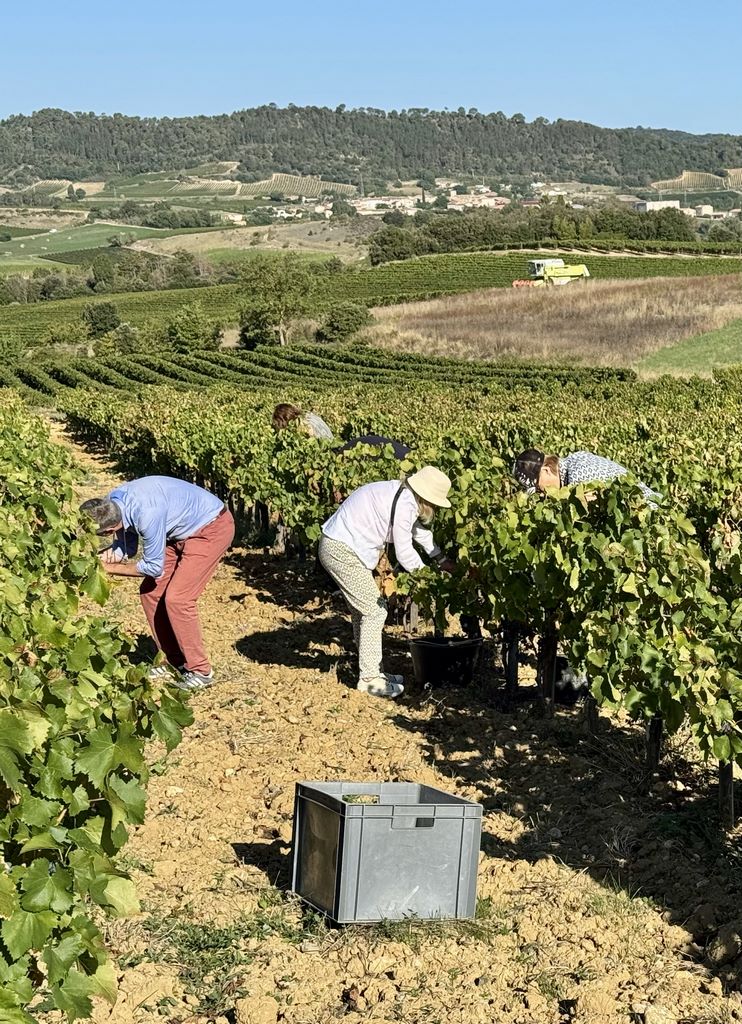
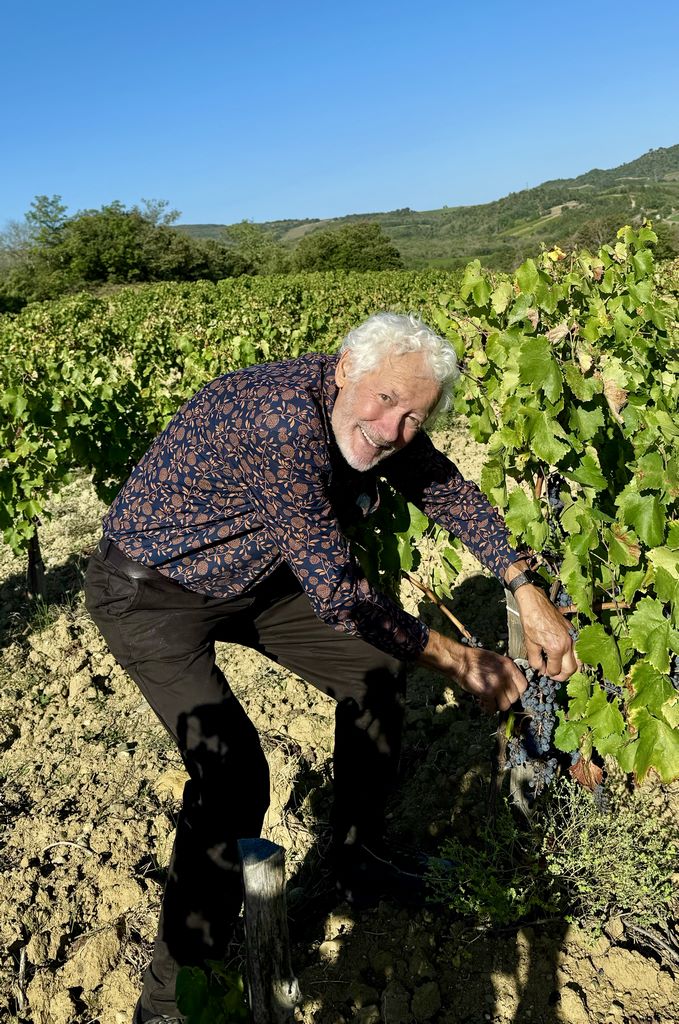
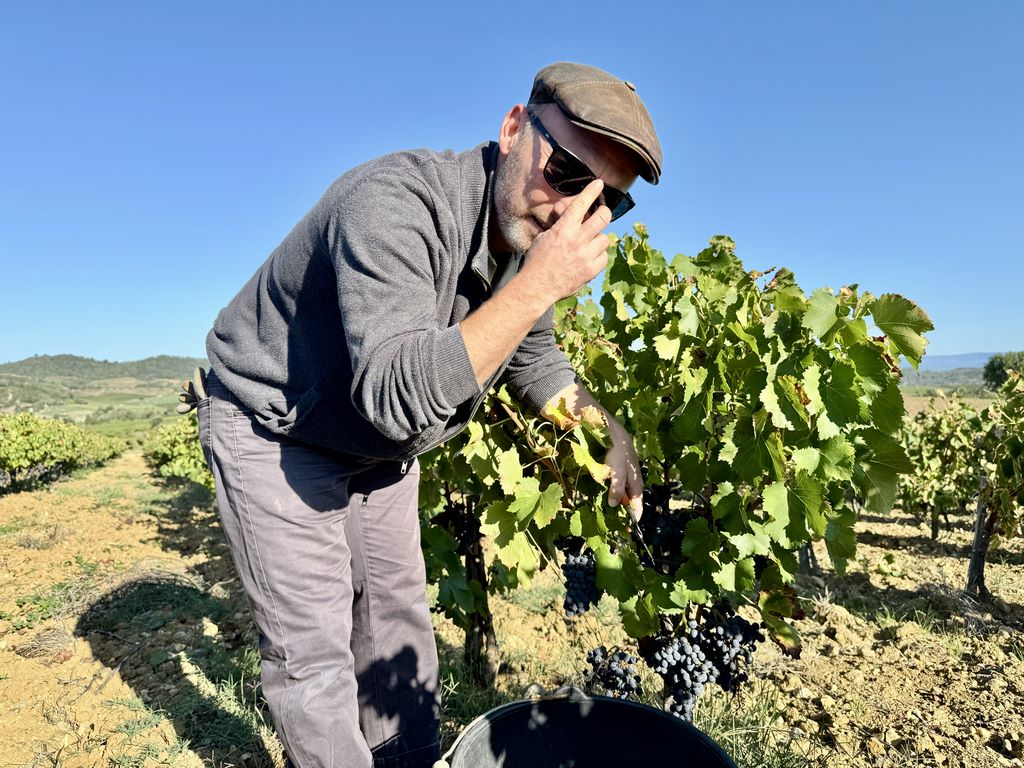
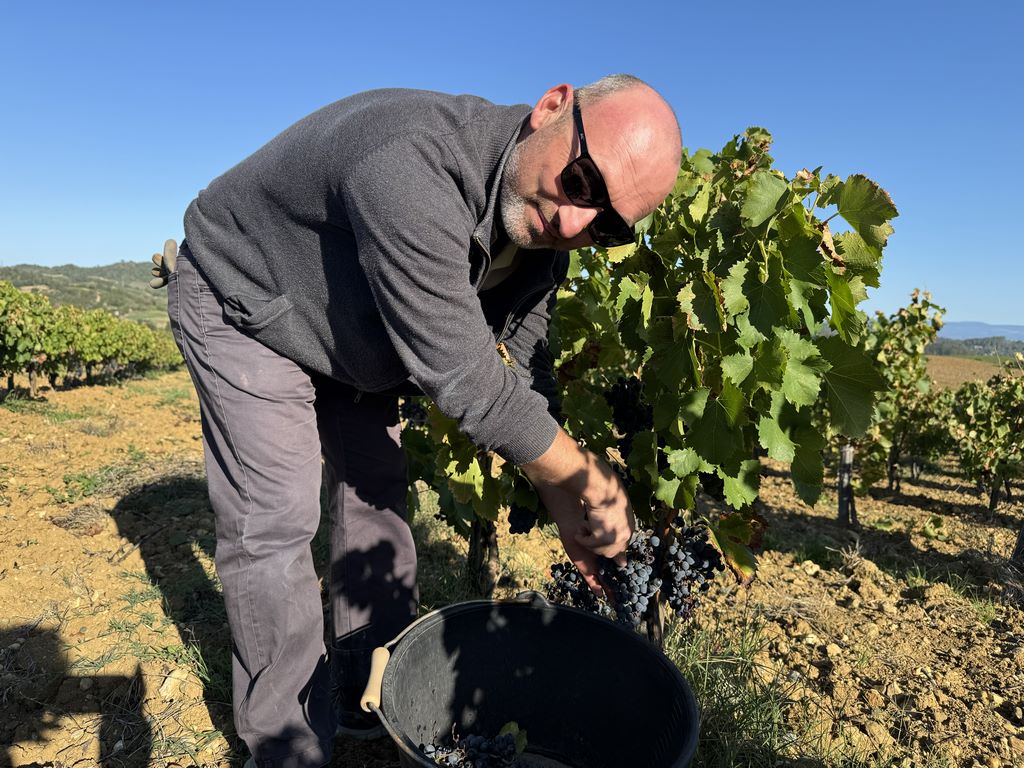
Laetitia Teisseire has introduced a philosophy of excellence: sustainable vine-growing, with a constant concern for respect for the environment, 100 % manual harvesting in crates, a demanding practice that guarantees the integrity of the grapes right through to the cellar, bottling on the estate (from 2016) to control the entire production process. © Sylvain Grandadam.
The estate offers a number of outstanding wines, including a Chardonnay-Chenin blend called «Vue sur Ciel» - a nod to the exceptional setting of the Clos - and red wines (Pinot Noir, Syrah) that express the elegance of high-altitude wines.
Clos TEISSEIRE
Chemin du moulin
11250 ROUFFIAC-D'AUDE.
Text and Photos (not mentioned) : Sylvain Grandadam
Acknowledgements
This report was produced with the help of Interprofessional Council of Languedoc Wines (CIVL) and theAgence Clair de Lune.
Alcohol abuse is dangerous for your health. Drink in moderation.