
A new genetic and archaeological study, published in Nature in January, reveals that, despite Russian colonisation, the biological heritage of the Yakuts, and even their oral microbiome have remained surprisingly stable. And that shamanic practices have long survived Russian and Christian colonisation.
Table of Contents
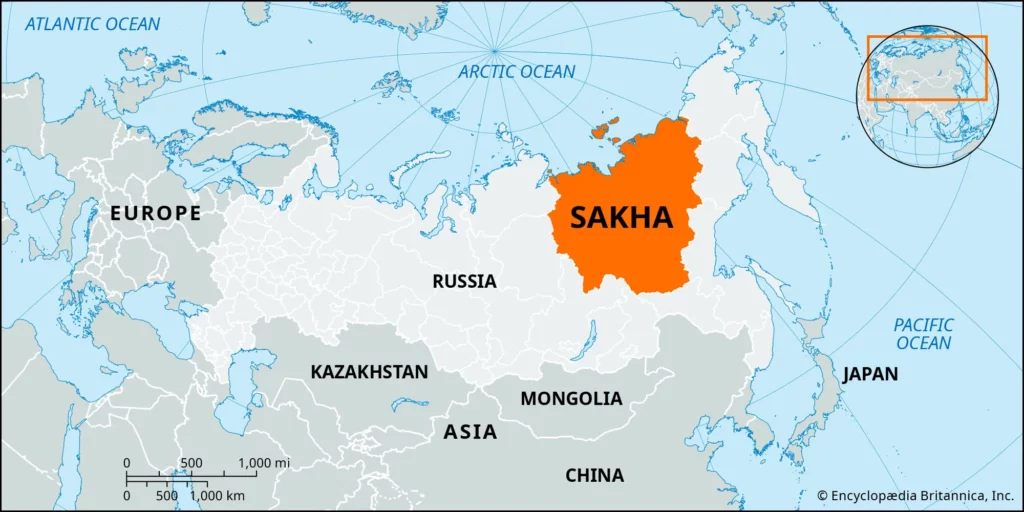
The Yakuts are the largest indigenous people in Yakutia. They live in north-eastern Siberia and number around half a million people. This is one of the coldest places on the planet, where in winter temperatures can drop below -60°C and annual temperature fluctuations exceed 100°C. The ice and permafrost gradually tell their story: centuries of cultural adaptations in an extreme environment where horse and cattle rearing provided transport, food, clothing and fermented milk. Even more astonishing, they speak a language belonging to the Turkic family, while their neighbours speak a language of Siberian origin. The Yakuts have also long practised shamanism, communicating with the spirits to guide and protect their communities.
Changes brought about by the Russian conquest
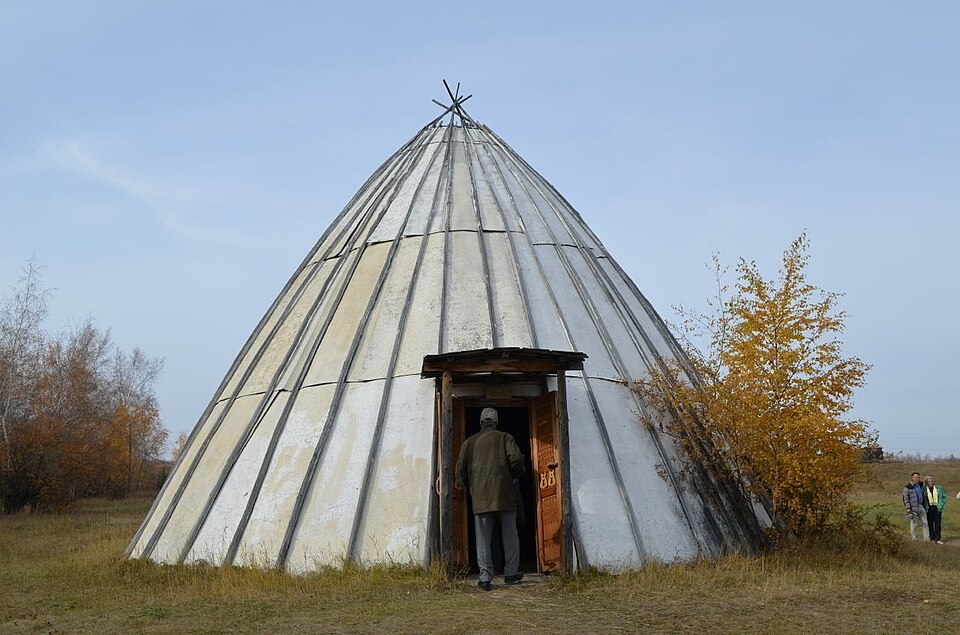
Type of ancient Yakut summer dwelling, a conical hut made of poles and covered with birch bark. © Commons.
Everything changed in 1632, when the Russian Empire began its conquest, followed by the development of Chinese trade at the end of the XVIIᵉ century. The fur trade, the introduction of tobacco, vodka and carbohydrate-rich cereals, as well as imported diseases (smallpox, tuberculosis, whooping cough) radically disrupted Yakut society. Patrilocal clans saw their power relationships transformed, and Christianity began to spread among populations that had previously been animist.
Between 1500 and 1922, four major stages marked the evolution of Yakut society: the traditional period, the «golden age» of the fur-trading clans, the intensification of Russian influence on religion and, finally, the Christian conversion campaigns of an animist population with shamanic practices. Despite these upheavals, the culture, practices and resilience of the Yakuts can still be read in their objects, rituals and even their genome, a living testimony to their history in one of the most inhospitable environments on Earth.
Reconstructing 500 years of history
To understand these millennia of life in the extreme cold and to study precisely the biological, medical and social consequences of a major transition in lifestyle following their «encounter» with Russia, scientists (French and Russian) have «analysed a complete collection of 122 individuals» covering the four stages in the evolution of Yakut society, with the main focus on the period 1500-1922. The archaeological digs uncovered skeletons and artefacts that were remarkably well preserved in the permafrost, revealing the cultural wealth of the Yakuts: textiles, ritual objects, wooden bowls - everything has remained exceptionally well preserved. The studies generated extensive ancient DNA data to shed light on contemporary changes in Yakut genomic diversity and their oral microbiomes.
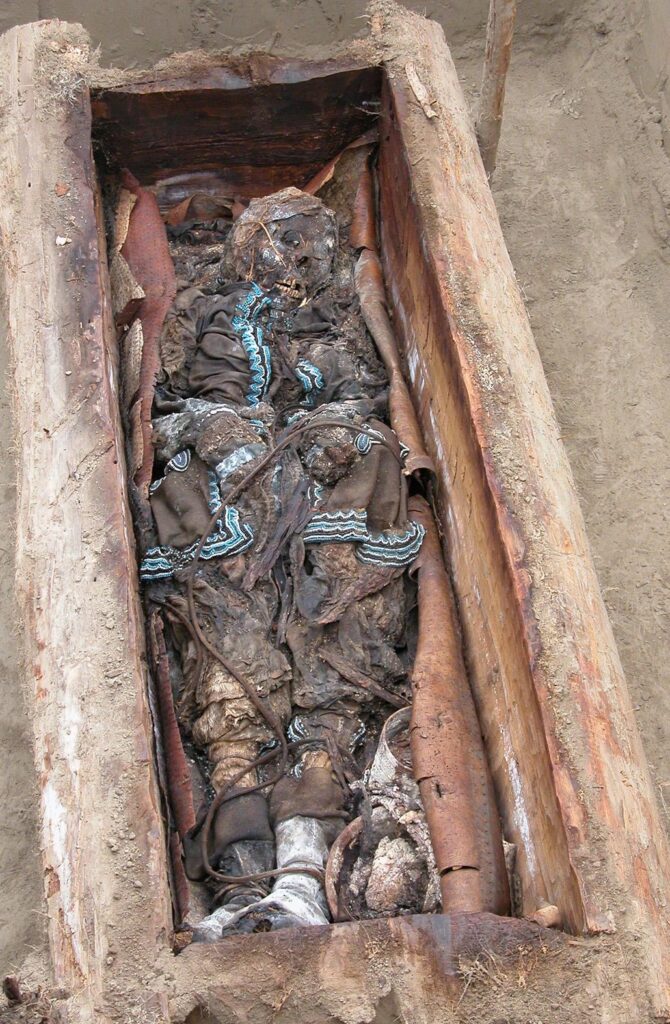
Russia. Yakutia. Yakutia - Tomb of Kyys, the young shaman girl, dated 1728 by dendrochronology. © P. Gérard, MAFSO.
A close original link between the Yakuts and Lake Baikal

" We have found that the Yakuts are descended from local populations who are thought to have lived in the region since the Iron Age (1200 BC to 550 BC) and merged with groups from the Trans Baikal migrated during the expansion of the Great Mongol Empire (which began in the 13th century). Despite the Russian conquest, the Yakut gene pool and oral microbiomes remained stable overall, although strains of smallpox distinct from those documented in Europe around 1650 circulated. », the authors of the study reveal. This fusion has given rise to a people that is both genetically stable and culturally hybrid, rooted in their land while integrating new influences.
Exceptional genetic and cultural resistance
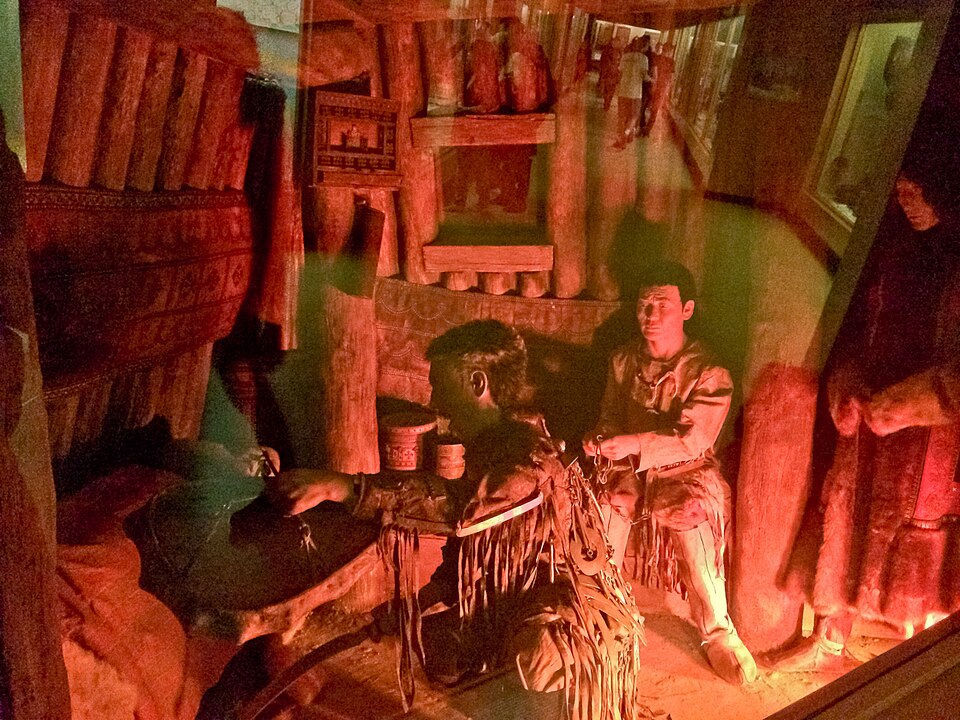
Despite exposure to new diseases and foods that were previously unknown(barley, rye), dental analyses of the exhumed bodies show no major change in the Yakuts « oral microbiome. " Despite the arrival of the Russians and the introduction of new foods, the Yakuts' oral microbiome remained stable for four centuries, testifying to the biological and cultural resilience of this population », the researchers reveal.
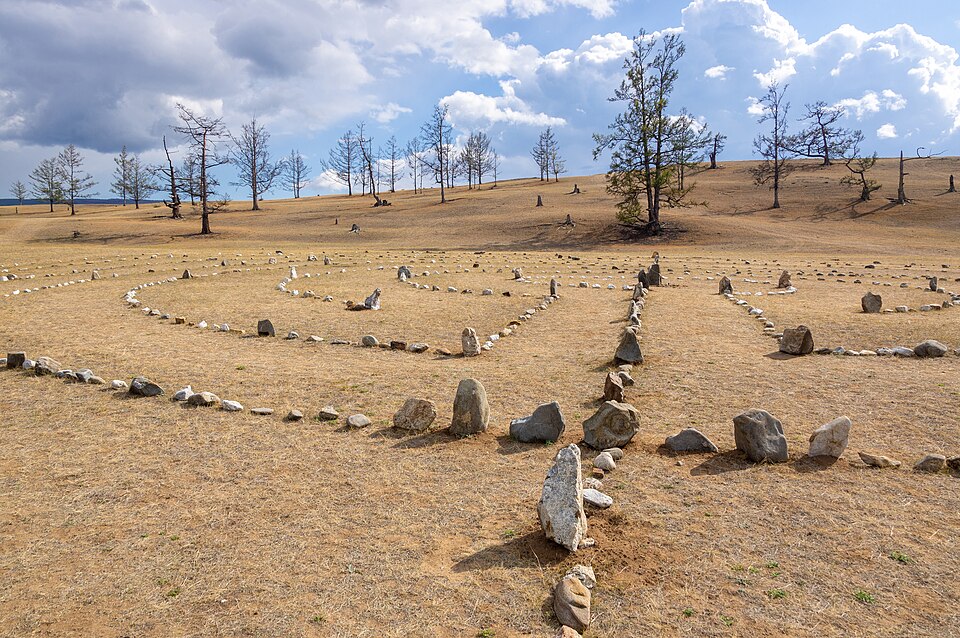
Moreover, despite Russian colonisation, shamanism has endured. Scientists have found several corpses bearing ritual marks or cult objects, although they are not from the same genetic family", Shamanism was not linked to genetically related individuals, indicating that the practice was not confined to a single family clan », they write. Shamanic practices appear in different individuals, independently of their genetic link, showing a cultural transmission rather than a familial one.
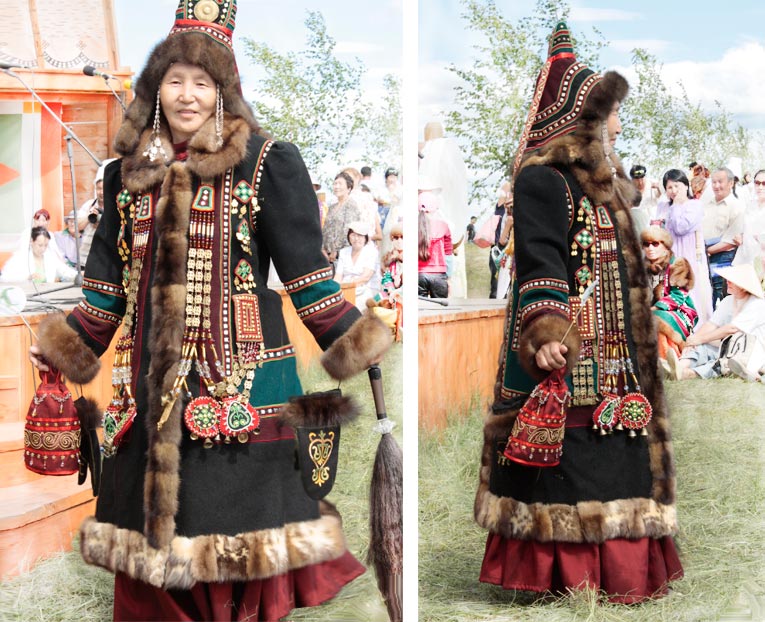
The body of a woman, buried with ancient cult objects, is proof of the cultural and spiritual resistance of certain Yakut groups to Christianisation and the social changes brought about by the colonists. « She died just as Christianity was beginning to take root among the Yakuts, and can be seen as the embodiment of a clan's efforts to preserve its cultural and spiritual traditions.. »
By combining archaeology, genetics and the study of the microbiome, this study offers a complete portrait of the Yakuts: a people with deep roots, resilient, capable of preserving their ancestral practices and social cohesion despite external pressures.
Text : Brigitte Postel
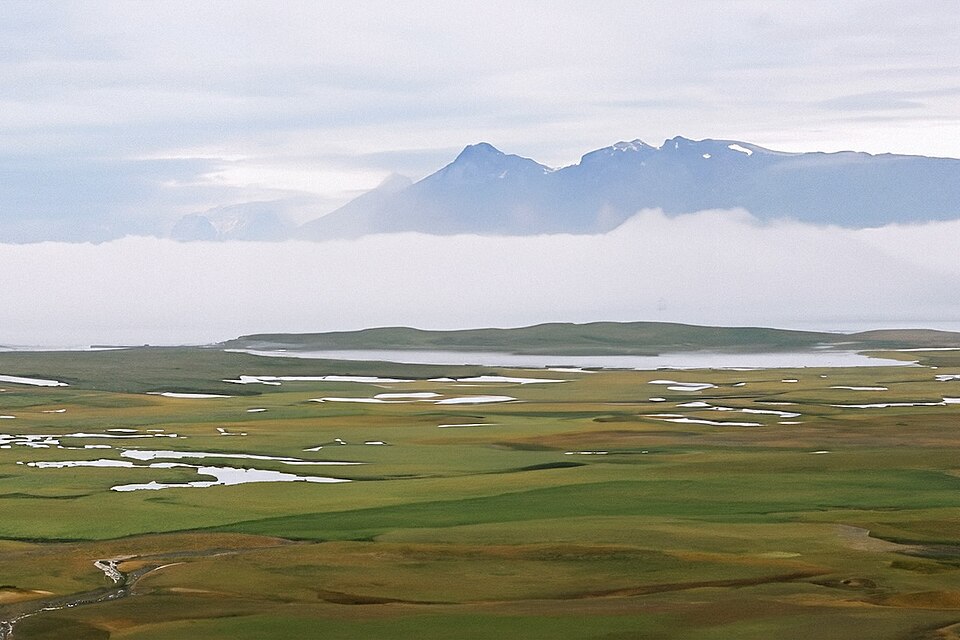
Photos opening : Russia, Tundra and Taiga in Sakha, Yakutia. Svetlana Sibiryakova/Commons.