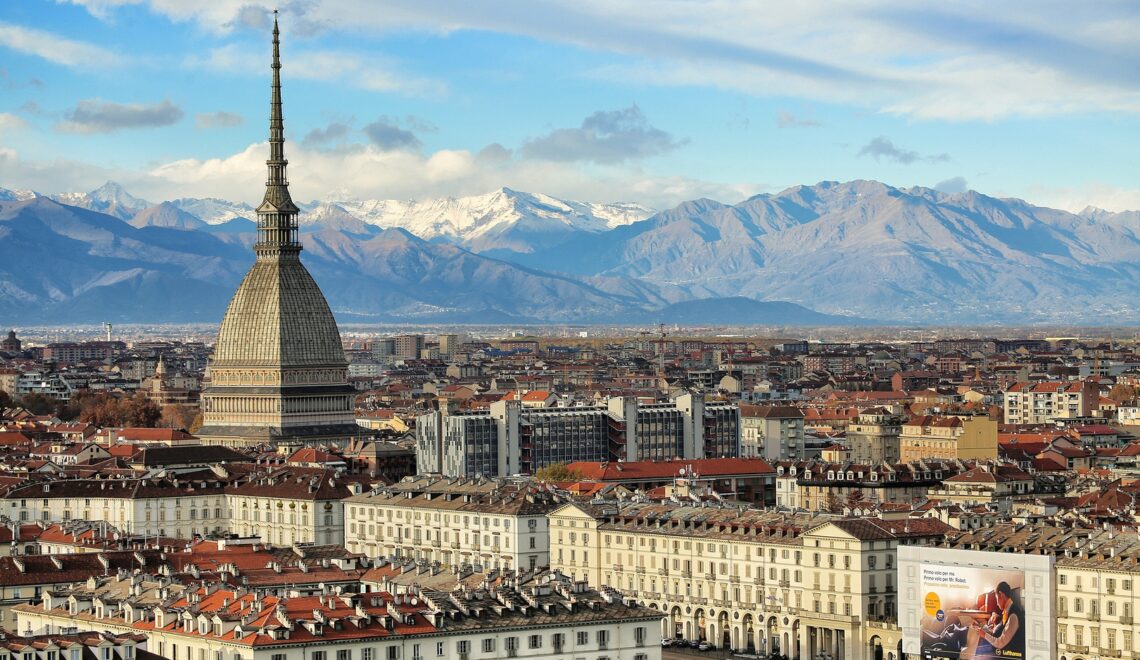
There are cities that reveal themselves slowly, and Turin is one of them. Long overshadowed by Rome, Florence, Milan and Venice, the capital of Piedmont cultivates a sense of discretion that is now what makes it so unique. Firstly, through its architectural refinement. Then, through its royal heritage. And above all, through its way of life.
Table of Contents
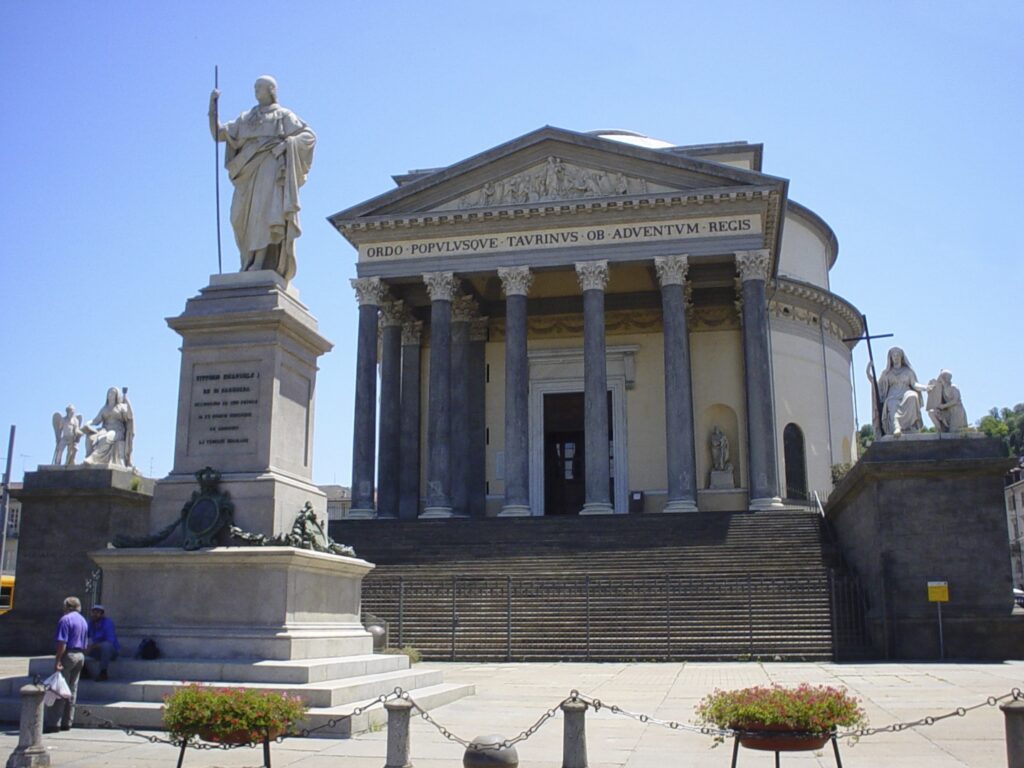
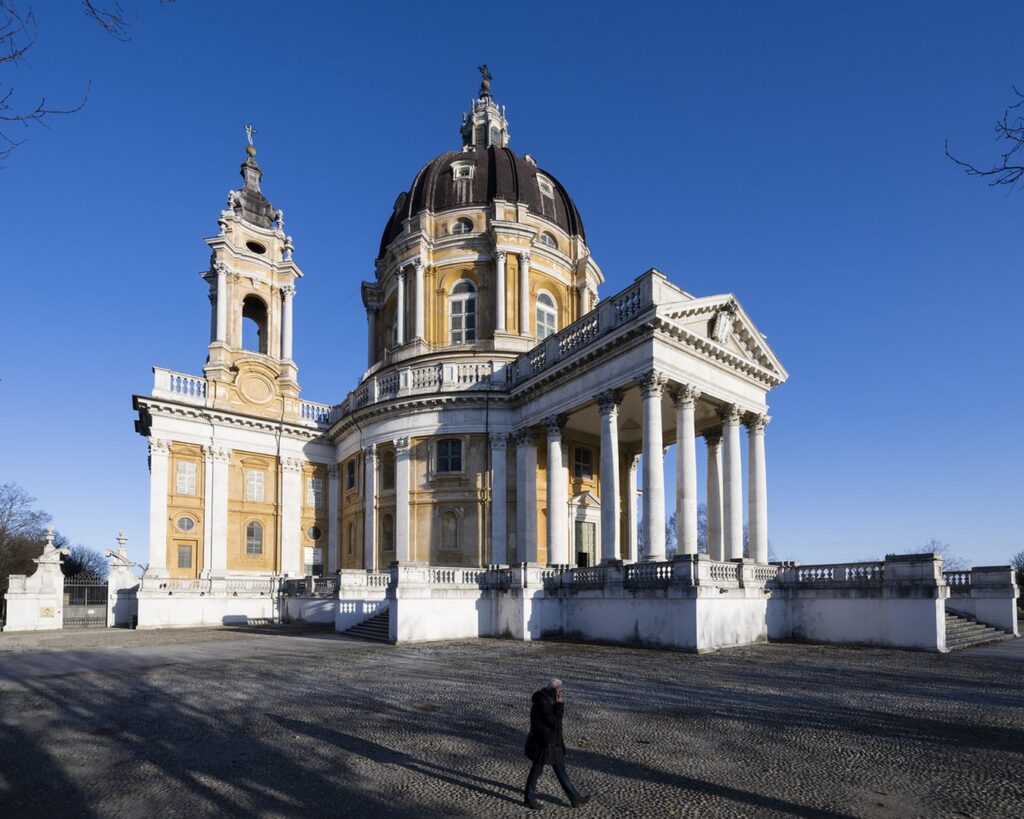
As soon as we arrive in Turin, one thing immediately strikes us: its wide avenues, its sweeping views, its monumental squares and, of course, its arcades. Kilometres of arcades (18 km), among the longest in Europe, second only to Bologna. They offer a pleasant stroll, sheltered from both sun and rain. But Turin wouldn’t be Turin without this culinary delight: chocolate.
Turin: a city of palaces, culture and culinary delights
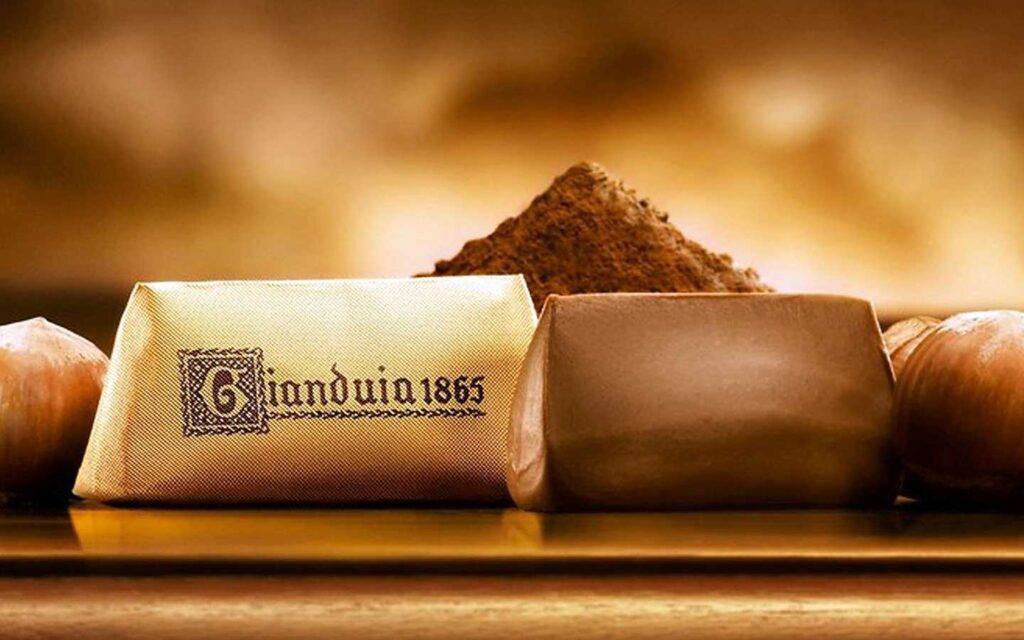
Indeed, the city is one of Europe’s major cocoa capitals. Long before the trend for artisanal chocolate took hold in trendy cities, Turin had already turned it into an art form. It was here, in fact, that the legendary gianduiotto, this small prism-shaped bar made from chocolate and Piedmont hazelnuts. A creation born of a historical constraint – the scarcity of cocoa – transformed into a gourmet masterpiece.
© Clop/Commons.
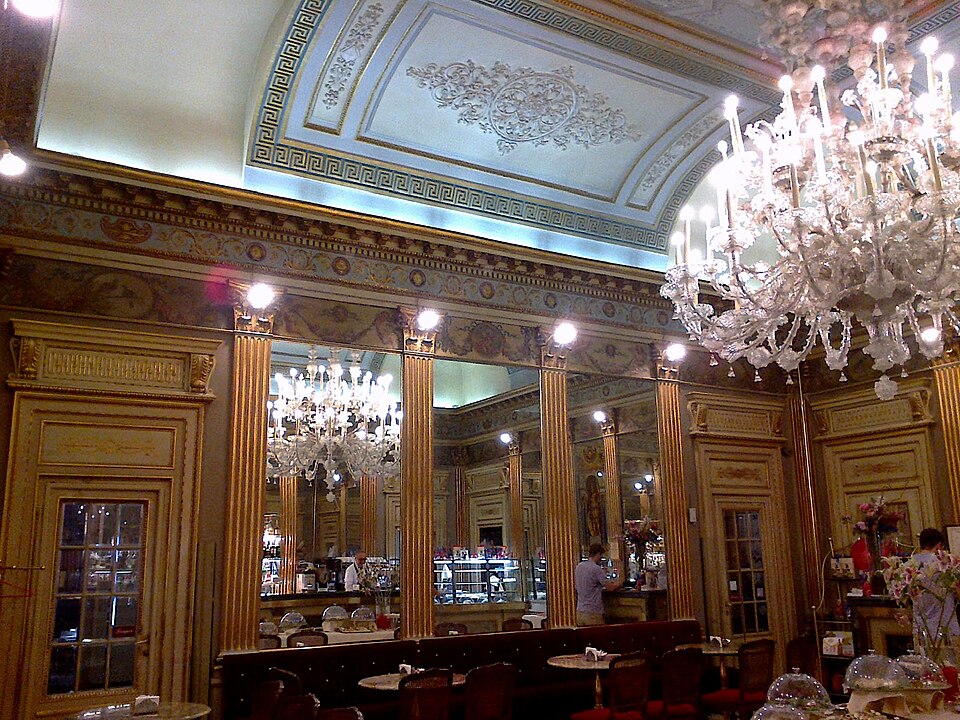
In Turin, chocolate isn’t just a dessert. It’s a way of life. And this way of life is wonderfully reflected in the city’s cafés.
The first must-see stop: Piazza San Carlo. Beneath its elegant arcades, the legendary Caffè San Carlo embodies the very soul of the city. Antique mirrors, sparkling chandeliers, exquisite wood panelling: stepping inside is like entering an opera set. This café was one of the bastions of the Risorgimento, a venue that has welcomed intellectuals, artists and politicians. Even today, it remains a popular spot where visitors can enjoy espresso, pastries and local specialities in a timeless atmosphere.
At the heart of the Savoy dynasty’s power
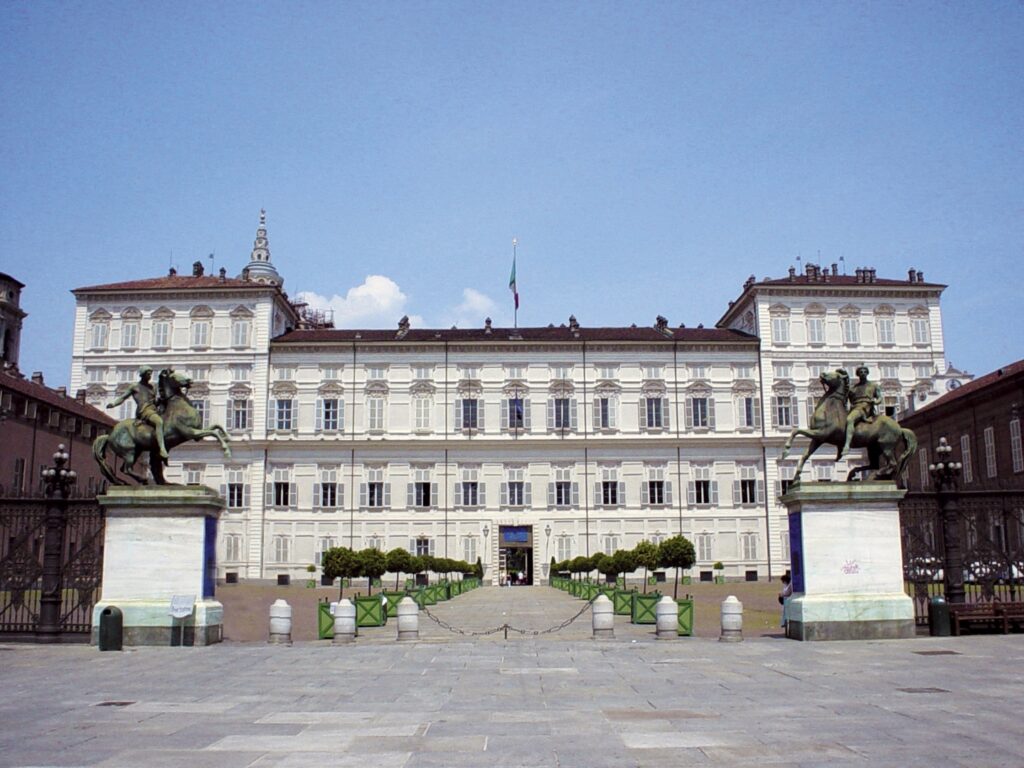
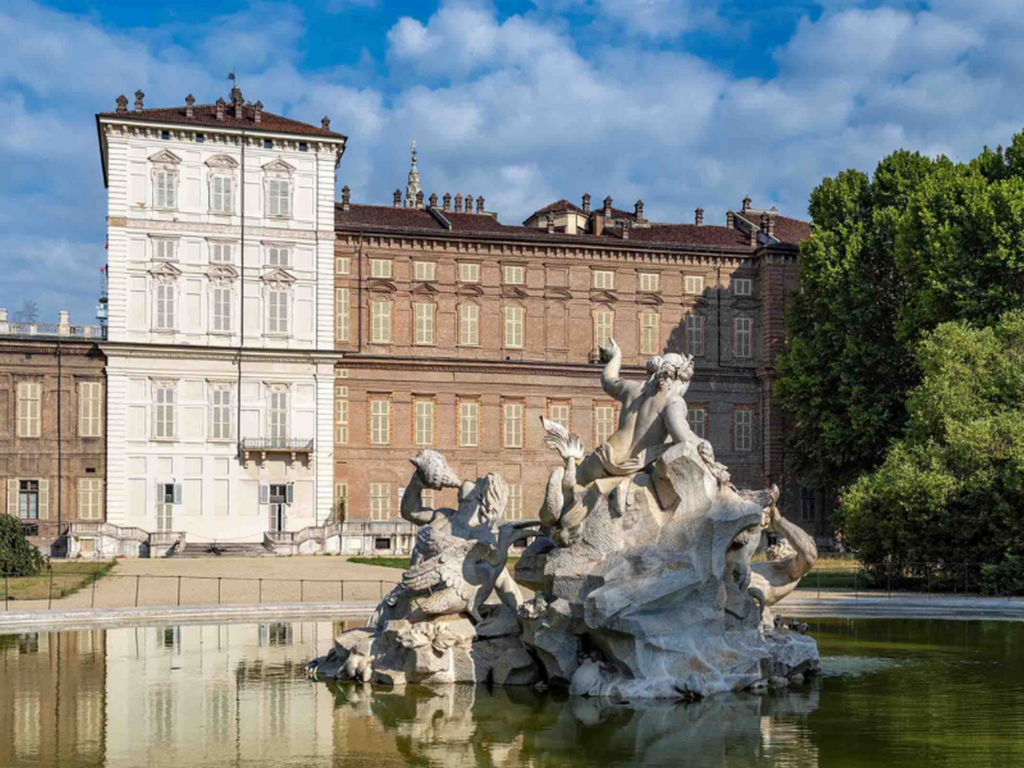
Turin’s historic centre unfolds like an open-air history book. The city was the capital of Kingdom of Sardinia and the cradle of Italian unity. Its royal past is evident in its Royal Museums, which offer a true immersion in the sumptuous world of the House of Savoy.
The Royal Palace of Turin epitomises the grandeur and refinement of this dynasty. Far more than just a royal residence, it was designed to impress visitors and assert the power of its sovereigns.
Built from the 16th century onwards and transformed over the centuries by the court’s greatest architects, the palace, with its monumental proportions, became the political and symbolic heart of the Kingdom of Savoy. It is undoubtedly the grand staircase that best encapsulates the spirit of the place. It immediately impresses us with its grandeur and prestige.
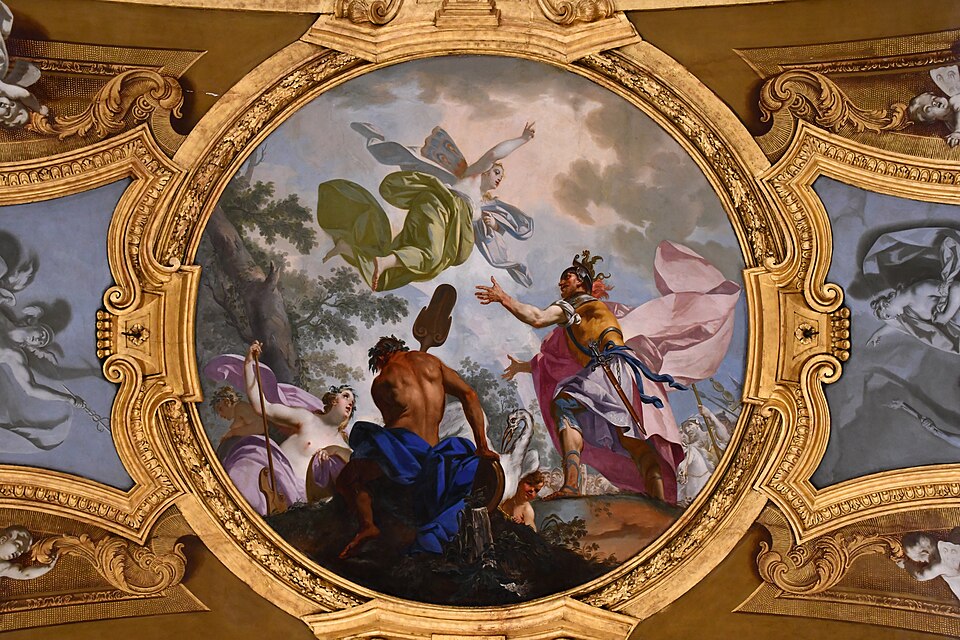
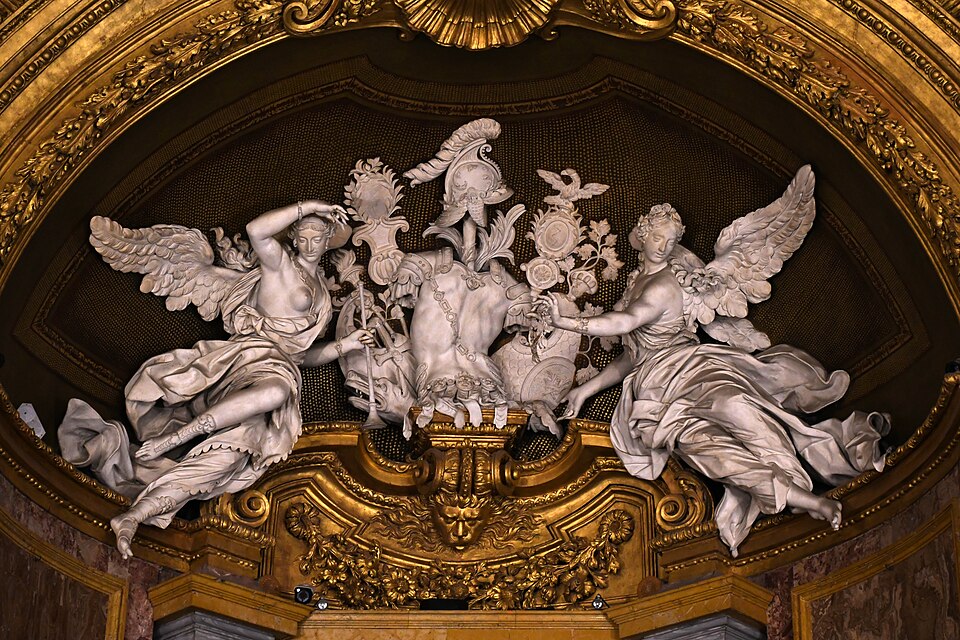
The palace’s splendour is then evident in its state rooms. The ceilings are adorned with dazzling frescoes. Light glints off the gilded details. The crystal chandeliers further enhance this sense of splendour. Not to mention its walls, marble floors, carved furniture, embroidered armchairs, and so on.
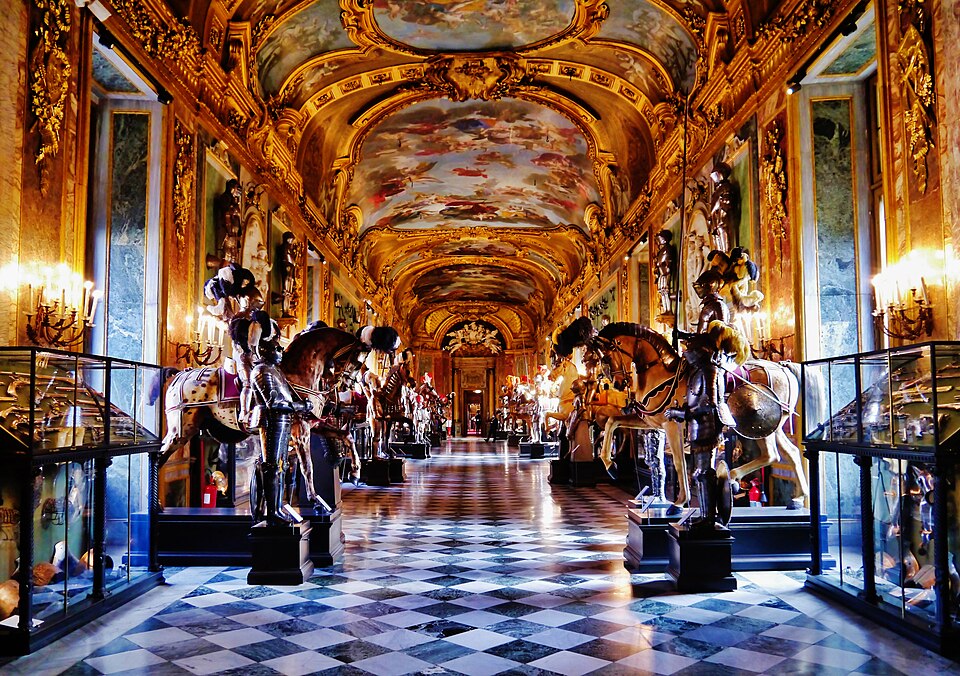
The palace also has a real treat in store with its exceptional Royal Armoury, one of the richest in Europe. Established in the 19th century at the request of King Charles Albert, it houses several thousand artefacts chronicling centuries of military history. As soon as you enter, your gaze is drawn to a spectacular gallery lined with knights in armour mounted on their caparisoned horses. The suits of armour, finely chiselled and sometimes inlaid with gold or silver, rival the swords, halberds, arquebuses, pistols and other ceremonial weapons in elegance. These objects were true works of art, designed to impress the courts of Europe as much as to assert the authority of the House of Savoy. Every detail bears witness to the exceptional craftsmanship of Italian and foreign armourers, who were able to transform steel into true works of art.
© Zairon/Commons.
The impressive cinema museum
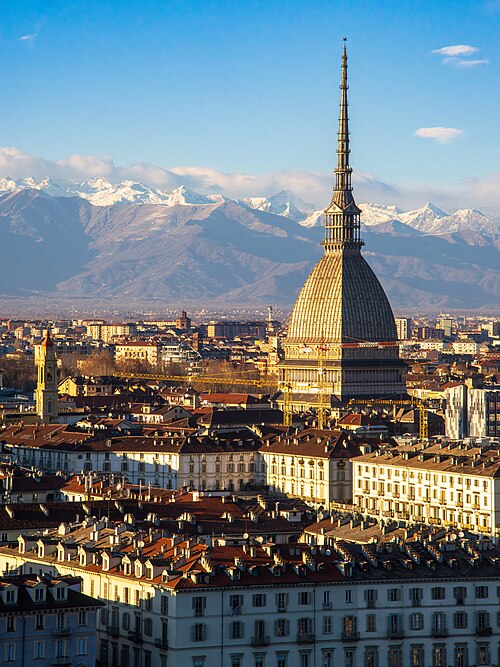
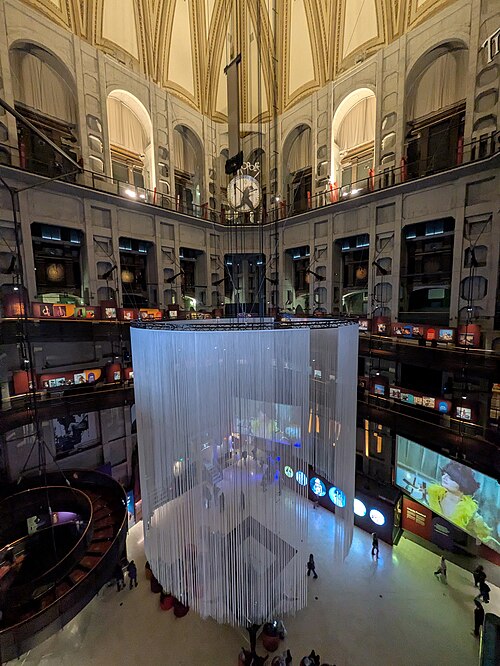
Then Turin changes tack. We head for its most iconic monument: the Mole Antonelliana, a domed masonry building 167.5 metres high. It’s impossible to miss this silhouette towering over the city. Originally planned as a synagogue but now an iconic symbol of Turin, the building is now home to the fascinating National Film Museum. And what a museum! Immersive displays, archives, sets and iconic artefacts: the experience captivates film buffs and casual visitors alike. From its panoramic lift, there’s a spectacular view across the whole city, with the Alps as a backdrop. This year, the museum is dedicating an exhibition to Orson Welles (1915–1985). Entitled My Name Is Orson Welles, this major retrospective is a journey into the heart of the world of the master of Citizen Kane (1941). Over 400 rare photographs, archive materials, drawings, posters, personal documents and audiovisual installations trace the meteoric rise of this multi-talented artist, film director, actor, screenwriter and radio presenter. (1) The exhibition runs until 5 October 2026.
The Egyptian Museum, an unexpected gem in Turin
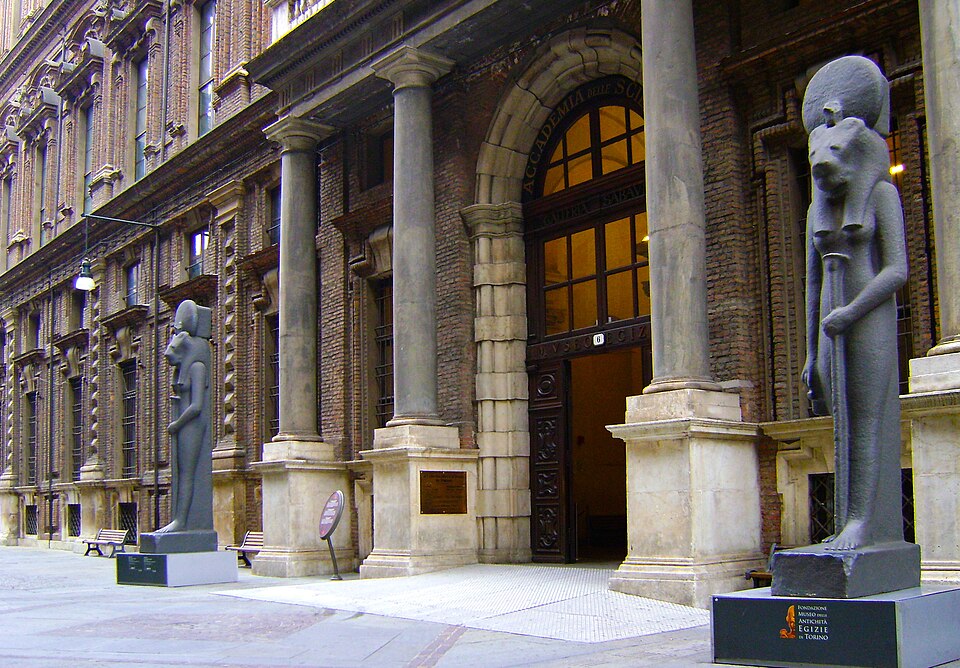
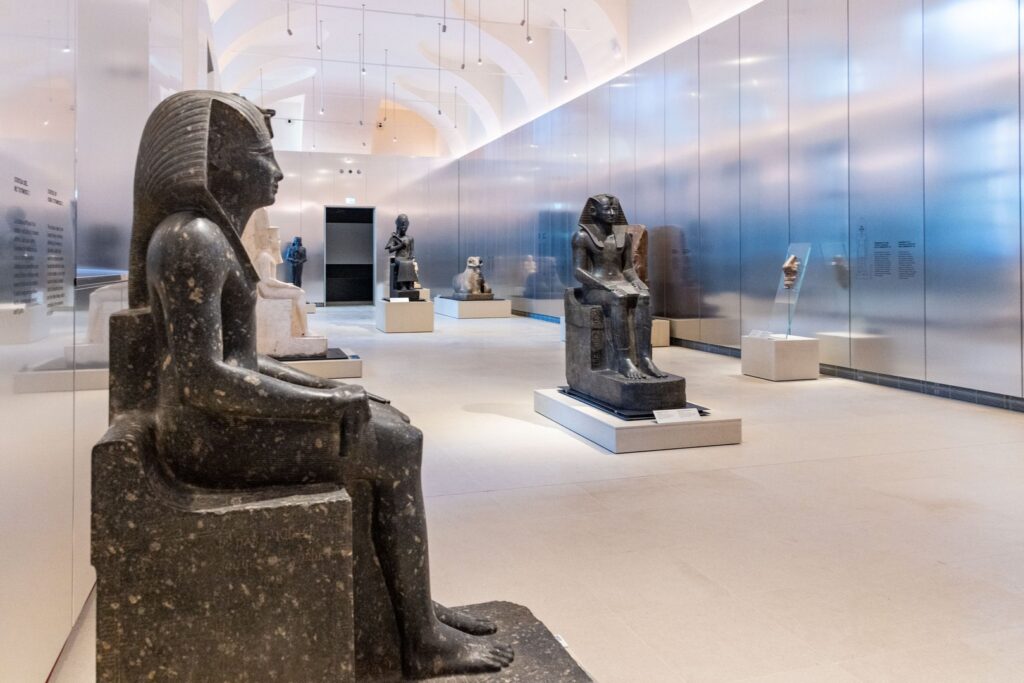
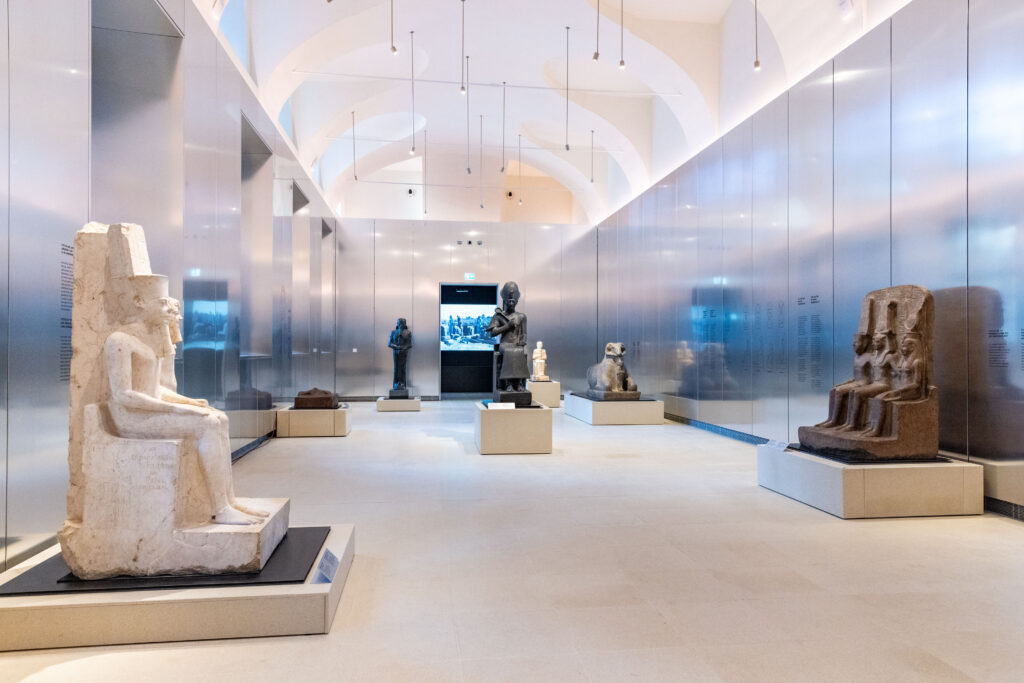
Another of the city’s absolute gems: the fascinating Egyptian Museum. Few travellers realise it, but the Egyptian Museum in Turin is quite simply the world’s most important museum dedicated to ancient Egypt, after the one in Cairo. Colossal statues, finely carved sarcophagi, millennia-old papyri, jewellery, everyday objects, perfectly preserved mummies… Over four millennia of history unfold before our eyes. We discover funeral rites, the role of the sacred, social organisation, medicine, writing and the fascinating beauty of religious artefacts. Each room is a window onto a civilisation that continues to impress us. Here, Turin reveals another side to itself: that of a city with an ambitious cultural life.
The Venaria Palace, the former hunting lodge of the House of Savoy
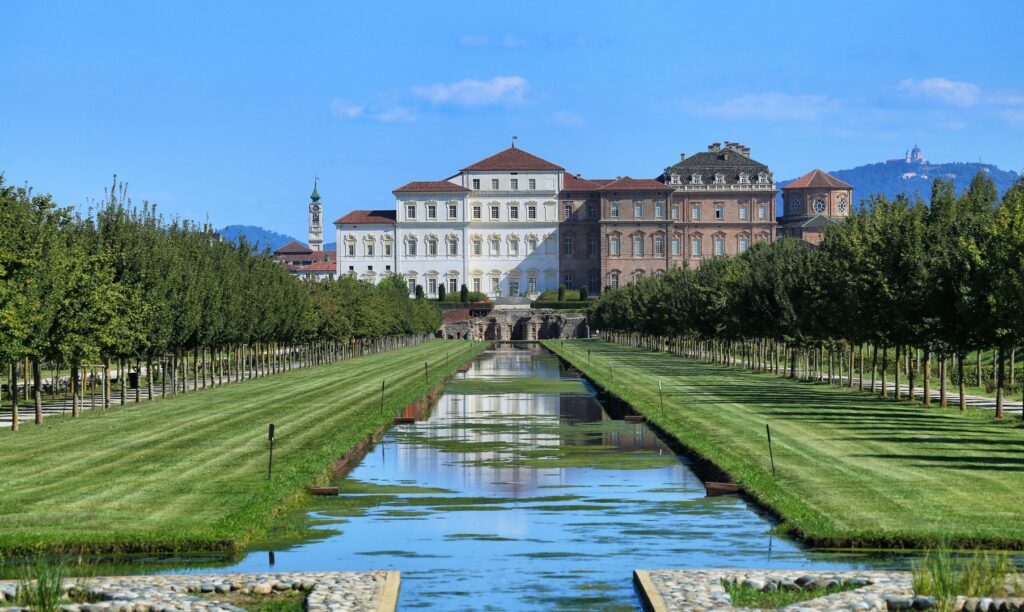
On the outskirts of Turin, the Venaria Reale Palace stands out as one of the most dazzling jewels of European Baroque architecture. Commissioned by the Dukes of Savoy, it is often compared to the Palace of Versailles. Built in the 17th century as a hunting lodge, the Venaria quickly outgrew its original purpose to become a theatre of power. Its majestic galleries and sumptuous décor reflect a clear ambition: to rival the greatest courts of Europe. The heart of the palace remains the extraordinary Grande Galerie, with its gilded details, dizzying heights, intricate marblework and immense windows. Long abandoned, plundered and then disfigured over the centuries, the Venaria has undergone a spectacular revival thanks to an ambitious restoration project.
Turin whets your appetite… and then tempts you with vermouth
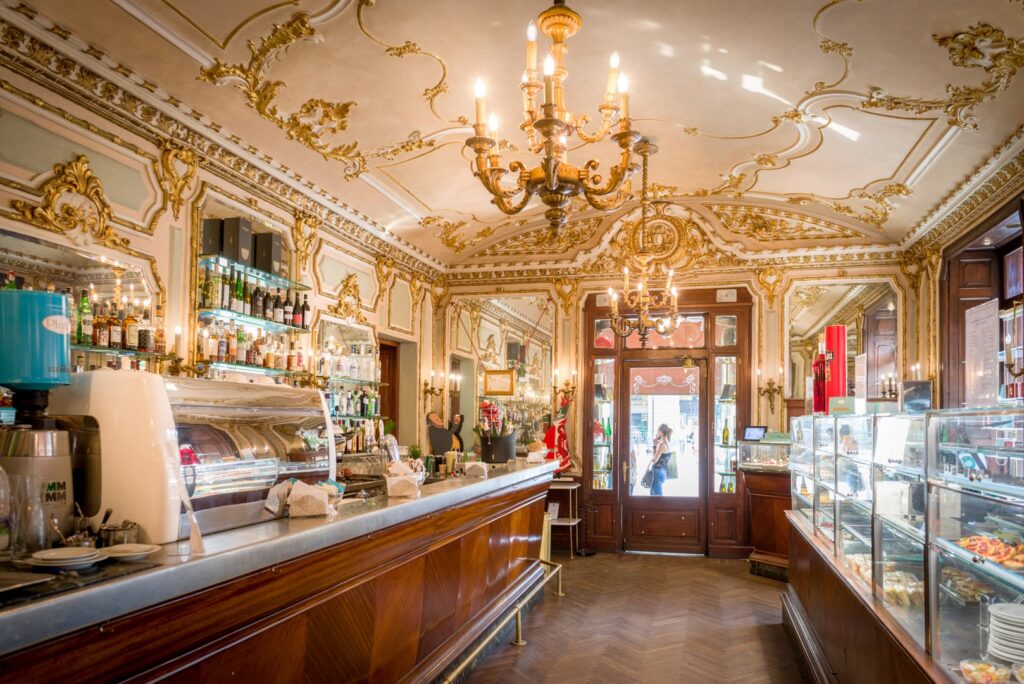
Turin charms visitors with little touches: a velvety hot chocolate, a historic café, a 19th-century gallery, a Baroque palace, a glass of vermouth… And not just any vermouth. It is one of the city’s local pride and joys. Originating in Turin in the 18th century, this aromatised wine is an integral part of Piedmont’s gastronomic heritage. At the Caffè Platti, an institution founded in 1875, a tasting of three vermouths reveals the full richness of this local speciality. Served in delicate, hand-cut glasses, accompanied by tasty Piedmontese canapés and with impeccable, elegant service, they bring to life the essential ritual of the aperitif.
Turin never sets out to charm at first glance. It prefers to reveal itself slowly, through its palaces, historic cafés, museums, majestic squares and gourmet spots. Then, without warning, it wins you over completely. A royal city, a city of art, a city of fine dining, the capital of chocolate and the birthplace of vermouth, it combines heritage, the good life and contemporary creativity with rare elegance. This is undoubtedly its greatest secret: offering an experience that is best savoured over time. And it is precisely for this reason that you leave with just one certainty: the irresistible desire to return.
Practical information
To ensure your trip to Turin is a success, checking the official Italian and Turin tourism websites is an essential step. These platforms offer much more than just practical information: they enable you to plan ahead and make the most of every stage of your journey.
The national website of theItalian Tourist Board provides an ideal starting point for discovering the country’s cultural, culinary and heritage treasures. It offers themed itineraries, ideas for day trips in Piedmont, as well as valuable advice on the best times of year to travel.
For more targeted preparation, the official website of theTurin Tourist Office is an essential resource. It contains all the essential information on museums, royal residences, temporary exhibitions, cultural events and top dining spots.
Where to have dinner in Turin
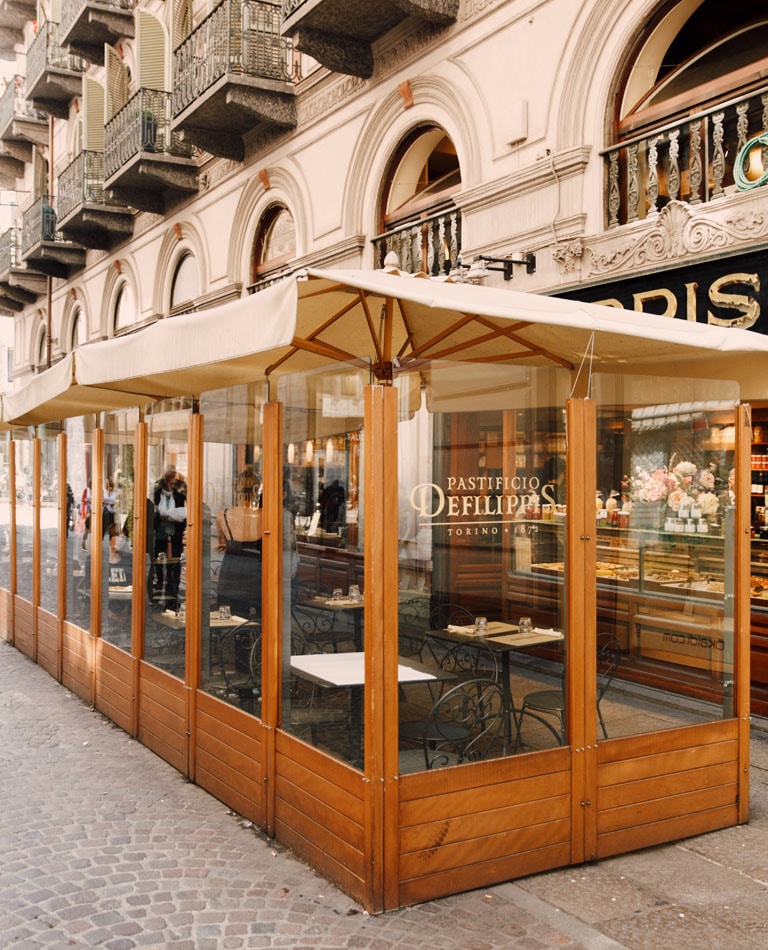
Turin knows how to appeal to food lovers. Dinner at Defilippis Pasta Factory proves this brilliantly. Pastificio Defilippis is much more than just a restaurant: it is a true Turin institution, where history and gastronomy have come together for over 150 years. Founded in 1872 by Domenico Toso, a former chef to the House of Savoy, the establishment continues a tradition of excellence inherited from the royal court.
Situated on the elegant Via Lagrange, right in the heart of Turin, Defilippis charms visitors with its atmosphere, blending the charm of a pasta factory (pasta factory) combining the charm of a historic establishment with the elegance of a contemporary restaurant. Here, pasta is an art form. Every day, the great Piedmontese classics are prepared by hand: agnolotti full tank, tajarin and ravioli with delicate fillings. The house speciality remains the famous Traditional ravioli, made according to a time-honoured recipe using roast Piedmontese meats, wrapped in a thin, silky pastry. An almost unmissable treat for lovers of great Italian tradition.
Where to stay in Turin
TheOpera 35 Boutique Hotel is one of Turin’s most elegant hotels, ideal for travellers seeking charm and sophistication. Housed in a superb 19th-century neoclassical bourgeois building in the sought-after Piazza Vittorio Veneto neighbourhood, this 4-star hotel subtly blends the splendour of the Belle Époque with contemporary comfort. We were charmed by its cosy atmosphere and understated elegance.
One of its great assets is its leafy inner courtyard, a true haven of peace in the heart of the city, where you can enjoy a coffee in a tranquillity that is rare in Turin. The bright and tastefully decorated rooms and suites offer top-class comfort.
www.opera35.com
Travel guide
1 - My Name Is Orson Welles The exhibition runs until 5 October 2026.
Text : Laurence Gremy-Flamand
Photos : as specified or DR
Photo opening : Turin Tourist Office.