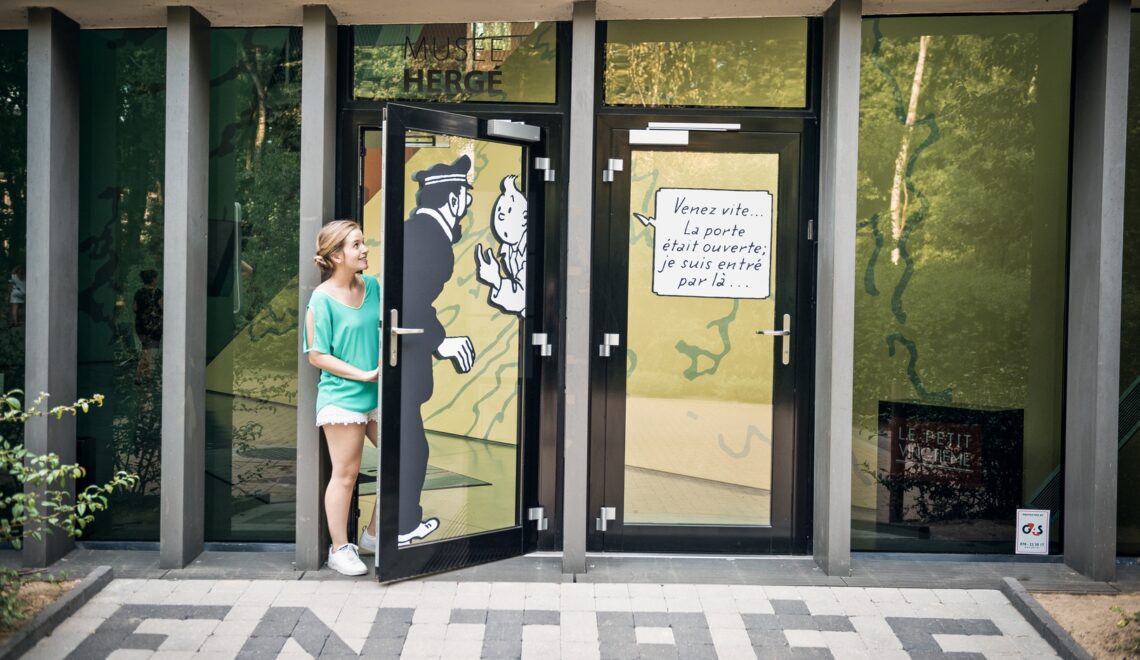
In Wallonia, in Louvain-la-Neuve, in the province of Walloon Brabant, a museum pays tribute to one of the greatest creators of the ninth art. The visit is an invitation to discover the meticulous work, the imagination and the immense talent of’Hergé, the father of Tintin.
Table of Contents
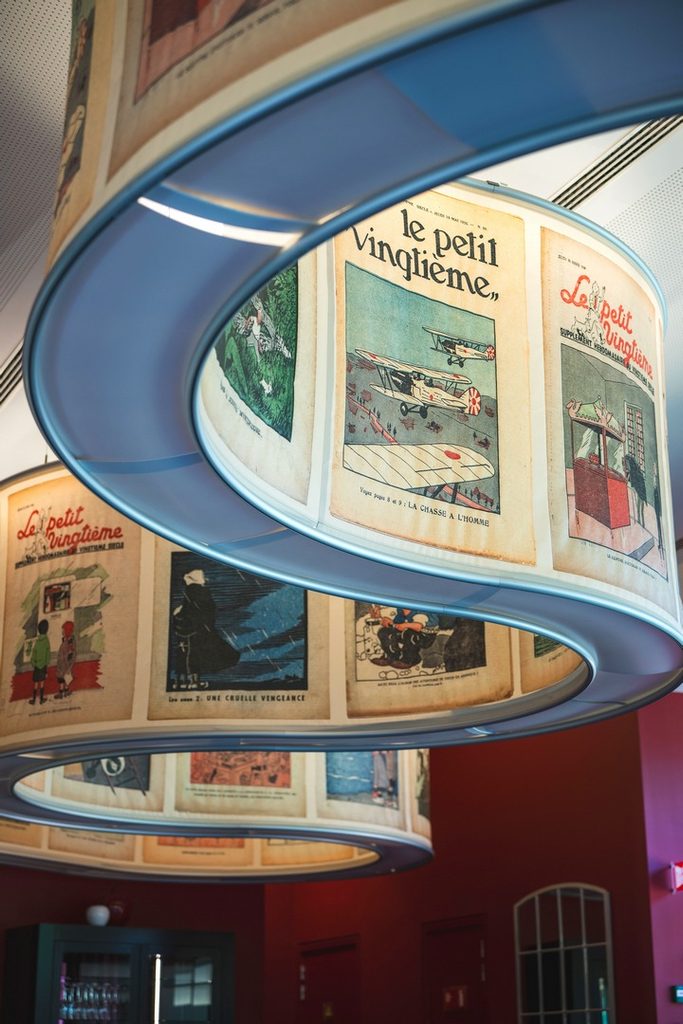
There are characters who cross generations without ever showing a single sign of aging. Tintin belongs to this rare category. Since his first appearance in 1929 in The Little Twentieth Century, The young reporter in the blonde cap continued to travel the world, bringing millions of readers with him.
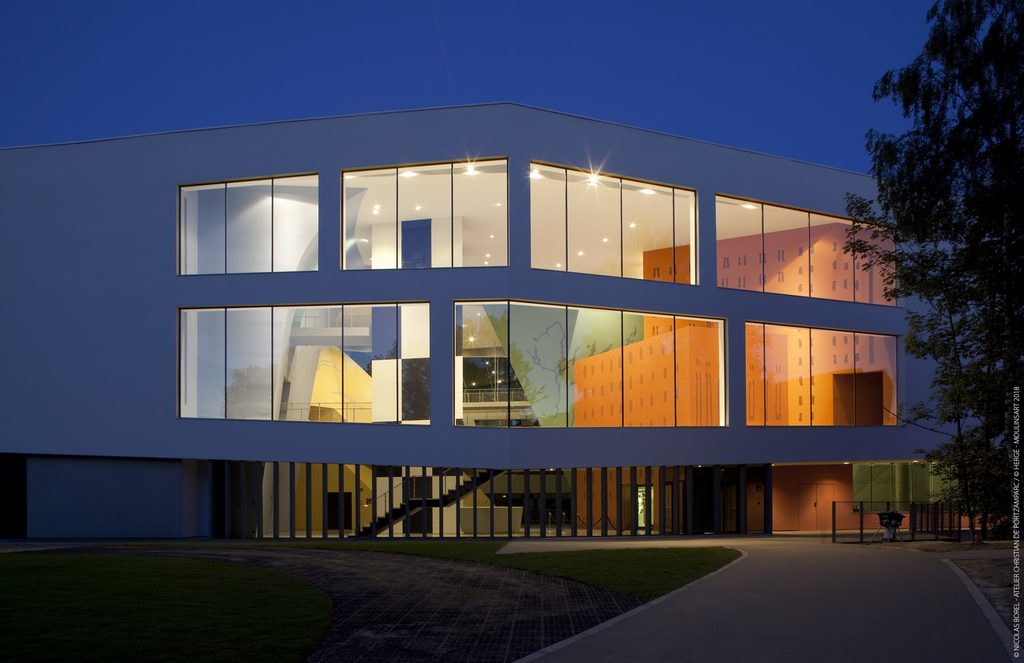
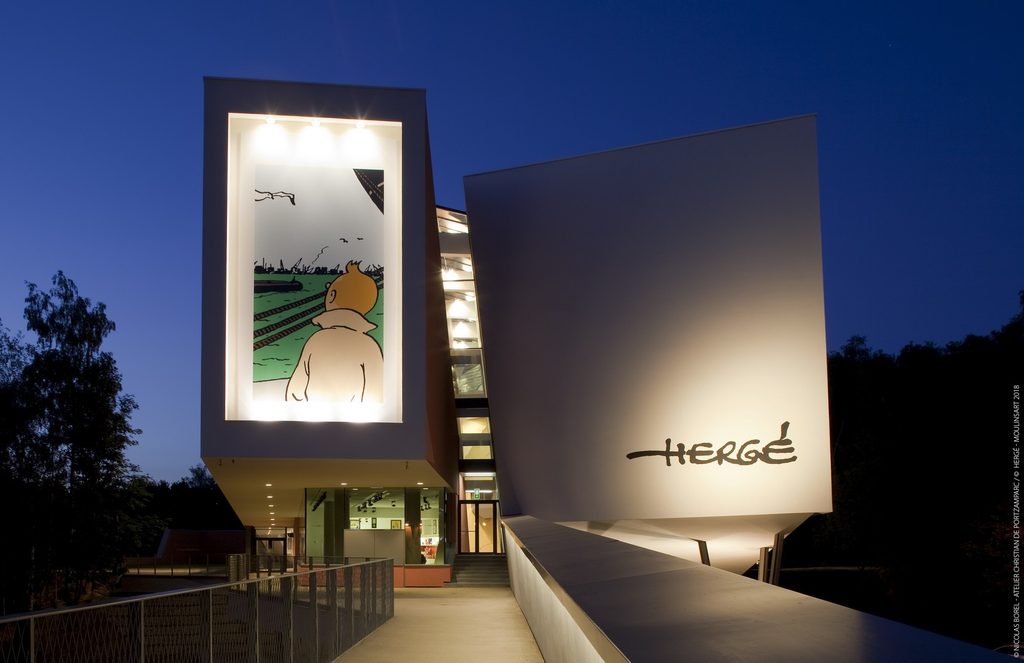
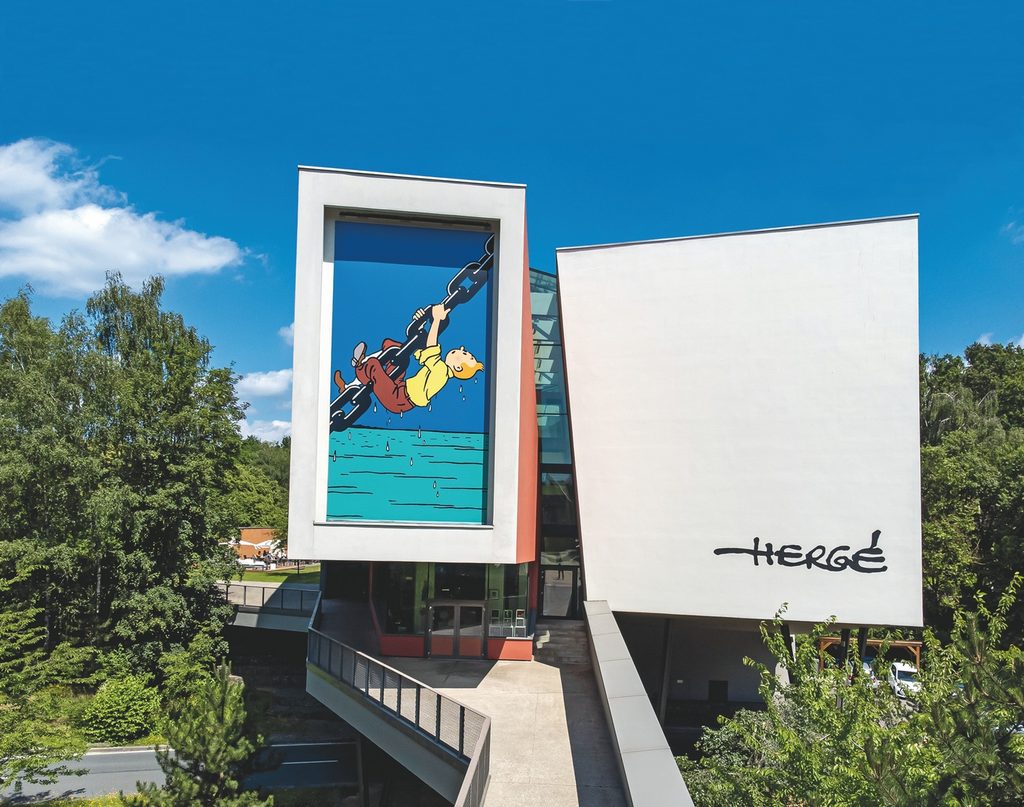
The Hergé Museum, dedicated to him, holds many surprises, starting with its architecture. Designed by the architect Christian de Portzamparc, The building, with its bold volumes and contemporary lines, may surprise the visitor. Inside, we are invited to discover the many facets of an artist with many talents.
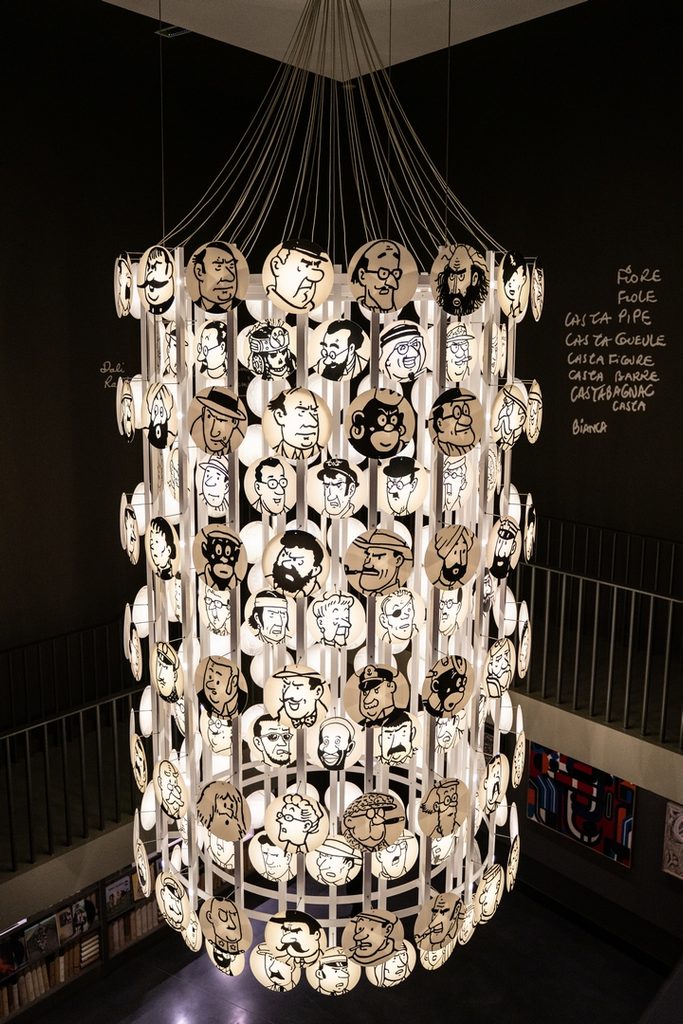
The museum tour also naturally allows you to rediscover the emblematic characters who accompanied our childhood: Captain Haddock, Professor Tournesol, the Dupond and Dupont families, Castafiore…
But beyond the nostalgia, it is especially the discovery of the creative process that holds the attention. The original drawings in his albums are undoubtedly the greatest vehicles of emotion.
The joy of reliving the artist's gesture
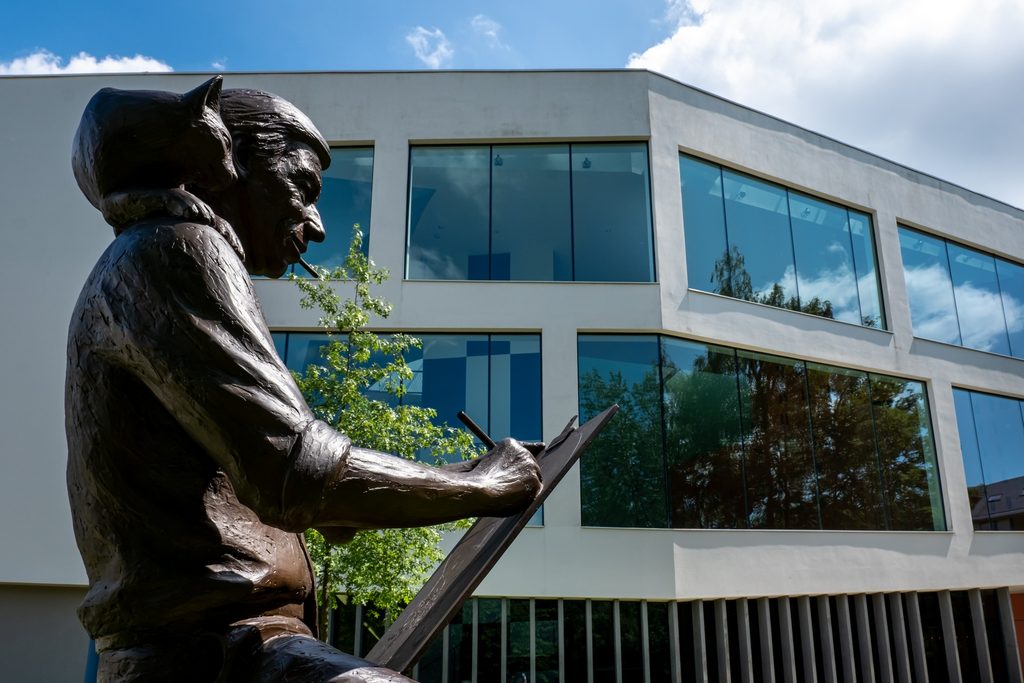
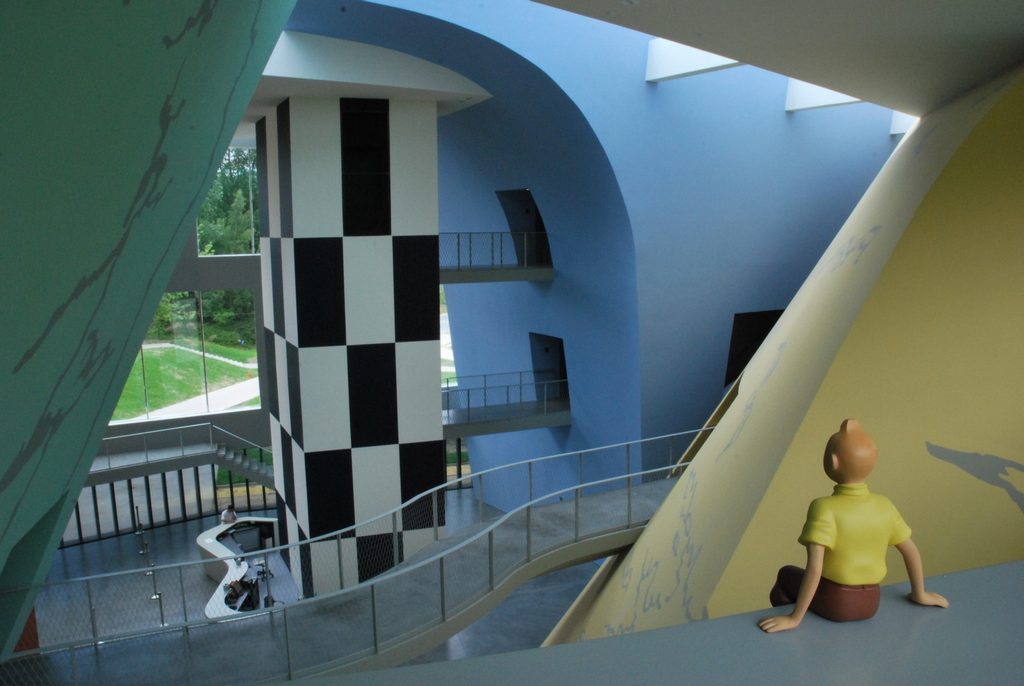
The museum houses more than 80 original drawings, as well as hundreds of photographs, documents and objects. And it is in front of the preparatory drawings that the visit takes on a very special dimension.
There is something deeply moving about encountering these sheets where everything is not yet completely finished. One senses the patience, the exactingness, and the extraordinary precision required to create these plates. The initial strokes, corrections, and graphic research allow one to follow the path of creation, all the way to that famous «clear line» that characterizes Hergé’s work.
A universe that far exceeds Tintin
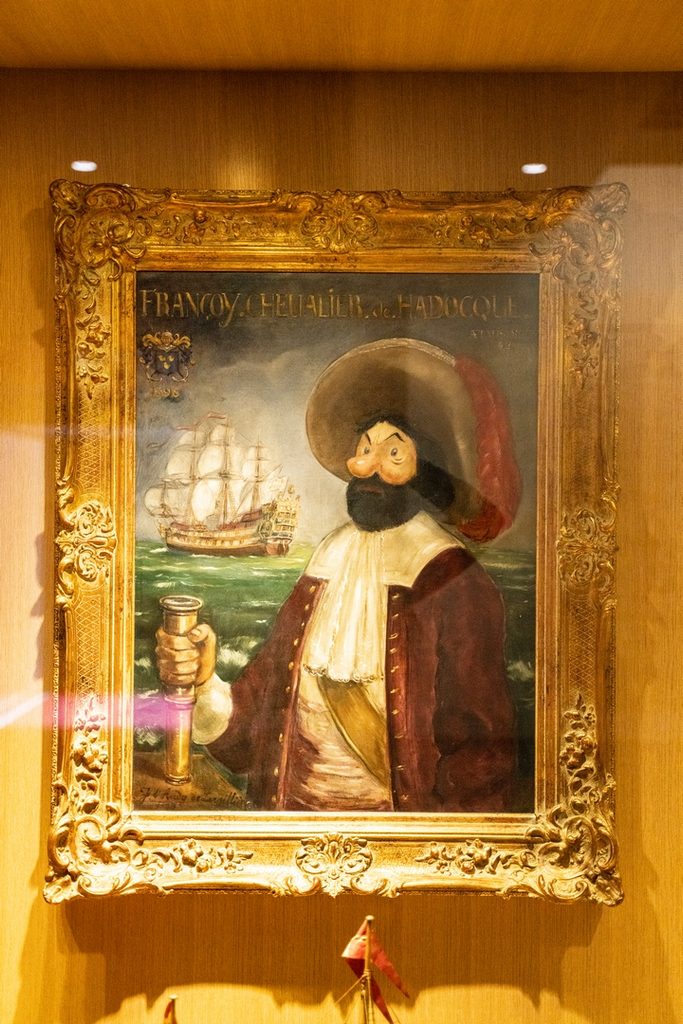
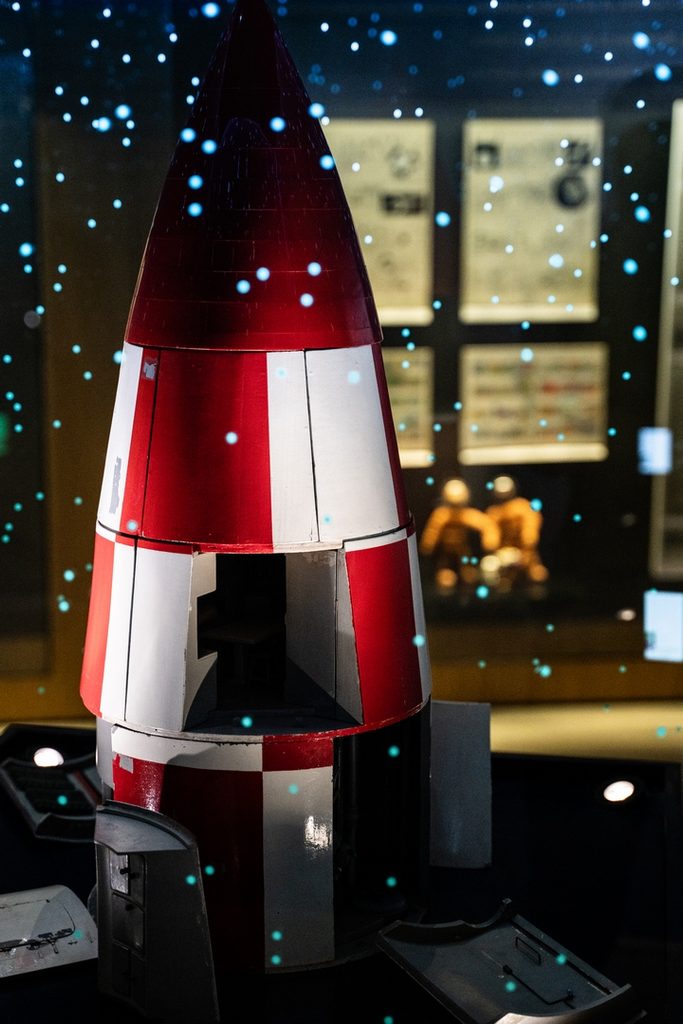
The visit also allows us to understand how attentive Hergé was to his time. His stories, even when they take us to imaginary or distant lands, often draw their inspiration from current events, political developments, discoveries, and major transformations in the world.
Behind the adventure thus emerges a genuine observation of his century. Hergé is also interested in unexplained phenomena, premonitory dreams, and perceptions that defy reason. In Tintin in Tibet, The young reporter sees in a dream his friend Tchang calling for help and becomes convinced that he is still alive, despite the plane crash in which he supposedly died. A scene that is not insignificant: Hergé himself believed in premonitory dreams.
In Flight 714 to Sydney, Telepathy, hypnosis and flying saucers appear alongside a character inspired by Jacques Bergier, co-founder of the magazine Planet. This fascination with the strange was not just romantic. Bernard Heuvelmans, a friend and collaborator of Hergé, will testify to his deep interest in telepathy, precognitive dreams and phenomena that defy scientific explanation.
These are all themes that testify to Hergé’s curiosity about phenomena that defy the rational explanations of his time.
The museum also reveals other aspects of his work, including his activities in advertising, illustration, and graphic arts, which testify to a curiosity that far exceeds the adventures of the famous reporter.
The visit thus makes us want to open the albums again, to linger over certain pages, to look at the settings and the expressions of the characters in a different way. The desire to recapture our childhood spirit. But not only that.
This is yet another reason to visit the Hergé Museum, where we discover that the universe of Tintin’s father still holds many surprises, even for its most loyal readers.
Practical information
Hergé Museum
Rue du Labrador, 26
1348 Louvain-la-Neuve, Belgium (Wallonia)
Tel.: +32 (0)10 48 84 21
Official website: www.museeherge.be
Open from Tuesday to Friday from 10:30 to 17:30, and on Saturdays and Sundays from 10:30 to 18:00. Closed on Mondays. Free admission on the first Sunday of the month.
VisitWallonia.be
Text : Laurence Grémy-Flamand
Photos : as indicated