
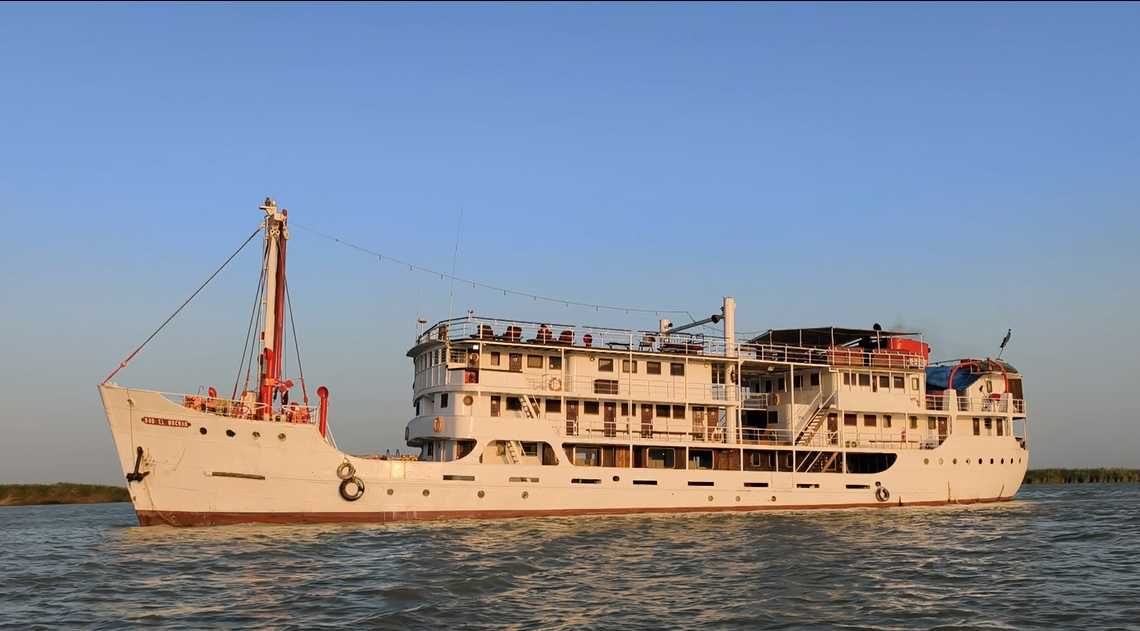
Along the peaceful waters of the Senegal River, the Bou-el-Mogdad invites you to experience something unique, blending history, culture, and nature. This legendary boat carries its passengers weekly between Saint-Louis du Sénégal and Podor, or vice versa. A 264 km slow-travel cruise to discover the Djoudj National Bird Sanctuary and the ancient trading posts of West Africa.
Table of Contents
Our journey begins at Saint-Louis du Sénégal, the first French trading post founded in 1659 on the island of Ndar. Le Bou, as the people of Saint-Louis affectionately call it, is a familiar sight on the river, which, as early as 1951, ensured the transport of goods between Saint-Louis and Kayes in Mali. Before sailing off to other waters and returning to his home river in 2005.
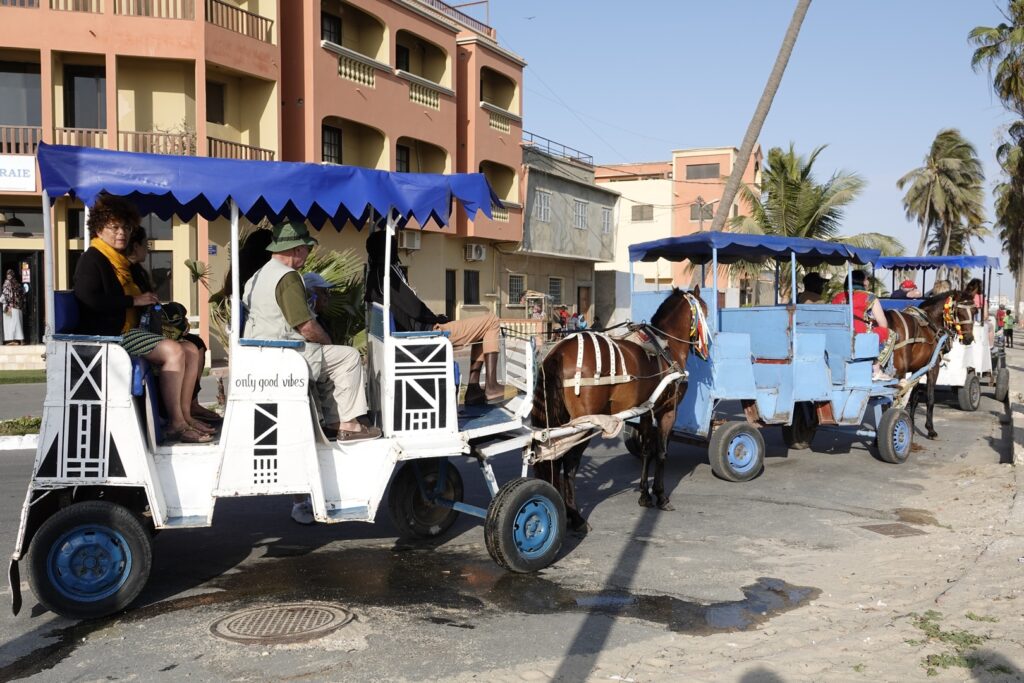
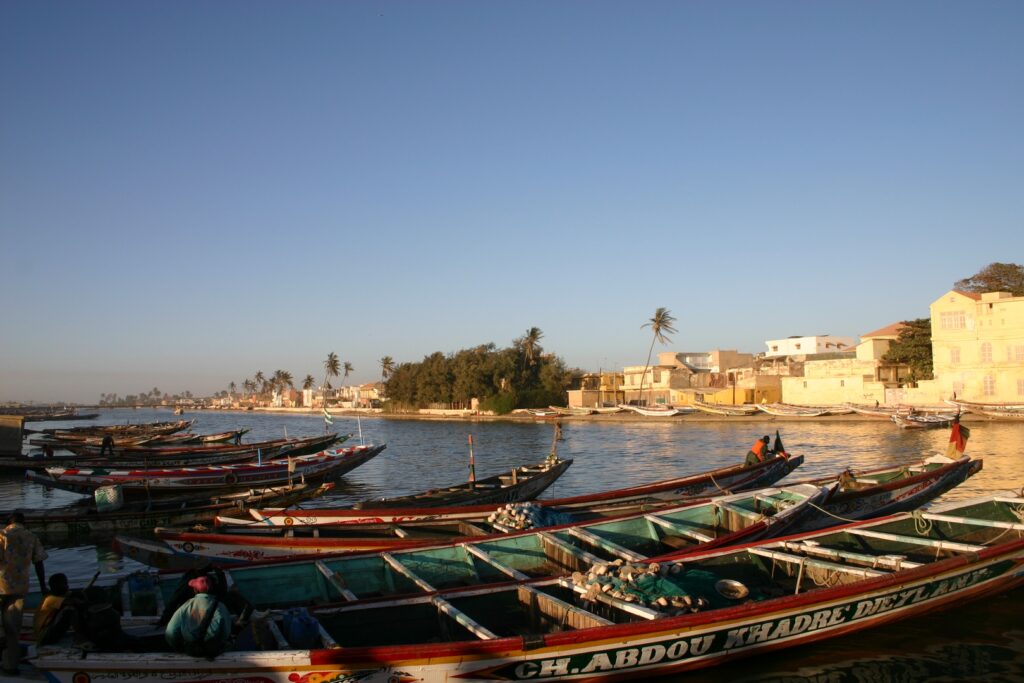
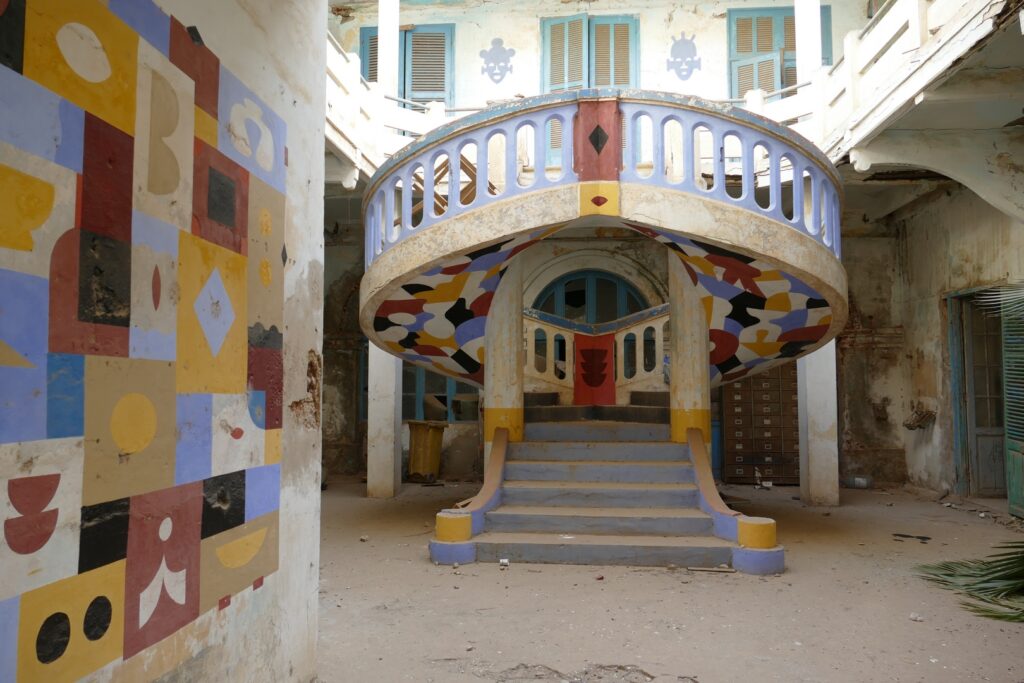
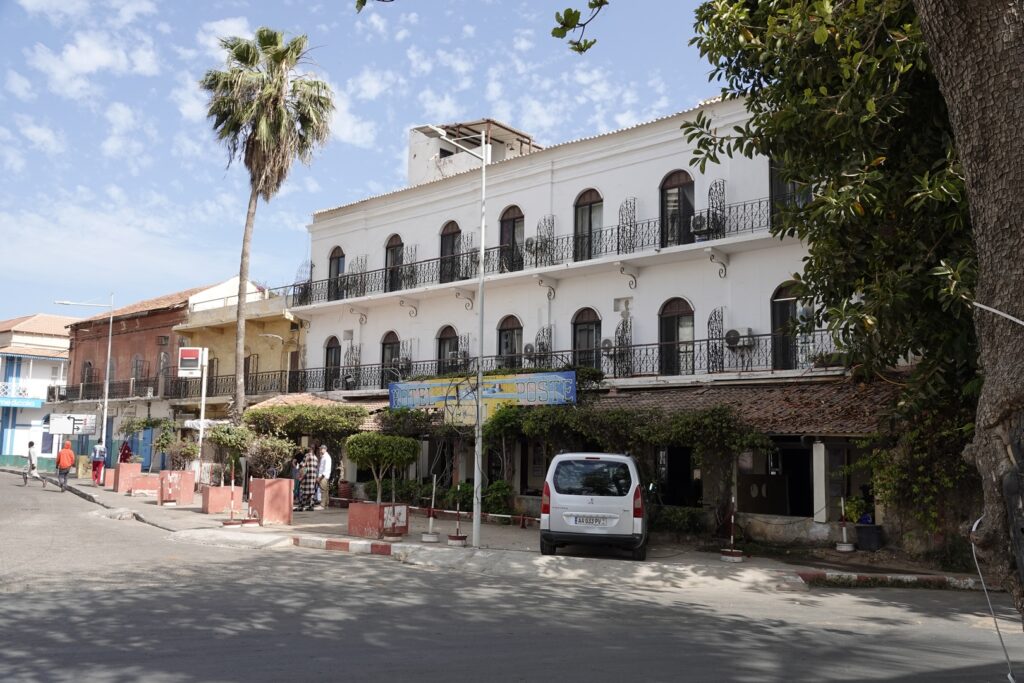
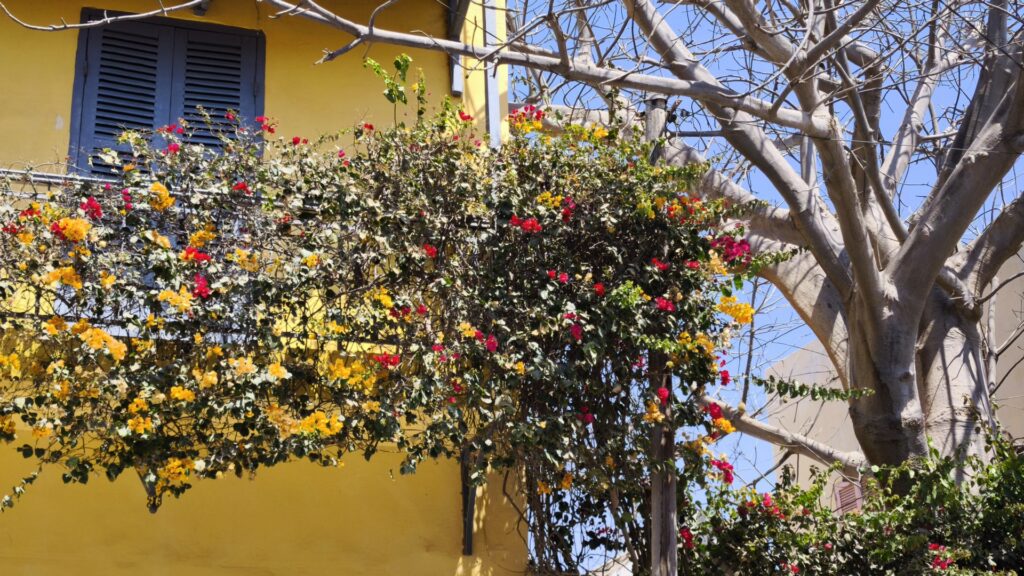
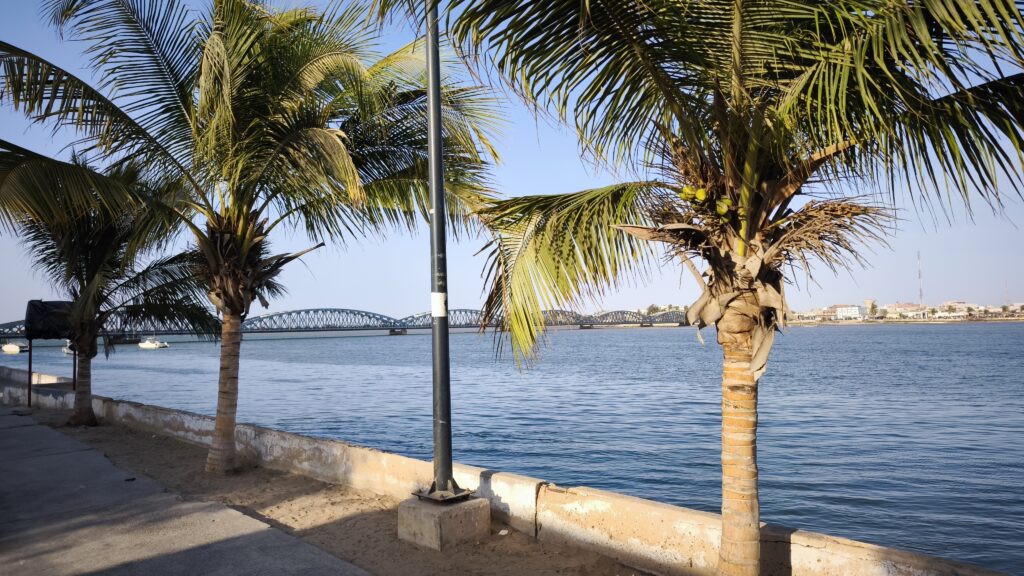
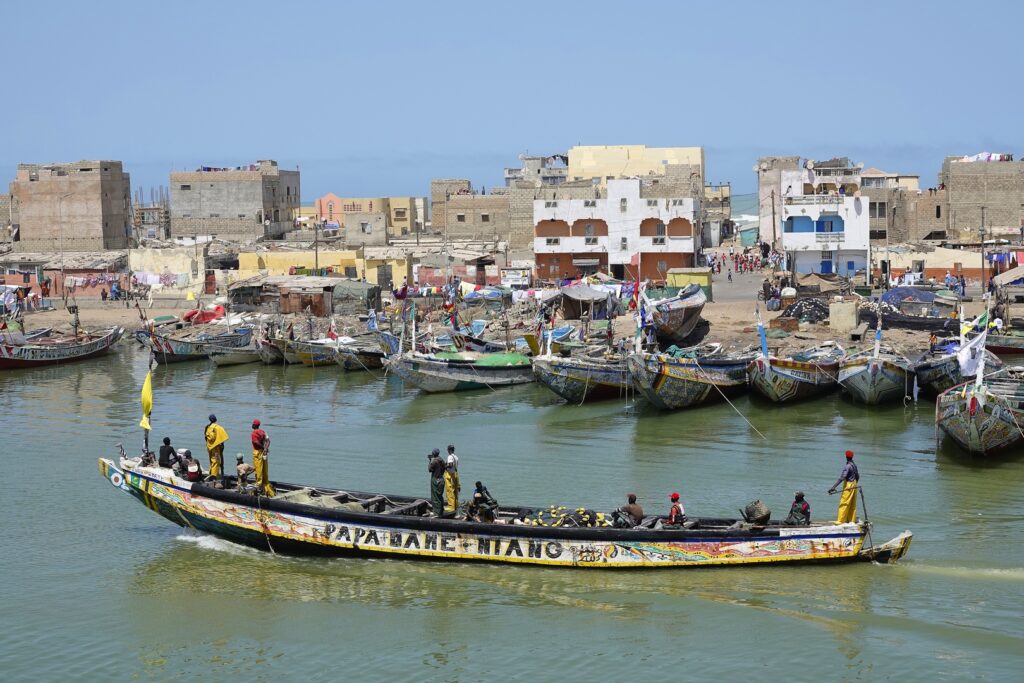
We'll embark on Saturday afternoon, after a carriage ride and a visit to the must-see spots of this town where Jean Mermoz (1901 – 1936) made a stopover before crossing the Atlantic to Natal in Brazil (first crossing in 1930, last in 1937 when he crashed). TheHôtel de la Poste, where he regularly descended, continues to keep the memory of the saga of Aéropostale (the airmail service). The walls are dedicated to the pilots who delivered mail between Europe, Africa, and America – Henri Guillaumet, Antoine de Saint-Exupéry -, adorned with photos and vintage posters recalling the exploits of aircraft Latécoère. We also discover the fishing village of Guet N'Dar and its hundreds of decorated boats, before returning via the Faidherbe bridge, which spans the Senegal River, to the quay where the Bou is moored.
Navigation to Diama
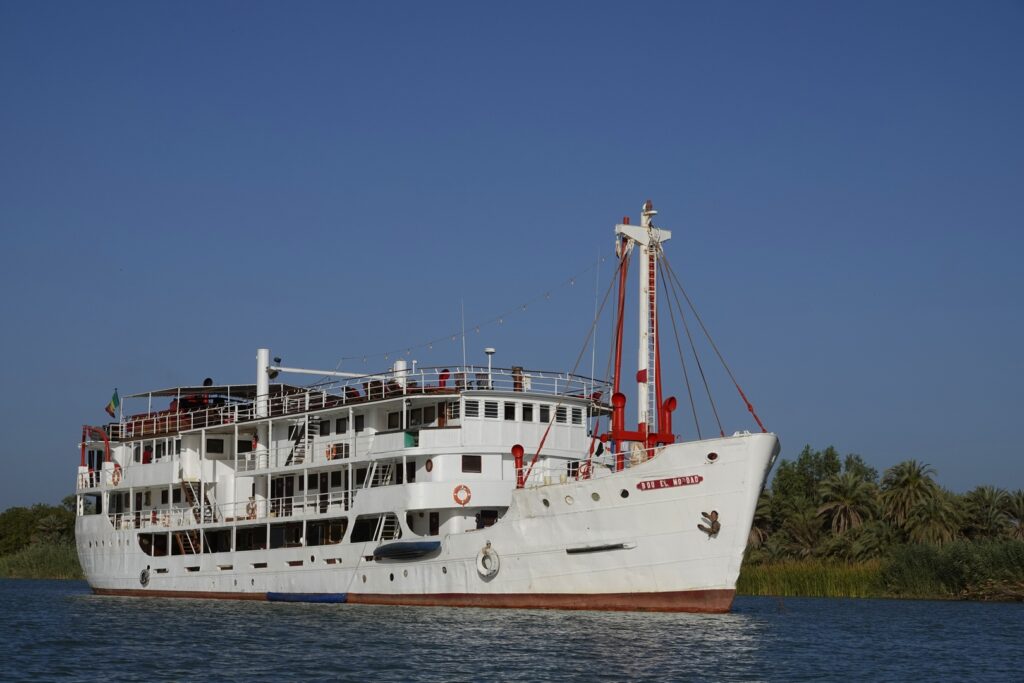
The large white boat awaits its passengers. 52m long and four decks high, our floating hotel looks magnificent. Crossing the gangway, one is surprised by the authenticity and old-fashioned charm of the ship. Despite renovations, it has largely retained its original character: the main deck and dining room are made of iatandzar wood (a hardwood that grows in the humid forests of Central and West Africa), with teak furniture, rattan or wrought iron armchairs, and brass lamps.
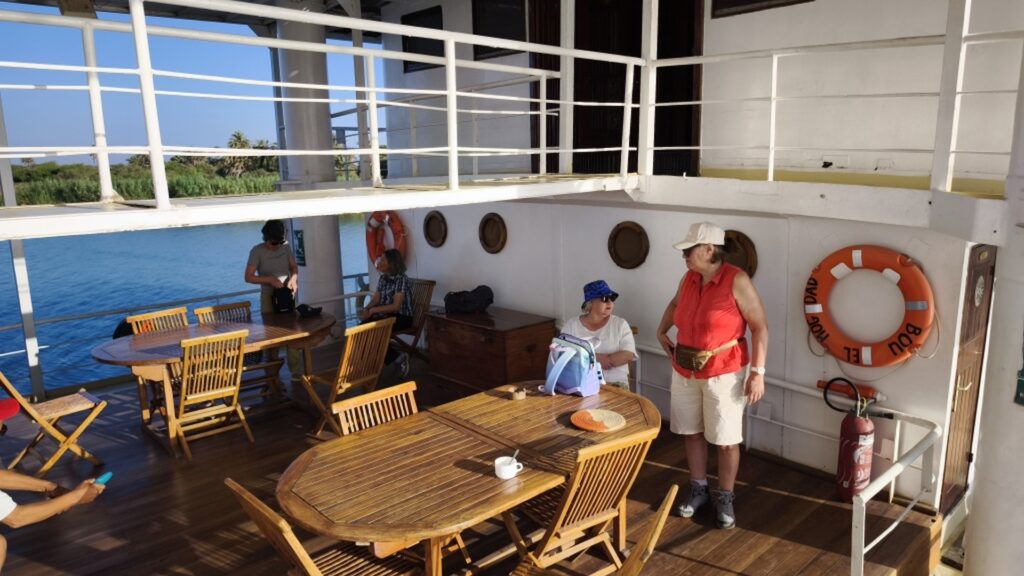
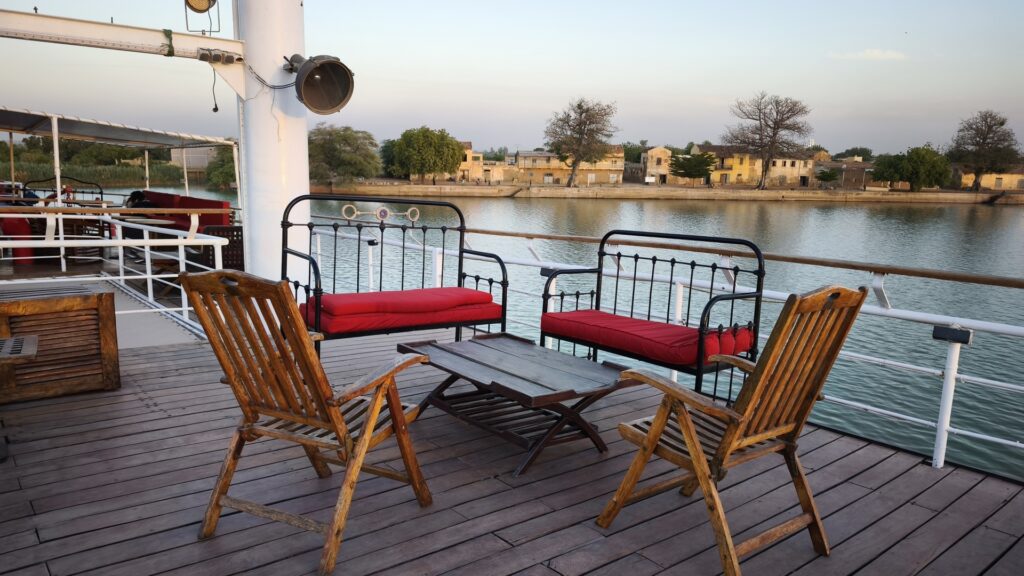
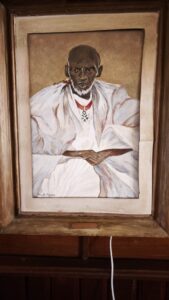
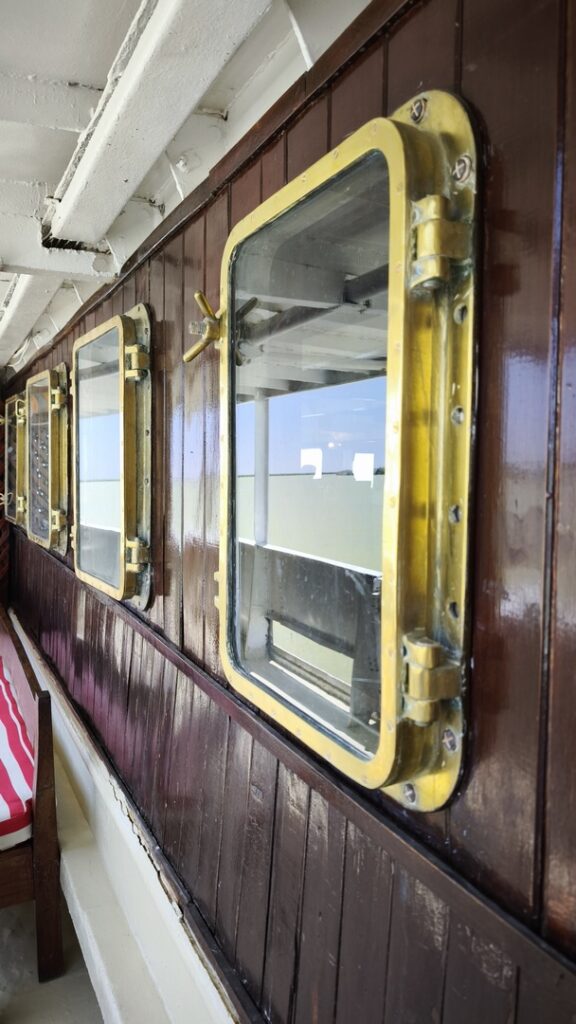
Several items come from the African Queen when it was dismantled in 2015: brass portholes, copper sinks in some bathrooms, the compass and clock on deck and the bridge, etc. The décor features many period elements: old nautical charts, navigation instruments, black and white photos of the river, and a portrait of the explorer and interpreter Bou-el-Mogdad (1826-1880), from a prominent Saint Louis family with close ties to the colonial administration.
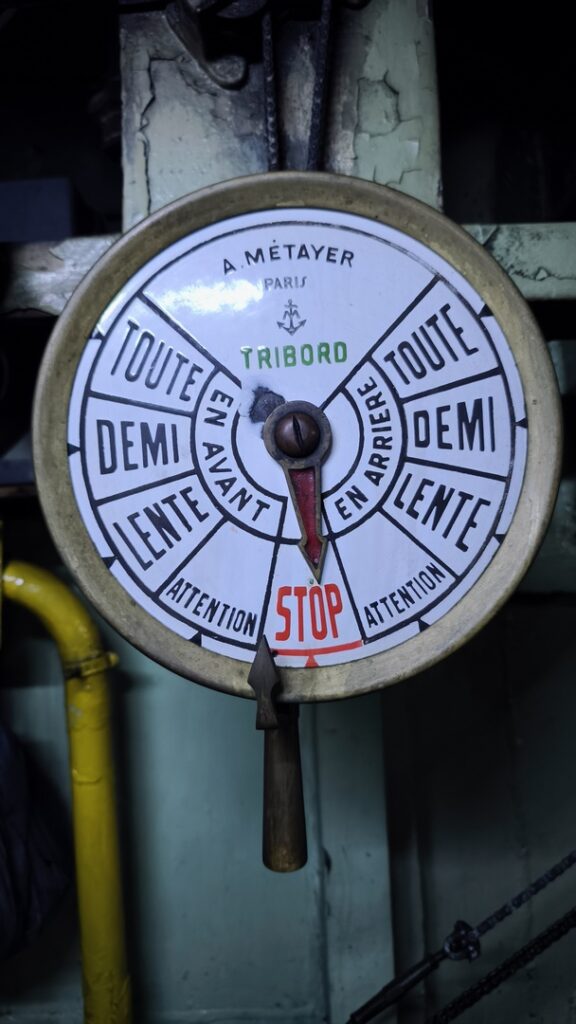
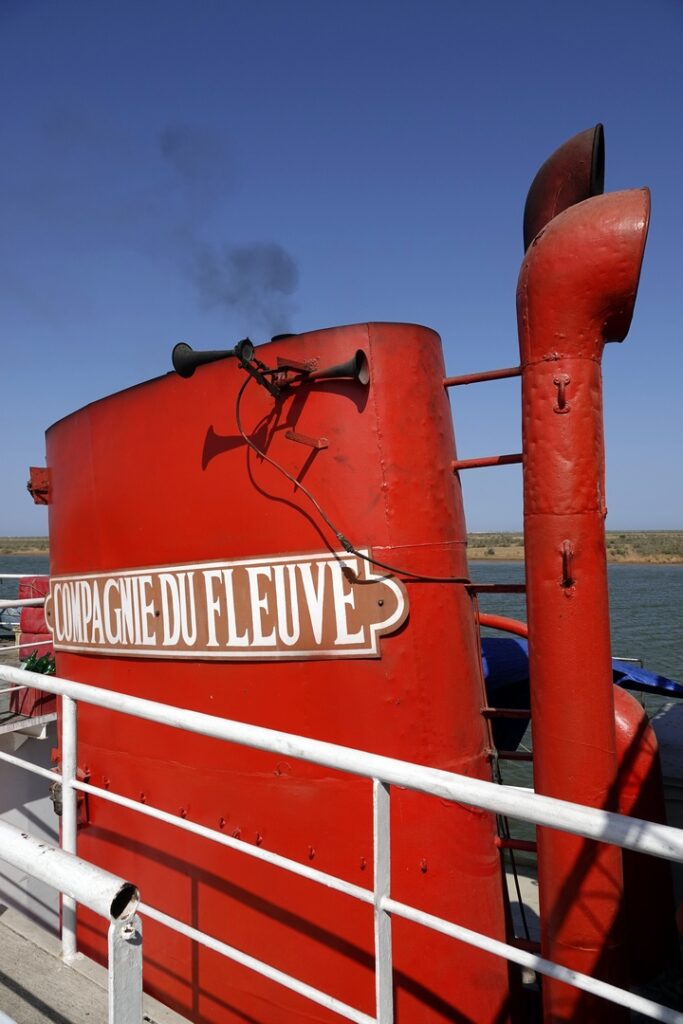
We leave the city's tumult behind us to plunge into a timeless adventure. Here, the rhythm isn't dictated by the clock, but by the river's life and our stopovers. A faint black plume emerges from the ship's imposing vermillion funnel. On board, the atmosphere is warm, quickly becoming familial. We are only 35 passengers on board for a crew of 22.
In five days, at a pace of 8 to 9 km per hour, we will cover a small portion of this river, which is 1,750 kilometres long in total, and which rises in the Fouta Djallon in Guinea and serves as a natural border between Mauritania and Senegal.
A river, source of life
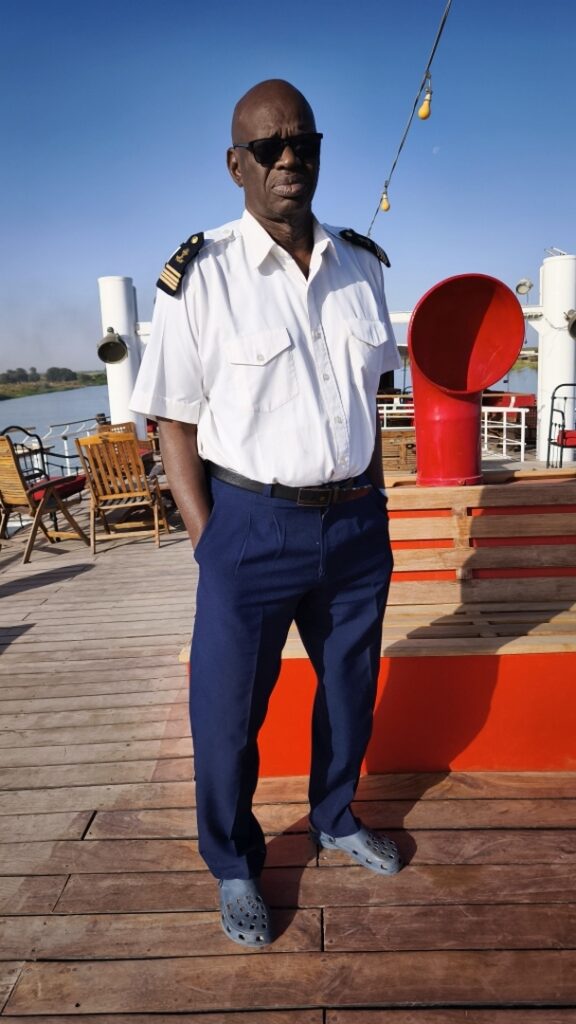
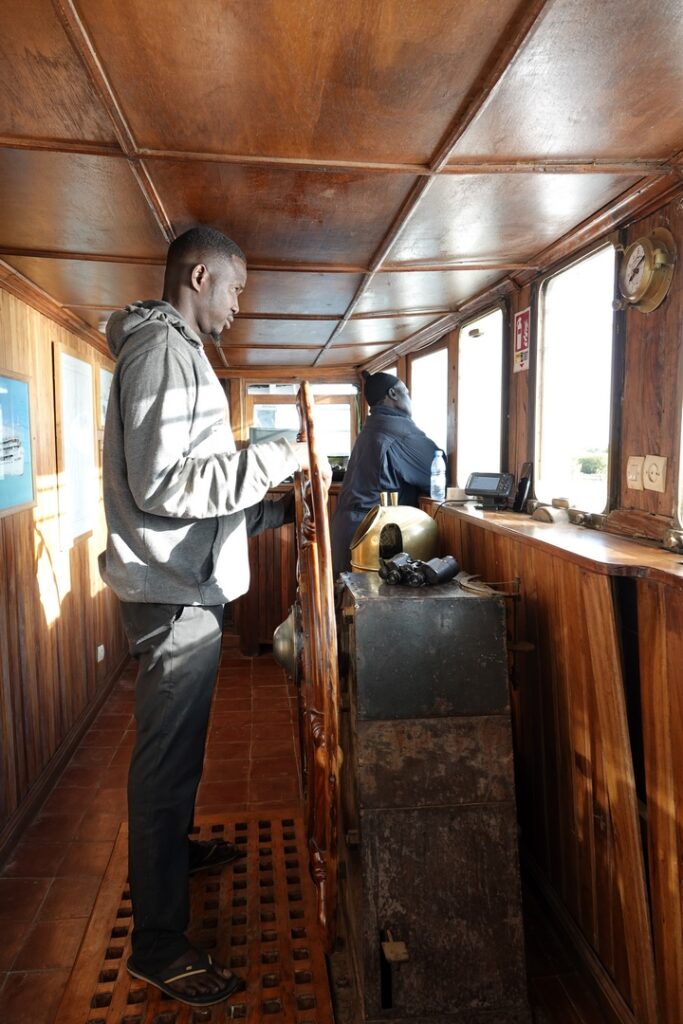
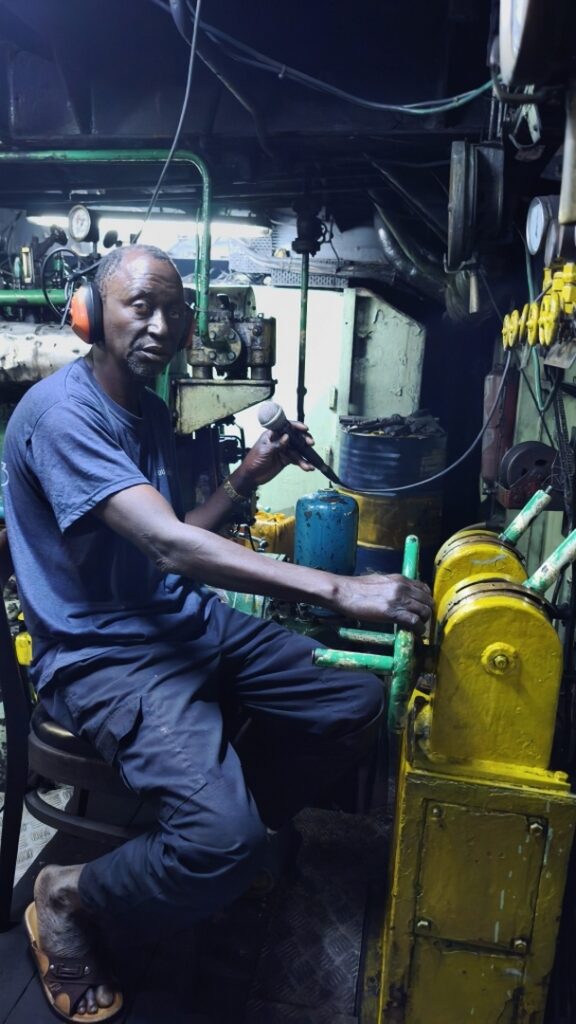
After a first night docked, we are heading for the lock dam at Diama. Commander Moktar Gueye, 72 years old with 46 years of service, is at the bridge with Samba Sar the helmsman, steering the vessel with the ancient wheel. Chief Engineer Oussman Ndaw, assisted by his brother Dyaye, gently starts the engines.« Every maneuver is executed from the engine room, in response to the captain’s commands relayed through the vessel’s internal radio system. », he explains to us.
Leaving St. Louis, the river enters a delta with numerous branches and marshy areas bordered by reeds, cattails, and a few mangrove trees. These are habitats rich in biodiversity and frequented by migratory birds. The riverbank gradually transforms: from urbanised to wild. Small fishing camps appear, and barefoot children wave, smiling. We encounter many pirogues used by fishermen or for transporting supplies.
A defence against salt: the Diama dam
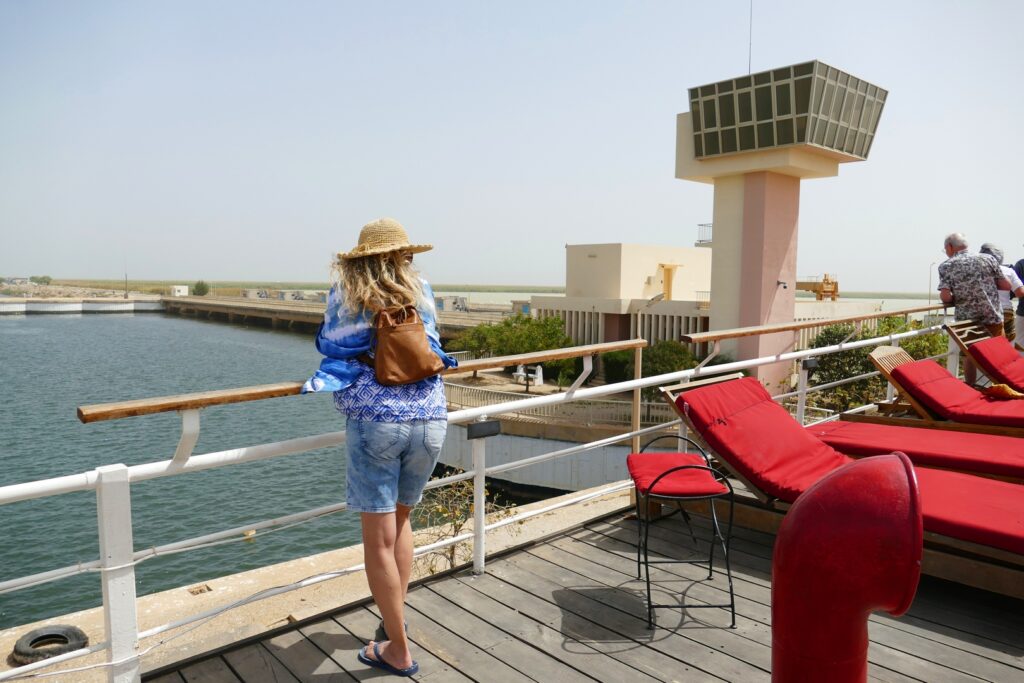
The river is calm, with a slight gradient but subject to tidal influence up to the Diama dam. Before its construction – it was completed in 1988 but only became operational in 1992 – saltwater from the Atlantic flowed far upriver during the dry season. This saline intrusion prevented the cultivation of land outside of the rainy season. Thanks to irrigation, the banks are now planted with rice, maize, and vegetables.
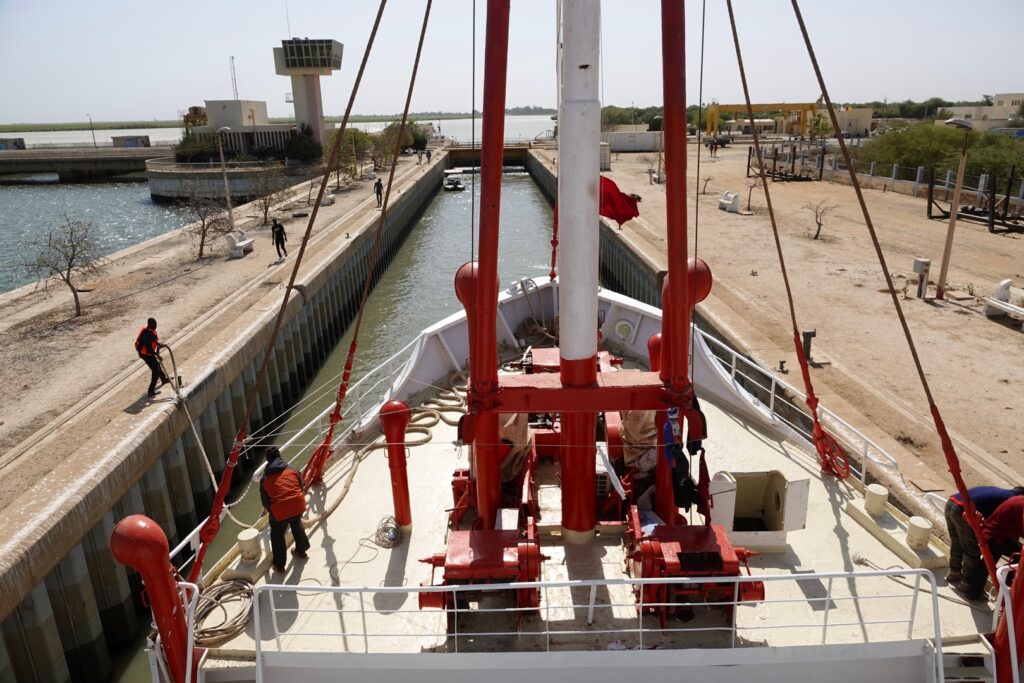
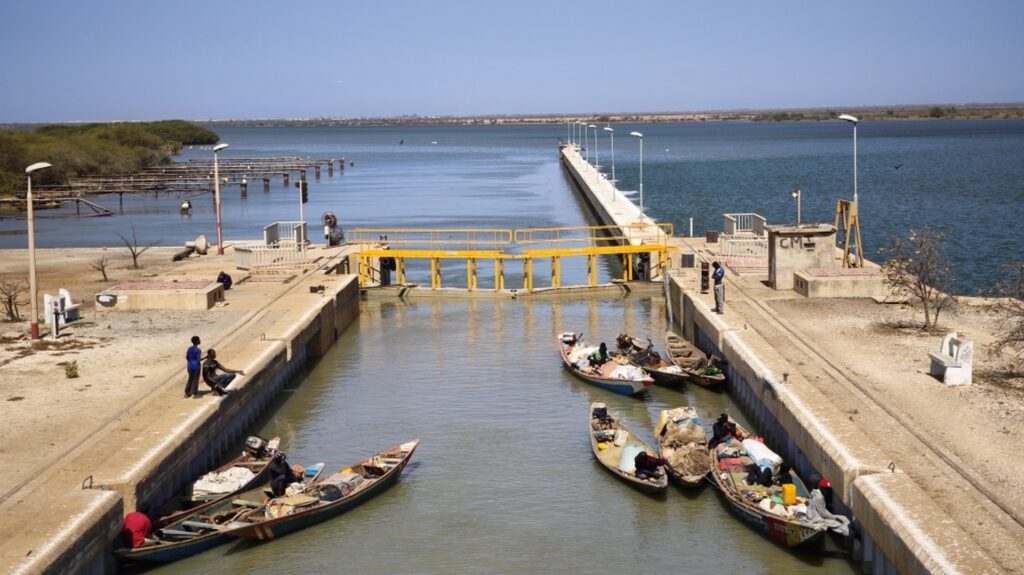
The pilot approaches the dam slowly, navigating by sight. It is both a technical and stressful manoeuvre for the crew, especially when the wind blows as there is no bow thruster. To protect the hull, the sailors deploy tyres acting as fenders. The lock gates open slowly, under the curious gaze of the passengers who have gathered on deck.
After the dam, the engines gently pick back up. The river changes: wilder, more vegetated, with marked seasonal variability, high water periods from July to November alternate with low water periods from March to June.
The migratory people
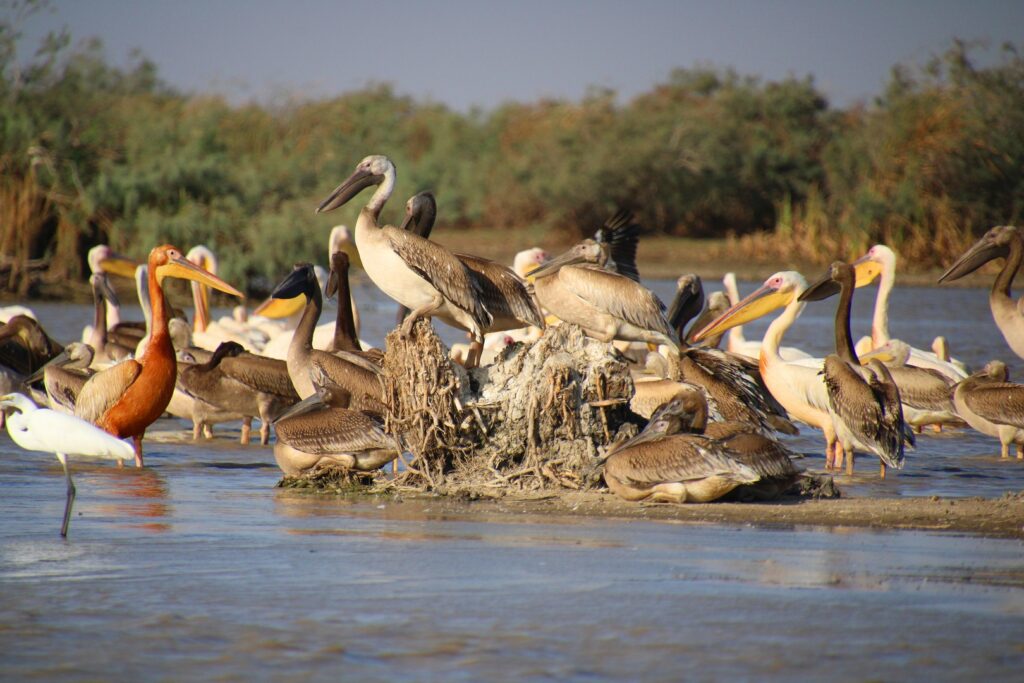
In the mid-afternoon, the boat's tender takes us to the jetty where we take motor canoes to visit the Djoudj National Bird Sanctuary, a UNESCO World Heritage site. It is the third largest ornithological park in the world and one of the largest bird sanctuaries in Africa, an essential stopover on migratory routes from Europe. It covers 16,000 hectares in the Senegal River delta.
In Djoudj National Bird Sanctuary, Senegal. Copyright Brigitte Postel – Travel Universe
It is estimated that over 3 million birds find refuge there each year. A true winged ballet: flocks of white pelicans, motionless herons, elegant spoonbills, egrets, countless ducks. On the banks, a warthog sometimes ventures out and a discreet crocodile slithers between the cattails and rushes. After two hours of wonder, we return to the boat, our gaze still full of feathers…
«Sarko», the ship's resident barman and lively entertainer, and Absa, the cruise director, are waiting for us on deck for a dancing aperitif. For the night, the Bou anchors in the riverbed, as night navigation is not safe due to fishermen's nets and uncertain depths.
The Rosso Bridge: a vital link between Mauritania and Senegal
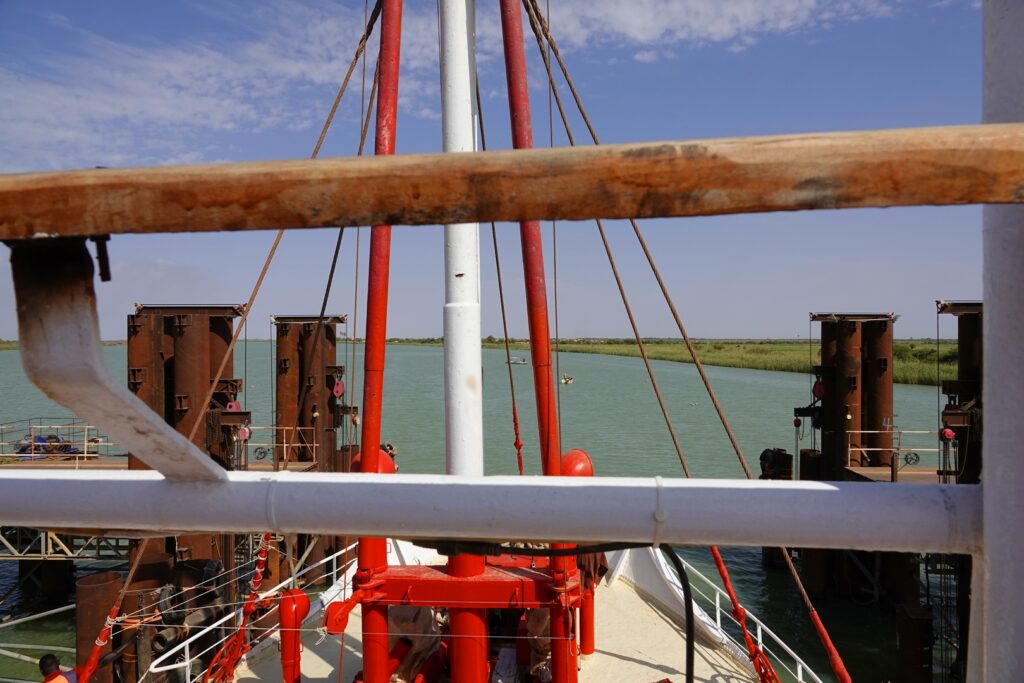
The next day, we weigh anchor to Richard Toll. The banks are covered with vegetation typical of irrigated Sahelian zones, a mosaic of natural riverine environments (reeds, cattails, doum palms on the Mauritanian side in the marshy areas) and land developed for agriculture (rice paddies and subsistence crops) with a backdrop of tamarisks and acacias. You pass the Rosso Bridge Who is to replace the ferry that provides crossing of the Senegal River. Approximately 1.5 km long, it will facilitate the movement of people and goods. It is expected to be completed in 2026. A temporary metal bridge has been constructed to advance the work, equipped with a mobile jetty adapted for the Bou el Mogdad. Crossing it remains tricky for Captain Moktar Gueye, despite all his experience. « Everything is manual and done by sight. », he said.« The buoys can't be relied upon. They are moved by fishermen, or by the current, but the pilot who is assisting me knows the river perfectly. ".
Sugarcane burning
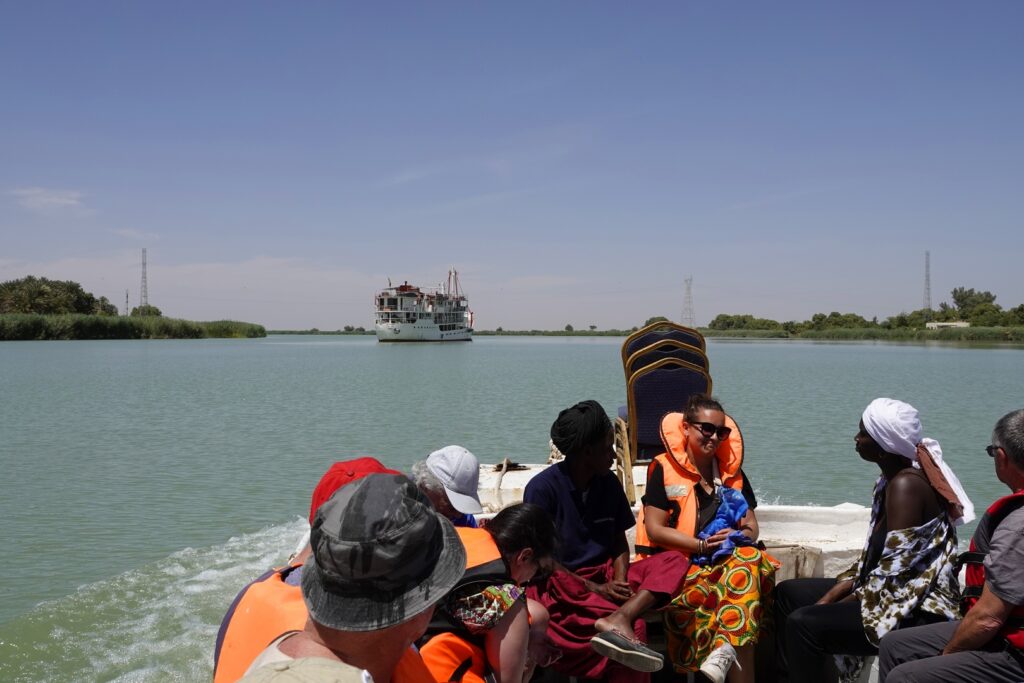
We arrive in the early afternoon at Richard-Toll, literally «Richard's Garden». The region is famous for its sugar cane plantations Senegalese Sugar Company.
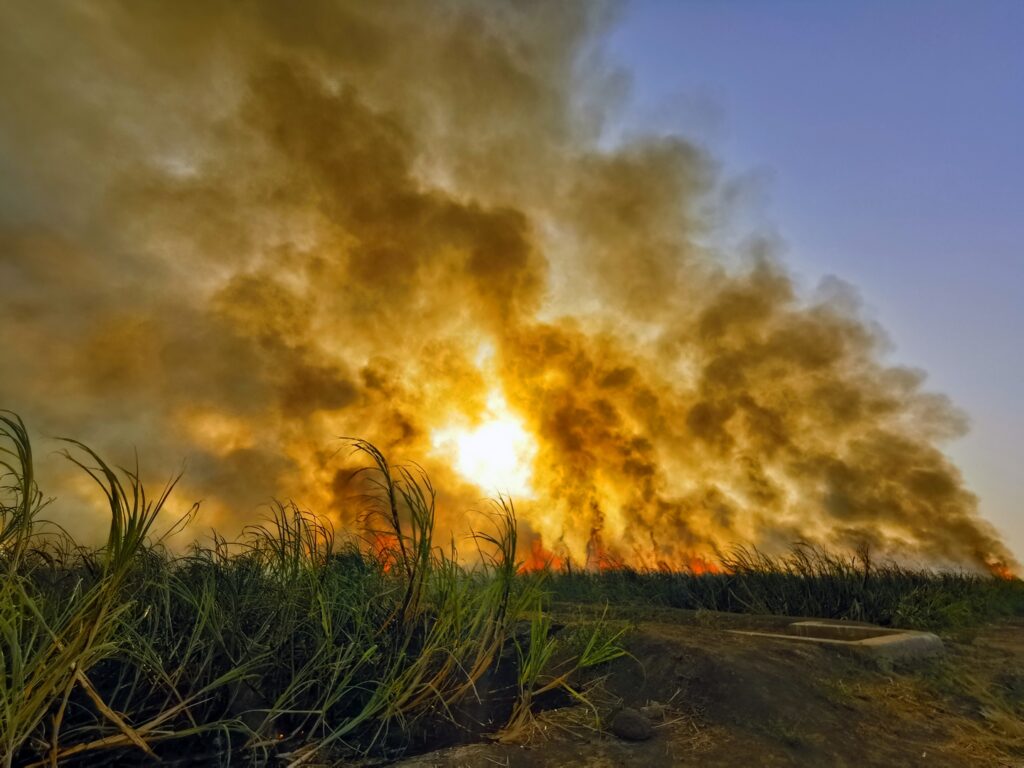
The passengers are taken by tender and then by bus to witness the burning of sugarcane before it is harvested. Despite debates about the impact of this practice (air pollution), we are told that it makes the stalks more accessible to cutters or machines and reduces the presence of snakes. The spectacle is impressive. Large, glowing red flames rise from the fields, forcing us to step back due to the intense heat.
The next visit takes us to the «château» – built in the 19th century by Jean-Léonard Bouët-Willaumez, says « Baron Roger », Governor of Senegal (1822-1827) – which UNESCO has promised to renovate for years. Today in ruins, the building retains symbolic value: it is a testament to colonial history and the region's first major agricultural enterprises that have shaped the identity of Richard Toll.
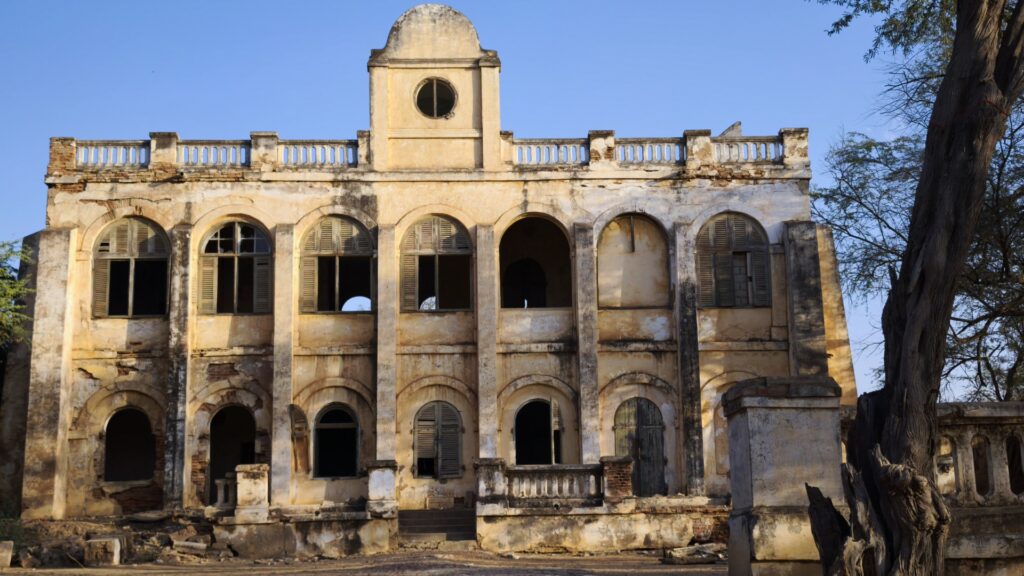
In the footsteps of Ndatte Yallah: from Dagana to Gourmel
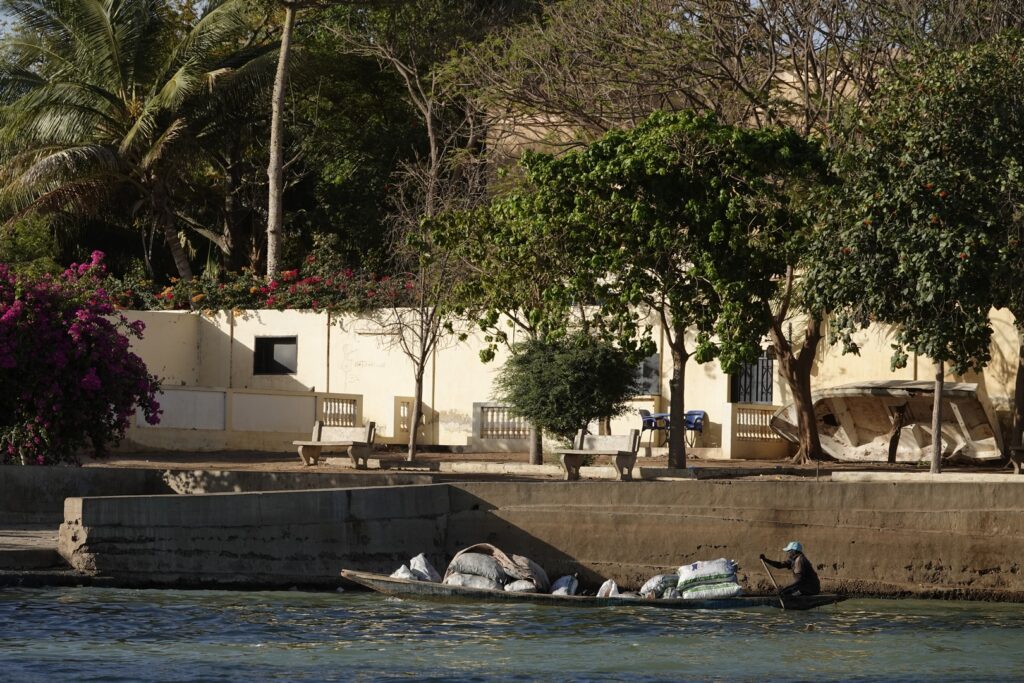
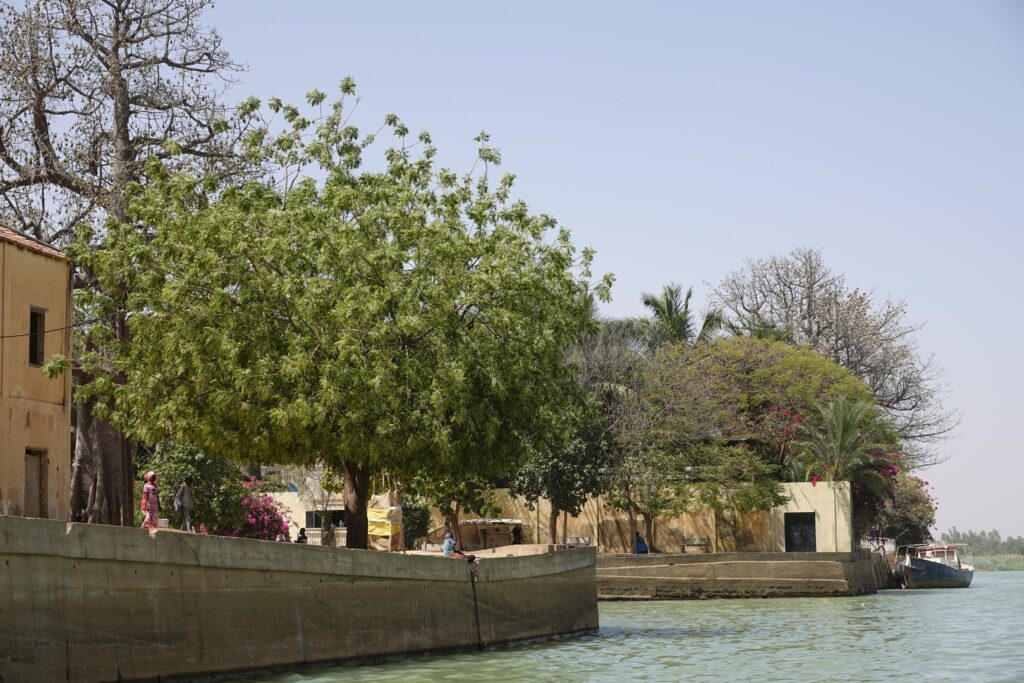
After a night at anchor and a morning's sail of about 40 km, we will visit the town of Dagana, its market and the symbol of this old colonial trading post, the statue of the queen Ndatte Yallah Mbodj (c. 1810-1860). Last sovereign of the Waalo In the 19th century, she bravely resisted French colonial expansion (notably against Faidherbe) and fought against the Mauritania. Her memory remains alive throughout Senegal: she embodies the dignity, courage, and pride of African women in the face of colonial domination.
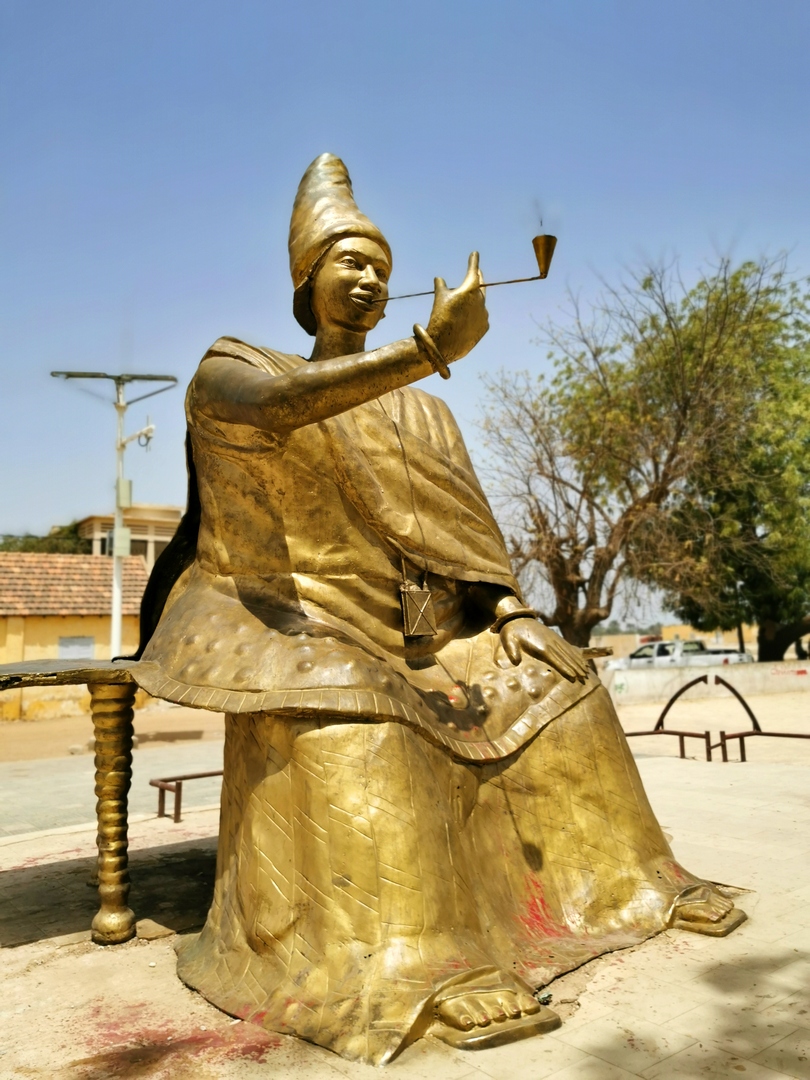
In the heart of the fertile plains of Waalo, between the arms of the Senegal River and the caravan routes of West Africa, rose a woman whose name still echoes as a symbol of courage: Ndatte Yalla Mbodj. The last great queen of the Waalo kingdom, she ruled at a time when colonial ambitions threatened the independence of African kingdoms. Draped in the authority of her rank and carried by an inflexible will, she refused to yield to French pressure, proudly defending the sovereignty of her people. Her story is that of a powerful, visionary, and combative woman who transformed resistance into an inheritance.
Lunch under the mango trees
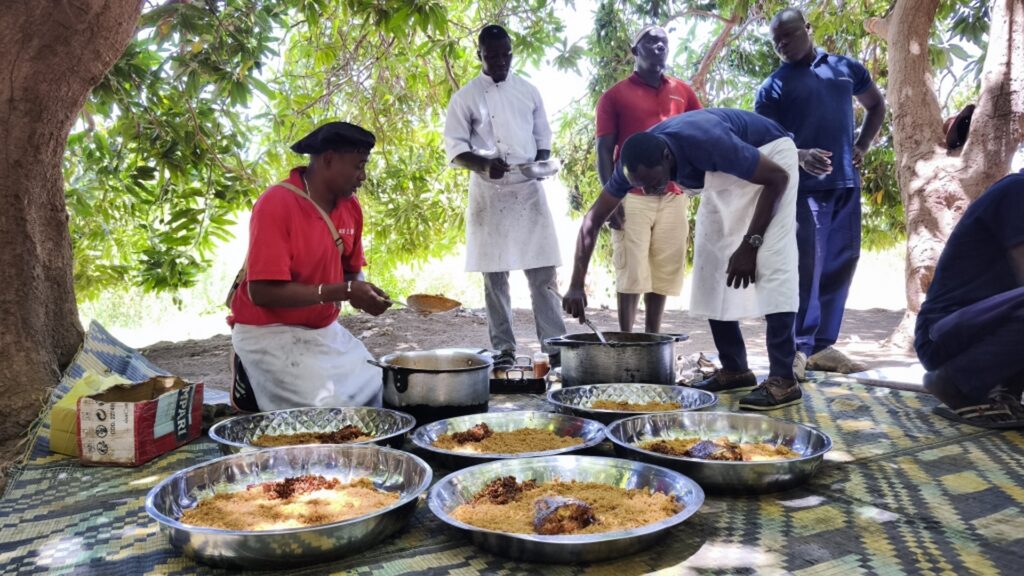
We arrive around midday at a mango grove for a picnic lunch featuring the traditional Senegalese dish: rice with fish, or «tiep bou dien». The meal is barely finished when the party is in full swing with an orchestra and lively dancers, whom the crew and passengers gladly join.
Orchestras and dances in Senegal – Copyright Brigitte Postel – Univers Voyage
In the afternoon, the Bou will cover the 90 km separating us from our next stop: Gourmel. That's 6 hours of sailing. The boat follows the winding course of the river, skirting sandbanks and sometimes floating logs. We opt for a massage, we lounge on the sun deck, the best spot to observe the small fishing villages pulling their nets from their canoes carved from kapok wood. In the evening, the boat stops in a loop of the Senegal River, where we will spend the night. Outside of Podor, the villages are not equipped with quays suitable for its size. Passengers therefore disembark using dinghies.
In the Fulani village of Gourmel
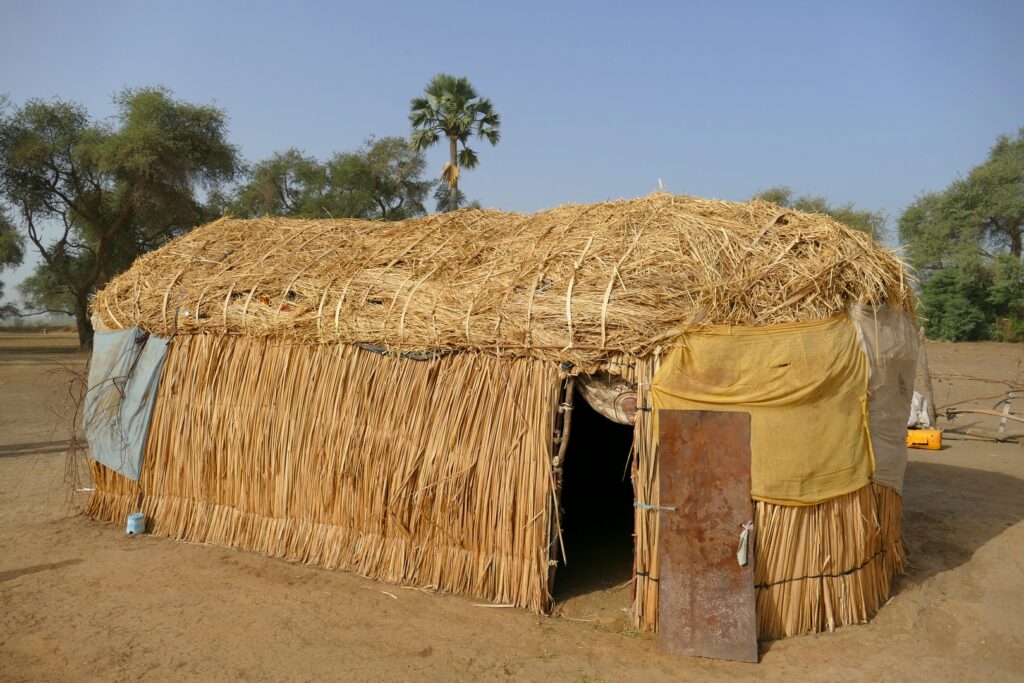
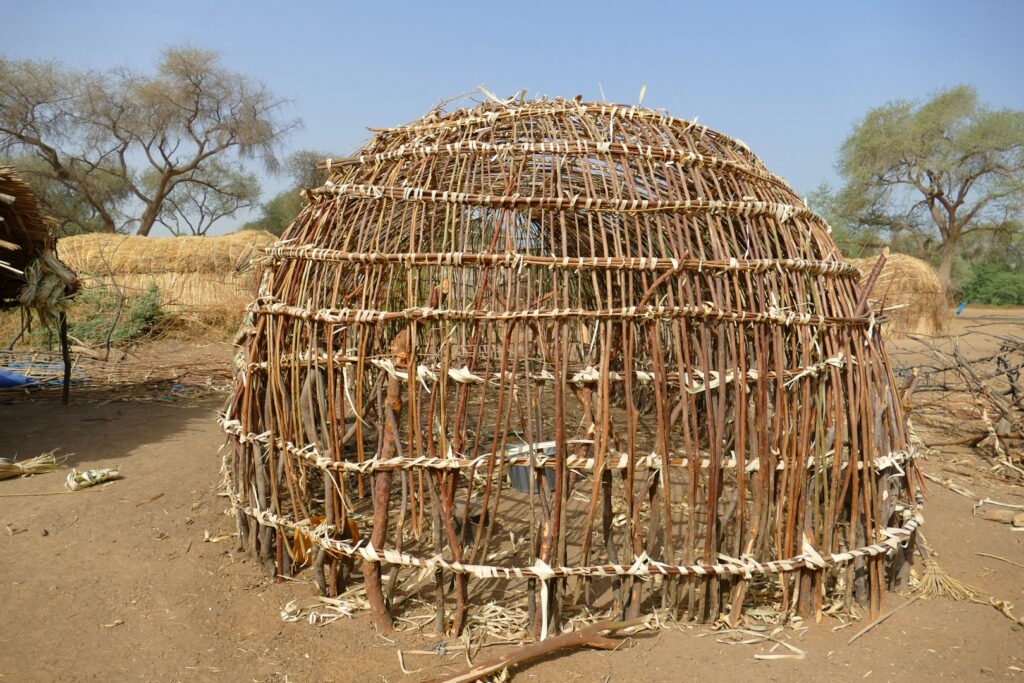
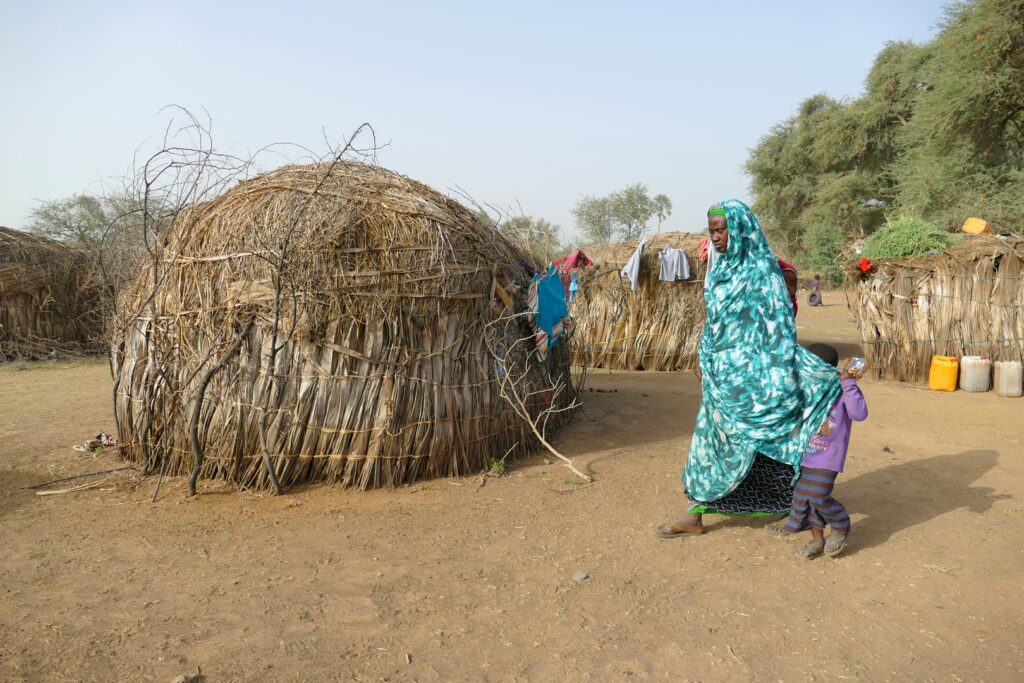
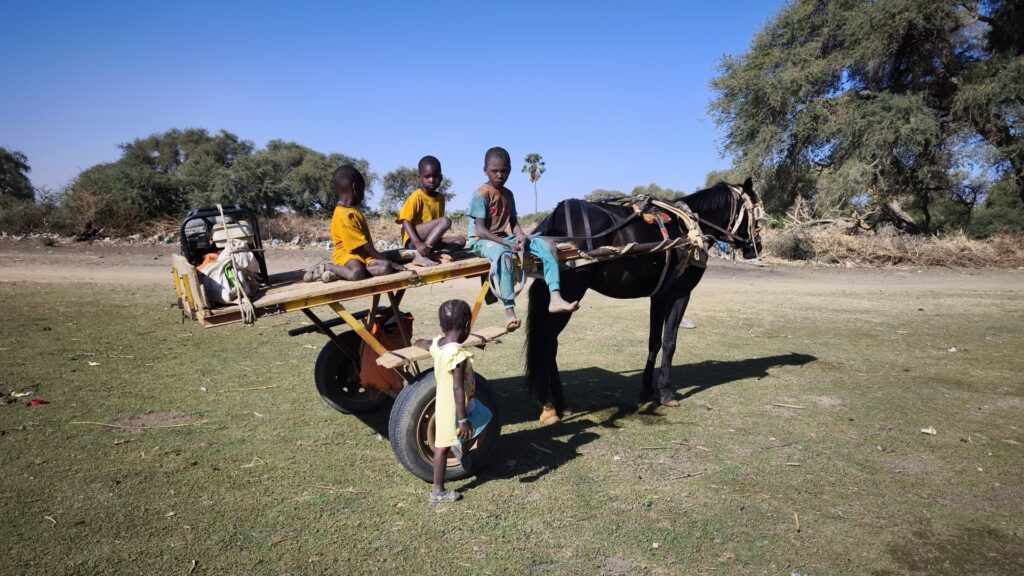
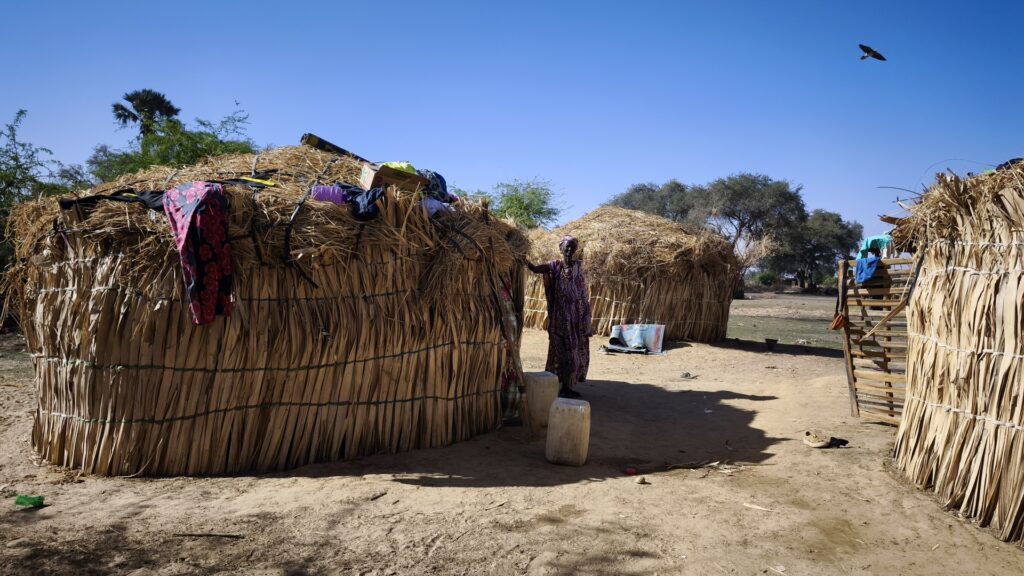
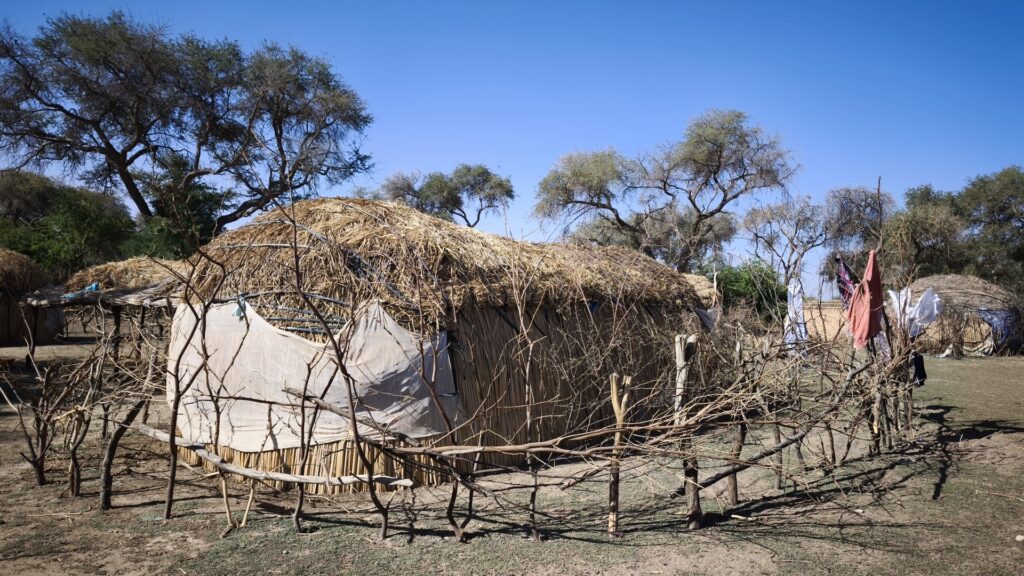
The following day, we set off on a 2 km walk through the forest to discover the village of Gourmel, where the last nomadic Peul people, the «Mbororo,» who have remained faithful to pastoral nomadism, are camped. They live mainly from transhumant livestock farming, particularly zebu cattle, their fetish animal, but also goats and sheep. Their way of life is deeply linked to the seasons: they move in search of pastures during the dry season, before returning to the villages during the rainy season (July, August, September). The camps consist of light straw huts, easily dismantled; they are built exclusively by women. Their structure is made of wood from the kapok or cajoulet trees, very hard woods resistant to insect attacks. They are then covered with palm branches and typha australis, a fast-growing reed that colonises the banks of the Senegal River. The animals are penned in enclosures surrounded by branches of acacia with formidable thorns. Our guide delivers medicines to the village chief that he ordered last week and buys curdled milk from him, the basis of these nomads' diet. This is also what the cruise on the Bou El Mogdad is for; it brings a new lease of life to the villages along the river. The stopovers allow the inhabitants to sell handicrafts, food and services, directly generating income for these poor populations.
Colourful stopovers and dinner under the stars
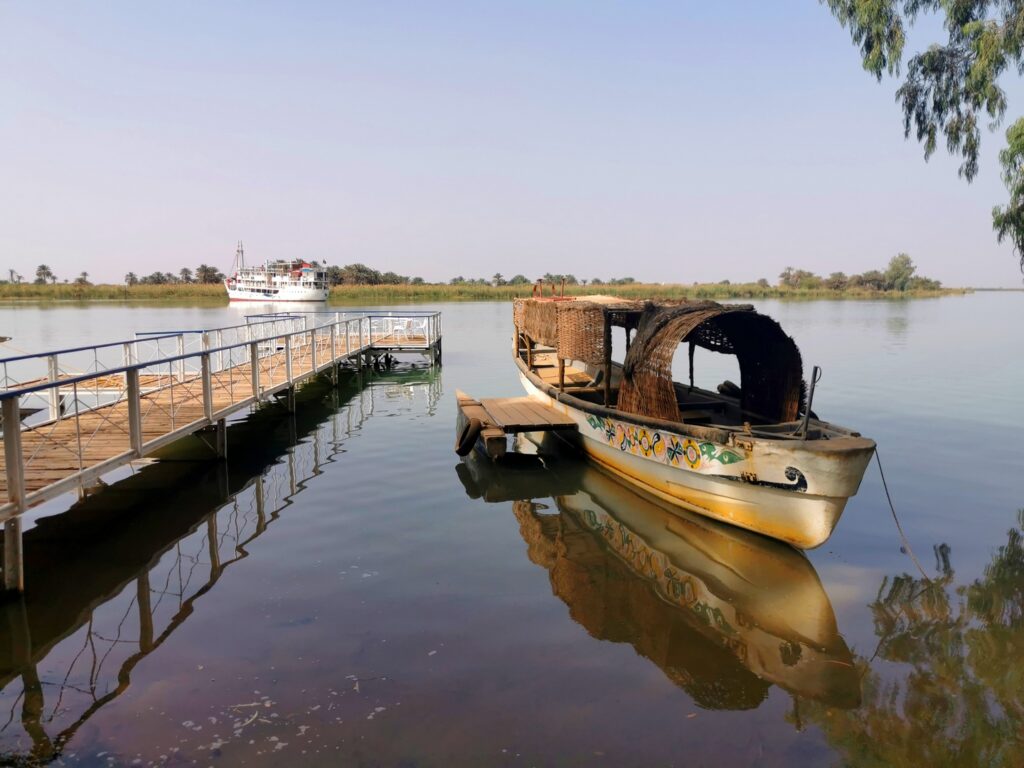
After lunch, we go back up the river to enter the very heart of the Sahel African, in the Toucouleur Empire, the birthplace of our commander. Many fishing villages are nestled on the steep banks of the Senegal River. The houses, built of unfired clay, are the oldest on the river and date back to the 13th century. They are built using a special technique inherited from the Nile Valley: Nubian vaults, a self-supporting vault. And they are regularly repaired after the rainy season. We wander through the village of Deguembere. Women, dressed in beautiful wax boubous, with babies bundled on their backs, offer us drinks while children follow our every step. We are struck by their simple lives, which contrast so much with our abundance.
At the end of the day, we were treated to the surprise of a mechoui dinner on the riverbanks by lamplight. Once again, the cooks were applauded for their talent!
Last stop: Podor
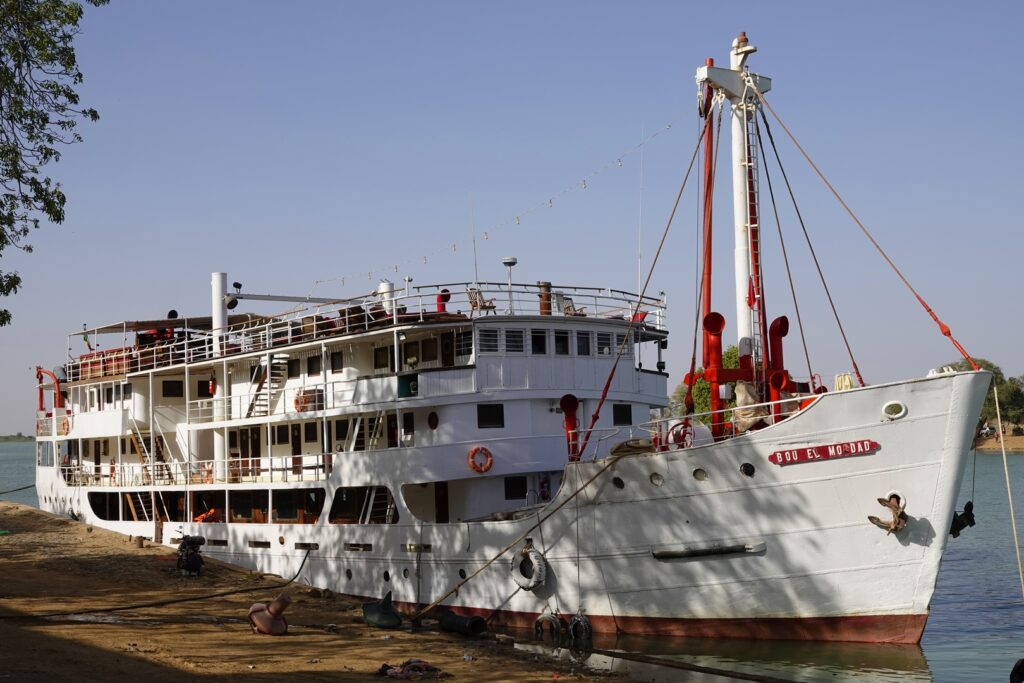
On the penultimate day, the boat will weigh anchor at around 8 am and arrive at around 2 pm at Podor, a former trading post during French colonisation. As we approach Podor, the river widens. The Bou el Mogdad moors opposite the historic warehouses. We take the opportunity to cast an eye over the old colonial fort built by Faidherbe (1818-1889) and which served as a recruitment base for the Senegalese riflemen. You'll get drunk on colour and scent at the market before finishing with a lively evening on board.
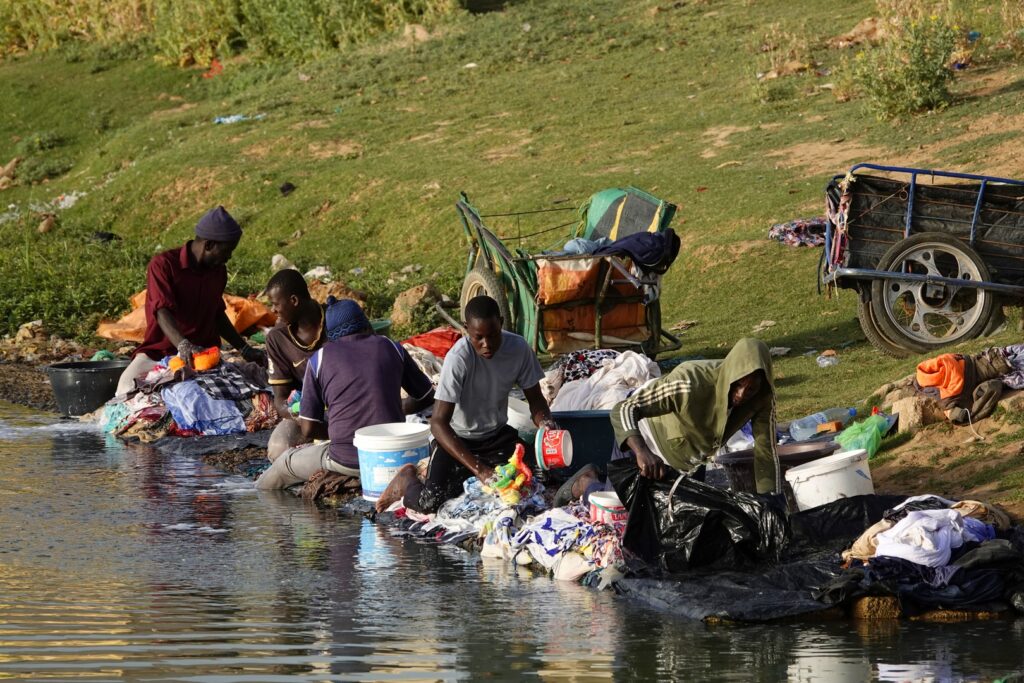
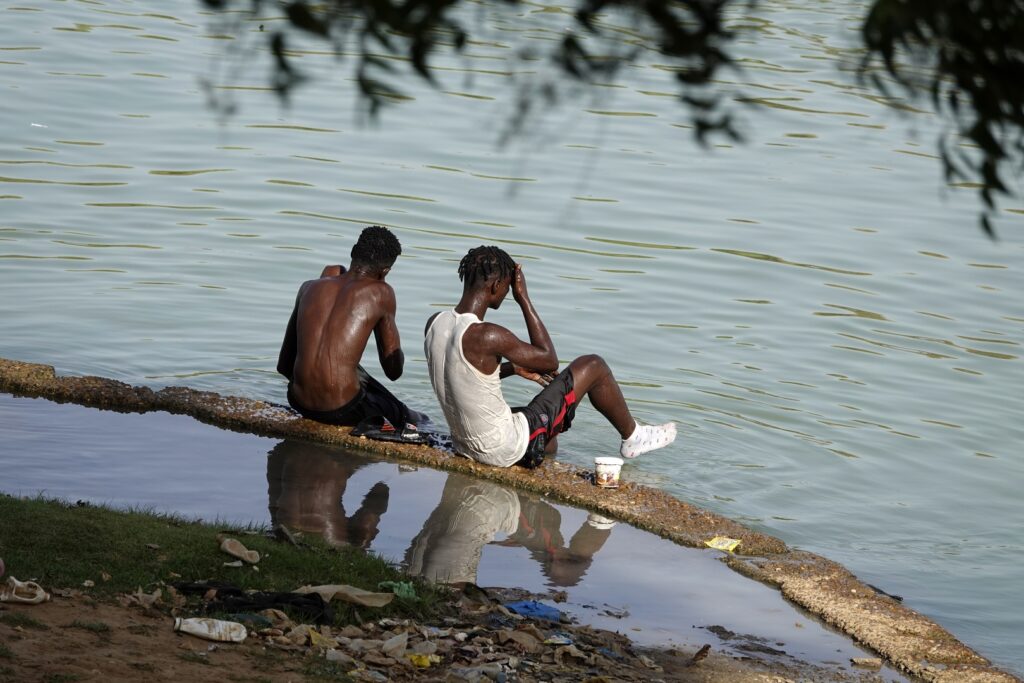
In the morning, you'll be woken by the washerwomen toiling by the river before the sun casts its rays. When leaving Podor for Saint-Louis, you'll take with you a piece of this river, of this Sahelian Africa, of the faces you met on excursions, and of the moments shared with the attentive crew. Whether you're travelling solo, as a couple, or with friends, this cruise is an authentic adventure that we warmly recommend.
Le Bou-el-Mogdad: A Living Symbol of Senegal's History
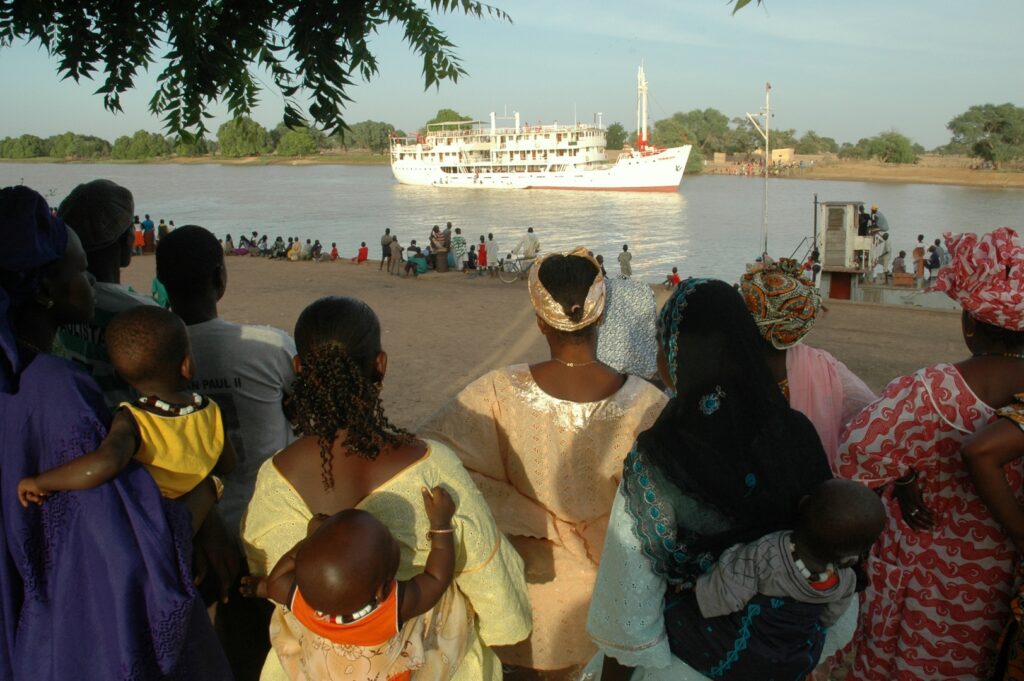
The ship's name pays tribute to El Hadj Bou El Mogdad Seck, a Saint-Louis interpreter and explorer of the 19th century, known for his missions with Governor Faidherbe (1818–1889) and his loyalty to the French administration.
The all-steel vessel was built in 1950 in the Netherlands, at the Biesbosch shipyards in Dordrecht, on behalf of Messageries du Sénégal. This cruise ship, 51 metres long and 10 metres wide, with a draught of 2.40 metres, was designed to carry passengers and goods on the River Senegal, linking Saint-Louis to Rosso, Richard-Toll, Dagana, Podor, Matam, Bakel, Kaedi in Mauritania and as far as Kayes in Mali. At the time, the waterway was the only means of delivering mail and goods to inland areas.
After ceasing its transport activities in 1970, the Bou-el-Mogdad remained docked for 5 years, abandoned to its fate. It was bought in 1975 by Georges Console, who had it repaired and converted into a tourist boat. In the meantime, it was rented by Mauritanians to distribute food during the Sahel drought. However, the construction of the Diama dam forced it to change its route. It then sailed in various regions, notably in Casamance, Guinea-Bissau, Sierra Leone, and in Saloum. In 2005, Jean-Jacques Bancal, a Senegalese entrepreneur from Saint-Louis, bought the Bou El Mogdad and had it restored to bring it back to the Senegal River. On 7 November 2005, an inaugural cruise was organised, marking the boat's return to its original waters.
Getting there
The cruise on the Bou el Mogdad goes from St Louis to Podor or vice versa, from Saturday to Friday of each week. The cruises start the last week of October and end the first week of May, due to the heat (promotional offers on this last week). 7-day, 6-night cruises. They resume departing from St. Louis on October 24, 2026. https://www.bouelmogdad.com/la-croisiere/
Health: This cruise is not recommended for people with reduced mobility due to the stairs on the boat. Taking preventative treatment for malaria is recommended, even in the most touristy areas of Dakar, and this does not preclude protecting yourself from mosquito bites.
Pre/post-cruise accommodation
Hôtel La Résidence in the historic centre of Saint-Louis, air-conditioned rooms and restaurant, free Wi-Fi. https://www.hoteldelaresidence.com/
Tel: (+221) 33 961 12 60
reception@hoteldelaresidence.com
With ByNativ
ByNativ, Specialising in Senegal, this is a network of local agencies specialising in bespoke travel, through which you can organise your trip directly.
The benefits of ByNativ: the expertise of French-speaking specialists on the ground to create your bespoke trip, the reassurance of a French company and a range of exclusive services. Travel to Senegal – Local travel agency
Text and Photos : Brigitte Postel otherwise.