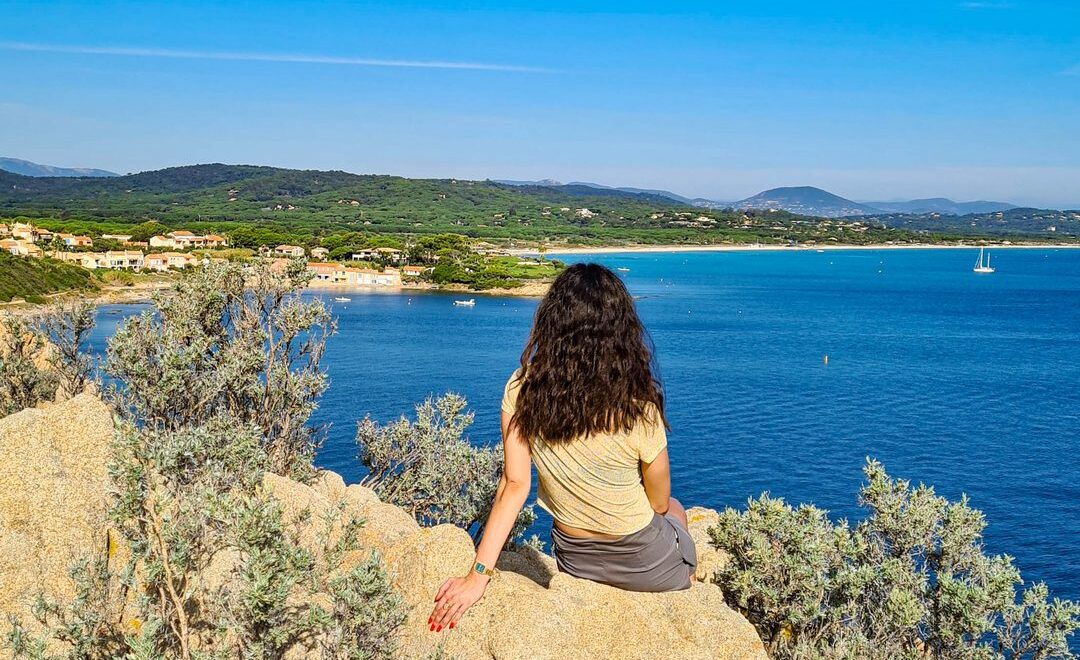
Between the shimmering Mediterranean, perched villages and preserved landscapes, the Gulf of Saint-Tropez reinvents the Provençal art of living. The Gulf of Saint-Tropez is not just about Saint-Tropez. The most surprising thing is perhaps elsewhere. Behind the glamorous image that has captured worldwide attention, this territory has become one of the most committed to preserving its natural heritage. To grasp its spirit, we chose to stop off in some iconic villages: Ramatuelle, Grimaud, Cogolin.
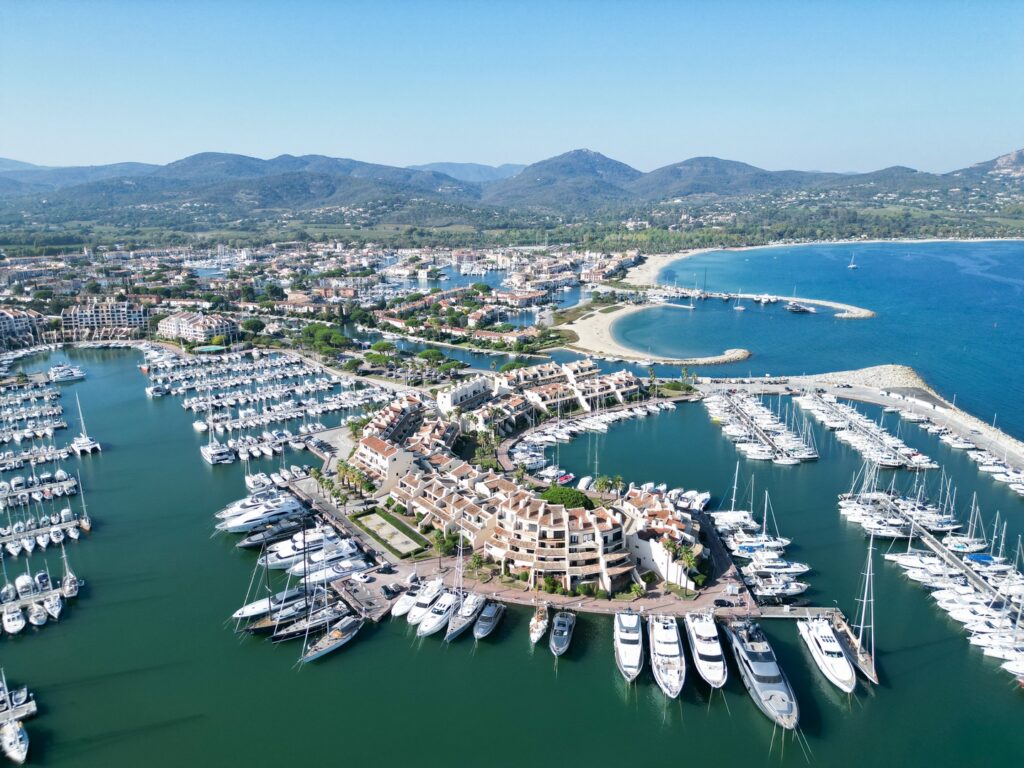
We think we know it. A few images are generally enough to capture our imagination: yachts moored in the harbour, lively terraces, the dazzling Mediterranean light and that unique atmosphere that, for decades, has attracted artists, writers, filmmakers and travellers from all over the world. But behind this postcard lies a far deeper territory. A territory where Provençal authenticity dialogues with the elegance of the French Riviera. A territory where nature remains omnipresent. With the Mediterranean as its horizon and the Massif des Maures as its setting, the Gulf of Saint-Tropez appears today as one of the most beautiful demonstrations of what tourism conscious of its heritage can be.
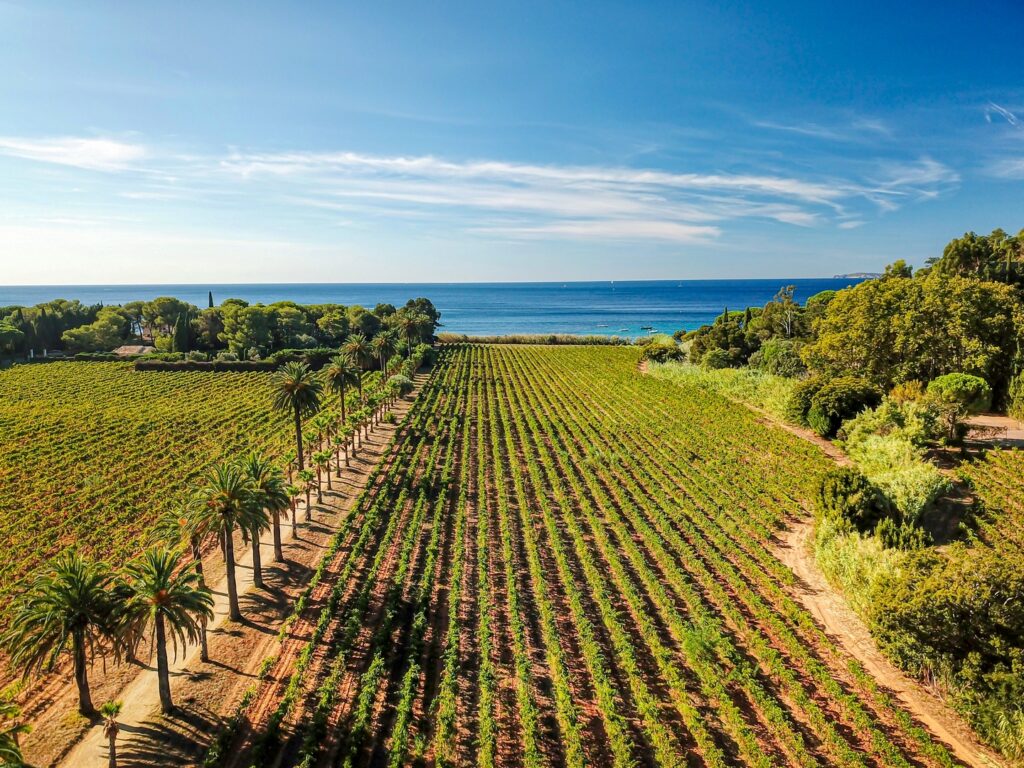
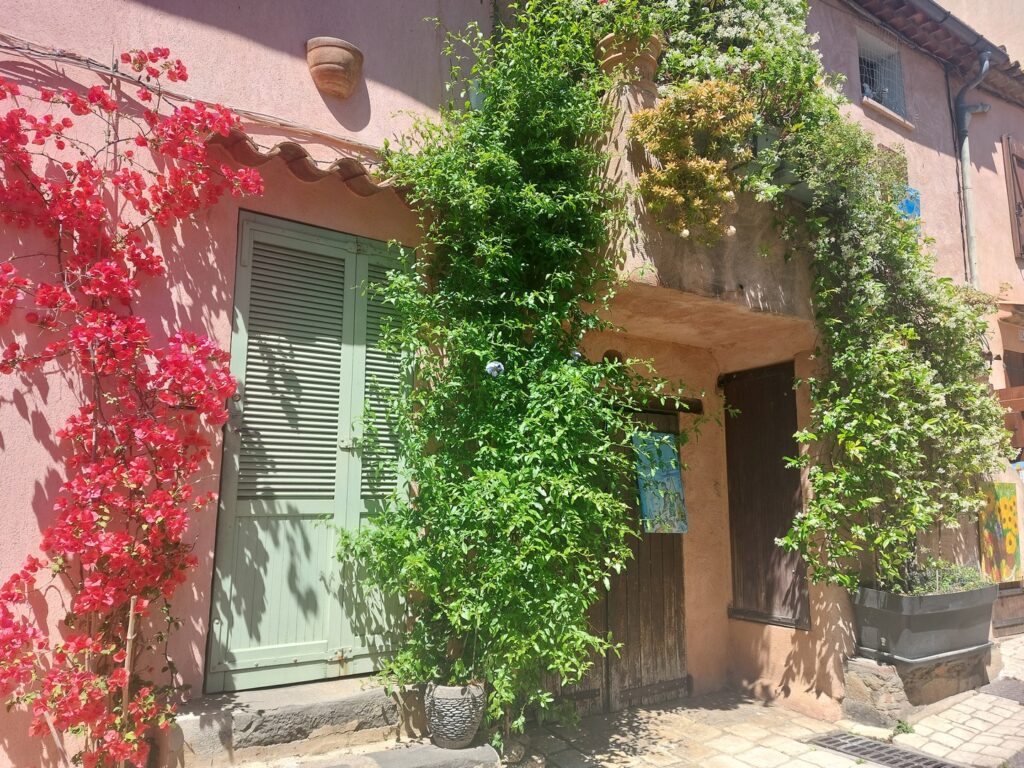
Comprising twelve villages, this territory offers perhaps one of the most beautiful faces of Provence. A land where cobbled lanes descend to squares shaded by plane trees, where vines stretch to the horizon, and where the Mediterranean emerges at every turn like a reward. Here, the light possesses something unique. It caresses the blonde stones of Grimaud, embraces the facades covered in jasmine and bougainvillea of Ramatuelle, goes to meet the artisans of Cogolin, and enhances the coves of its capes, worthy of the South Seas.
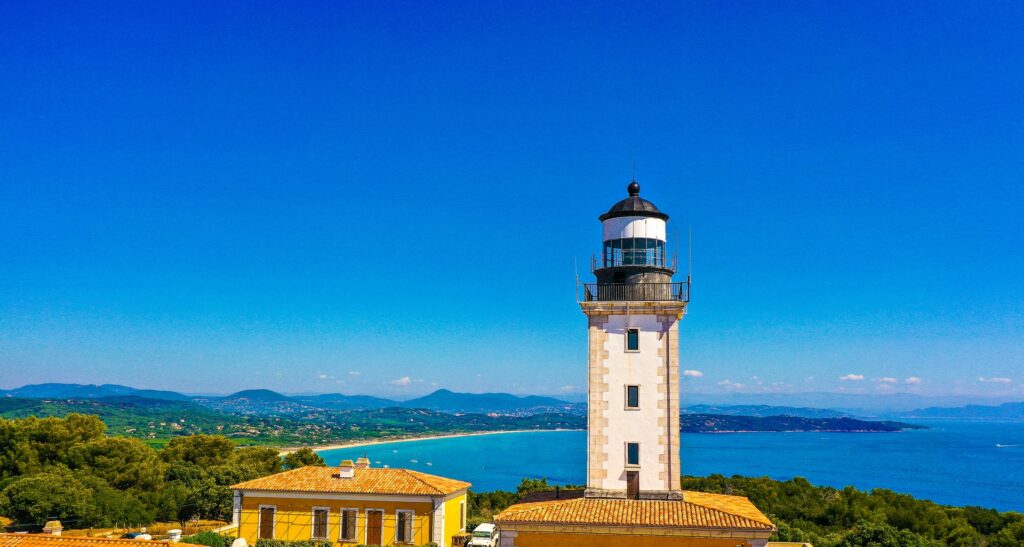
The Cap Camarat lighthouse, sentinel of the Mediterranean
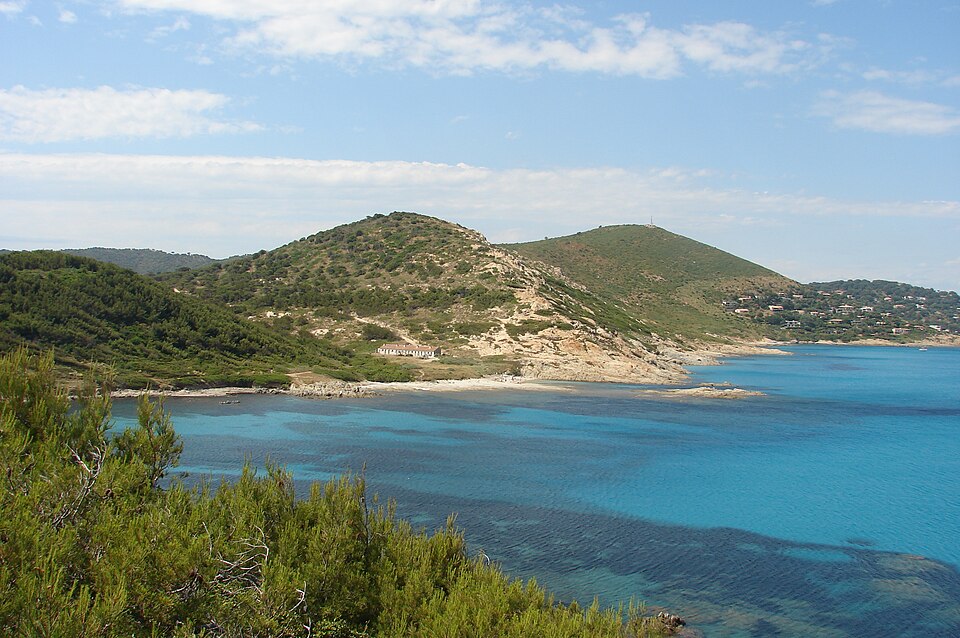
At the tip of the Ramatuelle peninsula, the Cape Camarat lighthouse dominates one of the most spectacular stretches of the Var coastline. Bought by the Coastal Conservation Agency, it is France's second-tallest lighthouse (134 metres). All around it, nature retains its wild character. Opposite is the long Pampelonne beach and its dunes, which have been redeveloped in recent years. The vast Massif des Maures, the Capes of Camarat, Bonne Terrasse, Lardier and Taillat, and their coves with crystal-clear waters. The view encompasses the entire gulf. Like a guardian tasked with watching over not only sailors but also an invaluable natural heritage.
Twelve villages, one soul
Each village has its own character while participating in a shared history. This diversity constitutes its richness. On one side, the coastline unfolds its fine sandy beaches, rocky capes and secret coves. On the other, the hinterland reveals hills, vineyards, Mediterranean forests and hilltop villages. Everywhere, Provence remains present. In the markets with their scents of thyme and lavender. On the ochre facades warmed by the sun. In the song of the cicadas that accompanies the long summer days.
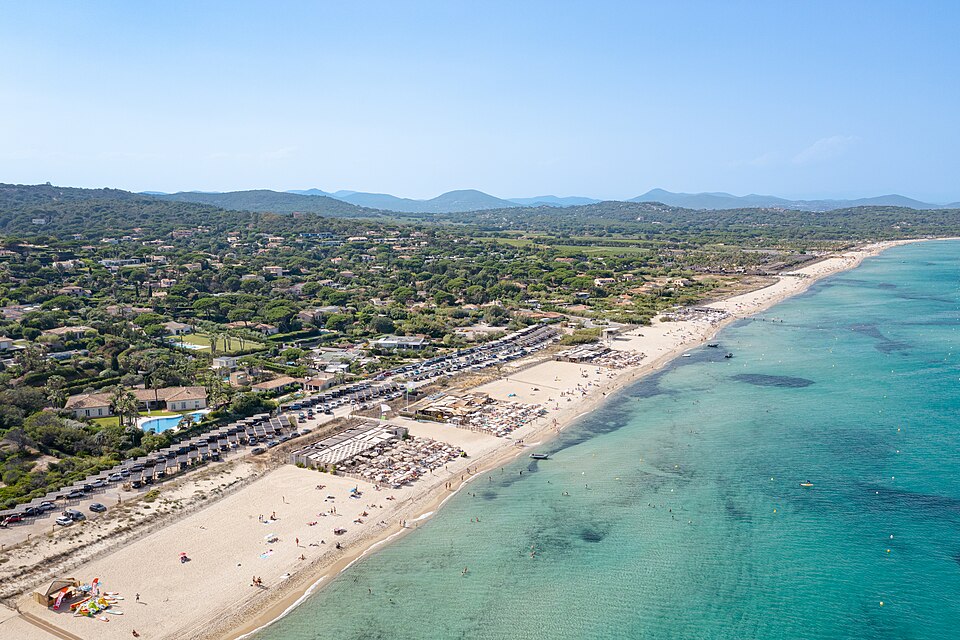
It is impossible to mention the gulf without talking, of course, about Pampelonne. Nearly five kilometres long, this mythical beach of international renown, situated in the territory of Ramatuelle, could have been condemned to artificialisation. However, over the years, an awareness has emerged. Faced with environmental challenges and the need to preserve an exceptional natural space, extensive development work has been undertaken with the owners of restaurants and beaches. Today, Pampelonne thus illustrates a new model. One of tourism that seeks to reconcile tourist numbers with respect for ecosystems. The beach has thus gradually regained its natural balance.
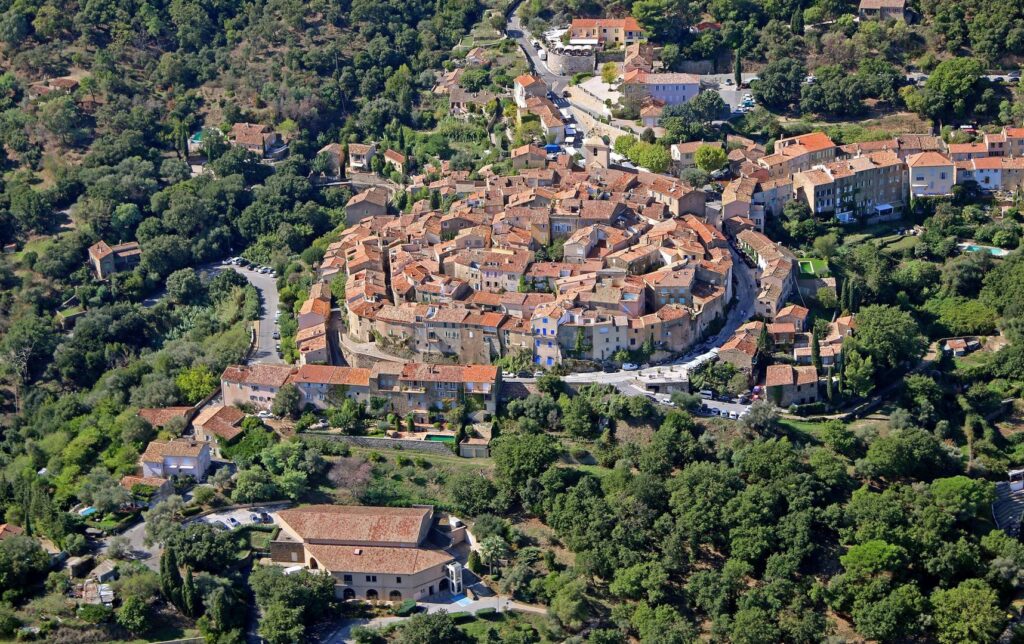
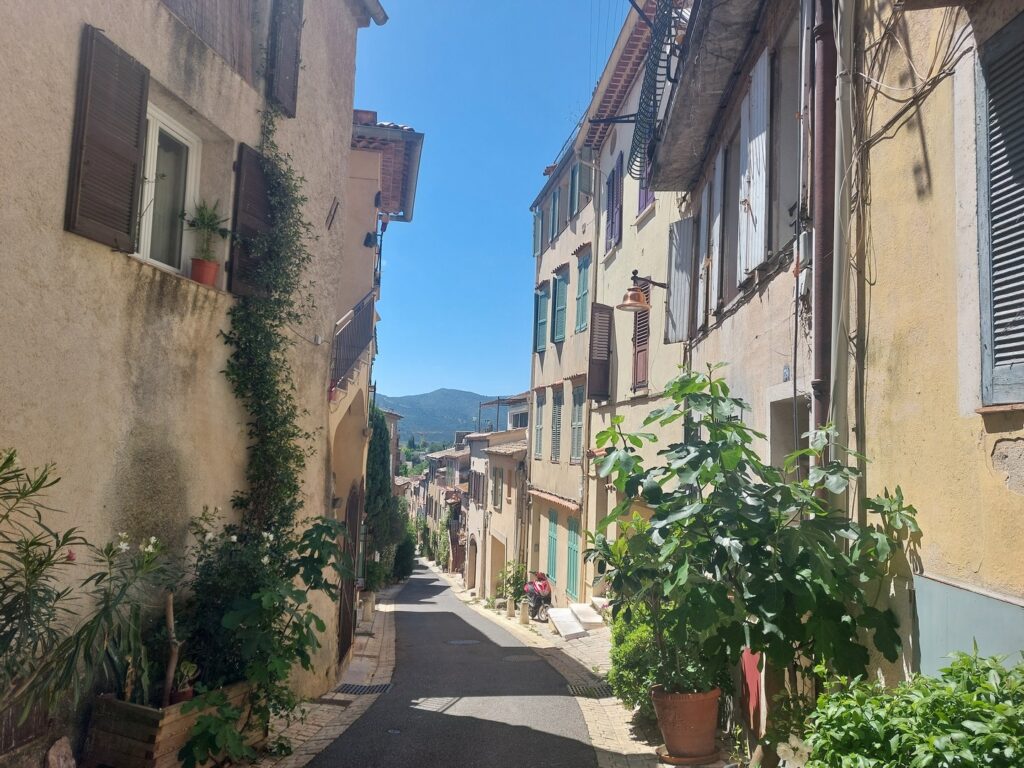
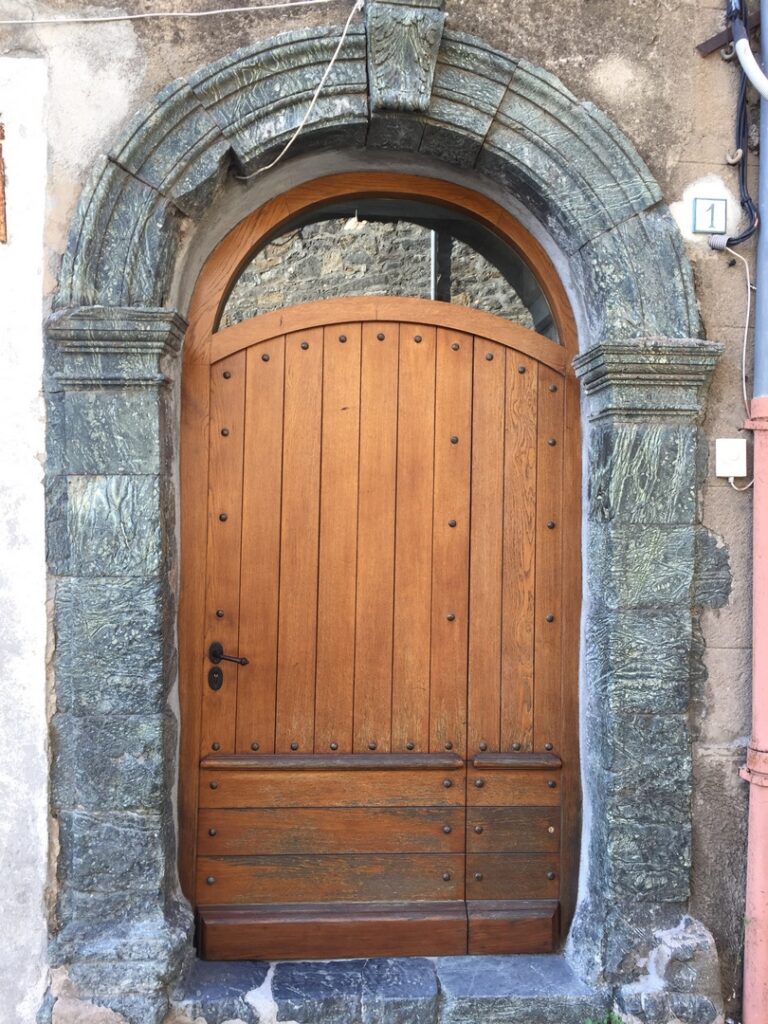
Above Pampelonne, Ramatuelle seems to watch over the bay. Clinging to its hill, the village unfolds its circular streets. Its houses with pastel shutters tell of a Provence preserved from the excesses of time. On the Place de l’Ormeau, the porch of Notre-Dame church is one of the village's most remarkable heritage features. Adorned with green serpentine dating from 1620, it alone tells centuries of history. It recalls the era when Ramatuelle still lived behind its ramparts, looking both towards the sea and towards the defence of its territory.
Along the alleyways, another memory accompanies the visitor: that of Gérard Philipe. A legendary figure in French theatre and cinema, the actor who played Fanfan la Tulipe regularly came to stay at his wife Anne Philipe's family home. Having fallen under the spell of the village and its landscapes, he helped to make Ramatuelle known far beyond the borders of Provence. Even today, several portraits and depictions of the actor bear witness to this mutual attachment between the artist and the village. This memory is extended every summer through one of the most renowned cultural events on the Mediterranean coast. When the cicadas fall silent at dusk, the open-air theatre becomes one of the most sought-after stages in the South of France. Created in 1985 by Jacqueline Franjou and Jean-Claude Brialy with the support of Anne Philipe, the Ramatuelle Festival was born in tribute to Gérard Philipe. For over forty years, this event has combined theatre, comedy, music, and variety acts in an exceptional setting, just a few kilometres from Saint-Tropez. Beneath the pine trees and the Mediterranean stars, the biggest names in French performance take to the stage there every summer. Ramatuelle perfectly encapsulates the identity of the Gulf of Saint-Tropez: a subtle balance between heritage, nature, culture, and the art of living. With a few places to discover, such as the organic restaurant and community bar "Qui l’eut cru" .
Grimaud, the balcony of the gulf
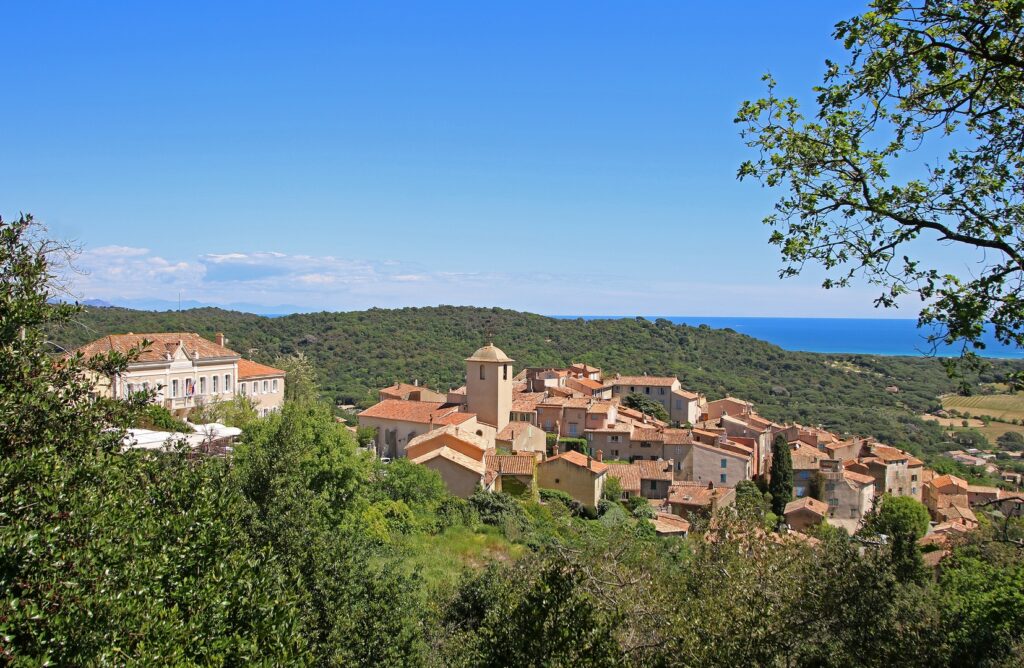
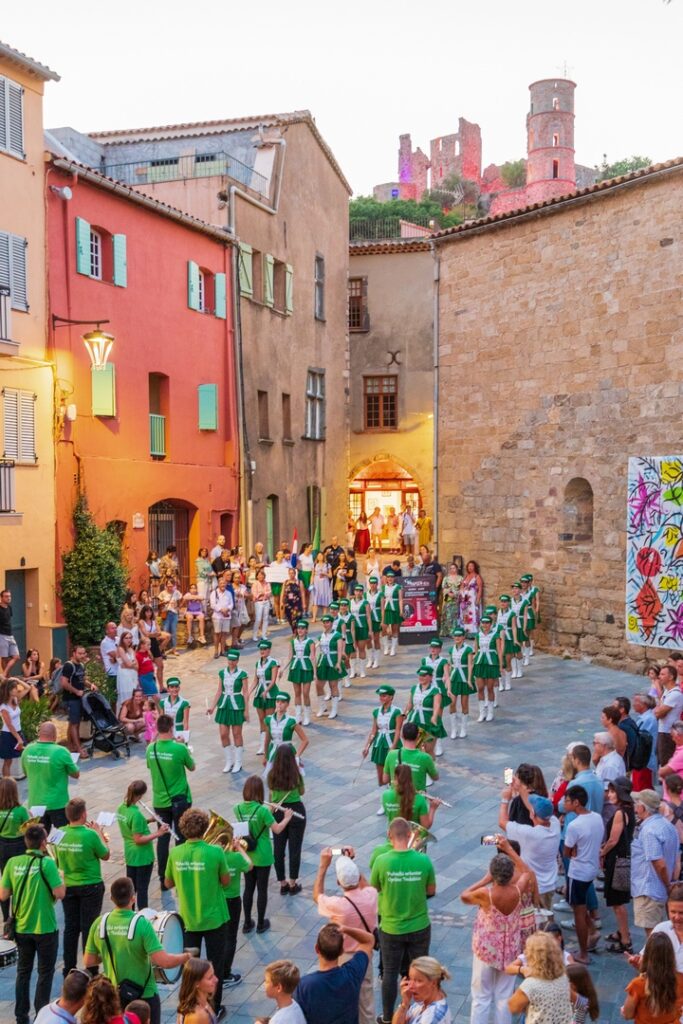
Few villages offer such a spectacular panorama as Grimaud. Dominated by the remains of its medieval castle, the village seems suspended between sky and sea. In the distance, the silhouettes of Saint-Tropez and its famous ochre bell tower can be made out, while hills covered in umbrella pines frame this typically Provençal scene.
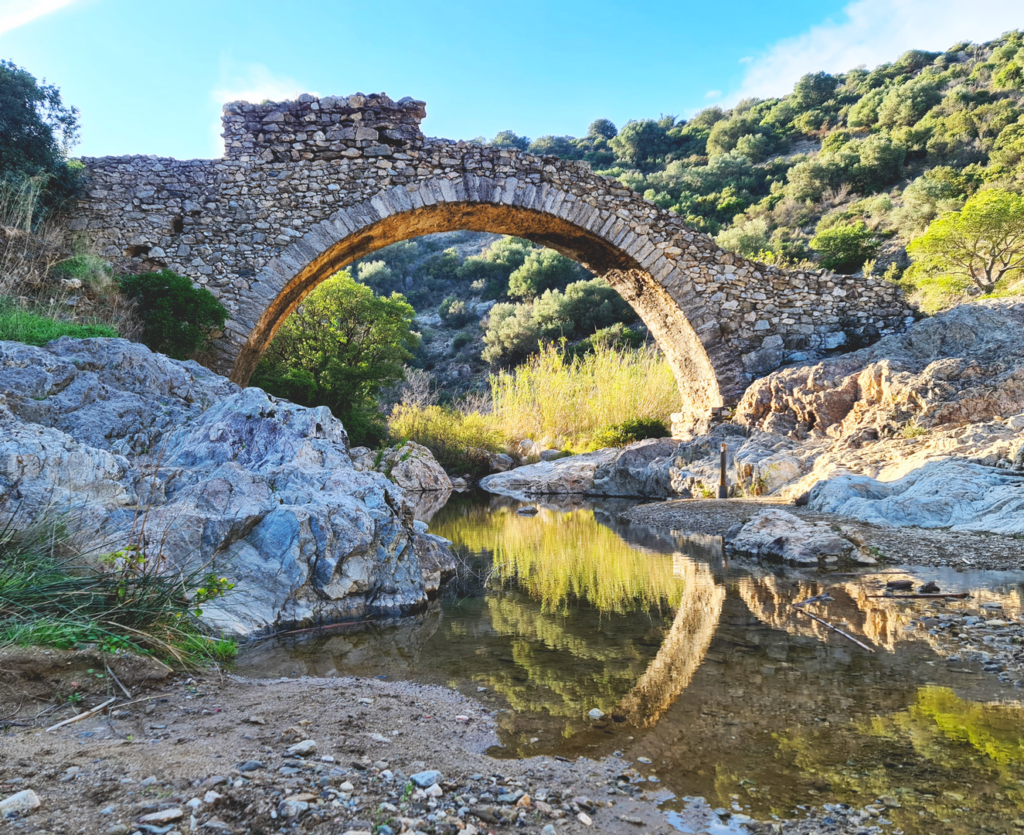
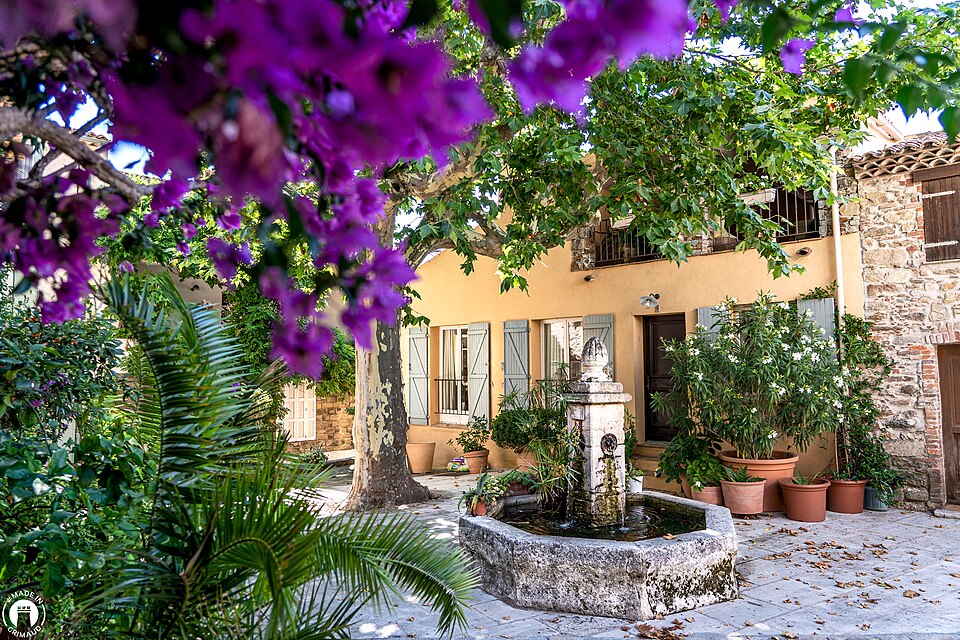
Located just a stone's throw from the village of Grimaud, the Pont des Fées remains one of the most beautiful bucolic walks in the region. Spanning the Garde river, this ancient structure bears witness to the essential role that water has always played in this part of the Midi, where every spring was once a precious resource. Even today, water remains an integral part of the village's soul. Around the shaded squares, numerous old fountains appear, their murmuring accompanying your stroll. They offer refreshing stopping points that contribute to the timeless charm of this village where time seems to slow down.
But Grimaud also knows how to combine heritage and contemporary creation. As the tourist office guide points out, its alleys and squares host street art works each year that engage in a dialogue with the ancient stones of the village.
The Grimaldines
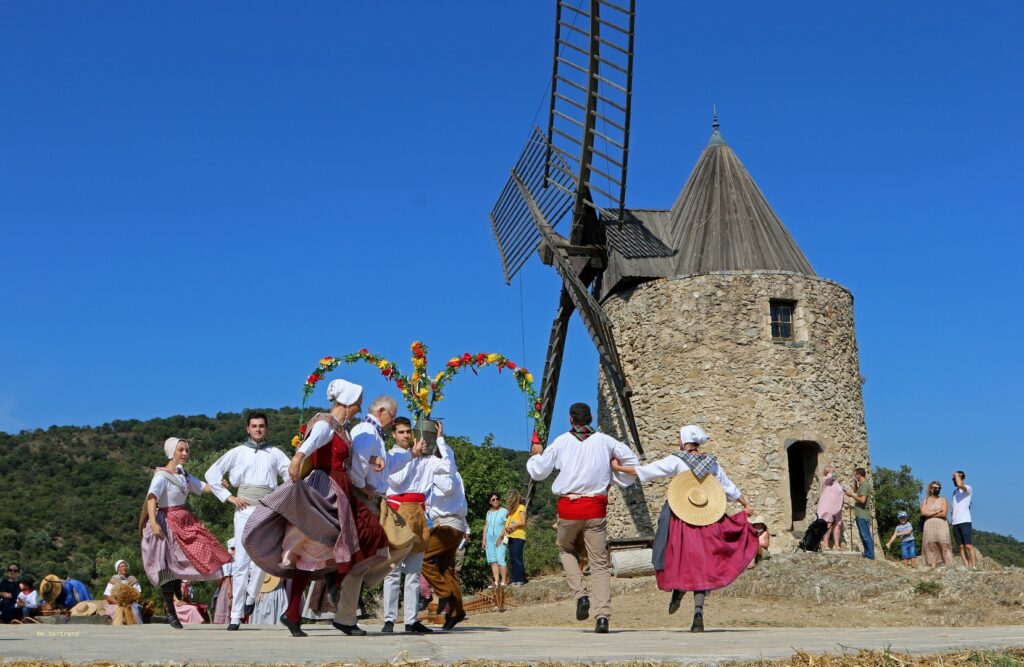
Every summer, Grimaud also vibrates to the rhythm of Grimaldines, one of the most iconic cultural events in the Gulf of Saint-Tropez. Created in the early 2000s, this festival transforms the village alleyways and the surroundings of the castle into a true open-air stage where world music is celebrated. This year, Selah Sue is showing. Don't miss it! Photo: Cyril Carpentier
Cogolin, discreet authenticity
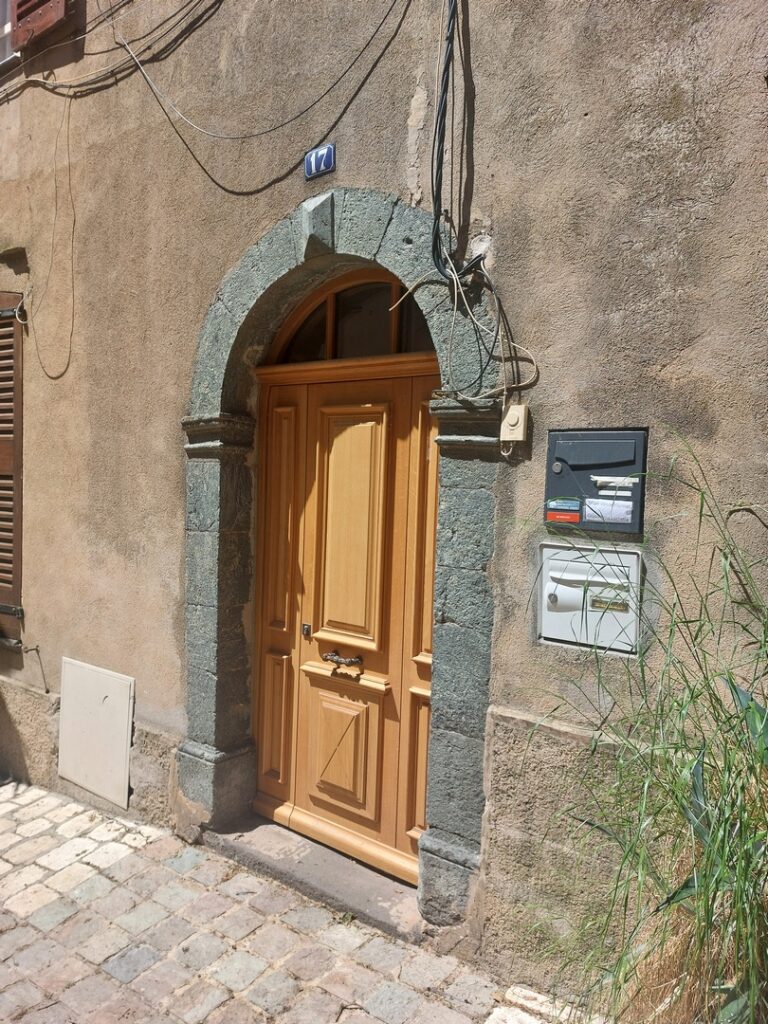
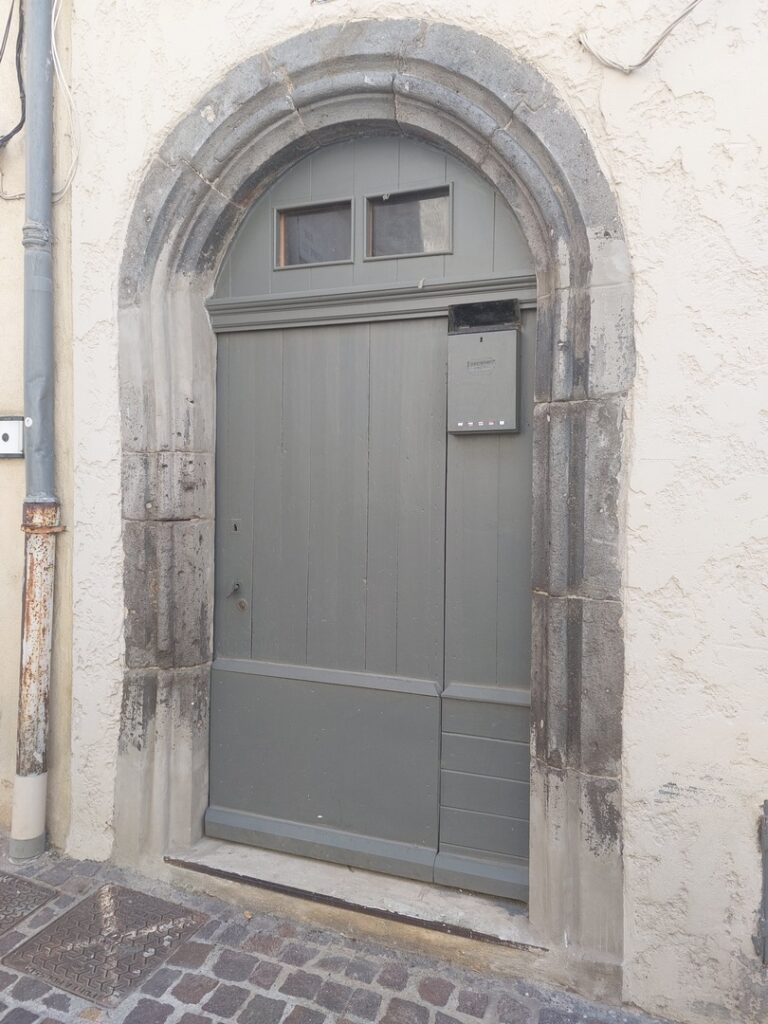
Although it has received less media attention than some of its neighbours, Cogolin, reveals another facet of the Gulf of Saint-Tropez, a more discrete one deeply rooted in its history. The second most populous commune in the Gulf, it has managed to preserve a unique identity, shaped by generations of artisans and by skills that continue to thrive day-to-day. Wandering through the ancient alleyways of the historic centre, visitors discover an authentic Provence. Behind the warm-toned facades, the scent of jasmine mingles with cascades of bougainvillea that adorn the walls. Here, we are far from the hustle and bustle of the coast. Every stone seems to tell a fragment of the past, that of a town which has managed to preserve its popular soul, while looking towards the future. To fully appreciate its richness, nothing beats the guided tour organised by the tourist office. It invites you to wander through the narrow streets of the old village to discover a heritage that is as unassuming as it is unique: the famous porches of Cogolin. True architectural hallmarks of the town, they bear witness to a geological history and a unique craftsmanship.
These porches are carved from two rocks characteristic of the region. The first is serpentine, a deep green ornamental stone whose smooth, shiny surface evokes the skin of a snake, from which it gets its name. The second is vesicular basalt, a grey volcanic rock from ancient lava flows over five million years old. Together, these materials lend the entrances to the houses a discreet elegance and an immediately recognisable identity. Moreover, Cogolin's renown has been built around its carpet manufacturers, whose creations have adorned private homes, palaces, prestigious hotels, and official buildings worldwide for over a century. In these exceptional workshops, skills are passed down from generation to generation, perpetuating a weaving art of remarkable precision. This living heritage has greatly contributed to making the name Cogolin shine far beyond the borders of Provence.
Courrieu pipes, an exceptional heritage at the heart of Cogolin
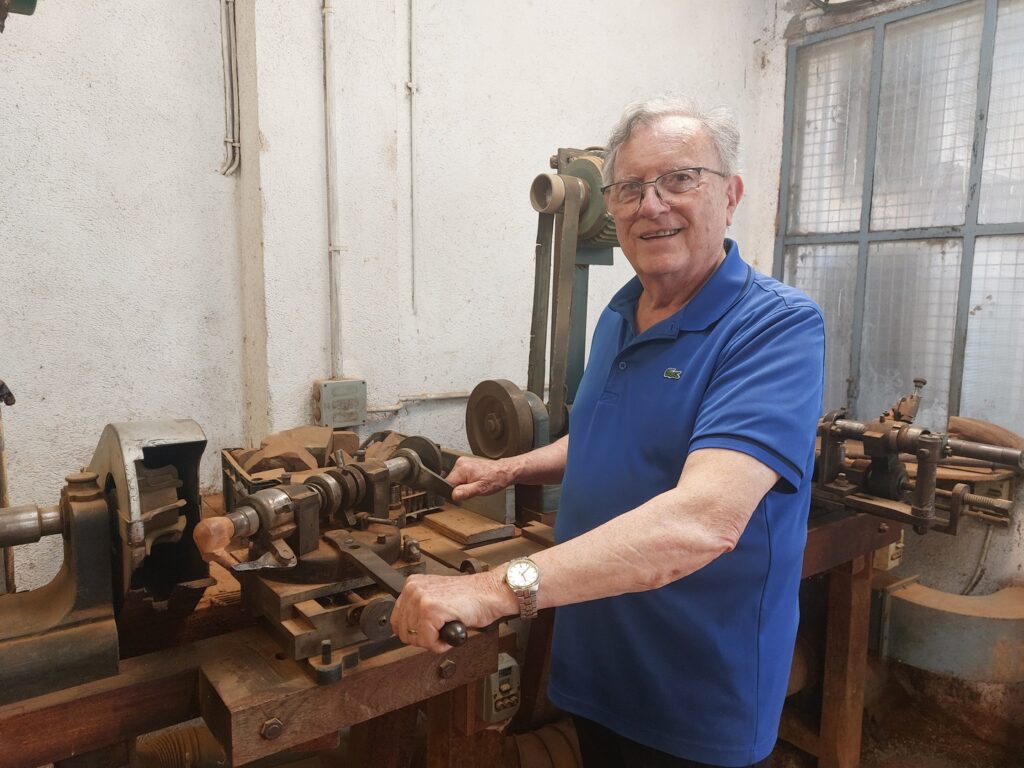
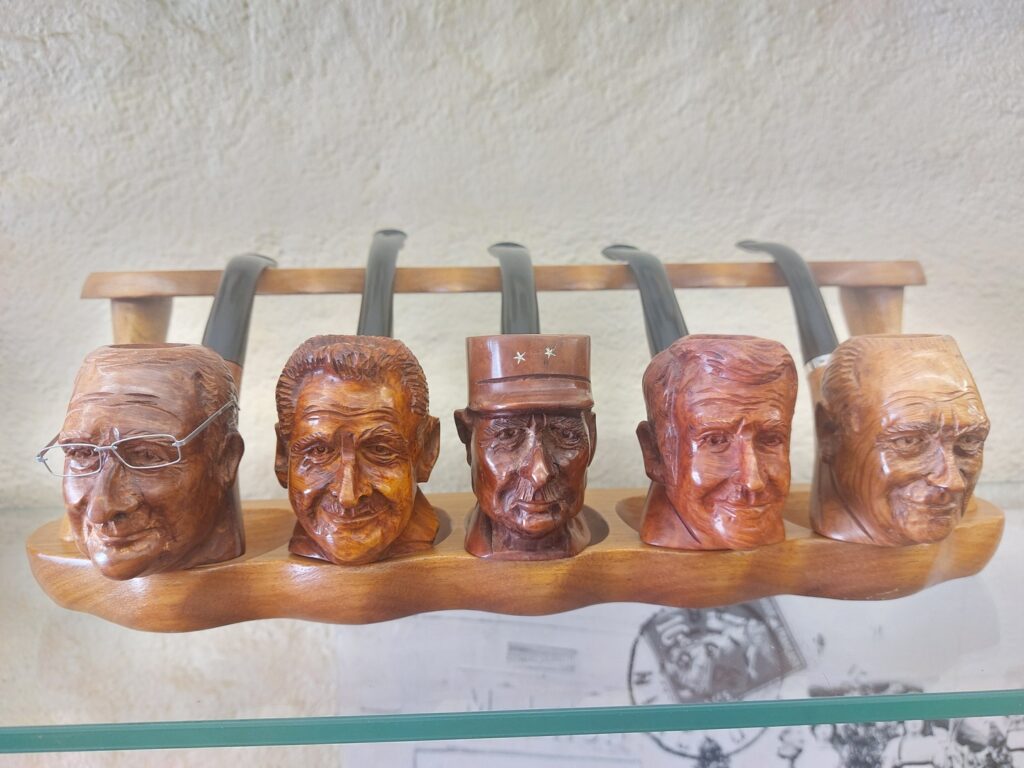
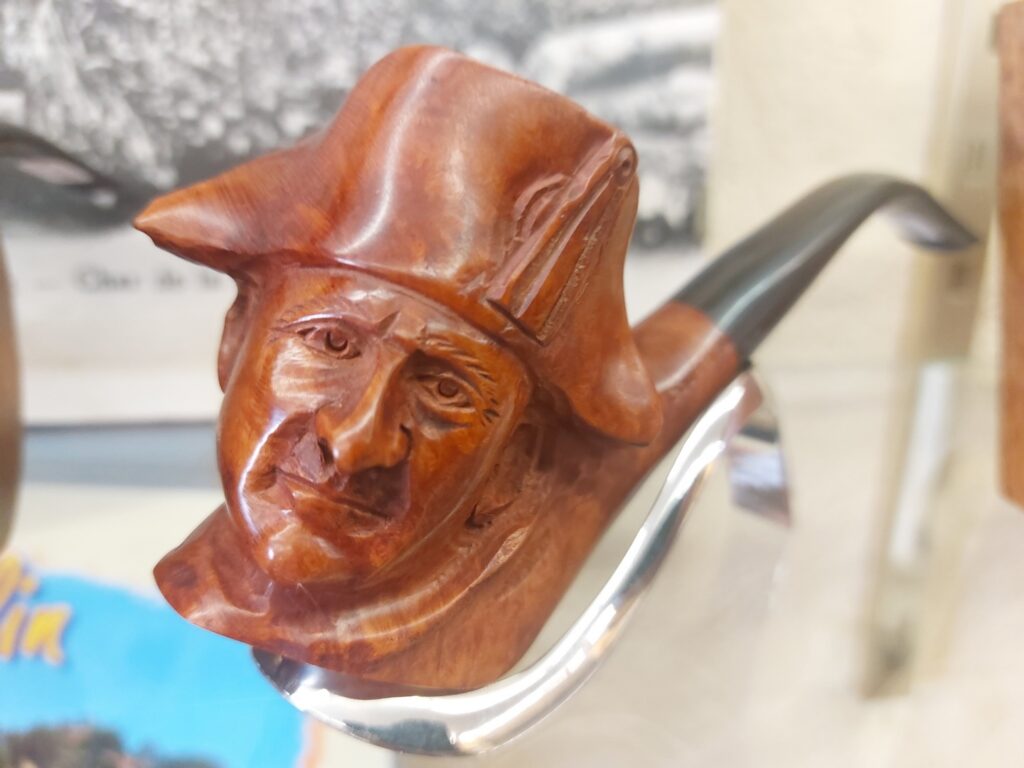
Another local pride is pipe making. It is impossible to mention Cogolin without talking about the family Courrieu, whose name is inseparable from the city's artisanal history. For over two centuries, this dynasty of master pipe makers has perpetuated a unique know-how in the manufacture of briar root pipes, harvested from the forests of the Maures Mountains. Each pipe is still crafted using methods handed down through several generations. The workshop is now one of the oldest still in operation in France and holds the prestigious «Entreprise du Patrimoine Vivant» label. Crafted with remarkable precision, the famous briar pipes have accompanied several generations of enthusiasts. And famous people! Johnny Halliday, Georges Brassens, Sacha Distel, Charles Aznavour, Bernard Blier, and Georges Simenon were among the loyal clients of Courrieu pipes.« The models of De Gaulle and Napoleon are the most requested. »", Rémi Courrieu tells us.
In a world where destinations compete with spectacular attractions and increasingly extraordinary experiences, the Gulf of Saint-Tropez ultimately offers something different. A return to the essentials. As you pass through villages, along coastal paths, past vineyards, through shaded squares and meet local people, the journey takes on a whole new dimension here. It is a region that invites you to slow down, to watch the light on the hills, to listen to the song of the cicadas, and to savour the passing of time. Behind the myth and the postcard images, the gulf reveals a discreet authenticity, made up of preserved heritage, passed-down skills and a natural world that remains ever-present. Perhaps this is its true luxury. Not excess or pomp, but the chance to reconnect with simple pleasures: a stroll through the narrow streets of a hilltop village, a sunset over the Mediterranean, a drink shared in the shade of the plane trees, the scent of the maquis carried on the wind. All these moments serve as a reminder that the most precious journey is not always the one that leaves the greatest impression. It is often the one that reconnects us – with a place, its people, and the beauty of life. And perhaps with ourselves, too.
Where to have lunch
L'Orangerie restaurant in Ramatuelle
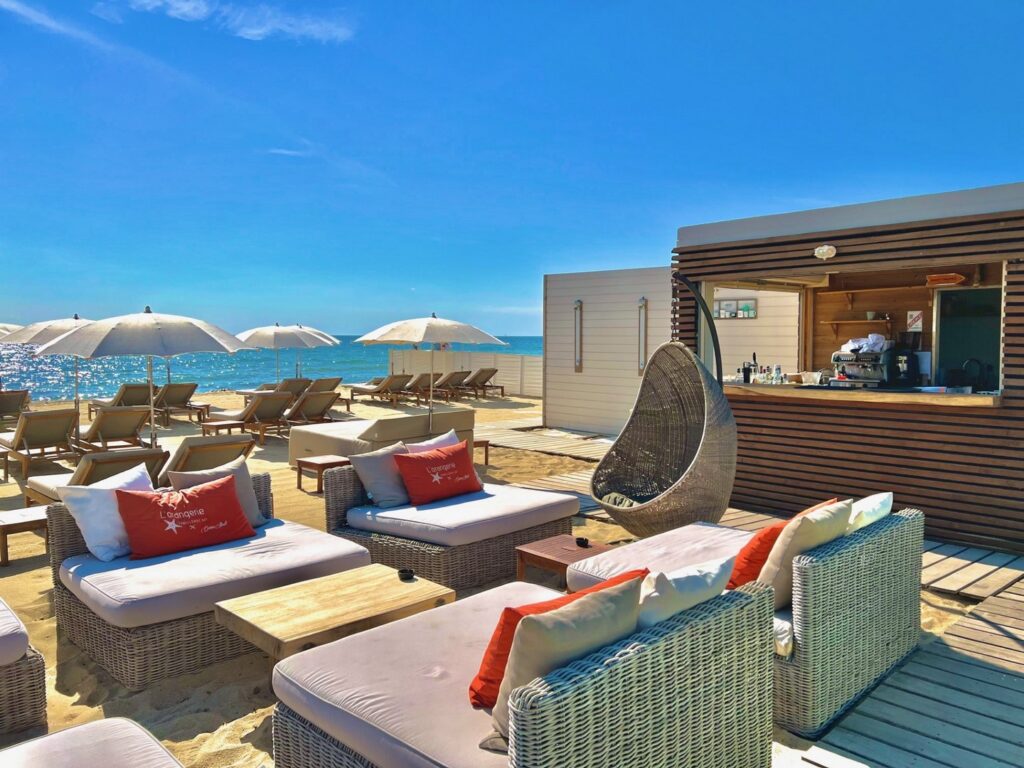
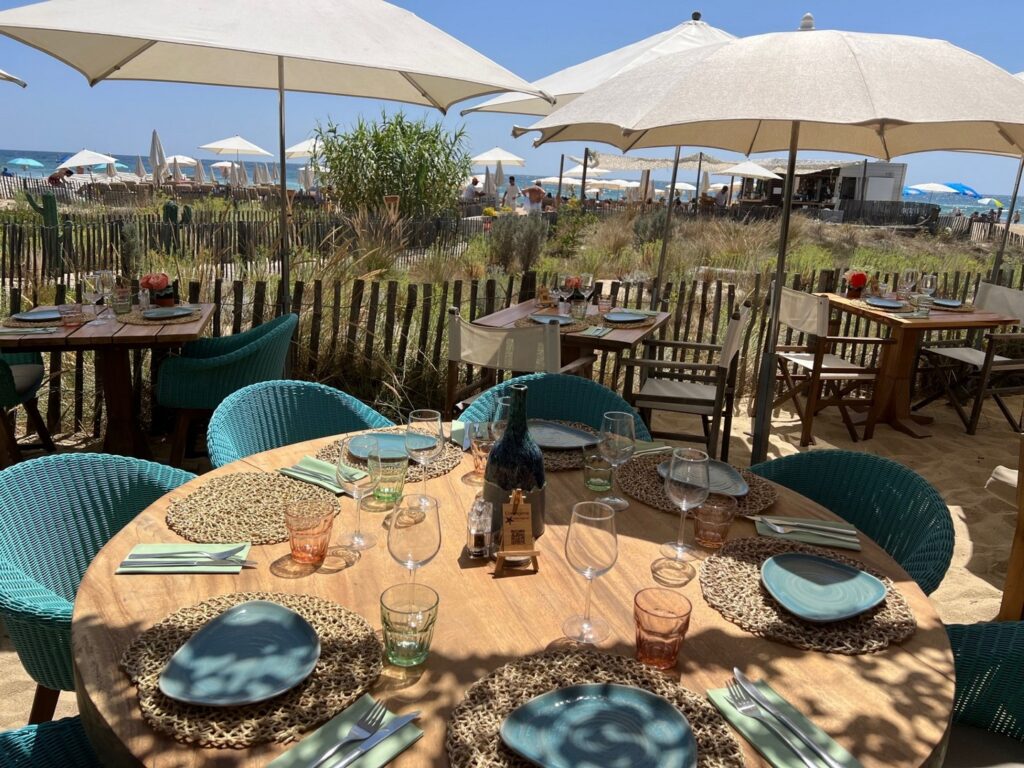
There are places that transcend fashion without ever losing their soul. Located on the iconic Pampelonne beach, the’Orangery has welcomed regulars to the Gulf of Saint-Tropez since 1970, as well as passing travellers. The spirit has remained true to itself: elegant without being ostentatious, refined without ever being pretentious. The decor favours natural materials, pale wood, fabrics, orange of course, and soft colours that extend the surrounding landscape. From the terrace, the gaze naturally glides towards the sea. At the table, the philosophy of the house is based on the simplicity of beautiful produce. The cuisine celebrates Mediterranean flavours with a menu that gives pride of place to fresh, seasonal ingredients. A must-try: the spaghetti with Clams. Open all year round, a rarity on this coastline, this venue with 200 seats is run by Fabien Manificat. In a bay that has become one of the most famous in the world, L'Orangerie has thus managed to retain a profoundly human dimension. At a time when so many establishments are striving to impress, the owner has chosen the path of authenticity. And this is undoubtedly what makes this place so endearing. https://plage-orangerie.com/
Where to stay
L'Orangeraie, a residence of character between history and Mediterranean sweetness
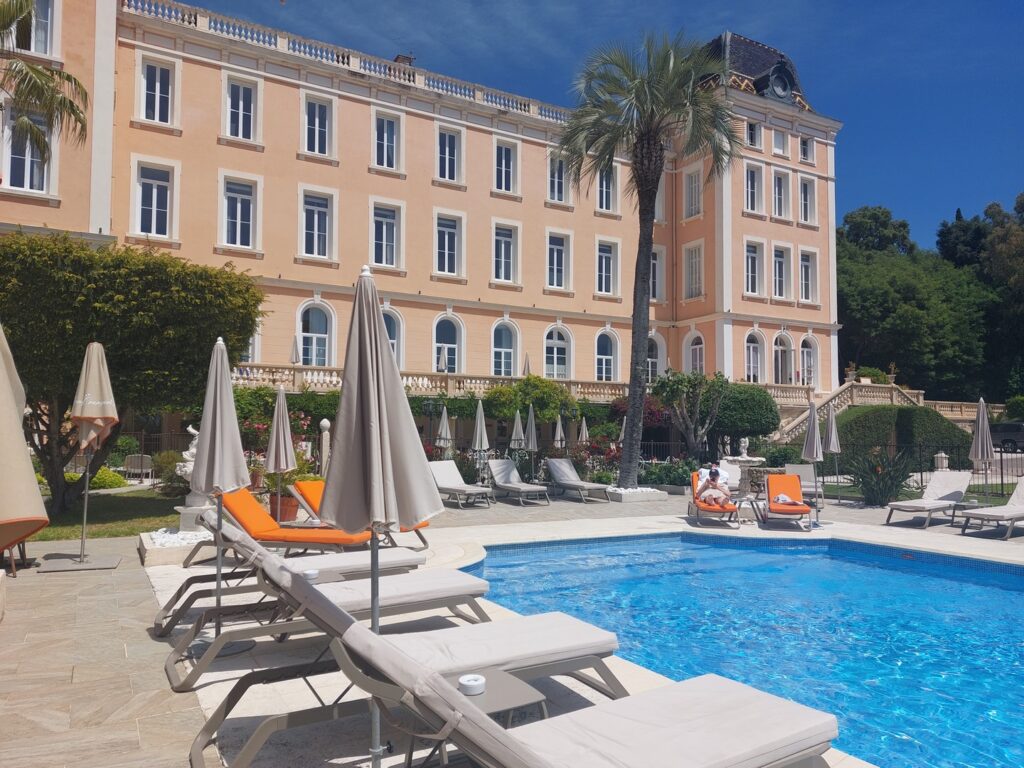
In La Croix-Valmer, just a few minutes’ drive from the beaches of Gigaro and the protected areas of Cap Lardier, The Orangery Hotel has that special charm found only in places steeped in history. Behind its elegant façades and Mediterranean gardens lies a place where heritage blends seamlessly with the Provençal way of life. On entering, visitors are immediately struck by the beauty of the reception hall, located in a former chapel. The generous proportions, high ceilings, filtered light, and the preserved character of the place give this space a very unique atmosphere. This former chapel, now the beating heart of the hotel, immediately sets the tone. L’Orangeraie exudes understated elegance, a world away from the clichés of the Riviera. Nestled between the sea, vineyards and the Massif des Maures, the hotel offers a serene retreat where heritage becomes an experience in its own right. An inspiring destination, where every detail serves as a reminder that the finest journeys are often those that take you back in time. www.hotel-lorangeraie.com/