
New York isn't something you tell, it's something you grasp, and it grasps you, immediately. And sometimes, it catches you where you least expect it: at the top.
Table of Contents
There are experiences that go beyond a simple tourist visit. Summit, because in the glazed heights of Manhattan, belongs to that rare category. You ascend as you would enter another dimension, leaving behind the tumult of taxis and sirens for an almost unreal suspension.
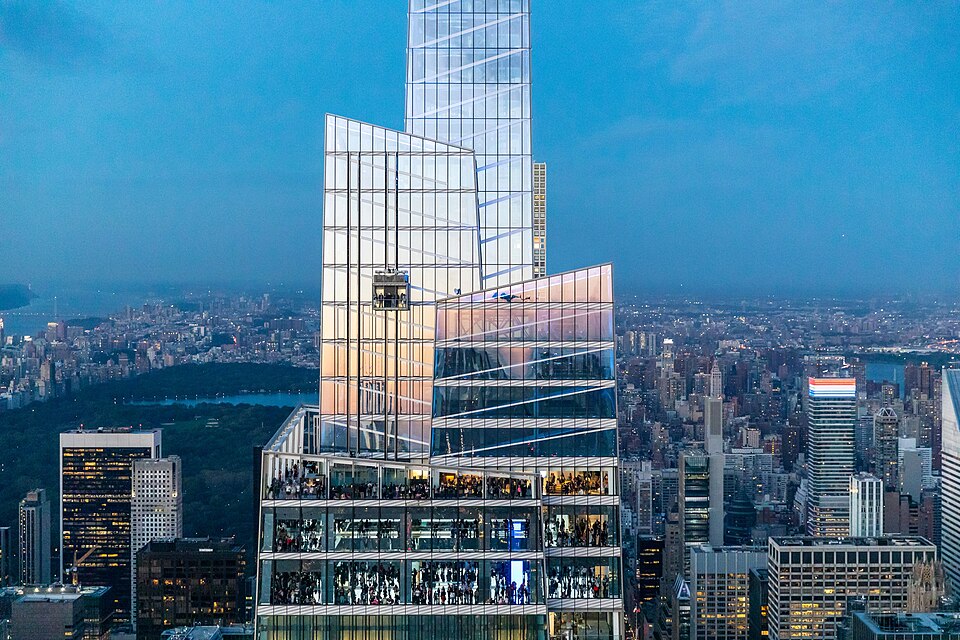
Up there, all is light. The walls vanish, making way for vast bay windows. You feel as though you are above everything. Mirrors on the floor multiply infinity beneath our feet. You walk, or float, depending on your mood, in a perfectly orchestrated illusion. New York is no longer just in front of you; it is everywhere!’Empire State Building rises quickly before you.
The Summit is not merely an observation deck. It's a set piece. You come to see, and you leave with a magical sensation. A delightfully memorable experience.
New York, capital of vertigo

New York isn't a city, it's a collection of living myths. You arrive with your mental images from films, and yet, anything can surprise you. You have to keep reaching higher.
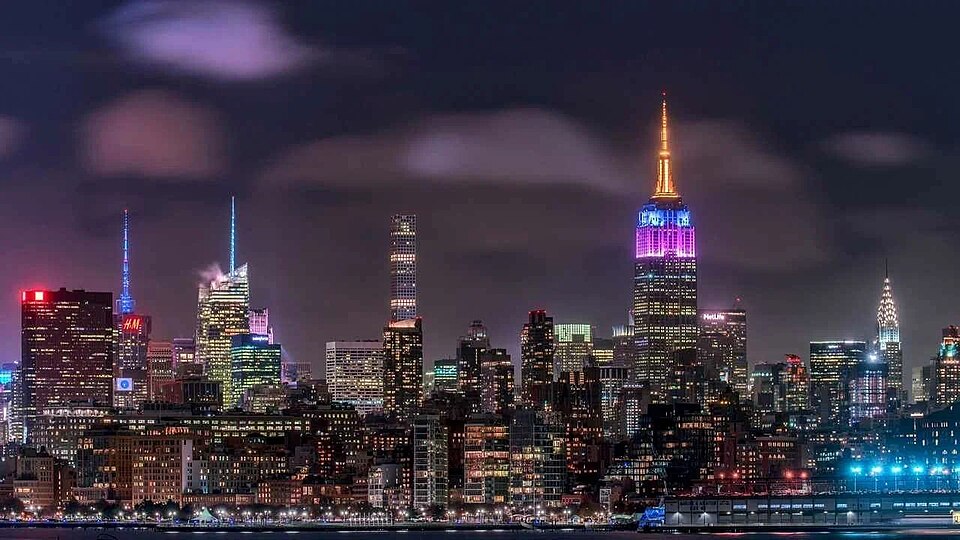
To progressively increase building visits. The best is to reach the top of the Top of the Rock, with breathtaking views, among other things, of Central Park who carves out its green rectangle, an oasis of 341 hectares. In the distance, the familiar silhouette of the Empire State Building. Again!
So there's no longer any hesitation needed to join this iconic building, immortalised in the film's final sequence. King Kong. A true legend. Standing tall in the heart of Manhattan since 1931, this giant of steel and stone continues to fascinate travellers, filmmakers, and lovers of dizzying panoramas alike.
With its Art Deco lines, streamlined silhouette and instantly recognisable crown, the Empire remains one of the absolute symbols of New York, perhaps even of triumphant 20th-century America.
At Ground Zero, New York never forgets
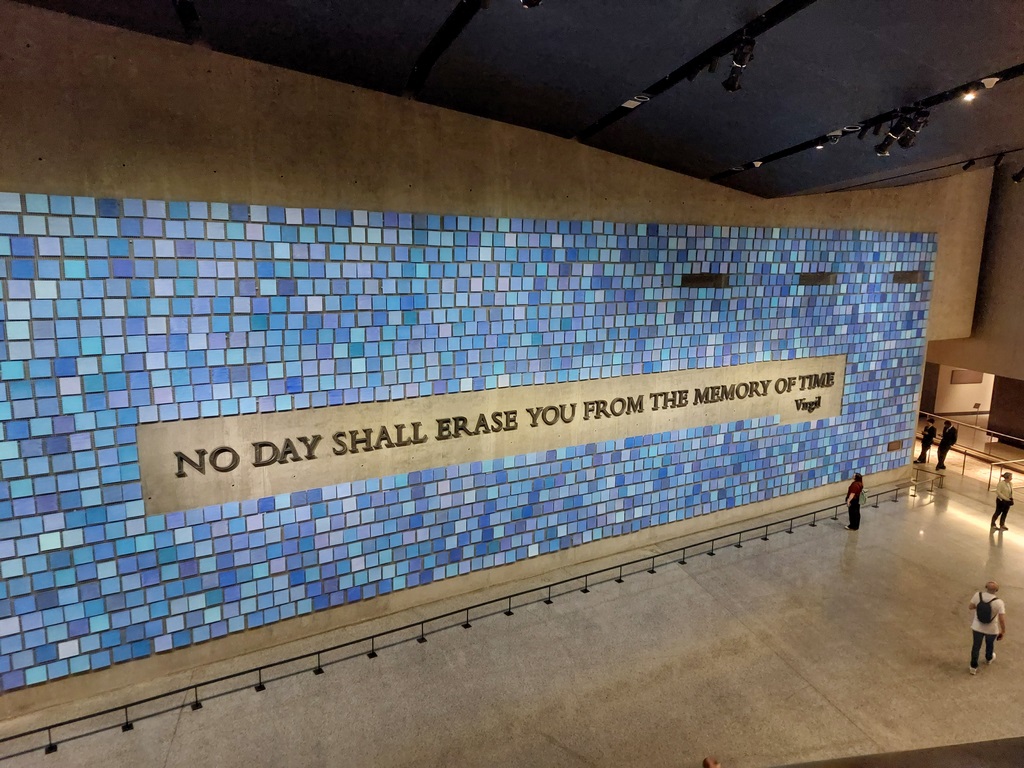
To the south of Manhattan, on the site of the former towers of World Trade Centre, The 9/11 Memorial and Museum honours the victims of the September 11, 2001 attacks, one of the most significant events in contemporary American history.
The memorial consists of two immense pools dug on the exact spot where the Twin Towers once stood. The water cascades down into them in a striking silence, while the names of the nearly 3,000 victims are engraved on the bronze parapets surrounding the fountains. In the heart of New York's hustle and bustle, the place commands reflection.

The museum movingly reconstructs the events of the attacks through objects found in the rubble, survivor testimonies, video archives, a fire truck, and numerous heart-wrenching personal accounts. More than just a museum, the site has become a symbol of remembrance, resilience, and national unity in the face of tragedy.
When New York slows down
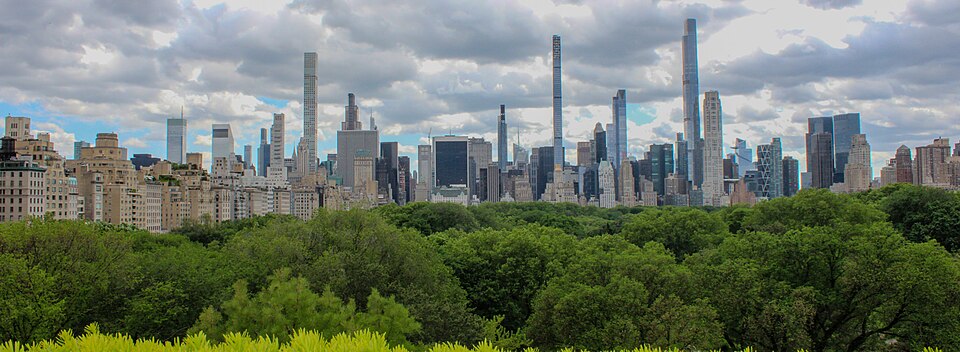
Descending on Fifth Avenue, you plunge into an almost cinematic elegance where the shop windows compete with boldness. And then, suddenly, silence. The St. Patrick's Cathedral Surging, neo-Gothic and soothing. A breath within the tumult.
New York also knows how to slow down. A bike ride in Central Park allows you to find an almost European pace. Squirrels replace car horns, joggers cross paths with artists.
It's another city that appears, more intimate, almost secret.
Under the gaze of Manhattan's dinosaurs
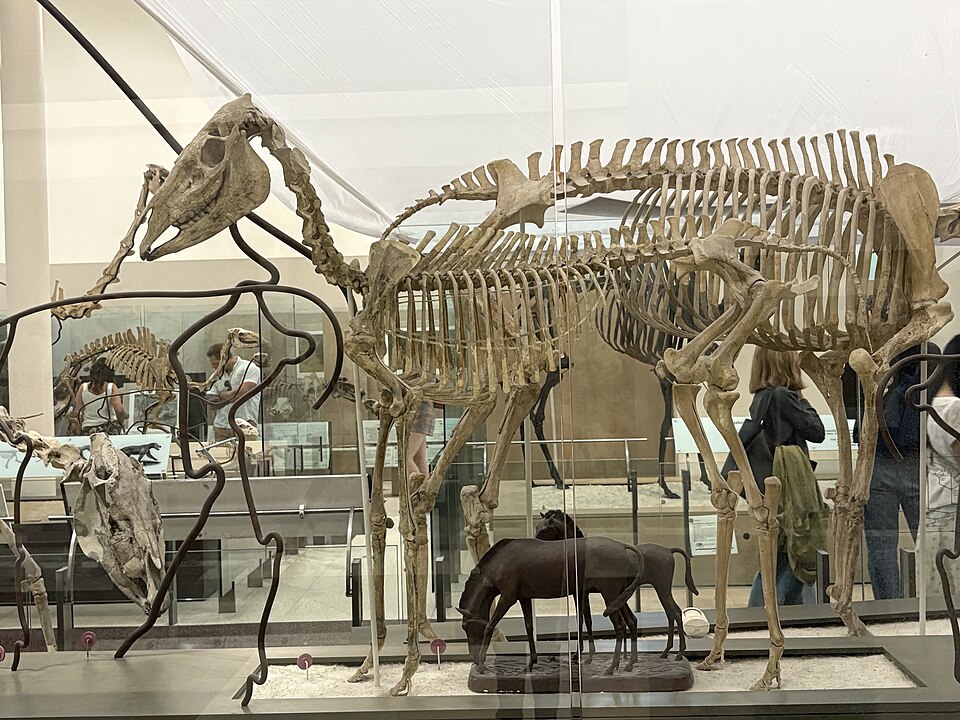
The’American Museum of Natural History It fascinates as much as it impresses. From the very first steps into its immense galleries, the visitor feels as though they are entering a time machine, where millions of years of history parade before their eyes. Room after room, the Earth unveils its origins, its metamorphoses, and the creatures that populated it long before the appearance of humans.
But it is undoubtedly the dinosaurs that leave the most vivid impression. Faced with the monumental skeletons of the Tyrannosaurus rex or the gigantic Titanosaurus, young and old are captivated by a mixture of wonder and awe. These vanished giants still seem to inhabit the place, so real does their presence appear. Each bone tells a story tens of millions of years old and reminds us how much our planet has known worlds that have since disappeared.
The museum doesn't just display fossils; it sparks the imagination. You leave this visit with the feeling of having travelled through the ages, and with those prehistoric silhouettes still in mind, which continue to fuel dreams and conversations for a long time.
The Statue of Liberty and Ellis Island
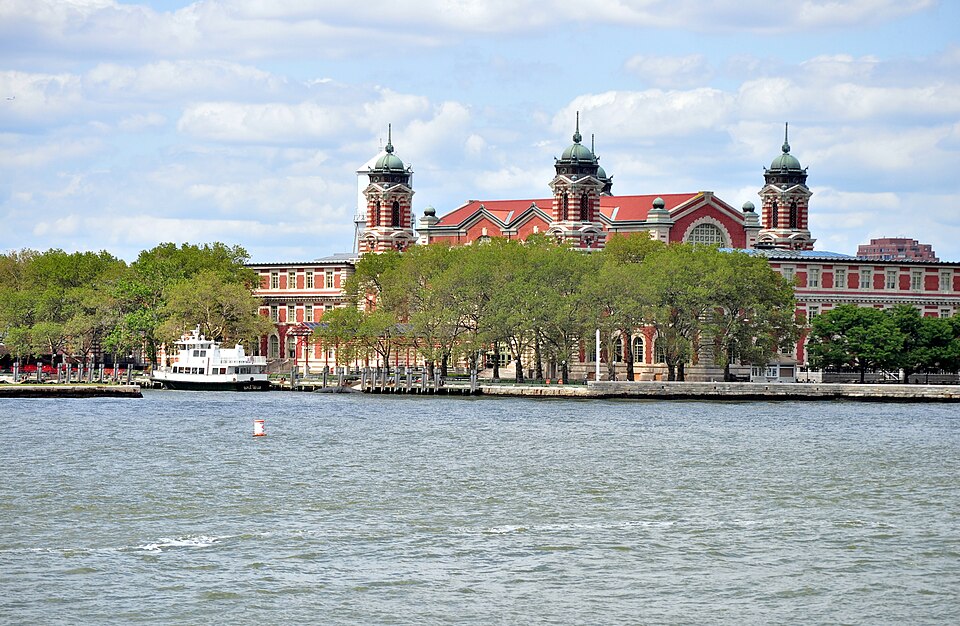
We are at the gates of America, facing the Statue of Liberty, a remembrance of an American dream. A universal, almost unreal symbol. As you approach by ferry, you have an unobstructed view of all of Manhattan's buildings. These two places continue to tell this story of America better than any speech. On one side, this majestic copper figure turned towards the Atlantic; on the other, Ellis Island, a discreet island where millions of immigrants first set foot on American soil, waiting to be allowed to reach their destination, New York.
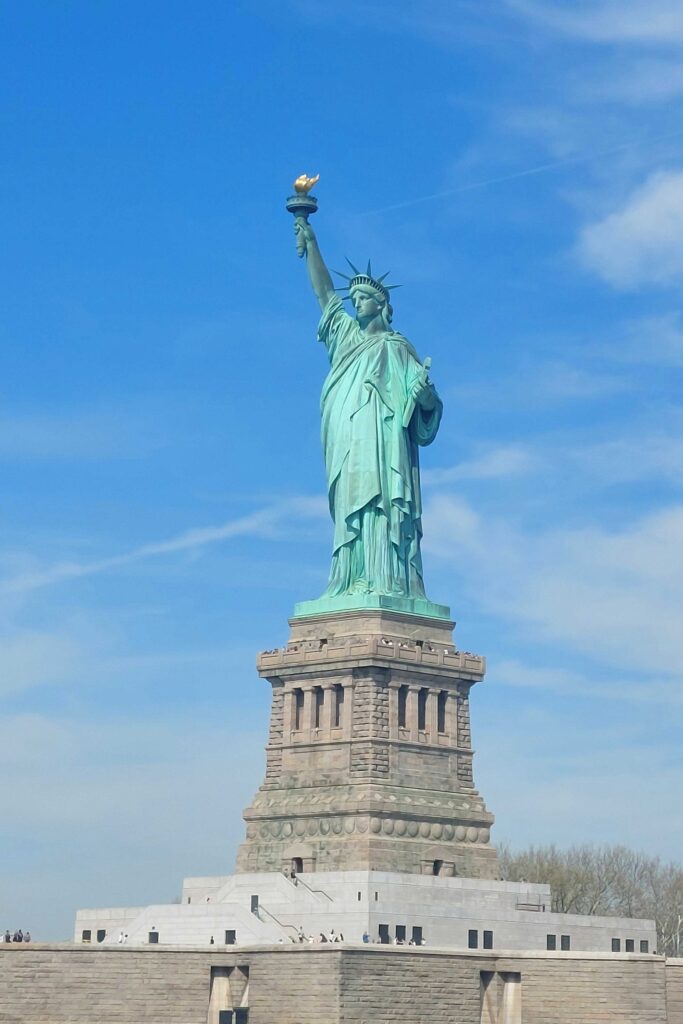
Gifted by France to the United States in 1886, the Statue of Liberty was conceived by the French sculptor Frédéric Auguste Bartholdi (1834-1904). Its internal structure was subsequently realised with the help of the engineer Gustave Eiffel (1832-1923) who designed the metal framework enabling the statue to withstand wind and climatic variations. It remains one of the most powerful symbols of the Western world. Standing nearly 93 metres tall with its pedestal, the “Lady Liberty”Brandit her torch like a promise to travellers seeking fortune, freedom, or simply a better life.
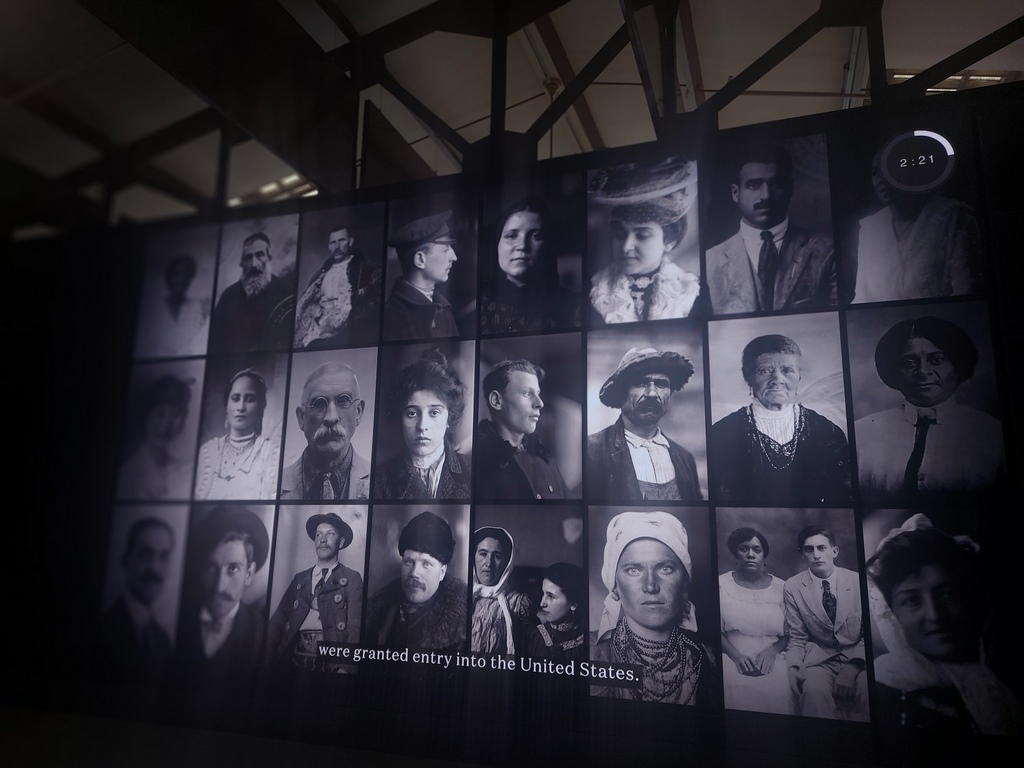
A few metres away, Ellis Island served as the grand gateway to the New World for over half a century. Between 1892 and 1954, millions of immigrants passed through it, hoping to escape poverty, wars, or persecution. Italians, Irish, Jews from Central Europe, or Mediterranean peoples would then discover, often after weeks at sea, the reassuring silhouette of the statue.
Brooklyn Bridge: one of New York’s other landmarks
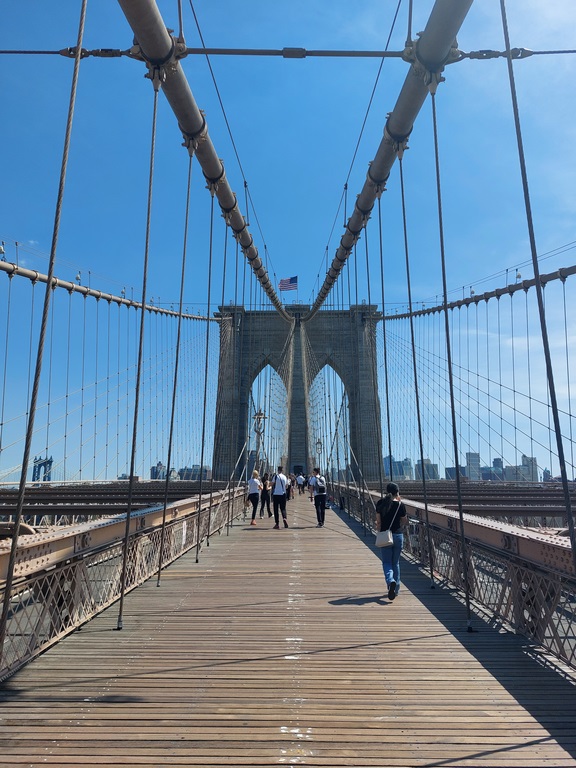
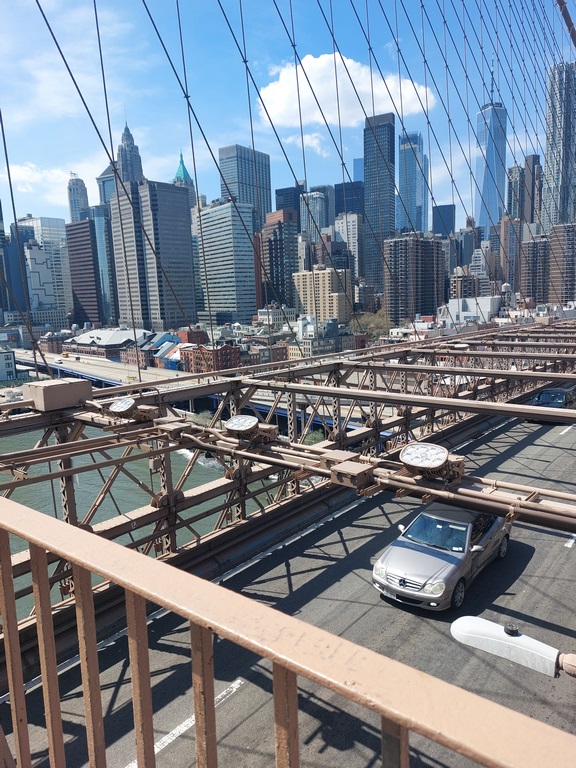
Inaugurated in 1883, this engineering masterpiece was, at the time, the longest suspension bridge in the world. With its Neo-Gothic arches and steel cables above the’East River, it still offers one the most beautiful urban walks in the city today.
Every day, tourists and New Yorkers alike cross this iconic bridge, captivated by the spectacular views of the Manhattan skyline and the ferries gliding across the strait. From sunrise to sunset, the place feels like a film set.
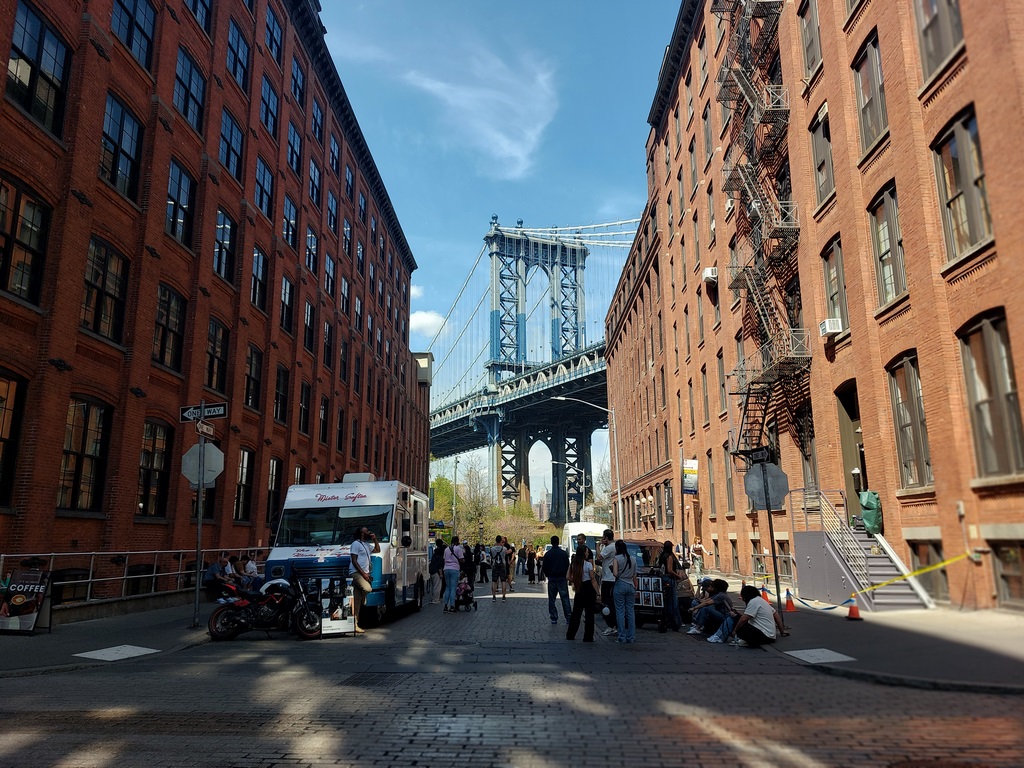
At the foot of the bridge, the neighbourhood of Dumbo, (acronym for Down Under the Manhattan Bridge Overpass, embodying the new trendy face of Brooklyn. An old industrial area transformed into a haunt for artists, galleries, and trendy cafes, Dumbo charms with its cobblestone streets, red-brick warehouses, and panoramas of Manhattan.
The soul of Harlem sings gospel

Finally, you must cross the city towards the north. Harlem It's not a step, it's an encounter. Attending a gospel concert in a Harlem church is experiencing New York differently. More deeply. More sincerely. The voices rise, powerful, vibrant. Feel free to book a guided tour with a French-speaking guide. Travel in French for a deep dive into the history of this neighbourhood.
Considered the black cultural soul of New York, Harlem is a neighbourhood steeped in history, music, and memory. In the early 20th century, the neighbourhood became the intellectual and artistic heart of the African-American community. Writers, painters and musicians gave birth to a formidable cultural movement there that lasting influenced all of America.
At the start of the visit, we stop in front of a work of Street art, a very large fresco that pays homage to African-American figures who have made their mark on US history. The faces of Michael Jackson, a planetary symbol of American music, but also those of Barack Obama and Michelle Obama, incarnations of a historic ascent for the African-American community.
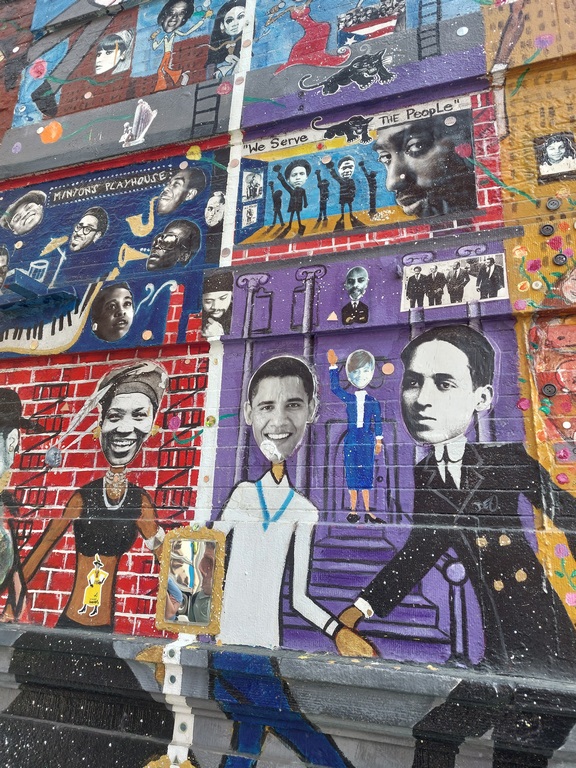
The great figures of civil rights also hold a central place: Martin Luther King (1929-1968), a major figure in the civil rights movement, a proponent of non-violence and author of the famous speech I Have a Dream, Malcolm X (1925-1965) where he campaigned for the emancipation and rights of African Americans. But also the «Black Moses» Marcus Garvey (1887-1940), leader of the Pan-African movement who settled in Harlem in the 1920s.
It is also here in Harlem that the first great hours of jazz and gospel echo. Legendary figures such as Duke Ellington, Ella Fitzgerald or Louis Armstrong marked the Harlem nights, particularly in mythical clubs like the’Apollo Theater, a true temple of American Black music where many stars began.
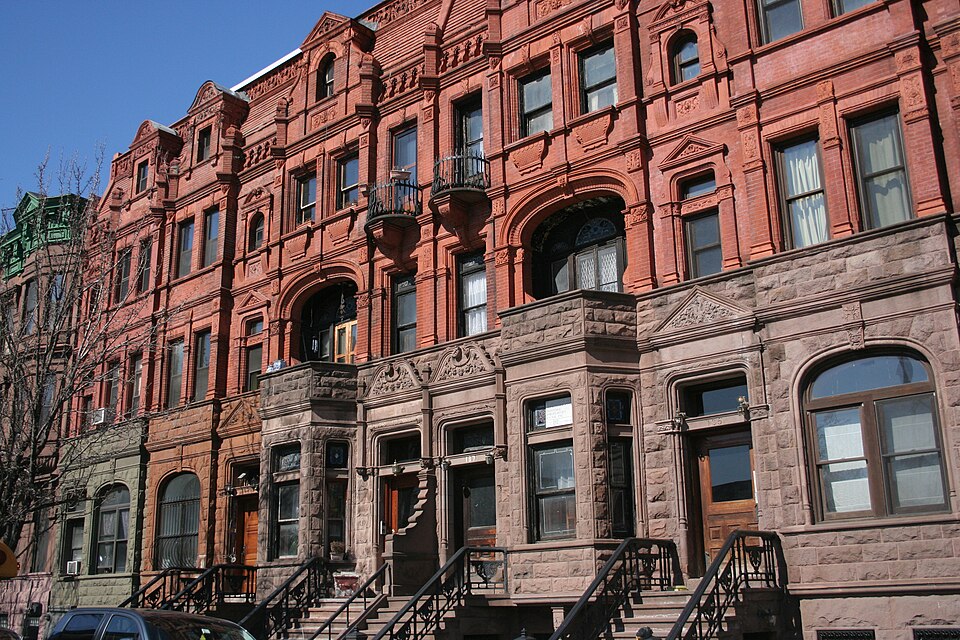
Today, we have also come to Harlem to admire these elegant brick houses lining a few tree-lined streets, and to stroll along 125th Street, the neighbourhood's iconic artery. Between memory, music, and urban renewal, Harlem remains one of the most vibrant and authentic neighbourhoods in New York.
© Ilan Costica/Commons.
New York is not reducible to its monuments. It is experienced in its contrasts, its excesses, and its unexpected silences. Behind the permanent hustle and bustle of Manhattan, the giant screens of Times Square or the avenues crossed at breakneck speed, the city also reveals more intimate moments: a discreet cafe in Brooklyn, a walk at dawn in Central Park… It is undoubtedly this unique blend that makes New York so strong. Here, everything seems immense, but everything also seems possible.
Getting there
New York City Tourist Board:
Fancy discovering the real side of New York before your next trip? The official website https://www.nyctourism.com/fr/ brimming with ideas, neighbourhoods to explore, must-visit spots and insider tips for experiencing the city like a true New Yorker. Between Manhattan, Brooklyn, Queens or Harlem, it's impossible not to find inspiration!
The New York City Pass essential to visit 5 iconic locations of your choice www.citypass.com
Summit One Vanderbilt : summitov.com/fr
Visit to Harlem : https://www.voyage-en-francais.fr/new-york/activites/visite-guidee-de-harlem/
Text and Photos (unless otherwise stated): Laurence Grémy-Flamand