
Just a two-hour flight from Paris, Portugal's second city is more than just a discreet alternative to Lisbon. It's an ideal destination for a city break.
Table of Contents
Regularly crowned «Best European Destination» (a title it has held since 2012), Porto boasts the name of « Invicta Cidade ». A title inherited from the sieges it has repelled over the centuries. Free and rebellious, it preserves on its azulejos and monuments the epic of the navigators who set out in the 15th century to explore the Indies and Brazil, as well as the traces of its deep Catholic roots.
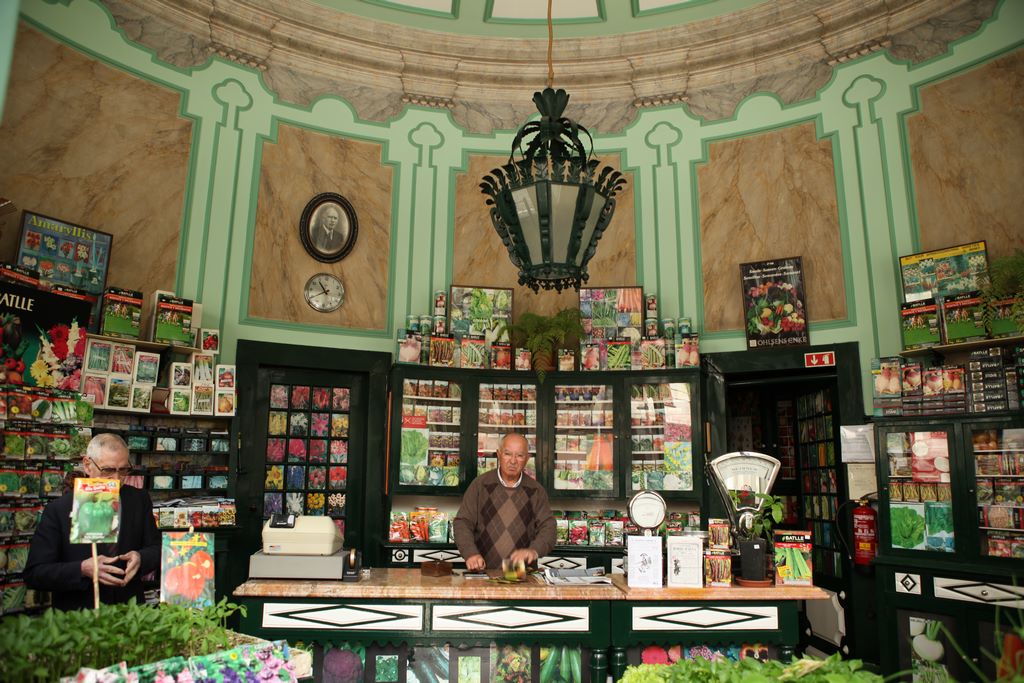
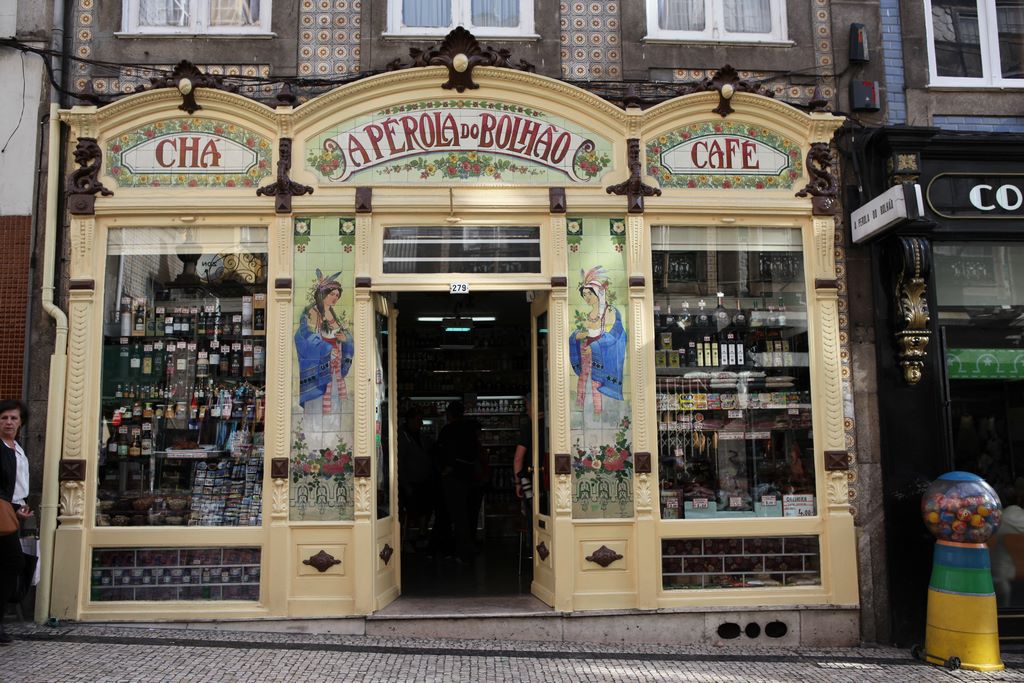
Porto cultivates a fascinating paradox: a nostalgic façade that conceals an overflowing creative energy. Here, the history of Lusitania cannot be studied in books, but can be read in the open air on the tiled facades. Azulejos are everywhere, on the walls of churches and convents, in the old-fashioned shop windows of the Baixa district or in the concourse of Sao Bento station.
Azulejo, the blue horizon
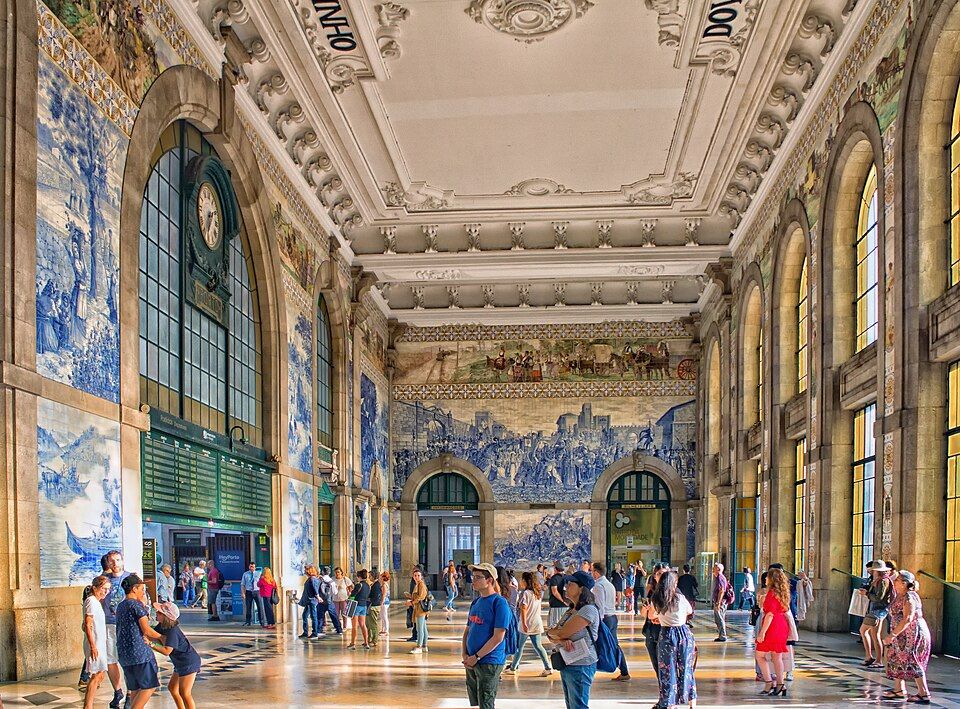
The journey often begins with a visual shock at the São Bento station, built in the early 9th century on the ruins of the former convent of Saint-Benoît d'Ave Maria. In its monumental hall, 20,000 blue and white tiles (the famous azulejos) form a striking fresco. Look up, hold your breath: everyday life becomes epic. Created by Jorge Colaço (1848-1962) in 1930, these earthenware pieces retrace the history of transport and Portugal's great historical episodes.
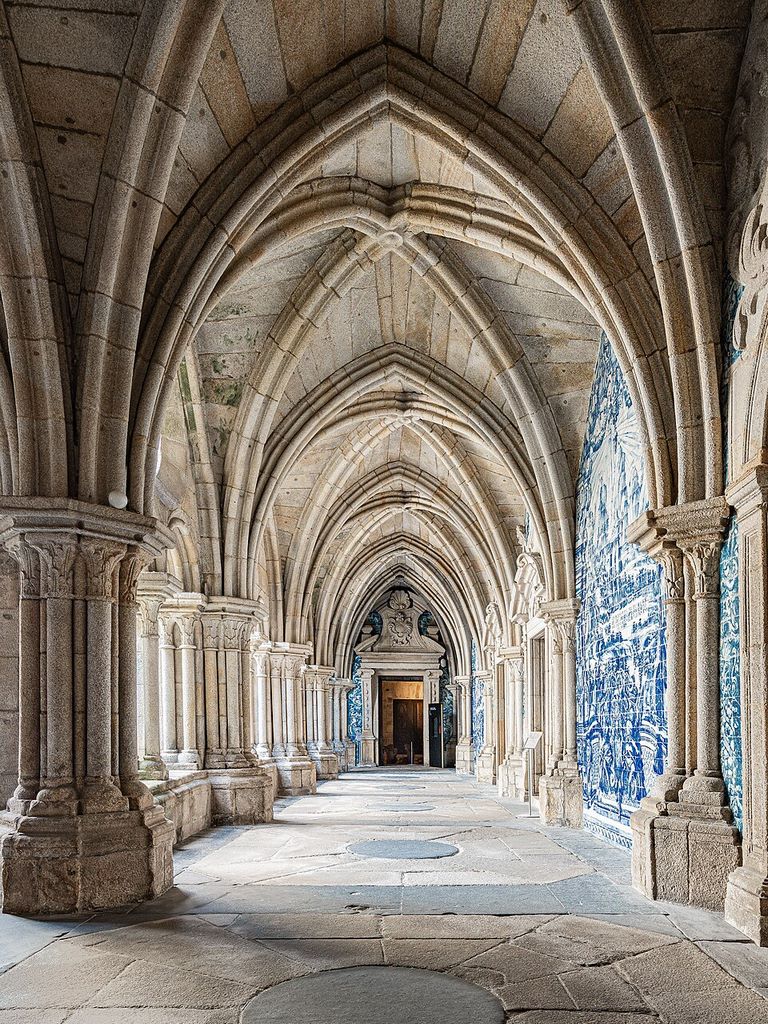
Further on, the cloister of the Sé Cathedral, dated XIVth , was built under the aegis of John I of Portugal. It offers an astonishing contrast between the rigour of its Gothic construction and the delicacy of the Valentim de Almeida earthenware (early 18th century), which depicts the life of the Virgin Mary and scenes from Ovid's Metamorphoses and the Song of Songs. In the Baixa district, the vibrant commercial heart of the city centre, cobalt blue runs along the austere façades like an Ariadne's thread, guiding the eye across the city.
However, Porto refuses to be just a museum. You climb steep alleyways where laundry flaps in the wind, pass century-old trams creaking along their rails, immerse yourself in the bustle of the streets, and always end up making your way back down to the river.
The Douro, a link between two worlds
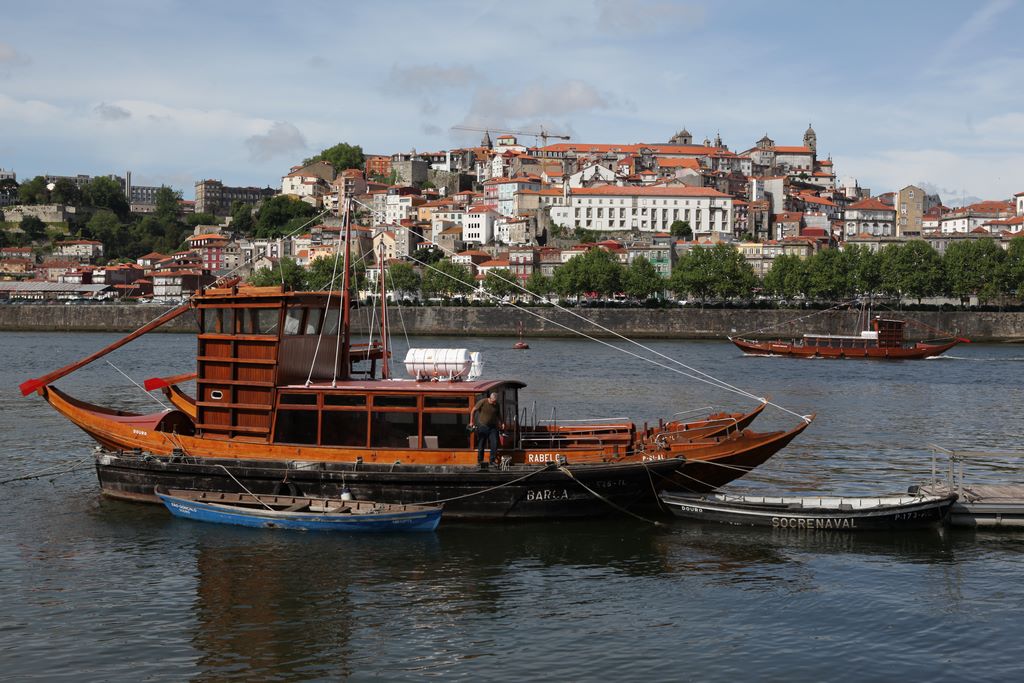
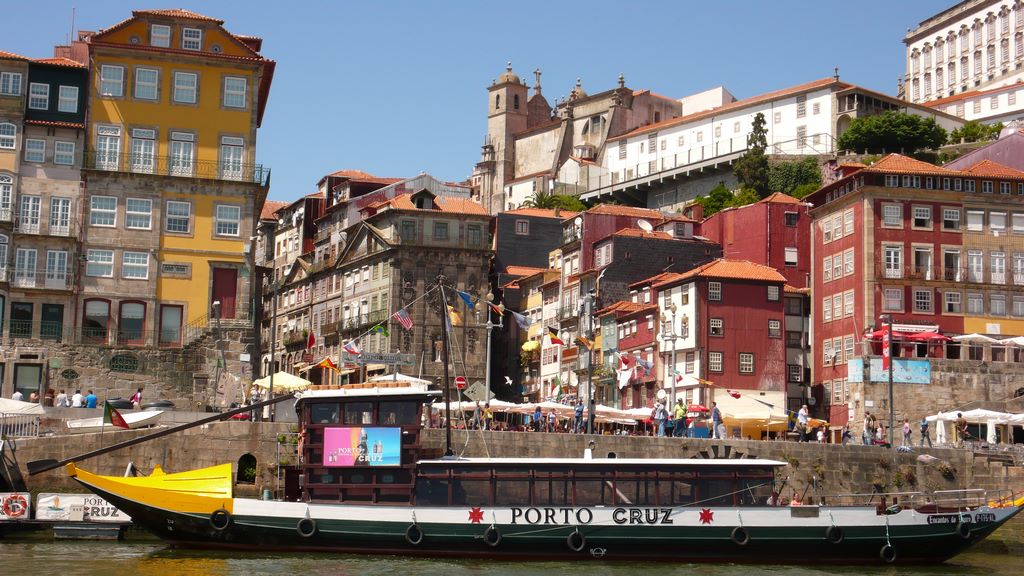
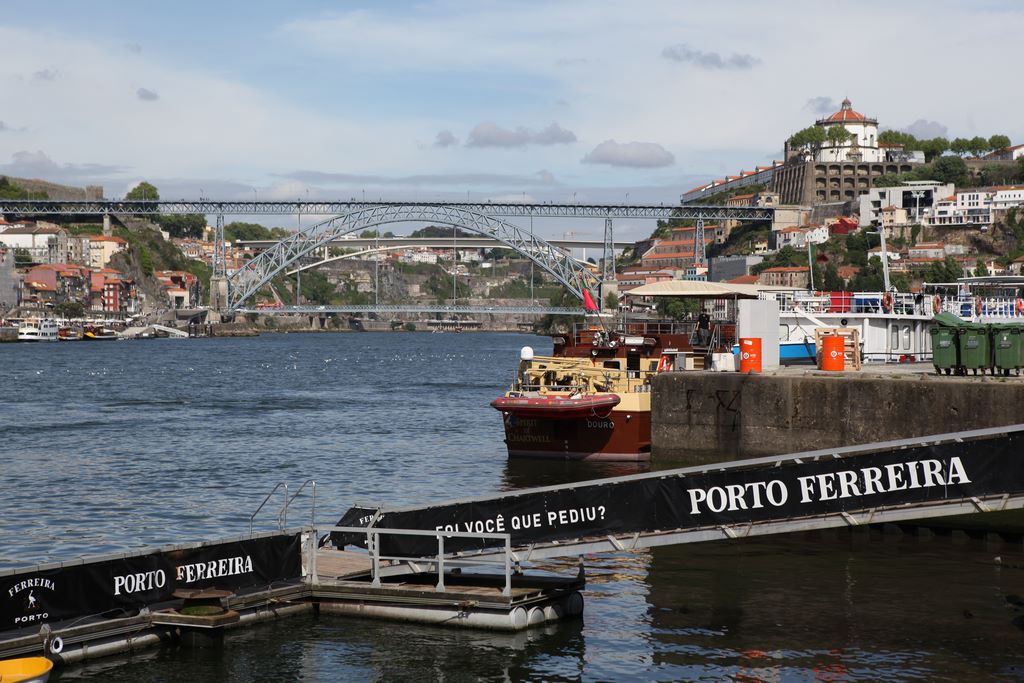
The Douro is more than just a liquid border; it is the vital artery of the region. On one side, the colourful houses of Ribeira (a UNESCO World Heritage Site since 1996) pile up on its banks like a stage set. On the other, Vila Nova de Gaia lines up the legendary signs of the great Port wine houses.
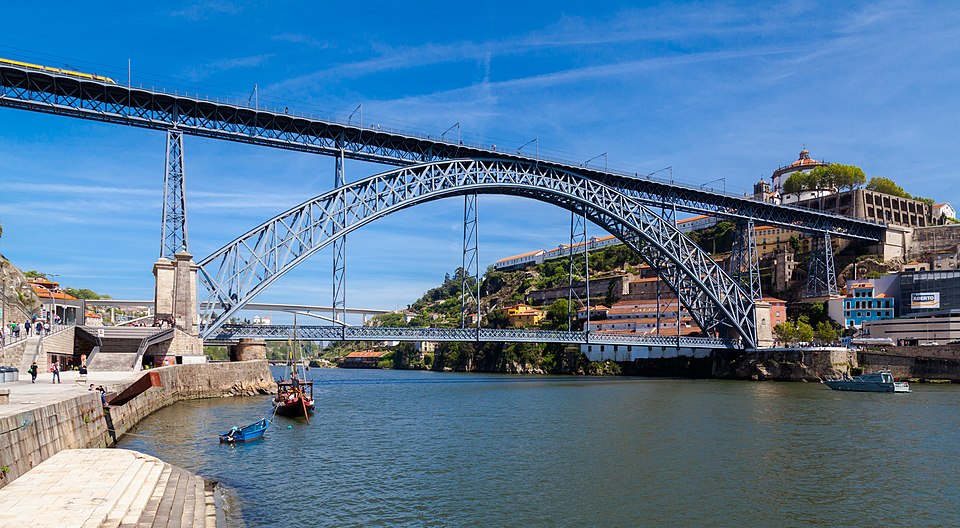
In Gaia, the air is marked by the scent of damp oak and the sweet vapours escaping from the age-old cellars. A wine known as «fortified» because its fermentation has been stopped by adding brandy. Among the institutions, the Casa Ferreira remains a must. Founded in 1751, it bears the legacy of Dona Antónia Adelaide Ferreira, a true Portuguese «Veuve Clicquot» and a visionary figure of the 19th century who devoted her life to the family vineyard and to improving working conditions in the Douro.
São Pedro da Afurada
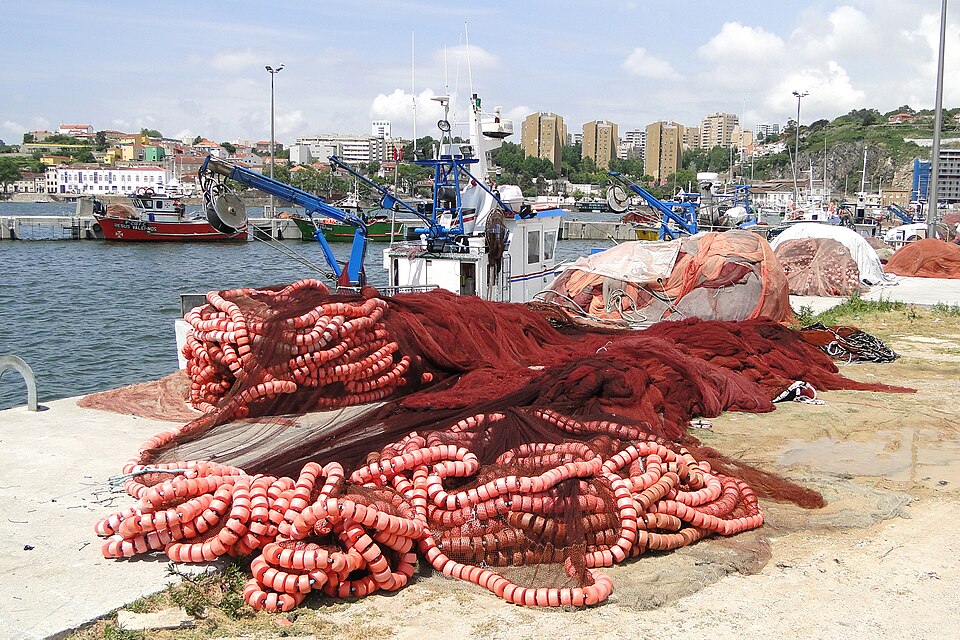
For a glimpse of the region's maritime soul, make your way to São Pedro da Afurada. Situated at the mouth of the Douro, this village today illustrates the rapid transition of Oporto's south bank. While the historic centre retains its traditional features, with narrow houses lined with azulejos and a community washhouse that is still frequented, the surrounding urban landscape has been radically transformed.
In recent years, the construction of residential complexes and the extension of the marina have altered the surroundings. The area is changing rapidly, driven by modern and often ugly real estate development, each time taking away a little more of Afurada's soul. Despite this building pressure, Afurada remains an important centre of local maritime culture. Fishermen still tend their nets on the quayside and restaurants still cook fresh fish in the traditional way on outdoor grills set right on the pavement. You can enjoy grilled sardines and seafood platters overlooking the river, to the sound of the locals' lively conversations.
Between Belle Époque splendour and popular revival
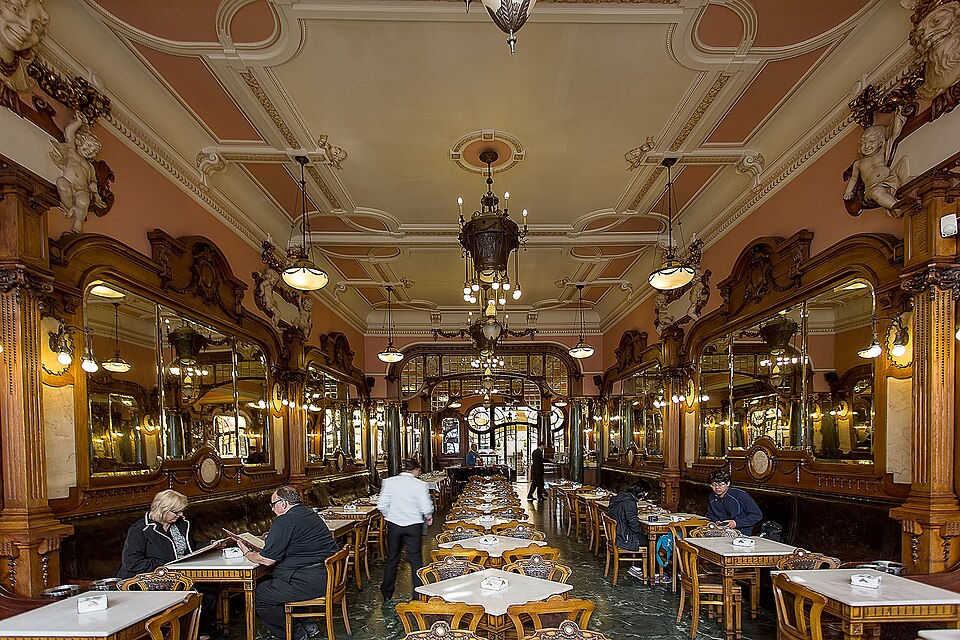
Back on the left bank, the climb up to the Baixa district takes you back to the Porto of the Roaring Twenties. Visit Café Majestic, Here, between bevelled mirrors and carved woodwork, time stands still for a cup of coffee and a lukewarm pastel de nata.
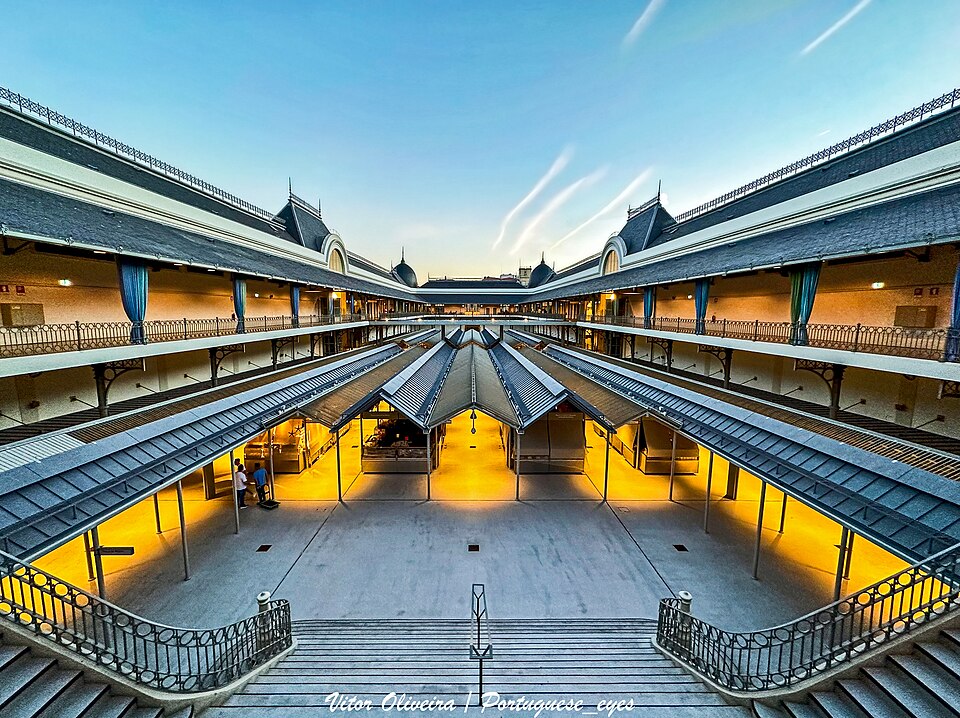
But the real sign of Porto's vitality begins on Santa Catarina Street. Its main shopping street runs right up to the Mercado do Bolhão. Recently renovated after years of renovation, this historic market has regained its superb appearance without losing its soul. Under its metal structure, stalls selling dried cod rub shoulders with the new gastronomic counters, where the young guard of Portuguese chefs reinterpret the local produce. More than 70 traders offer a variety of products, from fish to vegetables and fruit, as well as handicrafts and cafés, to name but a few. Not forgetting the restaurants that stay open after the market closes.
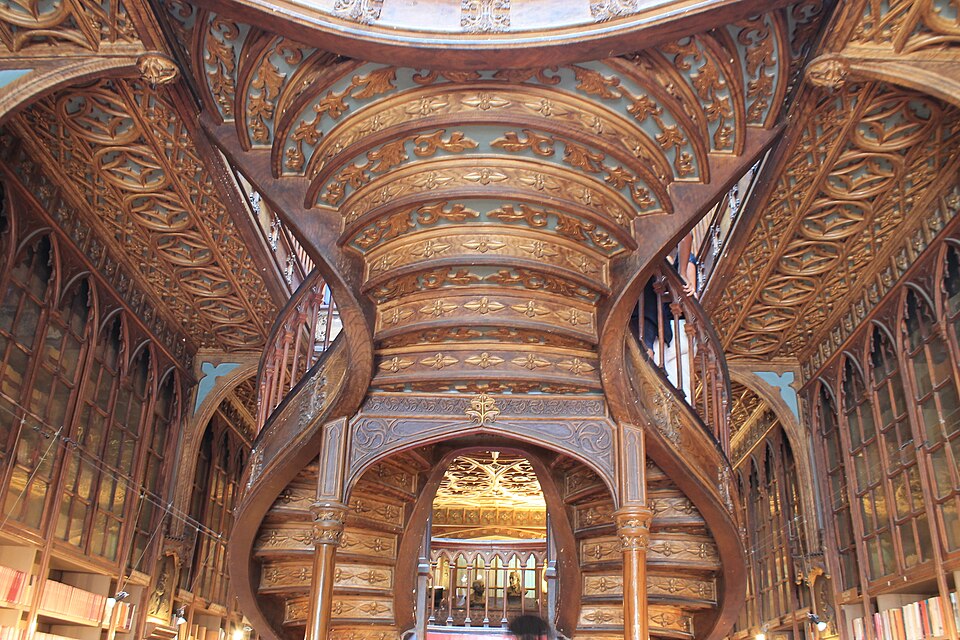
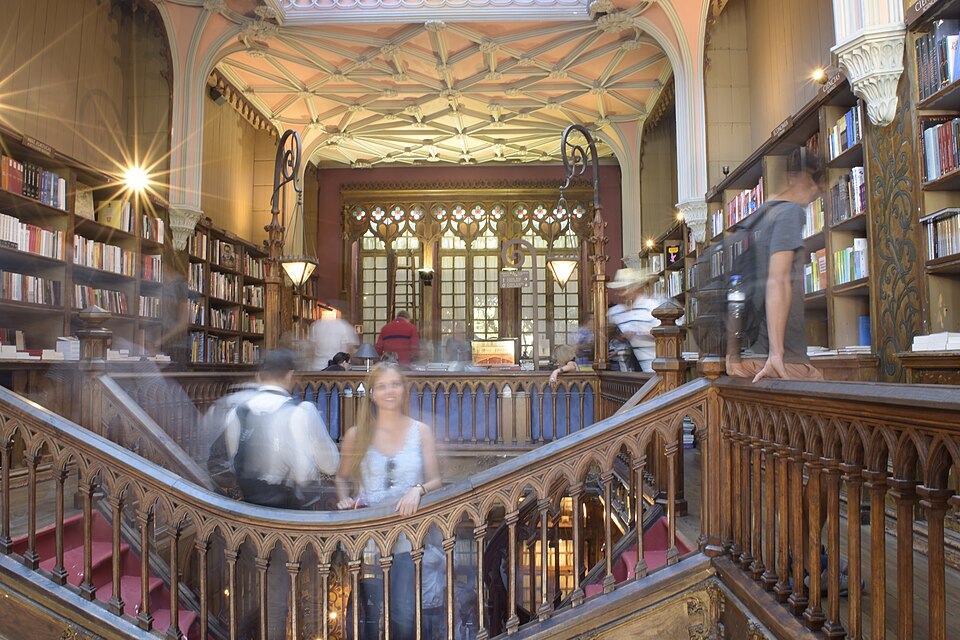
On the way up to the Church of the Clerics, whose tower offers one of the finest panoramic views of the city, you push open the door of the fascinating Lello Bookshop. Its Art Nouveau-inspired double-flight staircase (often associated with the world of J.K. Rowling) looks like something straight out of a fantasy novel. The light filtering through the glass roof illuminates the dark wooden shelves: a setting that invites you to daydream.
Porto is a city to be experienced intensely. It's a city that you don't see at first glance, but once you've tamed it, you'll never want to leave. It's a city on a human scale, intense but accessible, where you can go from the hustle and bustle of the narrow streets to the gentleness of the river in just a few steps. Over a weekend, Invicta reveals its contrasts: popular and elegant, nostalgic and creative, proud of its past but resolutely looking to the future. A city break that tastes of salt, wine and the light of the open sea.
For an exceptional gastronomic experience, there are two tables to choose from
Casa de Chá da Boa Nova
Set on a rocky outcrop overlooking the ocean, the restaurant is listed as one of the world's top restaurants. Relais&Châteaux and boasts 2 Michelin stars. The cuisine of the chef duo Rui Paula and Catarina Correia transforms seafood into culinary poetry in a modernist building designed by the architect. Álvaro Siza Vieira.
More intimate, Antiqvvm, perched high above the Douro, combines haute cuisine with spectacular views in a romantic garden. Chef Vítor Matos also boasts two Michelin stars.
For more information
Portugal Tourist Office
3, Rue de Noisiel
75116 Paris
01 56 88 31 90
https://visitportugal.com/fr
Text : Brigitte Postel
Photos : As indicated