If you think you know Ayurveda through a few massages and herbal teas, the history of the Ashtavaidyas in Kerala will undoubtedly change the way you look at this age-old Ayurvedic medicine.
Table of Contents
The origins of Ayurveda: texts from northern India
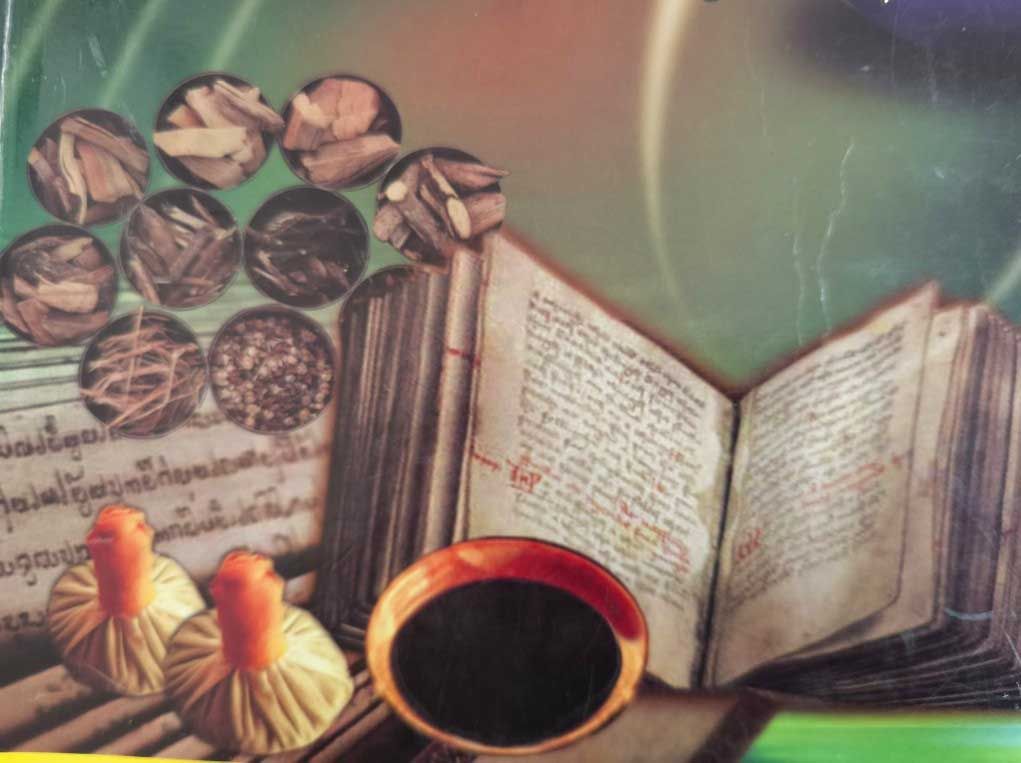
Ayurveda is often presented as a timeless form of wisdom, but its history began in northern India, around major centres of study and founding texts. The main pillars of classical Ayurvedic medicine are the Charaka Samhita and the Sushruta Samhita.

The Charaka Samhita describes in depth internal medicine, the understanding of the body, the mind and the emotions. doshas (1), while the Sushruta Samhita details surgery, anatomy, injuries and delicate procedures. Together, these texts shaped a veritable science of health, long before the rise of modern medicine.
Later, a third text summed up this knowledge: theAshtangahridayam of Vagbhata, composed between the 6ᵉ and 7ᵉ centuries of the Christian era. It was this text that was to play a central role in the birth of the tradition of the Ashtavaidyas in Kerala.
From Ashtangahridayam to the Ashtavaidyas of Kerala
When theAshtangahridayam arrived in Kerala, in the south of India, he came across an area already rich in medicinal plants, popular healing traditions and practices rooted in nature. Ayurvedic medicine took root in this landscape and gave rise to a very specific tradition: that of the Ashtavaidyas.
The word« Ashtavaidyas »comes from« ashta »(eight) and« vaidya »(doctor). It refers to Ayurvedic doctors renowned for their mastery of the eight major branches of Ayurveda: internal medicine; paediatrics; mental health and disorders of the mind; pathologies of the senses and the head; surgery and interventions; toxicology; geriatrics and rejuvenation; reproductive health and fertility. In practice, a Ashtavaidya is a «complete» doctor: he or she accompanies people at every stage of their lives, taking a holistic approach to body and mind.
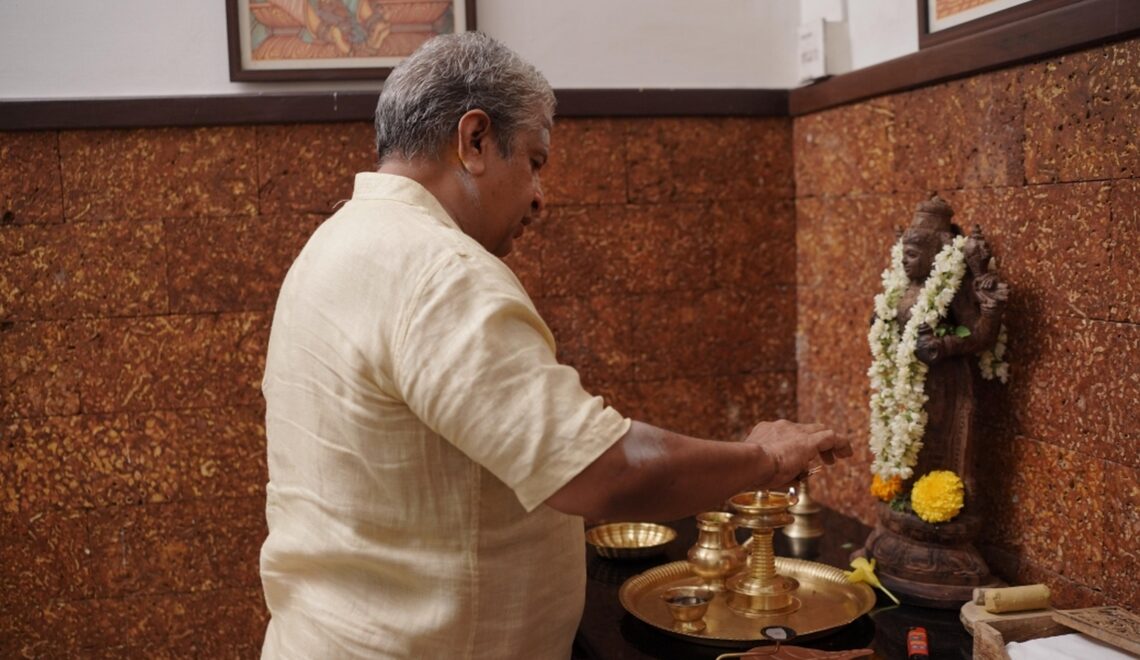
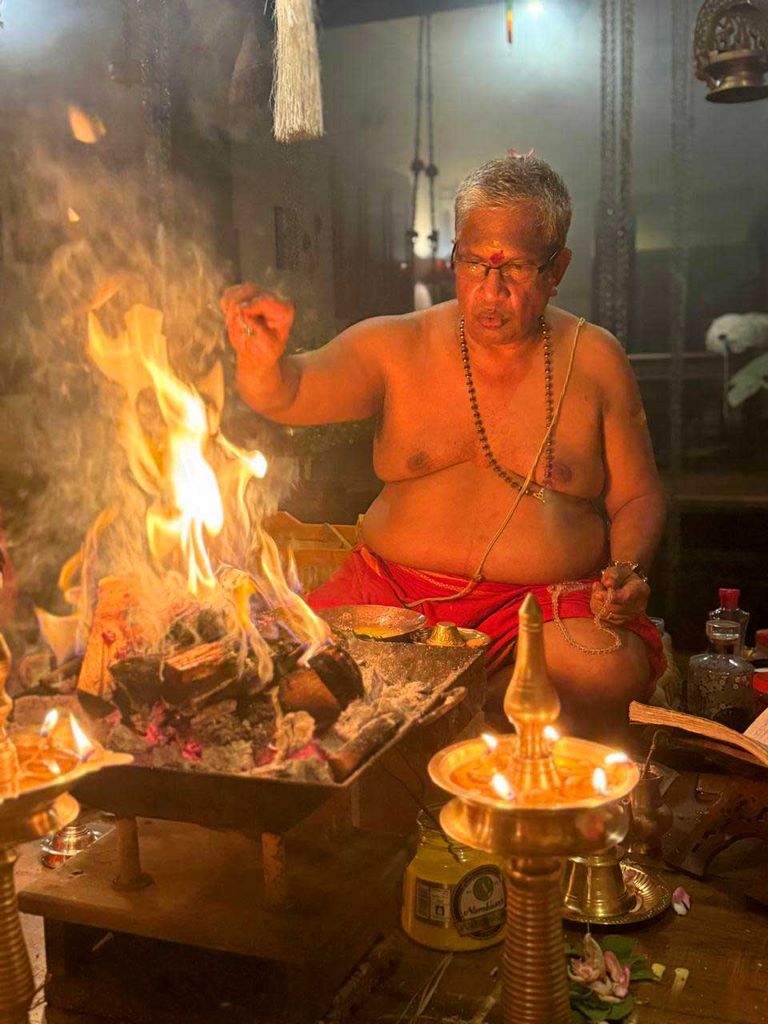
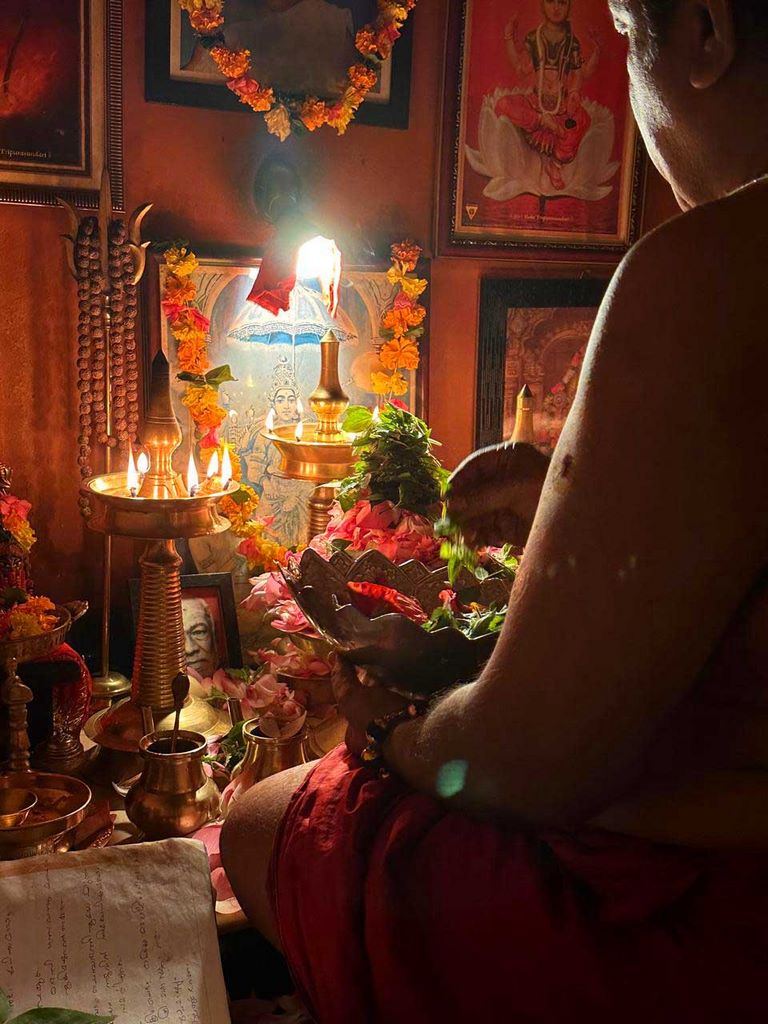
Photo : Dr Mali (2) performing a puja. Aleksandra Korneeva.
Brahmin families and Ayurvedic medicine houses
Historically, the tradition of ashtavaidyas is carried by Brahmin families from Kerala, the Namboothiri.
These Kerala ayurvedic doctors live in a profoundly Hindu world, punctuated by rituals, temples and spiritual practices.
For these families, Ayurvedic medicine is not just a job: you're born into a house of Vaidyas ; We grow up in the midst of consultations and herbal preparations; we learn to recite Ayurvedic texts in Sanskrit; we observe how the master treats according to the constitution, the season and the environment.
Photo: Dr Mali praying to the goddess Devi © Aleksandra Korneeva.
Some Vaidyas became famous for their specific Ayurvedic treatments (for joint pain, chronic illnesses, digestive problems, etc.) or for their oils and decoctions, which are still sought-after today in Kerala cures.
A scholarly approach to Ayurveda, far beyond «well-being»
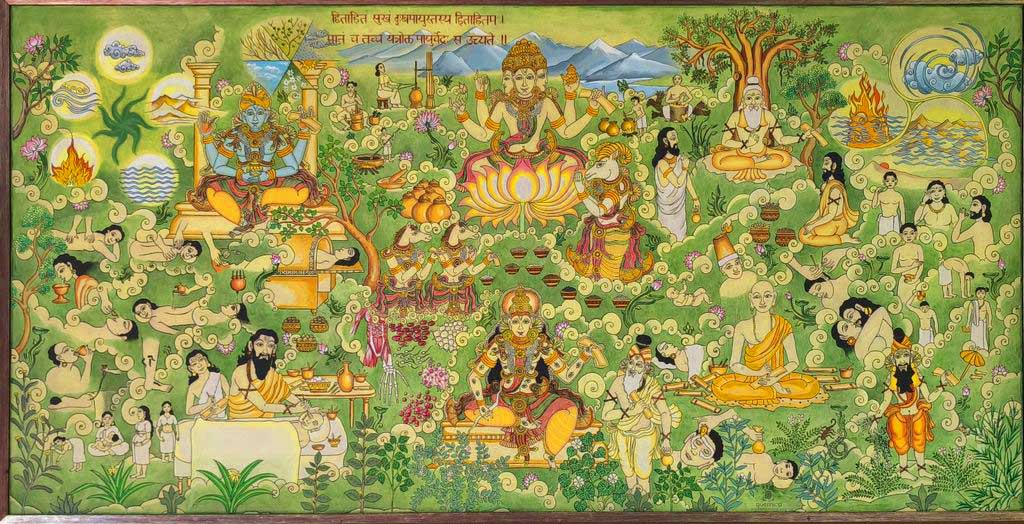
In this tradition, Ayurvedic medicine is both scholarly and deeply practical. The Ashtavaidyas are based on: the study of the great classical texts (Charaka, Sushruta, Vagbhata); memorising thousands of verses in Sanskrit; close observation of each person's terrain: diet, digestion, sleep, emotions, lifestyle; intimate knowledge of local plants, oils and medicinal preparations.
Ayurveda is far from being reduced to a few relaxing massages. It is a genuine science of health, which seeks to understand the deep causes of imbalances and to act on the whole person.
A living tradition: how can you benefit from it today?
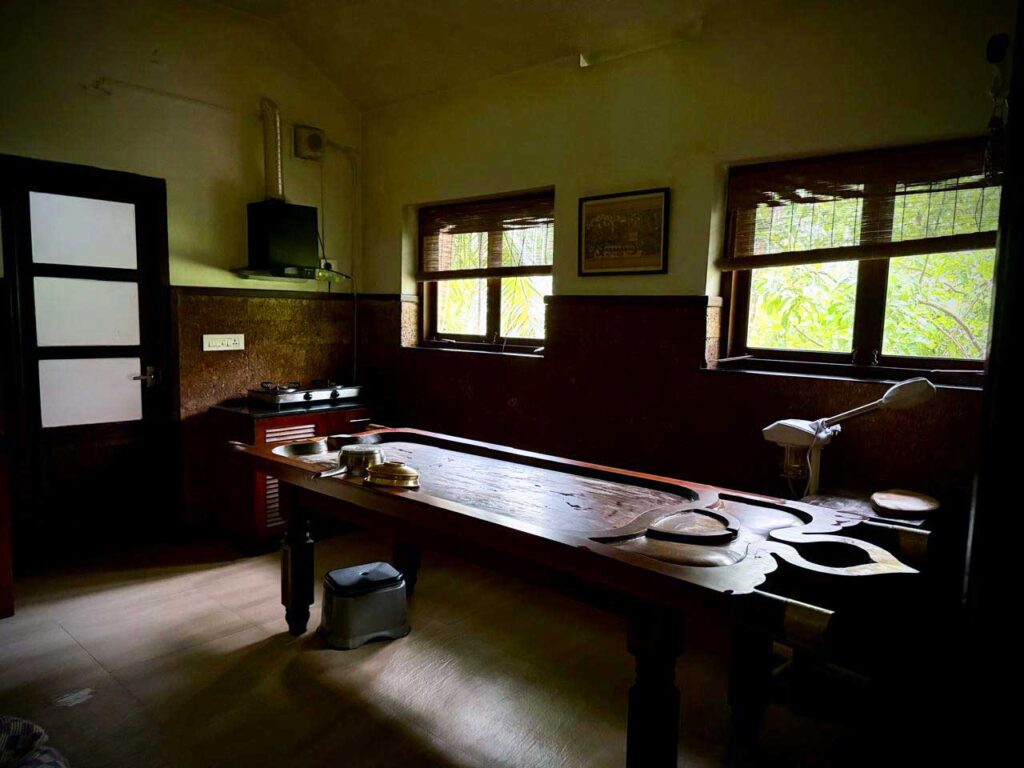
Even though the landscape has changed, with the emergence of modern Ayurvedic hospitals and wellness centres, some families from these traditions ashtavaidyas continue to practise. They adapt their knowledge to current realities, while remaining faithful to the essence of Ayurveda.
In collaboration with families from these Kerala Ayurvedic lineages, Anne Vanackère continues to offer treatments and support in keeping with this heritage: adherence to the classical texts of Ayurveda; a detailed understanding of each individual’s constitution and lifestyle; the use, where appropriate, of preparations from traditional houses. In this way, it is still possible to benefit from this profound Ayurvedic approach, whether during stays in India, specific treatment programmes or programmes designed in conjunction with Vaidyas.
When the history of Ashtavaidyas and traditional Ayurvedic medicine echoes a personal approach or a particular moment in life, a discovery call can help you assess the situation and explore the various support options available in the spirit of Ayurveda.
Text : Anne Vanackère
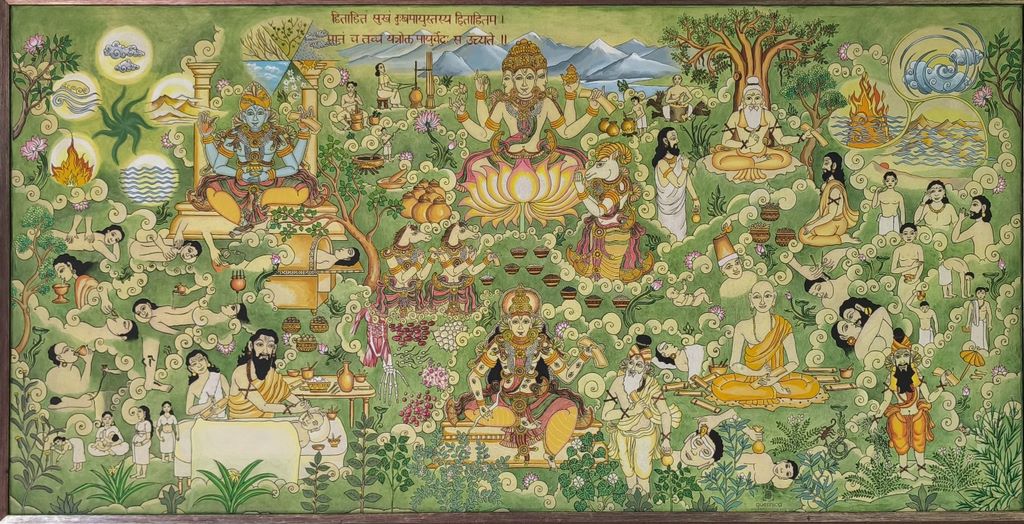
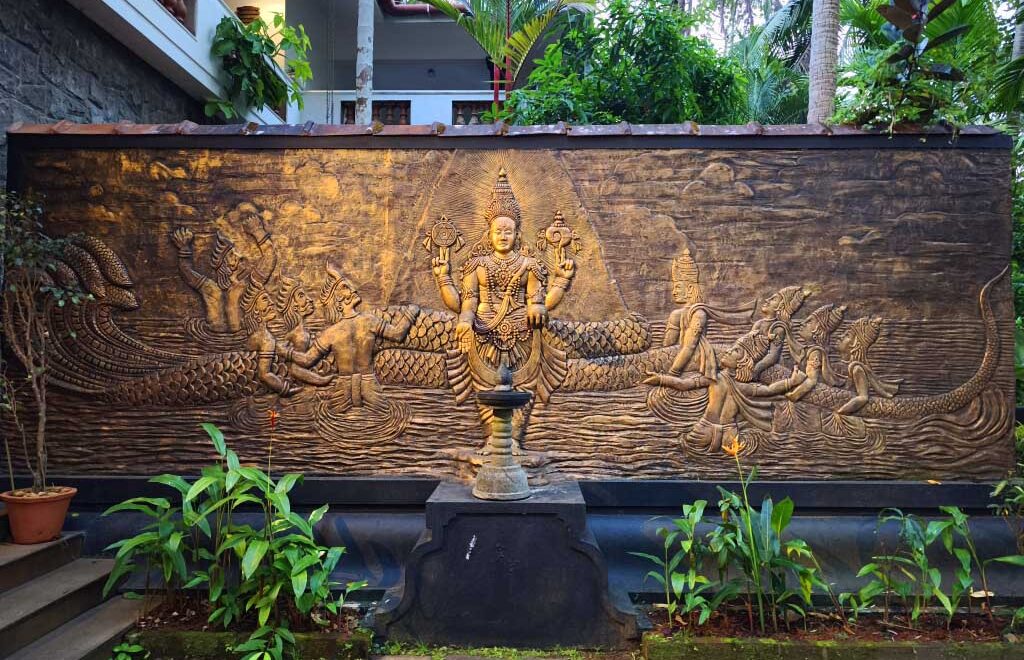
Photo opening : Vishnu resting on the cosmic serpent Sesha (Ananta); a moment known as Vishnu Anantashayana. This scene illustrates Vishnu's period of rest between the destruction and creation of the universe. The serpent Shesha represents eternity and floats on the waters of causality. © B. Postel.
1 - The doshas are three fundamental types of energy (Vata, Pitta and Kapha) that describe the way each person's body and mind work.
2 – Dr Mali, a qualified doctor in Ayurvedic medicine and surgery
Chathamangalam,
National Institute of Technology (Via),
Calicut - 673601
Telephone: +91 9847212309
Email : drkrvmali@yahoo.com
https://ayurmali.com/
For more information
Anne Vanackère
MD Vedic Psychology | Senior Ayurveda Consultant
www.ayurvedamodernexperience.in
info.awakemyenergy@gmail.com
www.awakemyenergy.com
+ 33 (0)6 30 34 53 28
+ 91 (0)92078 42992