
What if reconnecting with nature meant listening to the invisible forces that inhabit it? In Japan, Shinto perpetuates a sacred relationship with the living. Every tree, stone, or river is home to a spirit: the kami. This ancient wisdom offers a model of eco-spirituality, inviting us to inhabit the Earth with respect and attentiveness.
Table of Contents
Imagine if one of the oldest living spiritual traditions held the keys to a sacred relationship with nature, capable of nurturing our contemporary quest to reconnect with the living world? Shinto, the original way of Japan, with its fervent love for nature, purity, and the homeland, is at the heart of every Japanese person. Practised by the vast majority of Nippons (84 million out of 125 million inhabitants), Shinto is based on a profoundly animistic worldview, where every element of nature – tree, stone, river, wind – is inhabited by a spirit, a kami. This religious system, praised as a model of harmony with nature, invites a concrete eco-spirituality, based on respect for the living, places, cycles, and the invisible that inhabits the world.
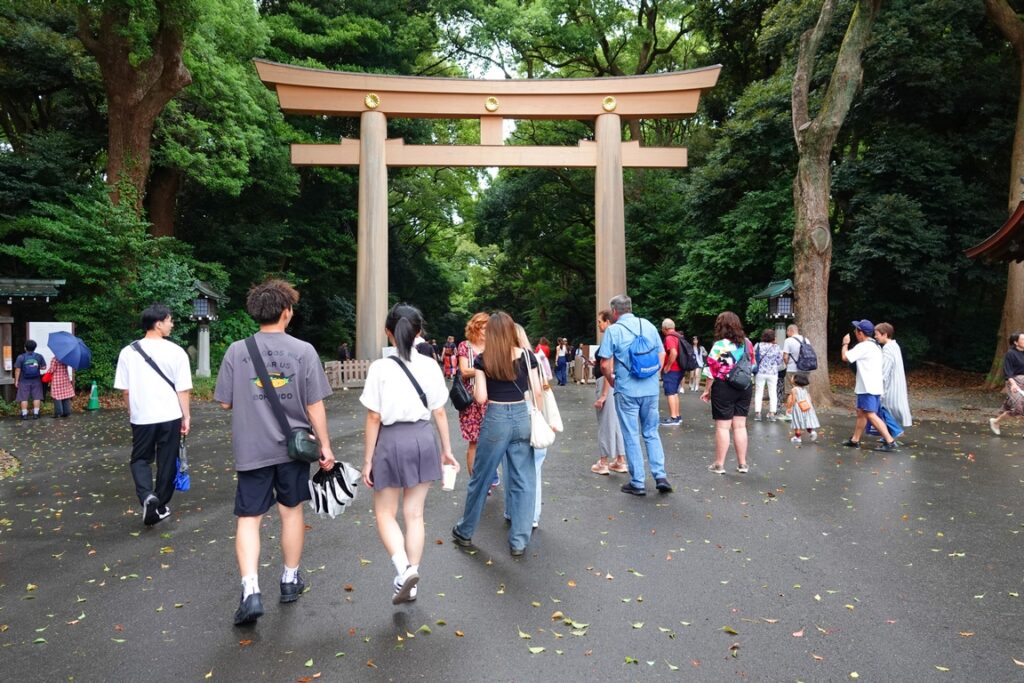
It's September in Tokyo. Just a stone's throw from the urban frenzy of Shibuya, the Meiji Jingu Shrine, built in 1920 along with the park that surrounds it, is a haven of peace and freshness in this concrete city.
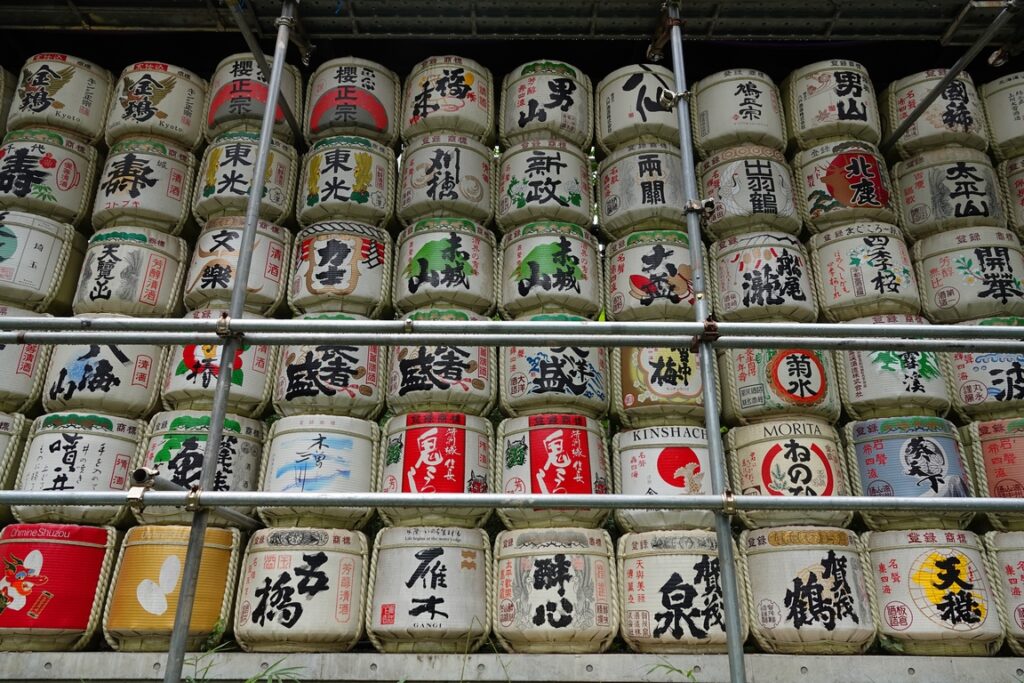
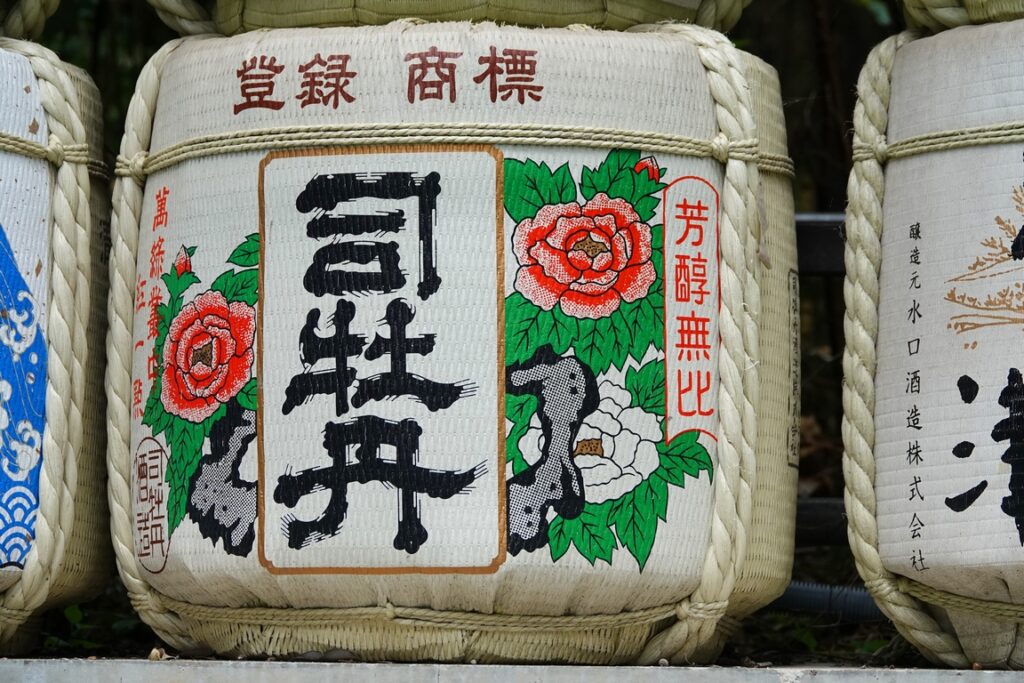
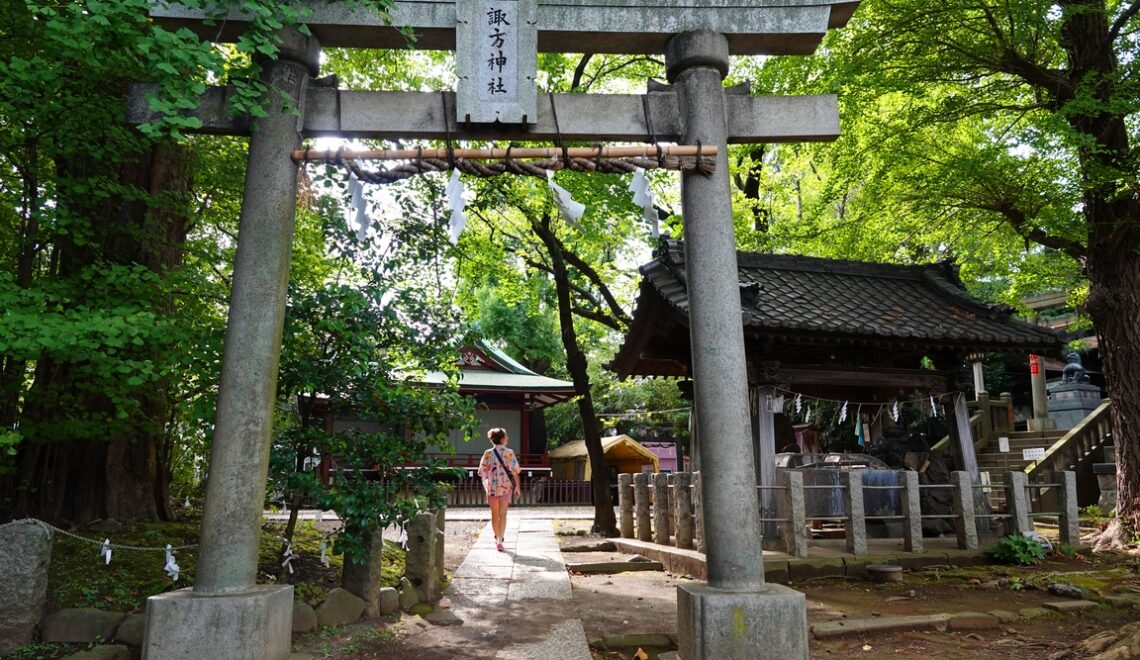
A huge wooden torii gate marks the entrance to the shrine. Here, a different sense of time begins.« The torii is the first visual marker of the shrine. It announces the sacred space, but does not contain it », specifies our friend Irumi. Passing through a torii gate is like leaving the profane world to enter the sacred one. A torii gate doesn't necessarily lead to a place or a building, but invites a state of mindfulness.
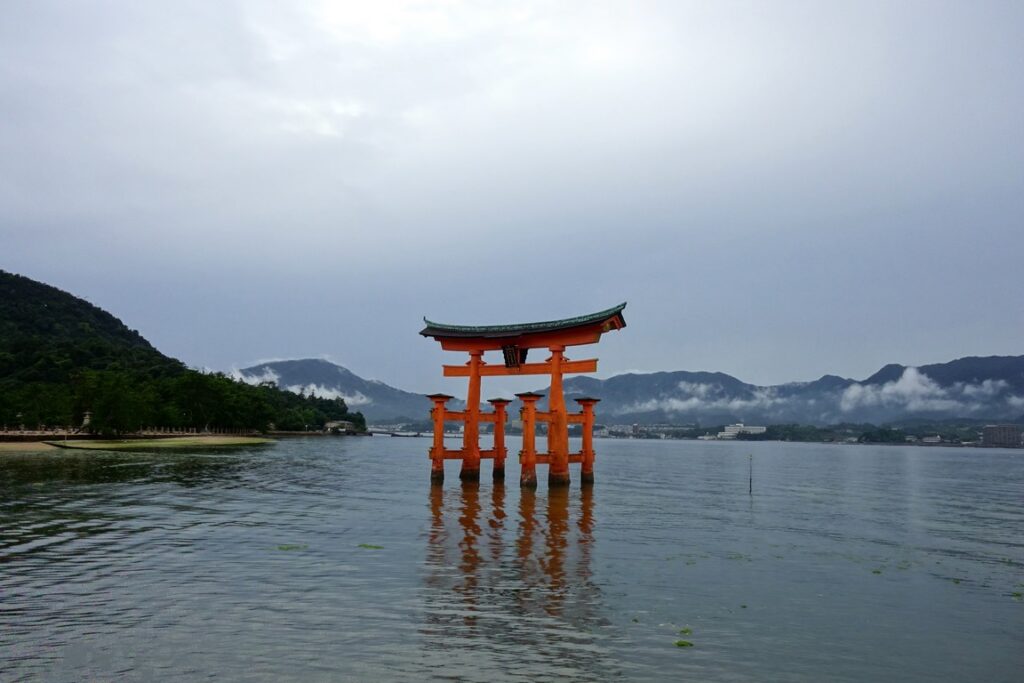
The sacred is not necessarily linked to a building but can be felt in a landscape, in a stone, etc. « The true Shinto sanctuary is nature, untouched or restored. The gods are present there in the imposing foliage of cryptomeria trees, in the running of streams, in the fire of storms, in the mouths of volcanoes, ... », detail Danielle and Vadime Elisseeff in their work on Japanese Civilisation (1). Before crossing a torii, many Japanese people bow slightly as a sign of respect. Shinto practitioners never cross it in the middle. One passes to the side, to the left or to the right, the central path being reserved for the kami.
Under the red umbrella, the breath of the gods
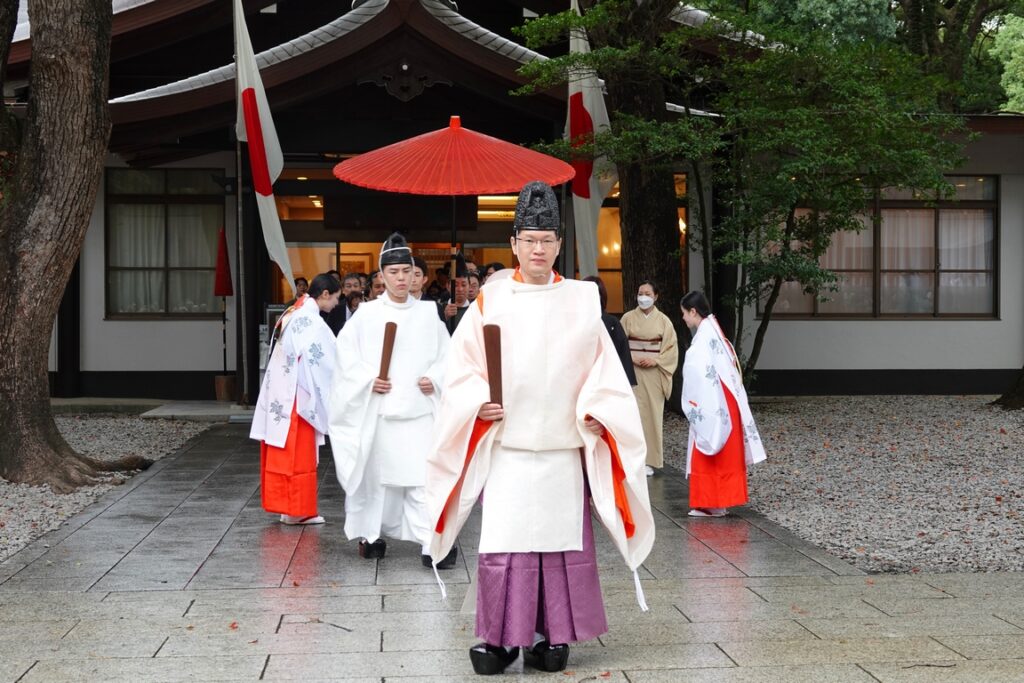
As you enter the avenue lined with ancient cedars, the air grows cooler. A few steps, and the din of the city fades away. After about ten minutes' walk, the path widens. Pavilions appear amongst the trees, made of dark wood with verdigris copper roofs. We arrive in front of the Hall of Kaikan where a Shinto wedding takes place at a Shinto shrine. « In Japan, it is said that one is born and married Shinto, and then dies Buddhist », Irumi whispers to us, smiling. Why?« Death is considered impure, so Shinto shrines avoid any contact with funerals. While Buddhism has established itself since the 6th century as the religion of death rites, with its prayers for the dead, its rituals to guide the soul into the afterlife, reincarnation... the two religions articulate perfectly. »
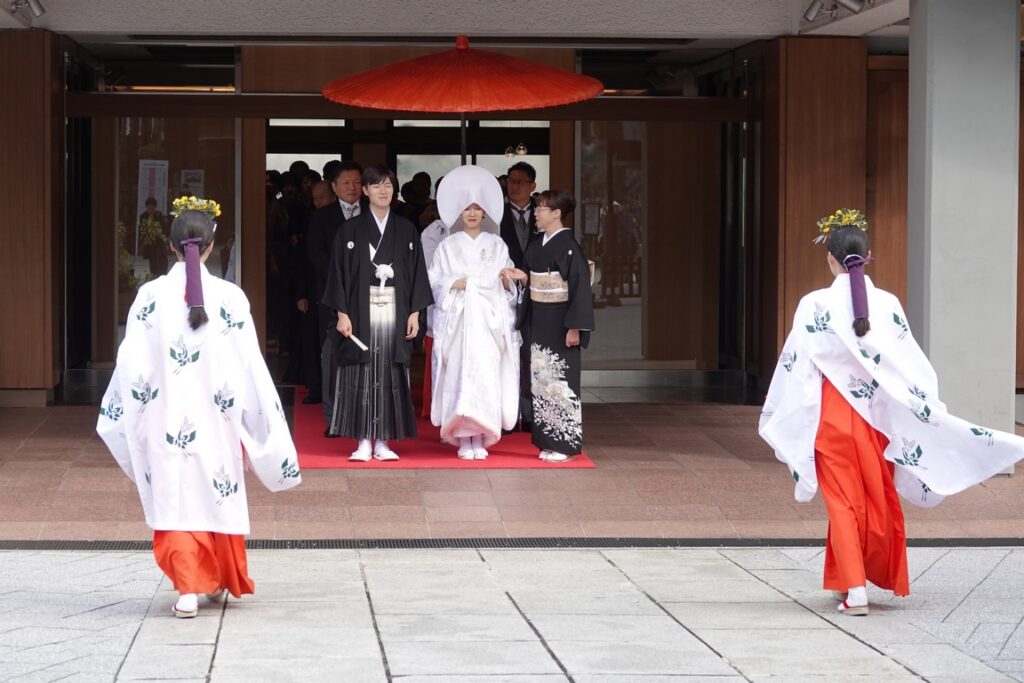
White, the sacred colour of Shinto, symbolises spiritual purity, while red symbolises vital energy, a protective force against harmful influences. The presence of Miko embody purity, grace, and subtle mediation with the unseen. They open the passageway to the bride and groom, who appear together under a red parasol held by an attendant. The parasol acts as a symbolic canopy, creating an intimate and sacred space for the couple.
The procession leaves the social world room (the Kaikan hall)to get to the sanctuary where the ritual will take place, the shinzen kekkon or «wedding in front of the kami». The couple, always accompanied by the priest and the Miko, enter the sacred space. Silence is absolute. The priest turns towards the altar. On it, some offerings are placed: rice, salt, sake, fruit.
He reads a prayer aloud, addressed to the guardian kami of the shrine, asking them to bless the union, and to bring harmony, health, longevity, and peace into the home. The couple remains silent. The rite of San-san-kudo is the heart of the ceremony. The priest offers three small cups of sake to the couple. Each drinks three small sips from each cup, in turn. This makes nine sips in total: San-san-kudo three times three equals nine, the sacred number of Shinto. Three sips, three cups, a symbol of union for families, souls, and bodies. Sake becomes a bond. After a discreet exchange of rings, the couple places a sakaki branch (Cleyera japonica) in front of the altar. It is a tree often found near Shinto shrines. Its evergreen foliage refers to eternal life and symbolises connection with the invisible forces of nature. This gesture is an act of mutual recognition, as one of the guests explains to us. It means: " We place our bond under the protection of forces beyond our control. "
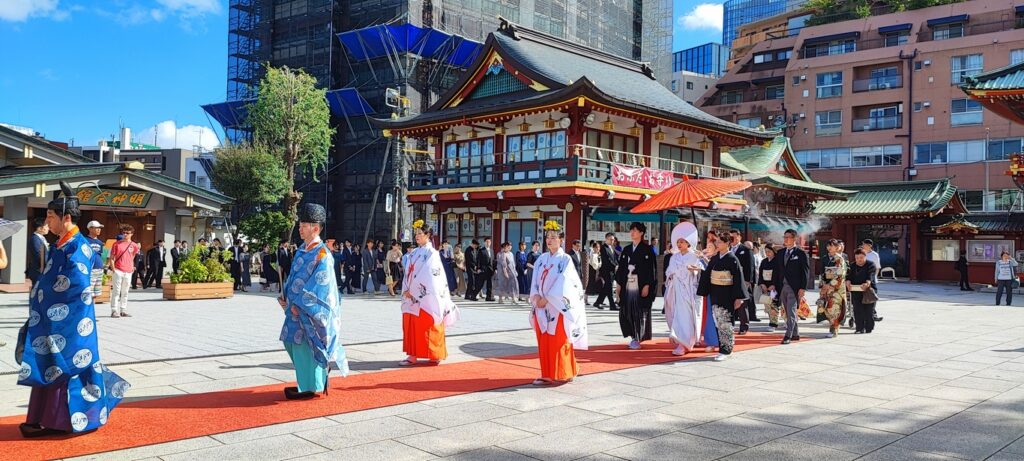
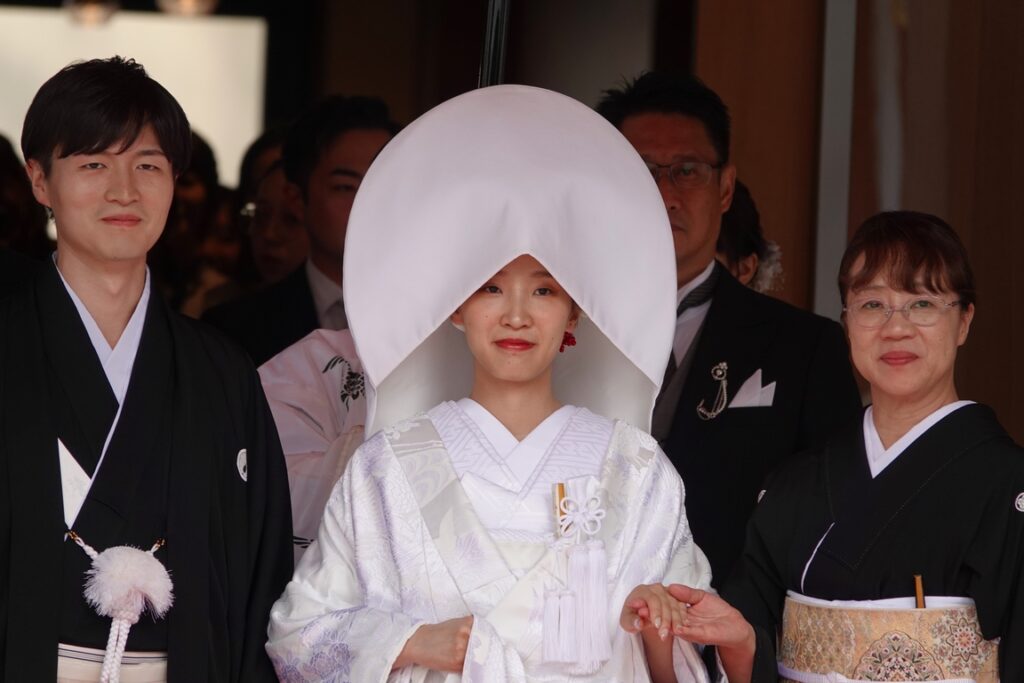
Everything is subtle, suggested. Here, there is no signing of contracts. The spouses bow twice, clap their hands twice, then bow once more. This is the traditional Shinto greeting. The ceremony concludes in the same quiet tenderness with which it began. The couple, united by gestures and not words, leaves the shrine under a red umbrella, slowly, followed by the procession of guests. The shrine bells chime, marking the end of this ceremony. The families can finally talk to each other, exchange wishes, and pose for photographs with a very measured attitude. The couple stand side by side, without touching, with little or no smiling: beauty comes from restraint, not expression. The couple are now bound before the kami and society. And the photograph becomes the embodied memory of the sacred moment. The marriage has not just united two individuals. It has woven a bond between families, ancestors, and the unseen.
If the Shinto wedding we have just mentionned reflects a codified ritual, refined by religious and political authorities (2), we must not believe that Shinto is a static tradition. On the contrary, this Japanese spirituality has been shaped over time, absorbing influences and adapting to the eras. The wedding ritual thus combines traditional elements with a more recent staging of the sacred.
The matsuri, an expression of Japanese popular religiosity
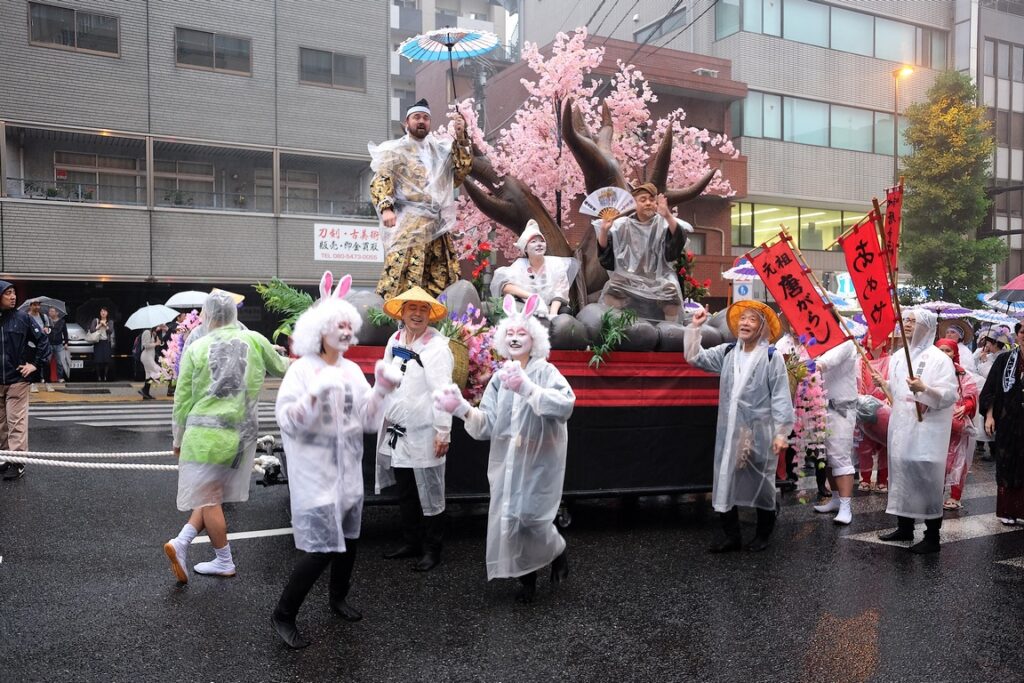
On the other hand, other manifestations of Shinto, such as the matsuri, keep alive an older, more organic and popular memory of the relationship to kami. The same link to the invisible is manifested there, but through the rhythm of the drums, the exuberance of the costumes, the dances, the laughter, and the overflowing energy of the processions. These dimensions are well summarised by the anthropologist Édouard L’Hérisson (3), a lecturer at Inalco, for whom: « These parades gather individuals into a united community during the ceremony. Ideas of the rebirth of the kami and the groups that worship them are associated with it. The matsuri thus contribute to renewing social ties through the creation of a space-time staging the mythical birth of the community, marked by a primitive chaos with pagan accents. ".
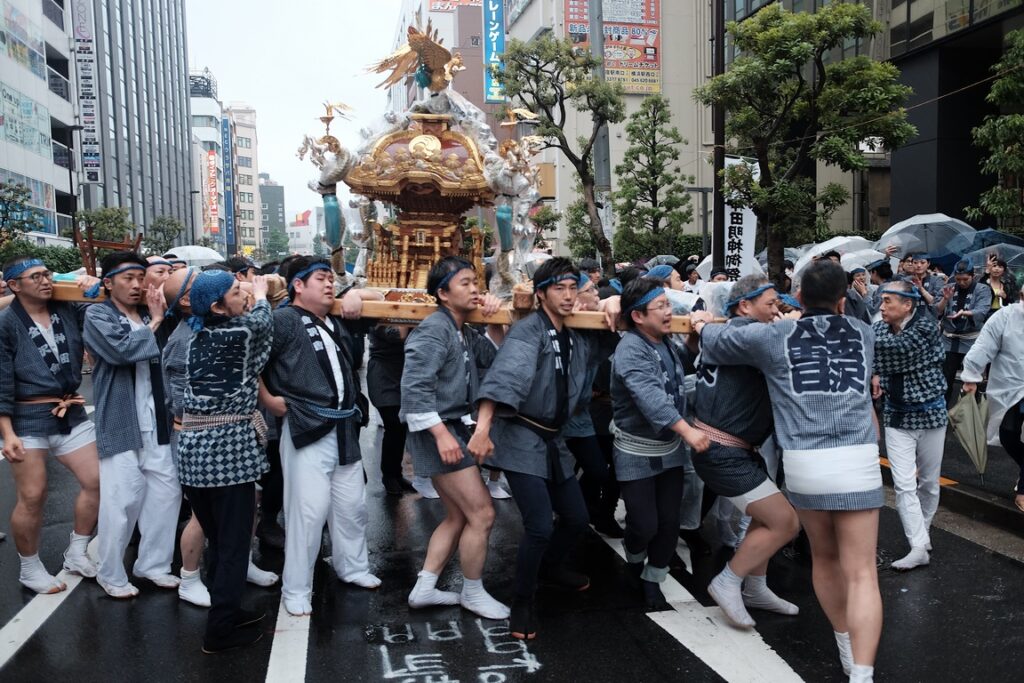
These seasonal festivals are a time when the sacred enters the tumult of the street. Here, we find the oldest traces of Japanese spirituality, those of a people in dialogue with the cycles of nature, harvests, rains, and protective or wrathful spirits.
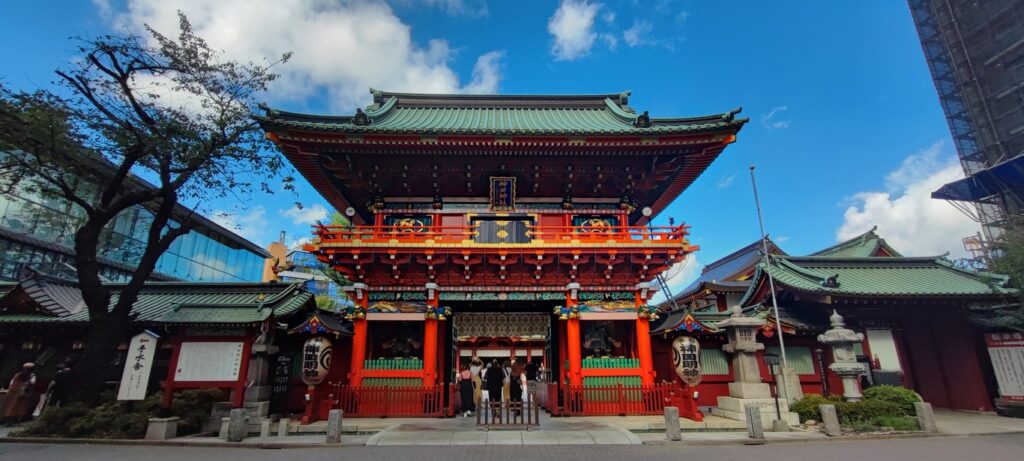
Among the most spectacular festivals in contemporary Japan, the Kanda Matsuri, which we attended in Tokyo, powerfully embodies the vitality of popular Shinto. Historically, the festival dates back to the Edo period and was associated with the power of the Tokugawa shoguns, who saw it as a protective ritual for the city. Even today, it retains this dimension of purification and blessing. The festival lasts for a week during which the protective deities of Kanda Myōjin are honoured. The nearby streets are crowded and long before catching sight of the first mikoshi, portable shrines, the cheers of the crowd can be heard. The bearers of mikoshi, stand there, legs sheathed in white tabis, shoulders ready to bear the weight of the kami.
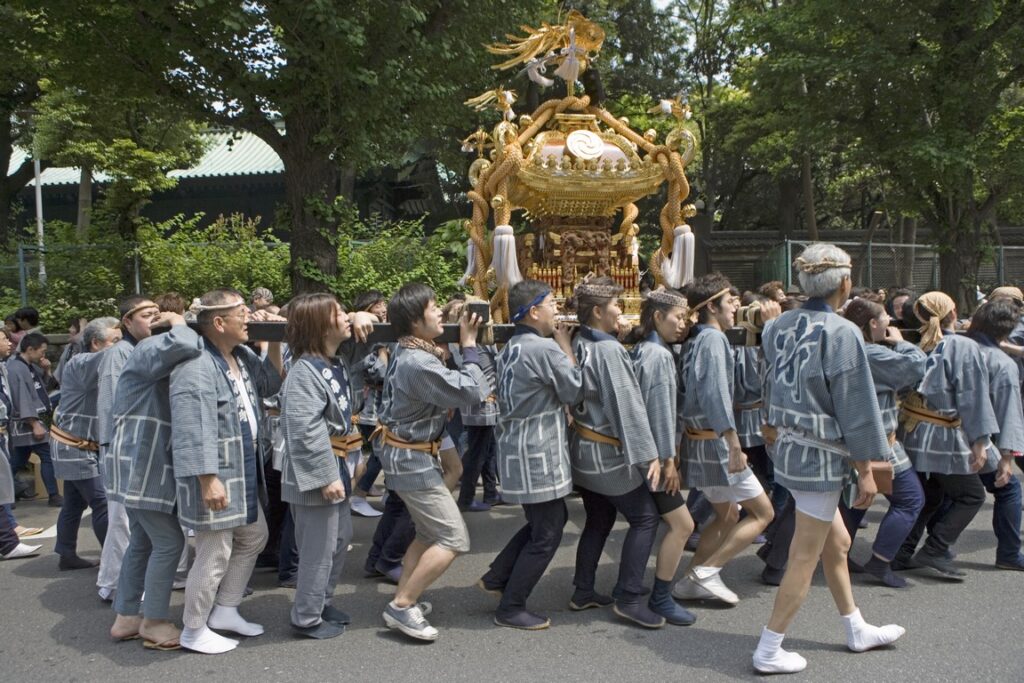
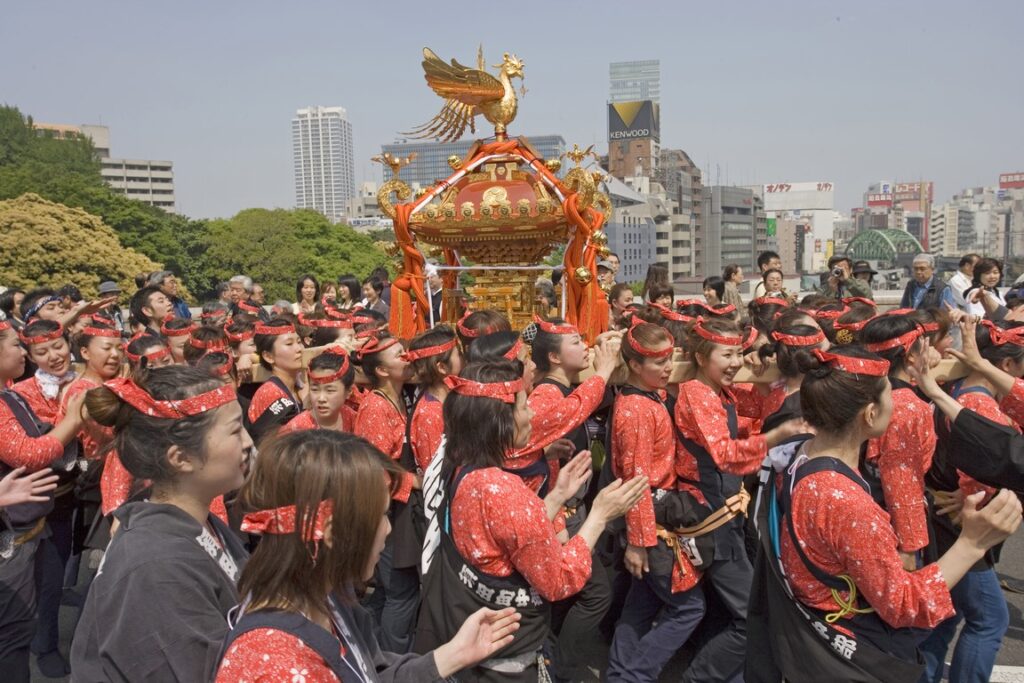
Each mikoshi weighs almost a tonne. But we carry it with joy, for it is not a burden: it is an honour. Women and men march in step, galvanised by the drums(Taiko) and the flutes (shinobue). It's a whole neighbourhood that beats to the rhythm of the spirits. Young and old are part of the celebration. On the sweaty faces, effort mingles with fervour. It's hot. Between two stops, the porters drink sake, sometimes beer. This is very much part of the atmosphere: a ritual, joyous, shared intoxication. This consumption is not seen as a desecration: it is part of the collective communion. The sacred here is neither esoteric nor ascetic.
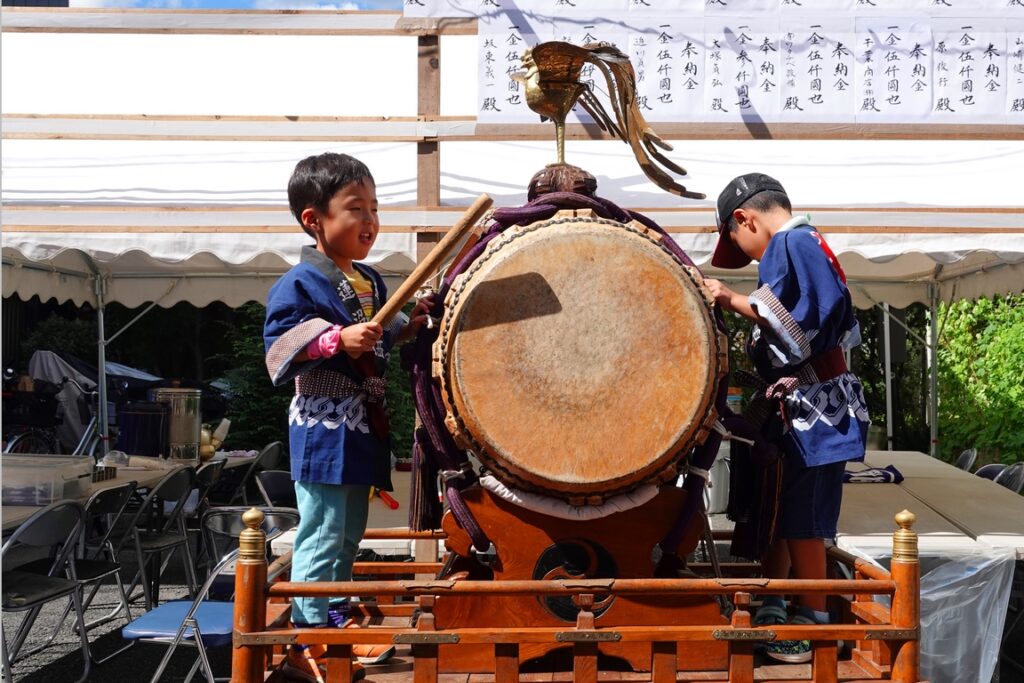
Inside his mikoshi, the kami travels. It temporarily leaves its sanctuary to tour the districts, visit the inhabitants, bless the businesses, and encounter the living. The city becomes a temple. What matters is the connection: the connection between the unseen and the community, between the ordinary and the sacred. At the end of the day, one brings back the mikoshi at the sanctuary. It is placed down with care, as one would see off an important guest after a long journey. The « don-don » of the drums dies down until the next day. Our friend Irumi tells us that « These festivals, which are very popular with the public, are not always experienced with an explicitly religious intention. Many come to share a festive, collective, joyful experience. »...But after this day, a vibration remains in the bodies and a shared memory in the minds...
Living with the world, not against it
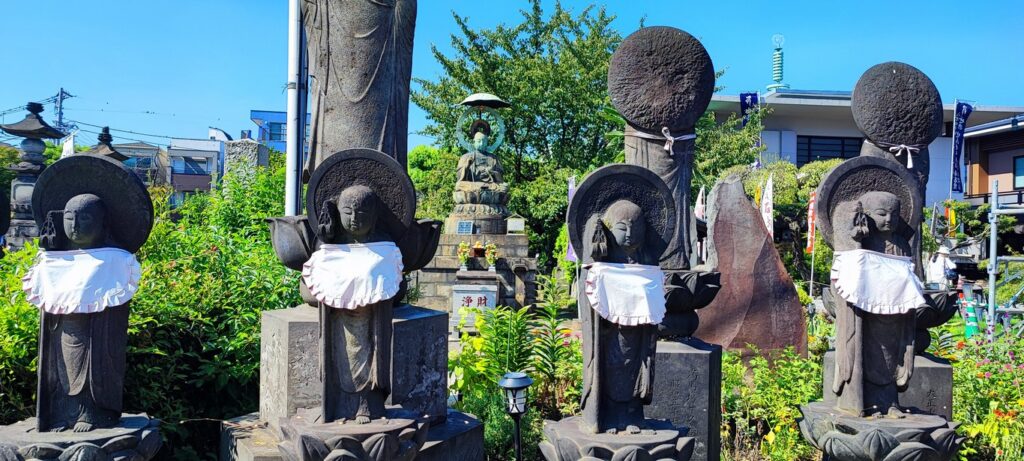
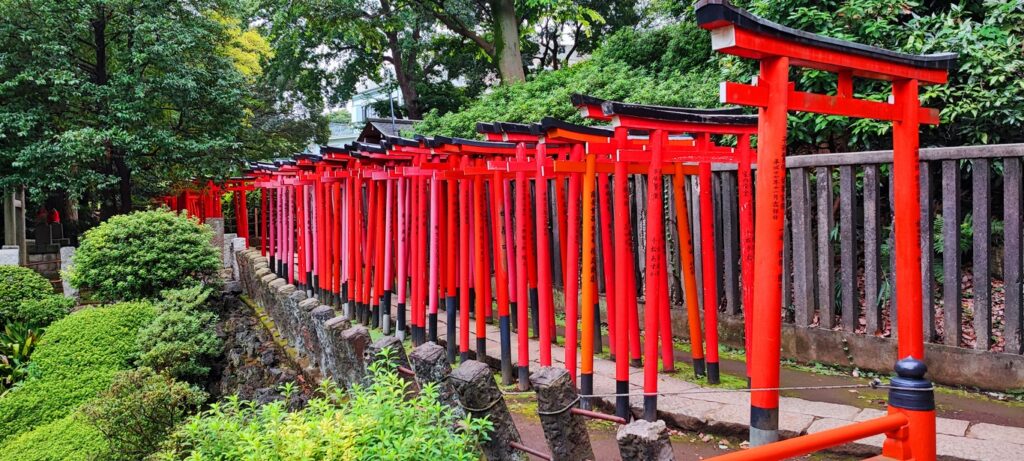
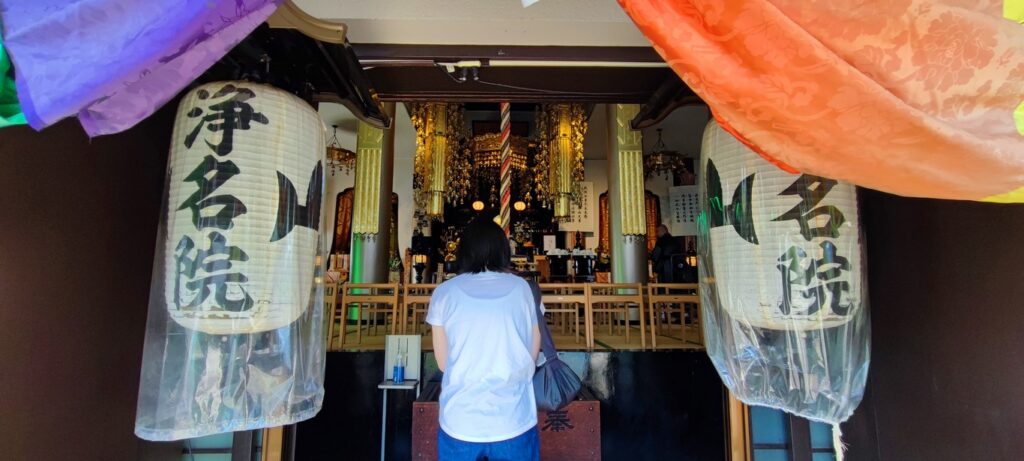
This memory, vibrant and diffuse, does not fade with the drums. It accompanies us, discreetly, when we leave the celebration and return to the calm of a garden or a small sanctuary lost in the outer districts. The whole of Japan thus seems punctuated by places imbued with spirit. An avenue of vermilion torii gates, the bibs around the necks of Jizo Buddhas (dedicated to stillborn or young deceased children), the statues of rabbits or foxes in front of a shrine, a stone lantern (toro)in a park: all signs that a force resides here, a kami.
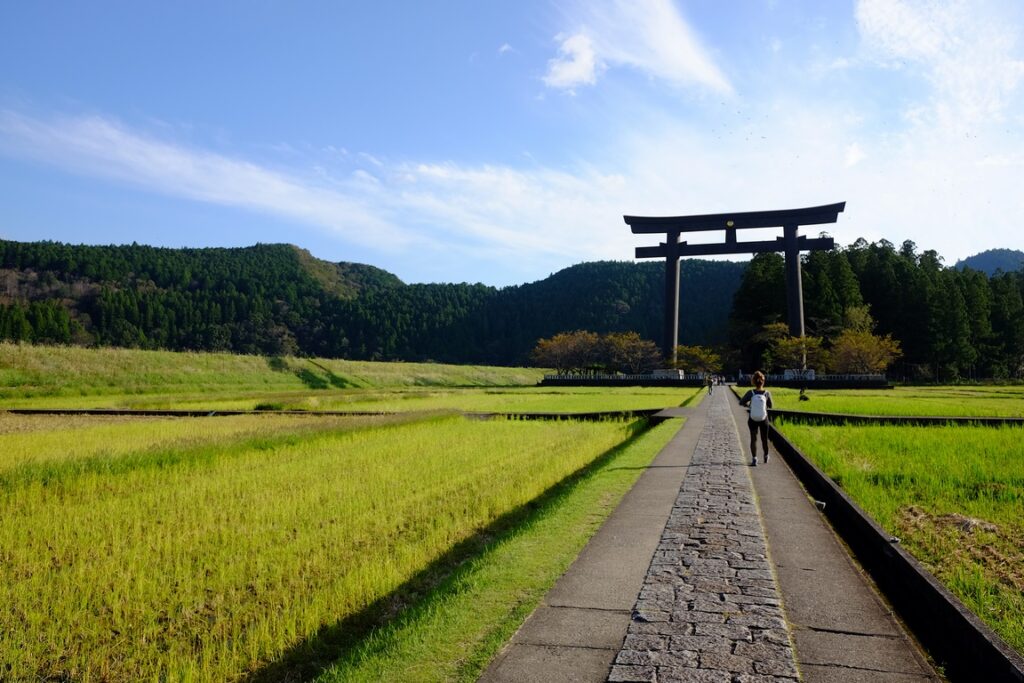
Shinto has never separated the sacred from the living, nor humans from their environment. It thus offers us an intuitive and concrete form of ecospirituality, founded on the recognition of places, rhythms, and seasons. Inside the shrines, one walks barefoot on aged wooden floors; one bows before a sacred pine surrounded by a straw rope (Shimenawa). But within this simplicity a stance is at play: that of respect.
In Ise, one of Japan's most sacred sites, the buildings are rebuilt every twenty years to honour both permanence and regeneration. Further on, in the Kumano mountains for example, the kami are honoured in rice fields, on rocks, or in clearings where there are no statues or buildings: only the breath of the wind, a small stone altar on which a bowl of water or a sakaki branch is placed. This radical simplicity is not an emptiness. It is the sign of a presence perceived without being named, of a world populated by invisible entities without being marked. Not by gods in the Western sense of the term, but by energies, by consciousnesses of the living, with which humans maintain a respectful dialogue.
Humble wisdom for tomorrow
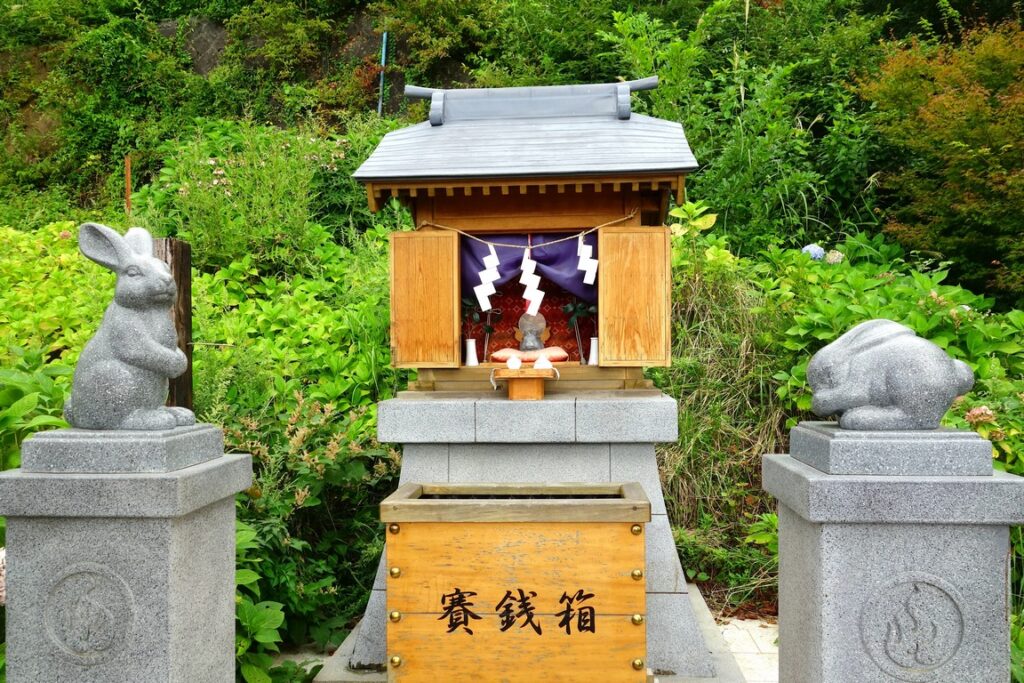
Shinto shrine dedicated to the rabbit, associated with fertility, birth and the protection of children. This stems partly from their ability to reproduce quickly, but also from an older symbolic sensibility. The meaning of the rabbit in Shintoism is rooted primarily in a famous myth: that of the Hare from Inaba. In this story, a cunning, mistreated rabbit is healed by the kami Ōkuninushi. Since then, the rabbit has sometimes been seen as a messenger of the gods, but also as a symbol of healing and rebirth. © J. Josten.
Shinto has neither a metaphysical code nor a philosophy. It has neither dogma nor doctrine. It vibrates« in the national heart, of which it is the highest expression of religious emotion, immortal and for ever young », according to the writer Lafcadio Hearn (4). Shinto is experienced in gesture, in attention to things. One does not declare oneself a Shintoist; one participates in Shinto. It is a way of inhabiting the world with attention. He does not say « Protect nature ». He says: « Recognise her as a sacred force, as a breath to coexist with. »Through simple gestures, sometimes ritualistic, but always connected to a world inhabited by the invisible.
Shinto is lived in relationships, in the attention given to what surrounds us. Before each shrine, even the humblest nestled between two buildings, we pause. Two bows. Two claps of the hands. A final bow. Before entering, we purify ourselves. With a wooden ladle, we pour a little water over our left hand, then our right, then into our mouth. We wash away the dust of everyday life and banish bothersome thoughts. A bit like in certain initiatory traditions where one is supposed to « Leave metals at the temple door ». One enters a state of resonance with the place, receptive to the presence of the sacred.
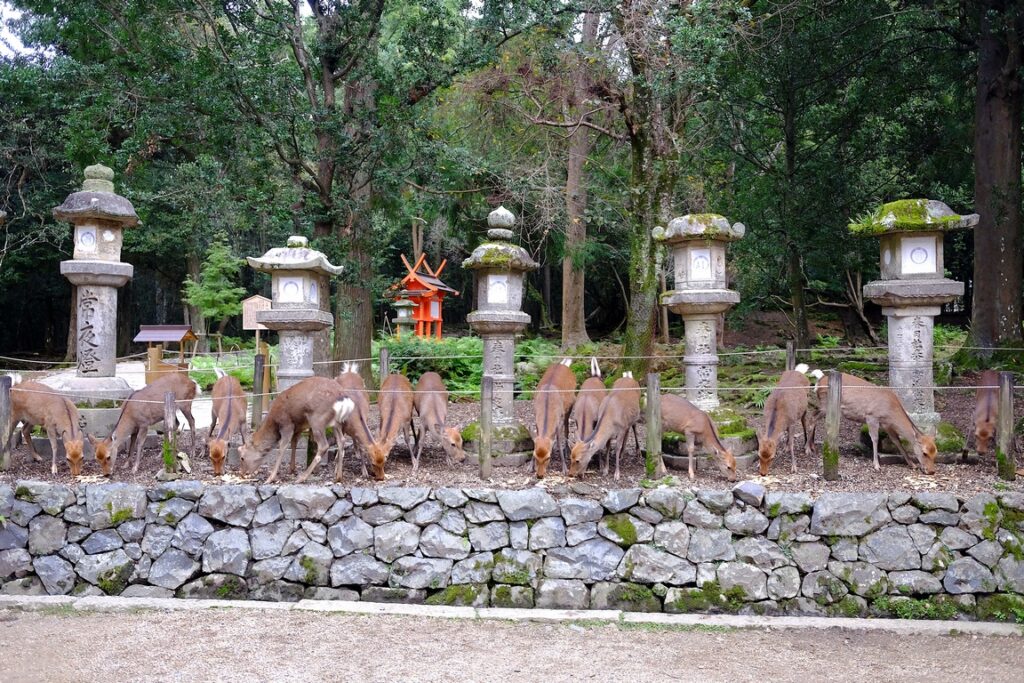
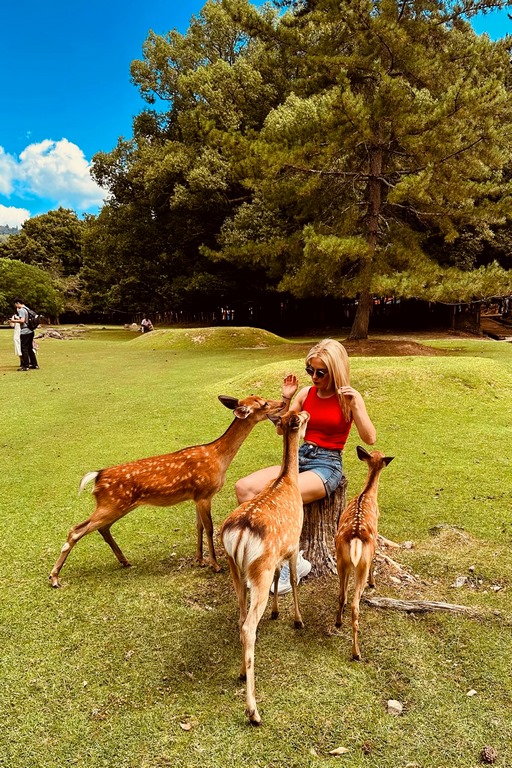
In Nara Park, many deer(shika) live in freedom. According to tradition, the kami Takemikazuchi arrived in the region riding a white deer. Since then, deer have been considered divine messengers (shinshi), animals that serve as intermediaries between humans and kami. These deer have been considered sacred and protected for centuries. In the past, killing them was even punished very severely. © R. Ferry
In a world where ecosystems are degrading and established norms are faltering, Shinto offers humble wisdom, an alternative perspective: that of an ecology of connection. Where the West has often reduced mountains to piles of rock, rivers to flow, and trees to timber, Shinto continues to see each element as a living entity, endowed with rhythm and intelligence. And perhaps this is what it invites us to rediscover: another way of inhabiting the Earth, no longer as a territory to be exploited, but as a world to be listened to. A way in which life is not to be dominated, but honoured. It is this vision that Shinto embodies. A world populated by presences, visible or not, where humans are not masters, but hosts among others. This perspective, both ancient and contemporary, Shinto suggests to those who know how to slow down and pay attention.
1 - Japanese Civilisation. D and V Elisseeff. Great Civilisations. Ed. Arthaud.
2 – Shinto weddings as we know them today are in reality a relatively recent ritual, formalised during the Meiji era (1868-1912). Therefore, they are neither an unchanged ancestral rite nor a direct vestige of ancient popular spirituality. This codification was carried out by the Japanese state during the country's modernisation, with the support of official Shinto authorities (notably the Jinja Honchō, the organisation that has governed Shinto shrines since the post-war period). The objective at the time was to give Japan a unified national identity, where Shinto played a symbolic role as a cultural bond.
3 – Shinto, An introduction to the History, Concepts and Practices of this cult from Japan, Edouard L’Hérisson. Eyrolles Editions, 2023.
4 – Glimpses of Unfamiliar Japan, Lafcadio Hearn. A writer of British origin who would take Japanese nationality in 1896, under the name of Yakumo Koizumi.
Text : Brigitte Postel
Photo opening : Torii gate of the Yanaka Suwa Shrine in Tokyo. B. Postel.
Photos : as indicated