
Objects cross generations without ever losing their soul. A delicately decorated tea cup, a plate with hand-painted birds, a porcelain figurine placed on a fireplace… Behind these familiar pieces are sometimes unexpected stories: those of the artisans, the workers, the sellers, the leaders, and the customers. This is precisely what the Domaine & Musée royal de Mariemont invites us to discover with its exhibition « The Porcelain Store »A journey into nearly two centuries of Brussels history, through the story of a family-run manufactory and the objects that have accompanied the daily life of an entire society.
Table of Contents
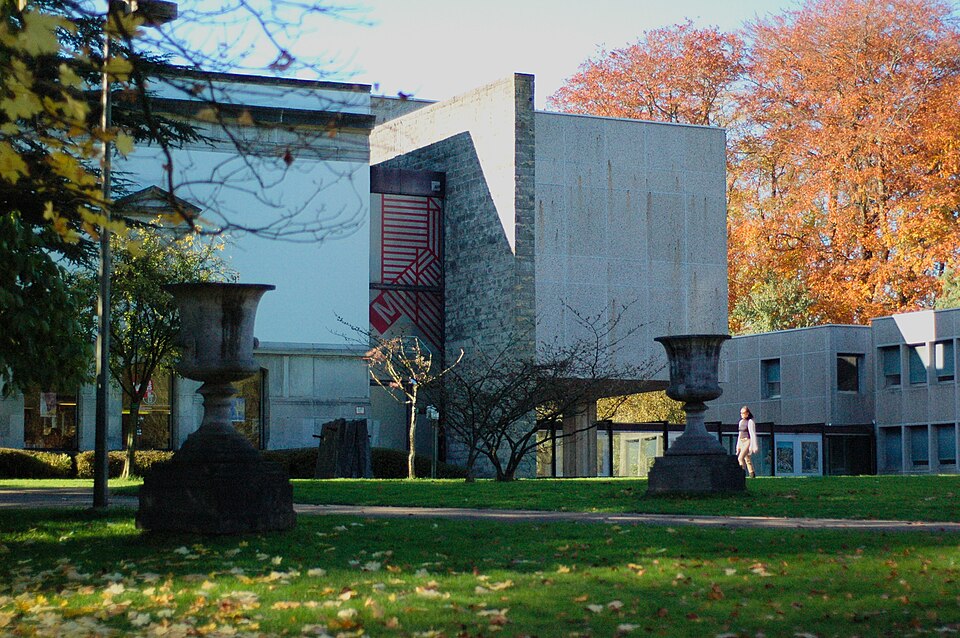
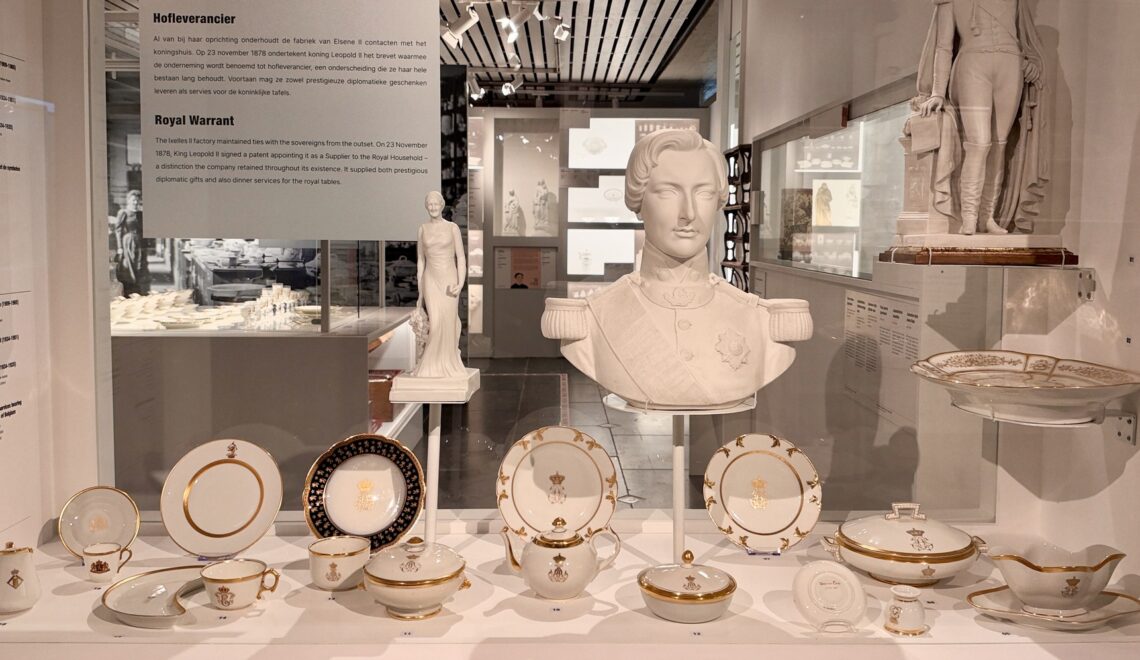
Located in the heart of a magnificent park, the museum is accessible after a fifteen-minute walk. The exhibition takes us behind the scenes of the Ixelles II factory. Over the decades, it has become the home of Demeuldre-Coché, It was the last porcelain manufactory in Brussels. Its history continued until the store closed in 2020. This industrial and family adventure is recounted through more than 1,700 pieces: fine tableware, utilitarian and artistic creations, façade decorations and royal services, accompanied by molds, drawings, photographs and archives.
From exceptional pieces to everyday objects
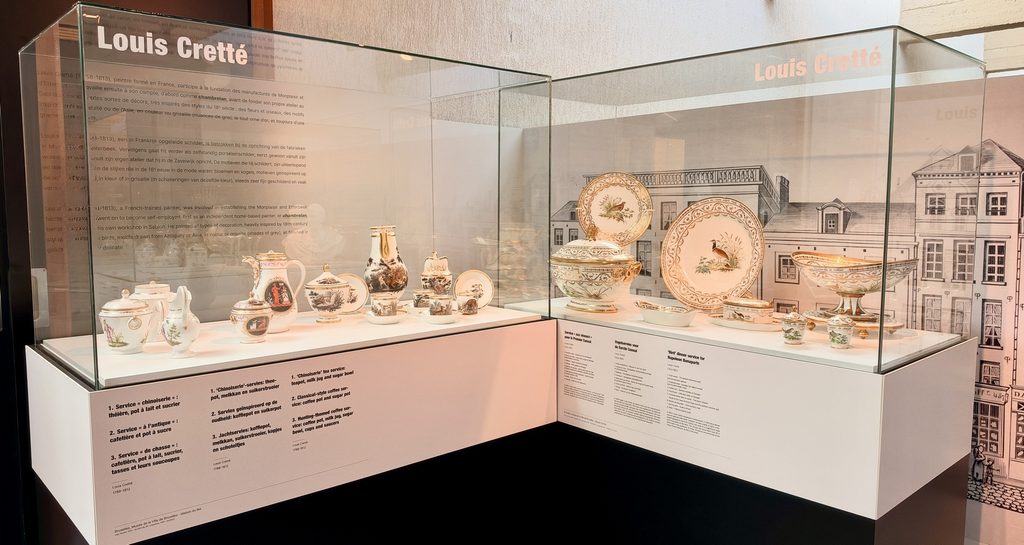
Among the highlights of the exhibition is a selection of the famous «to the birds» service, created in 1803 by Louis Cretté and originally intended for Napoleon Bonaparte. The finesse of its naturalistic scenes, inspired by the ornithological plates of’Natural history de Buffon is a testament to the virtuosity of the painters of porcelain.
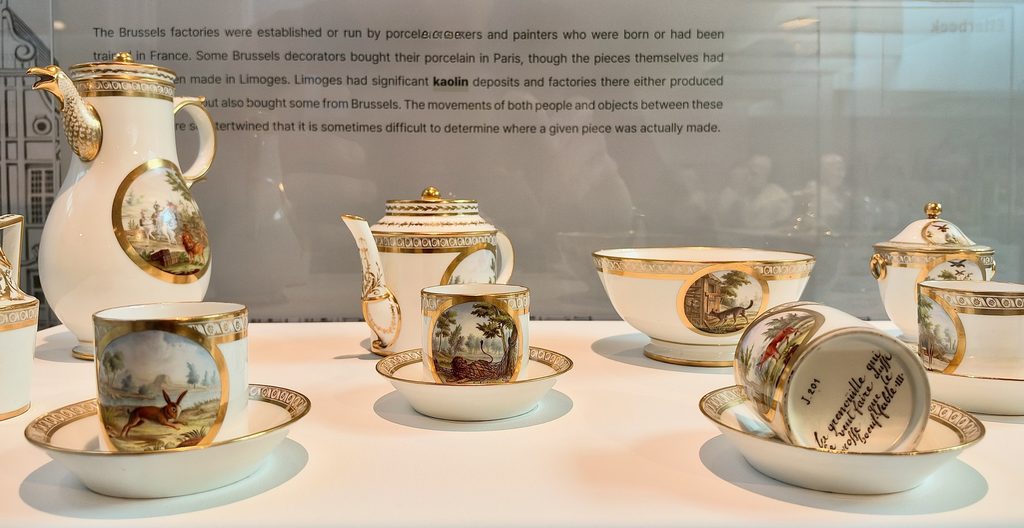
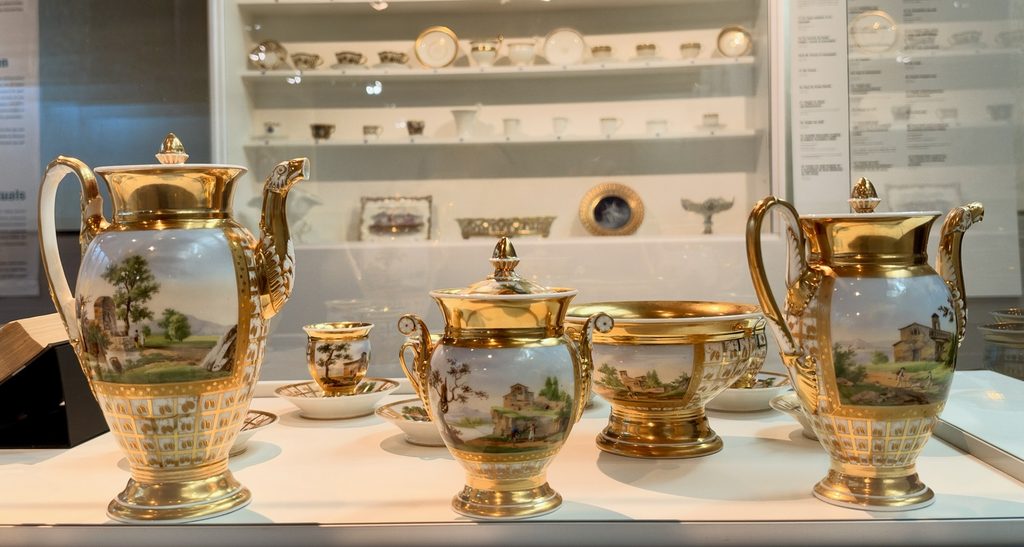
One of the attractions of the exhibition is the diversity of the objects on display. While porcelain adorned the tables of the aristocracy and bourgeoisie, it also played an important role in everyday life. The manufactory catered to the needs of hospitals, pharmacies, places of worship, and the food service industry. Medicine jars, toiletries, candlesticks, advertising items, and souvenirs from ceremonies are all testament to their time.
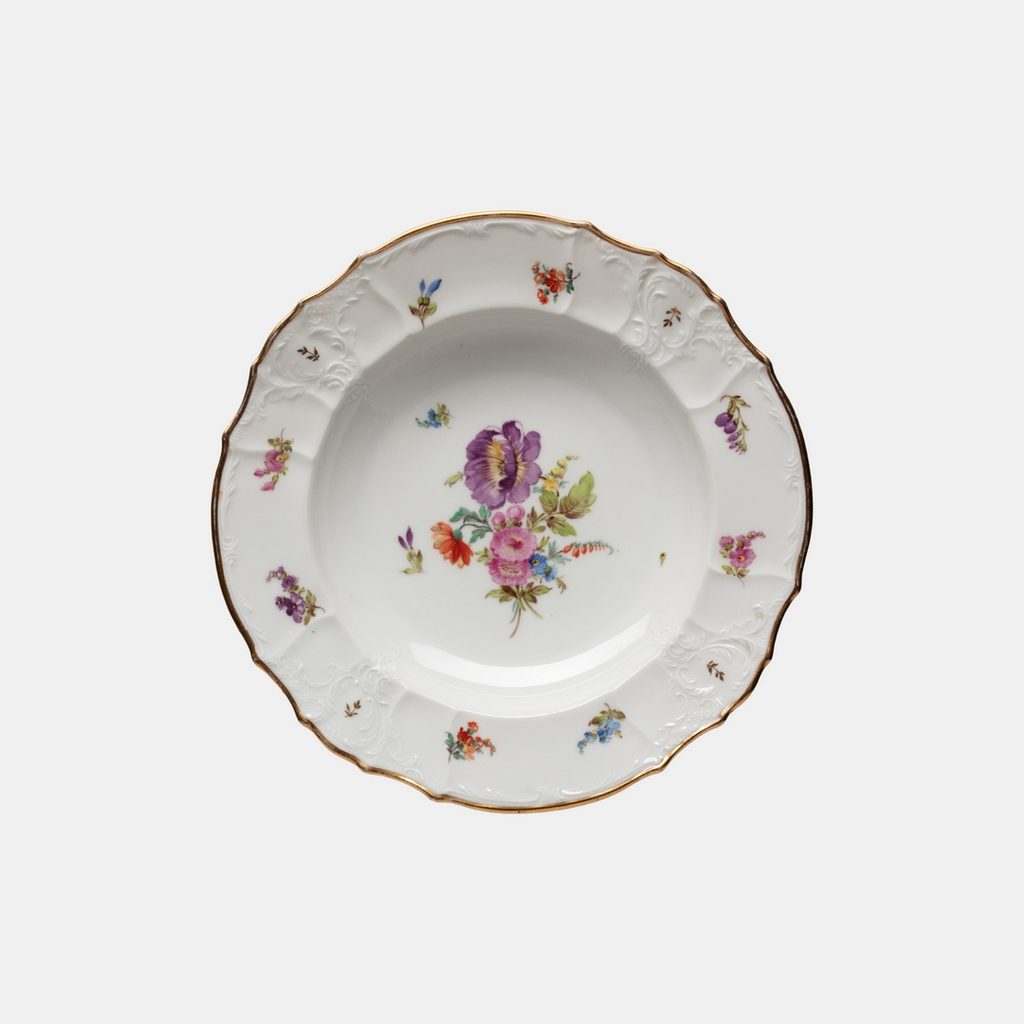
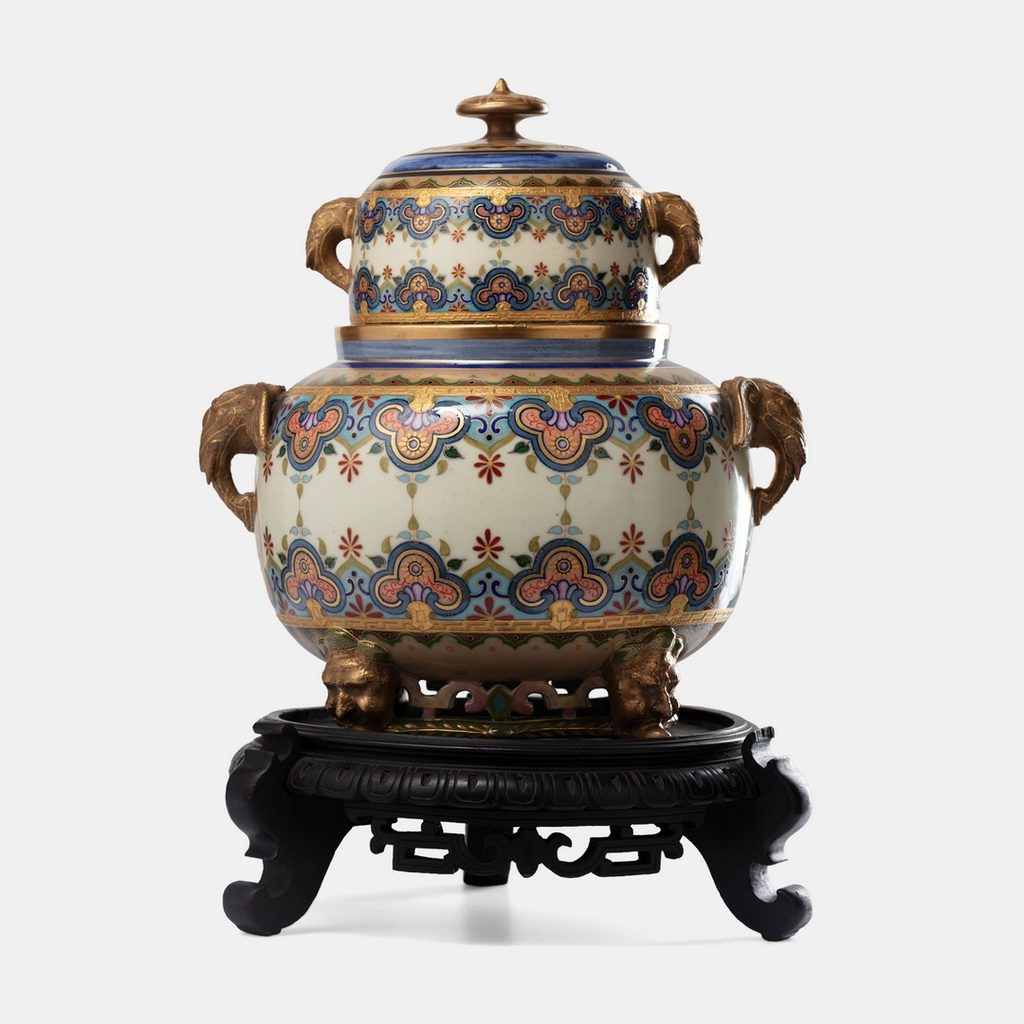
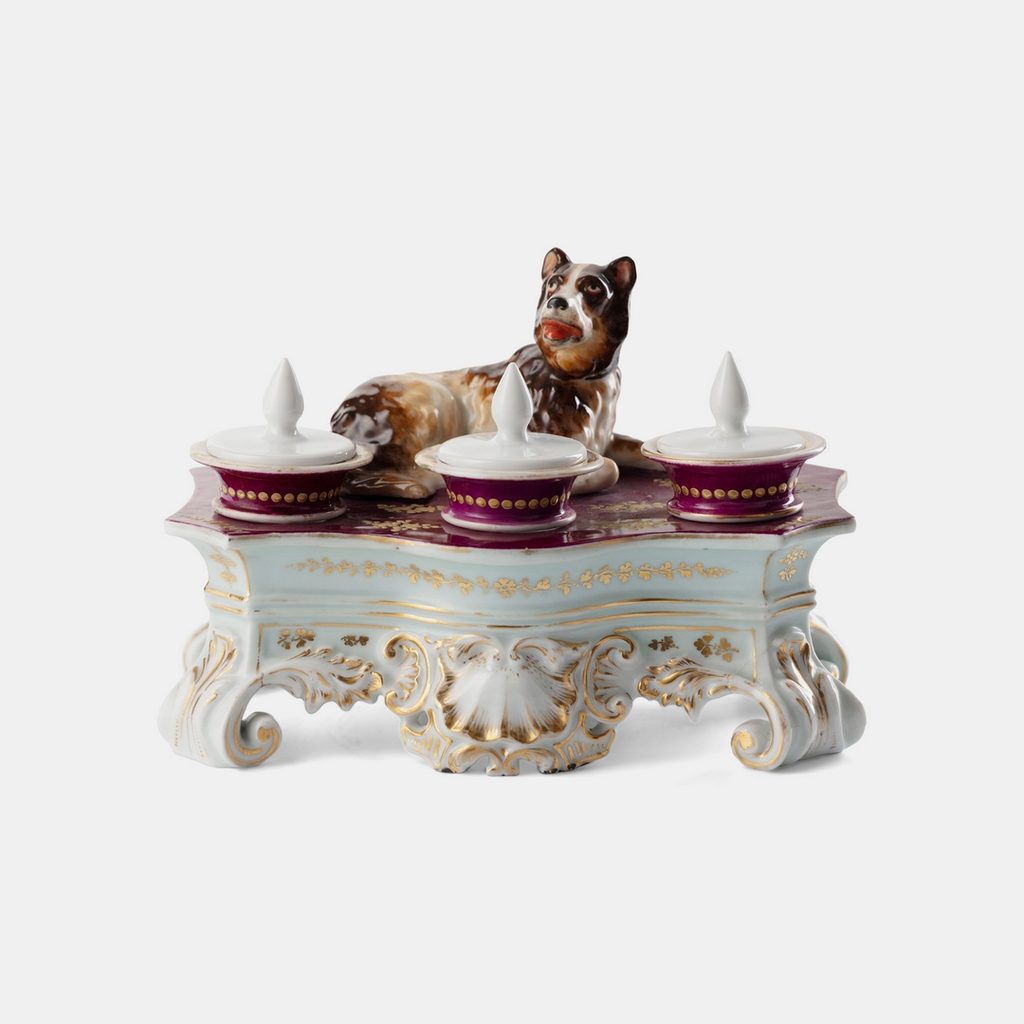
Behind these objects, sometimes of great simplicity, a story of domestic practices, hygiene, trade, and eating habits emerges. Beyond their aesthetic value, they reflect the evolution of ways of life.
Behind the scenes of a family-run factory
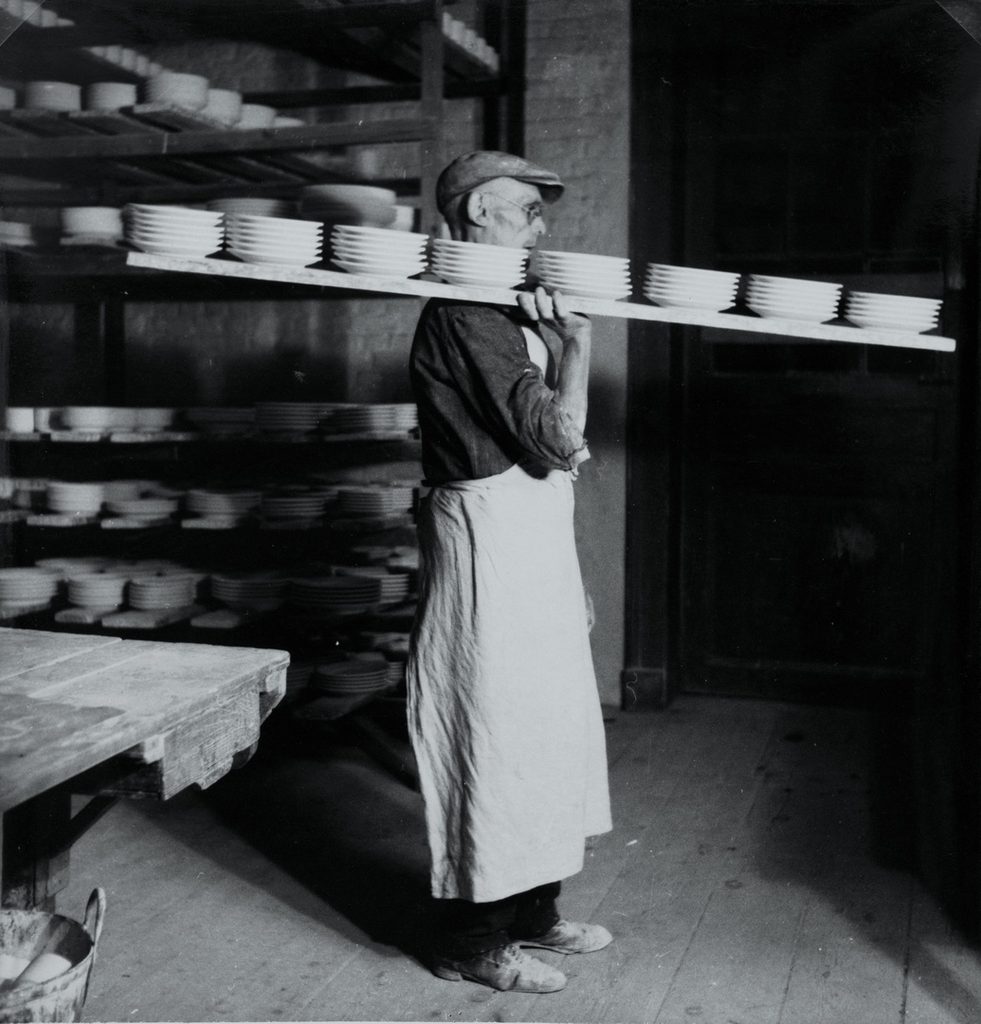
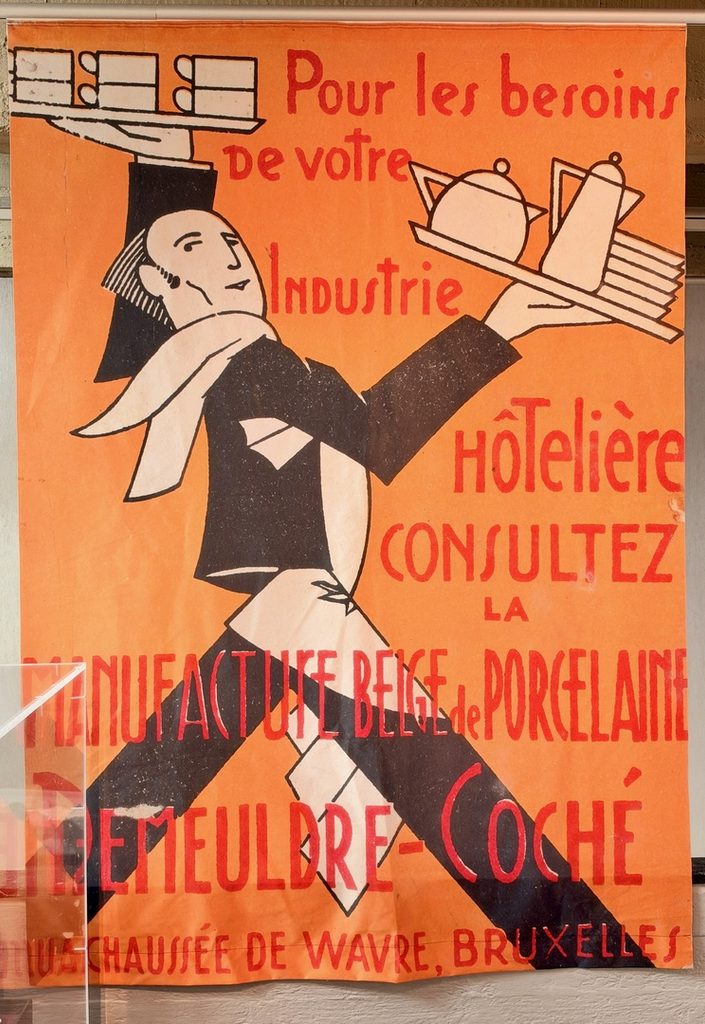
Several generations, first the Vermeren-Coché family and then the Demeuldre-Coché family, have successively headed the company. The archives and testimonies highlight in particular the role of the women of the family, who, on several occasions, took over the management of the manufactory upon the death of their husbands.
Beyond the history of the leaders, the working conditions and daily lives of the employees are also discussed. Period photographs, order books and workshop documents allow us to recognize the faces and names of these workers, painted on porcelain, decorators and saleswomen, whose work contributed to the house’s fame. Thanks to the research carried out by the museum’s scientific team, some of the porcelain has even been attributed to the workers who decorated them.
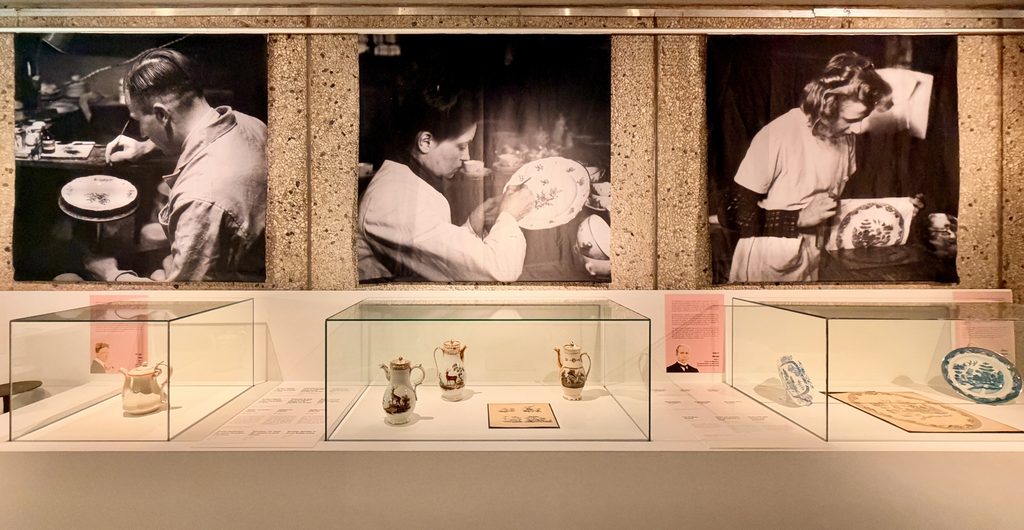
A film shot in the workshops in the 1940s also allows us to observe the artisans’ gestures and the different stages of production. Faced with economic upheavals, the consequences of the two world wars and foreign competition, the factory ceased its production in 1953. However, the store on Wavre Street continued its activity until 2020, when nearly two centuries of history came to an end.
Porcelain: between heritage and contemporary creation
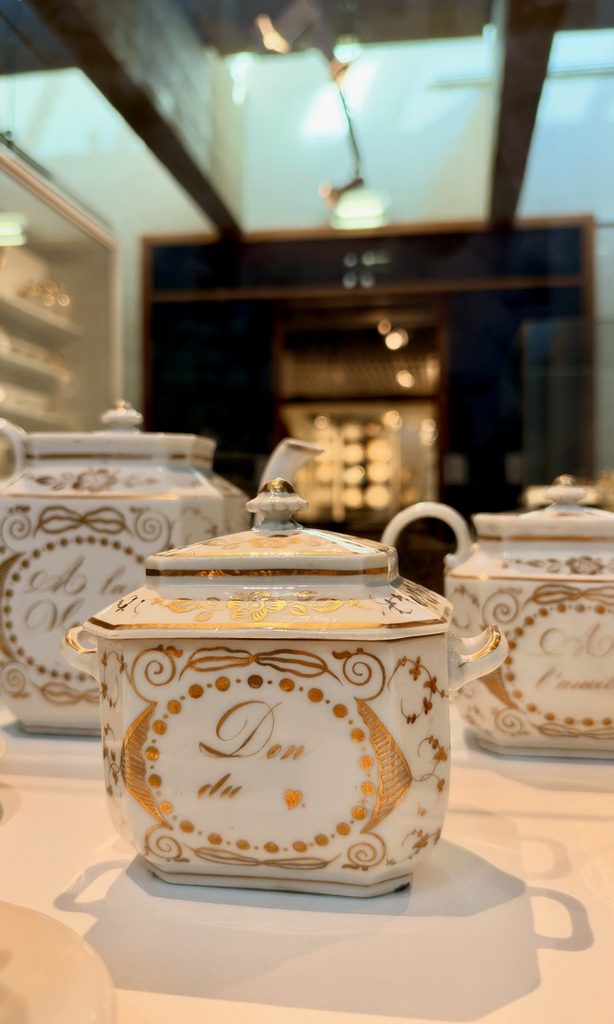
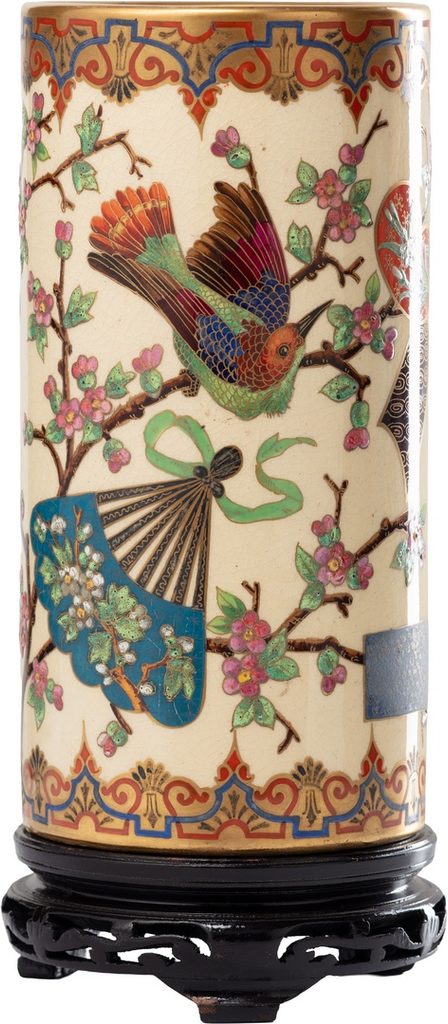
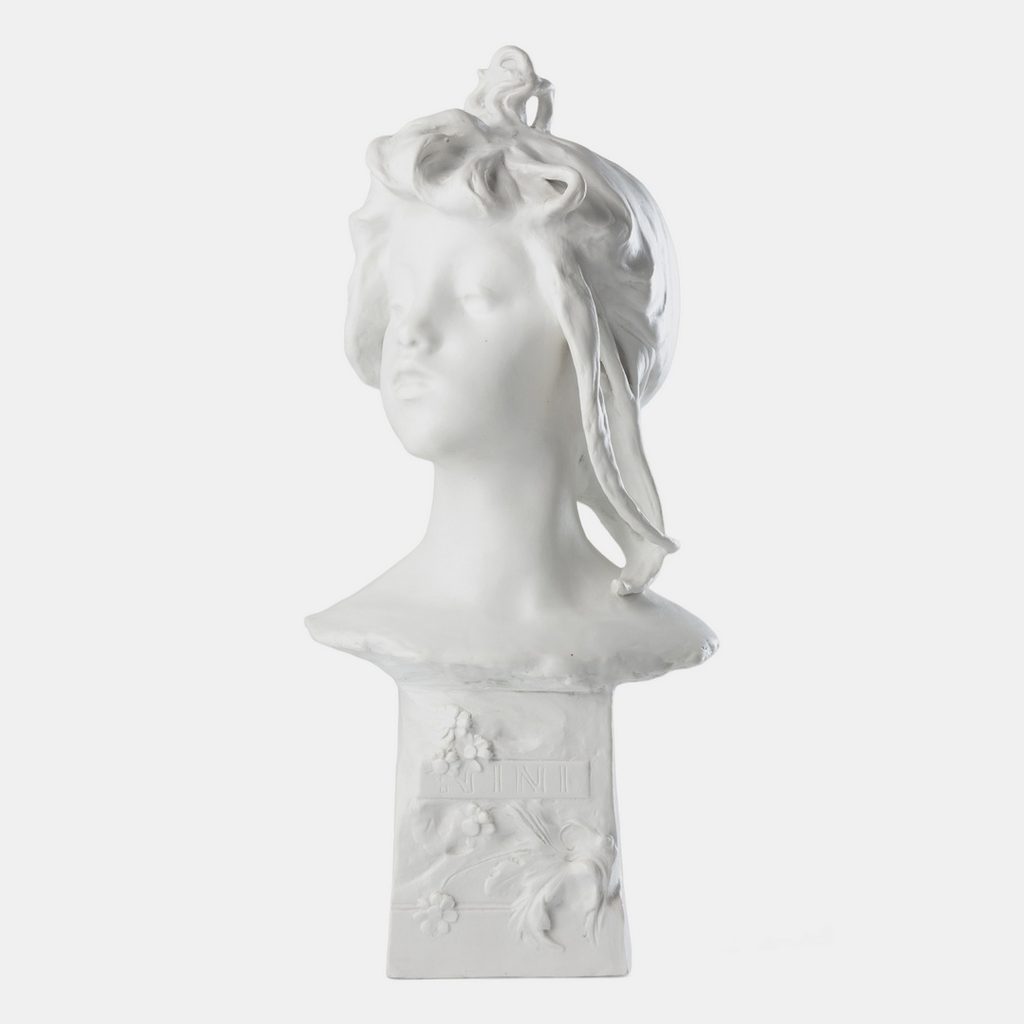
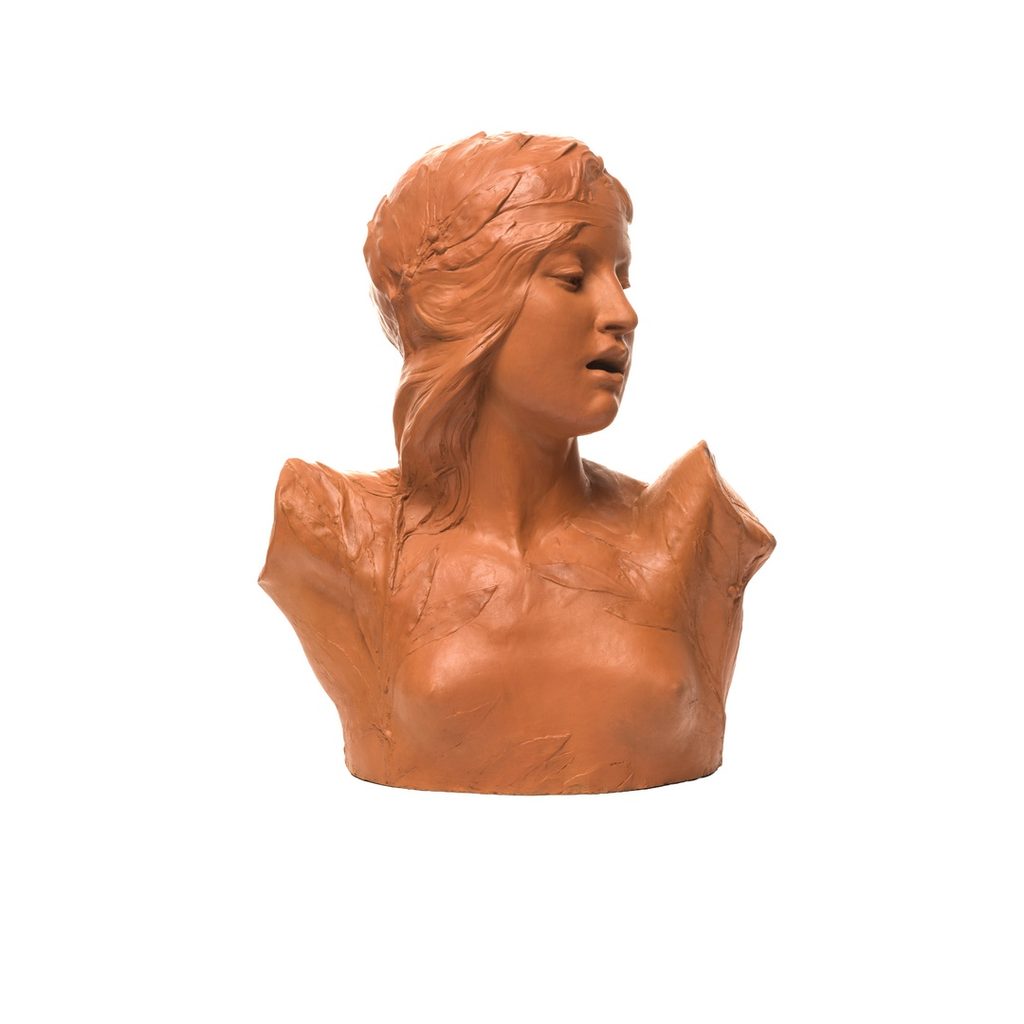
The visit continues on the lower level, where the ancient collections interact with contemporary creations. The museum indeed possesses an exceptional collection of porcelain from Tournai and Brussels. A showcase of Art Nouveau, originating from the Brussels store Demeuldre-Coché, hosts an installation around birds, in echo of the famous Bird Service by Buffon. Further on, the current savoir-faire is represented by the works of 26 artisans from Hainaut: ceramics, jewelry, lace, weaving, stained glass and textile creations. Seventy pieces illustrate how these artisans reinterpret the major artistic trends of the past, notably Japonism and Art Nouveau. In the age of standardized production, their creations testify to the vitality of the craft trades, the mastery of the gesture and the ability to innovate traditional techniques.
When we leave the exhibition, we no longer look at this old cup inherited from our grandmother or this delicately decorated plate that we reserve for special occasions in quite the same way. Although porcelain is fragile, its memory, on the other hand, transcends time.
Until May 9, 2027
Text : Laurence Grémy-Flamand
Photos : as indicated
Getting there
Royal Domain & Museum of Mariemont
100, Chaussée de Mariemont
7140 Morlanwelz
www.musee-mariemont.be
Or stay?
Hotel Dolce La Hulpe: a wellness break in the heart of the forest
The Dolce by Wyndham La Hulpe Brussels, nestled in the heart of the Forest of Soignes, offers a true haven of greenery just a few kilometers from Brussels.
This 4-star establishment offers a contemporary and relaxing atmosphere. Its rooms and suites, which open onto the surrounding nature, invite you to slow down the pace and fully enjoy this forest immersion.
The hotel also has beautiful facilities for those seeking relaxation: an indoor swimming pool, a sauna, a hammam, a fitness area and a Cinq Mondes Spa.
In terms of gastronomy, the Argan restaurant allows you to extend the experience with cuisine that highlights seasonal products, in a setting that offers extensive views of the forest.
An ideal address for combining cultural discovery, walks in the great outdoors and moments of relaxation. After visiting the Folon Foundation, it’s hard to imagine a better place to prolong this lovely Belgian parenthesis.
www.dolcelahulpe.com