
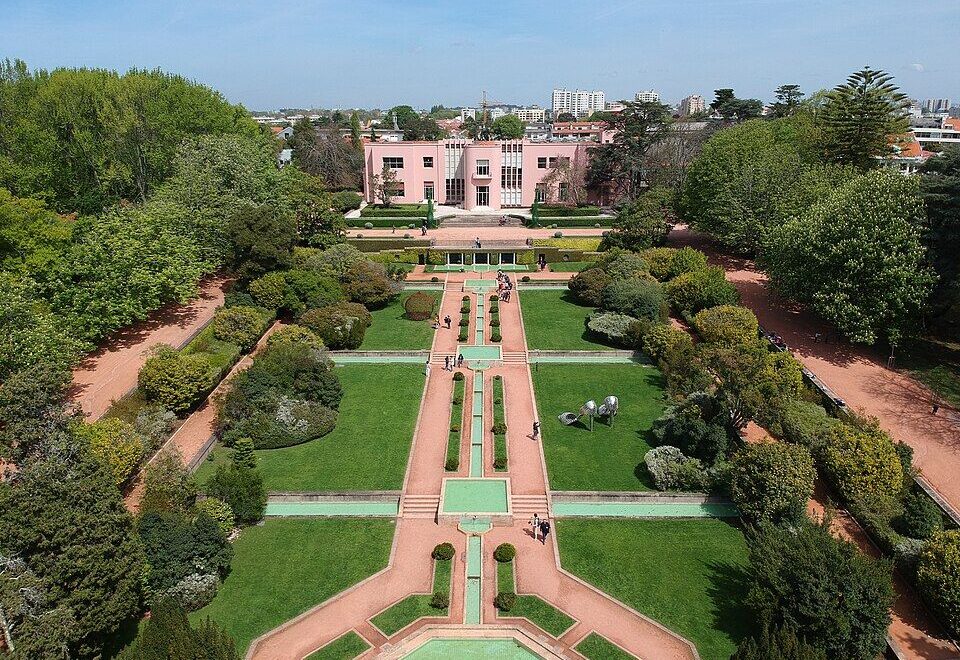
To the west of Porto, away from the hustle and bustle of the Ribeira and the crashing waves of Foz, the city is home to a haven of silence and pure lines: the Serralves Foundation. It reveals the boldest and most contemporary face of Porto. More than a museum, it's an 18-hectare estate where the modernist architecture of the Museum of Contemporary Art, the emblematic Art Deco of the Casa de Serralves and a landscaped park dotted with monumental works of art come together.
Table of Contents
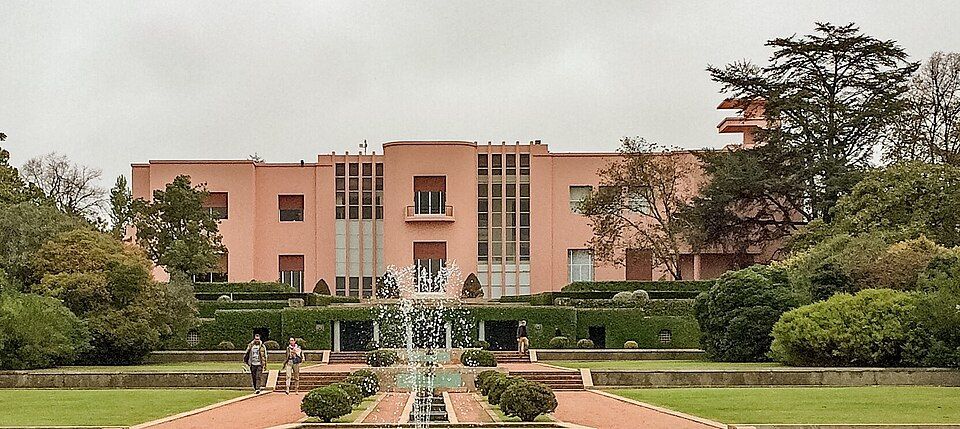
The villa and museum open onto a garden filled with sculptures that are sometimes disconcerting, appearing at the bend in the path like unexpected presences. The Fondation hosts major temporary exhibitions and houses the city's main museum of modern art, making it a living space in perpetual dialogue between nature, architecture and contemporary creation.
The Foundation officially came into being in 1989, in a Portugal transformed by the Carnation Revolution (1974). At the time, the country was seeking to affirm its cultural openness towards Europe. The Portuguese government, private patrons and companies joined forces to create a major contemporary art centre in Porto with international reach. The choice fell on La Casa de Serralves, located in the hills to the west of Porto.
Villa Serralves: An Art Deco manifesto
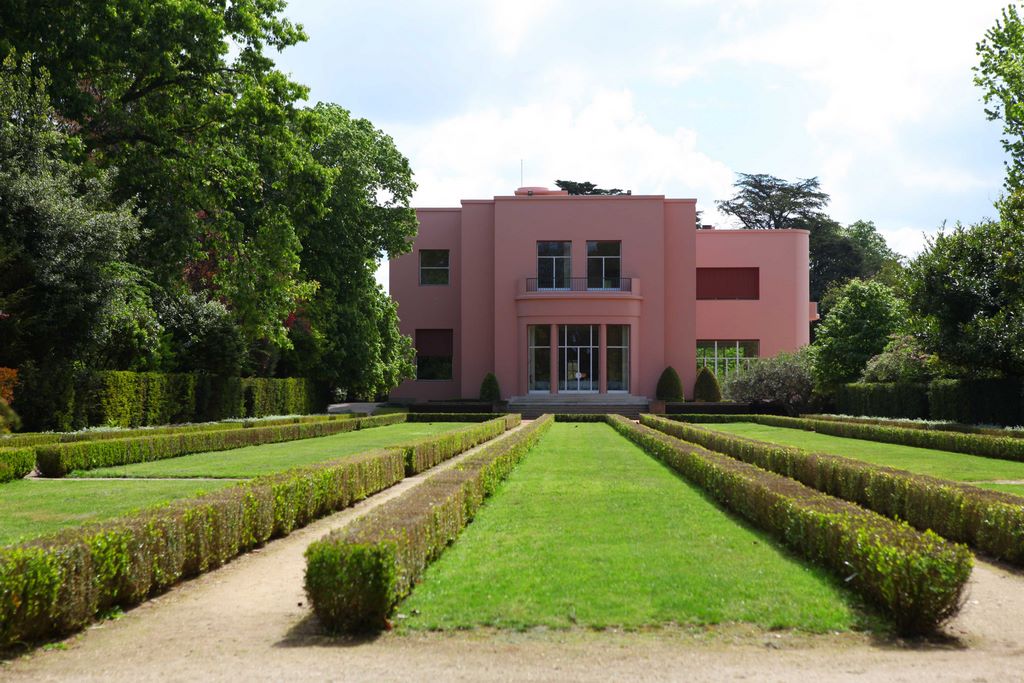
On this property, acquired in the 1920s, the Count Carlos Alberto Cabral (1895-1968) built a spectacular villa, completed in the 1930s, an Art Deco masterpiece with geometric lines and refined interiors. Crossing the threshold, it's easy to imagine the Cabral family's social gatherings. The geometric lighting and views of the gardens, framed like tableaux vivants, create a cinematic atmosphere. With its marble, precious woodwork and stylised ironwork, this house remains one of the finest examples of the Art Deco style in Europe and Portugal's most visited cultural institution.
The Museum: The signature of Álvaro Siza
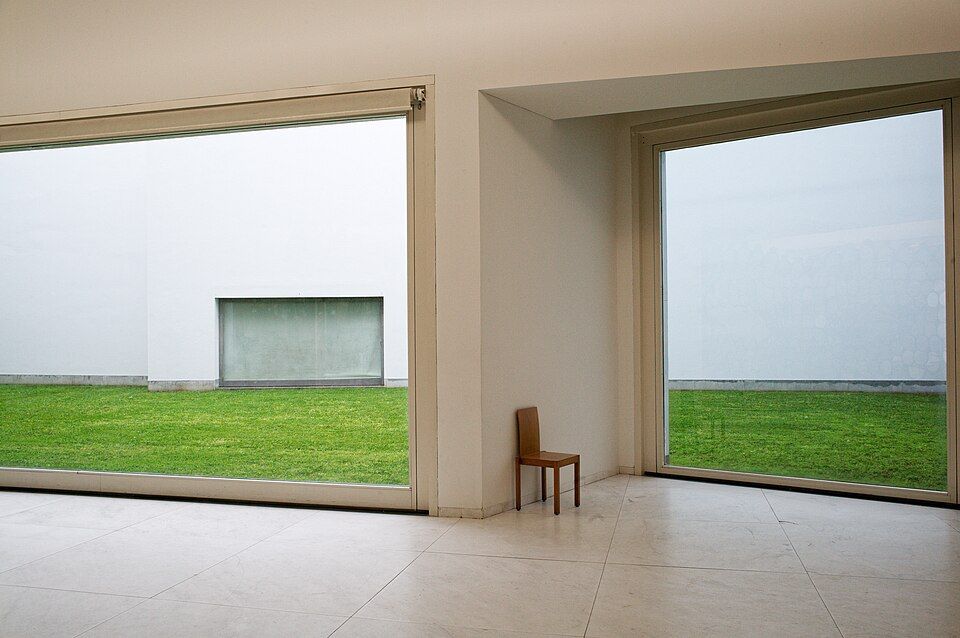
A few steps away, the scenery changes radically. In 1999, a new building was added to the complex: the museum of contemporary art, designed by the Portuguese architect Álvaro Siza Vieira, winner of the Pritzker Prize. The building doesn't try to dominate the landscape, it blends into it. Minimalist, bathed in natural light, the museum hugs the topography of the park and engages in subtle dialogue with the historic villa. The volumes are vast, the walls pure white, leaving plenty of room for the often bold works of international and local artists.
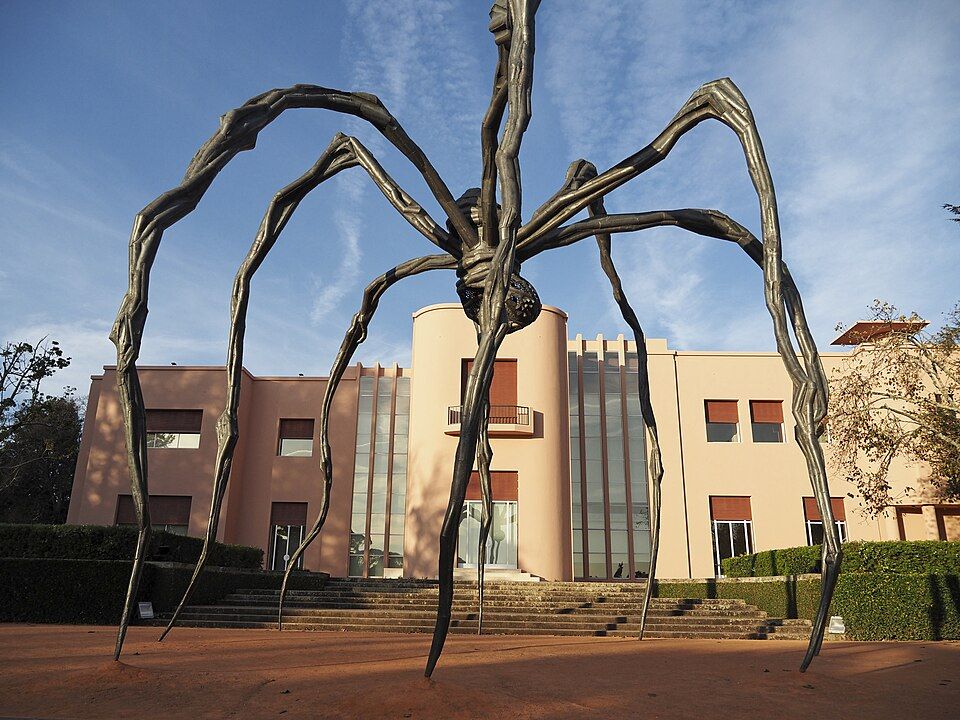
The permanent collection features over 4,500 works, mainly from the 1960s to the present day, with a strong emphasis on Portuguese art. It includes major figures such as :
• Helena Almeida (1934-2018), whose performative self-portraits question the body and space; ;
• Julião Sarmento (1948-2021), exploring desire and memory; ;
• Paula Rego (1935-2022), famous for his powerful, narrative works, often inspired by fairy tales and social tensions.
It should be noted, however, that the museum is presenting elitist contemporary works and installations by «highbrow» artists, which left us wondering what the point of exhibiting this type of gizmo was...
The Foundation does, however, produce ambitious temporary exhibitions, inviting leading international artists and affirming its role in the major European contemporary art networks.
Serralves Park, an open-air museum
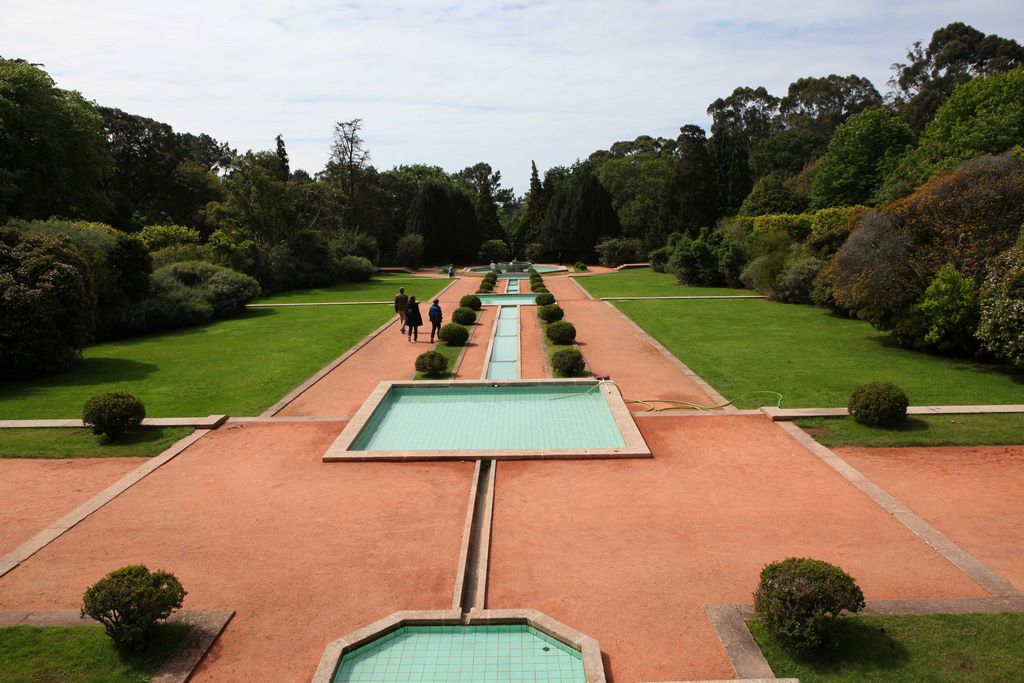
Designed in the 1930s, the landscaped park is a work of art in itself. Designed by the town-planning architect Jacques Gréber (1882-1962), it offers a wide variety of natural and landscaped areas, designed to be explored on foot through different circuits and atmospheres. It is a very modern garden for its time. In the immediate vicinity of Casa de Serralves, there are formal gardens with carefully laid-out geometrical designs that stretch for almost 500 m towards the River Douro. These formal gardens are characterised by regular flowerbeds, axes of perspective and symmetrical compositions that interact with the villa's elegant façade. Paths lined with camellias, a rose garden, ponds, box trees and vast lawns give structure to the space.
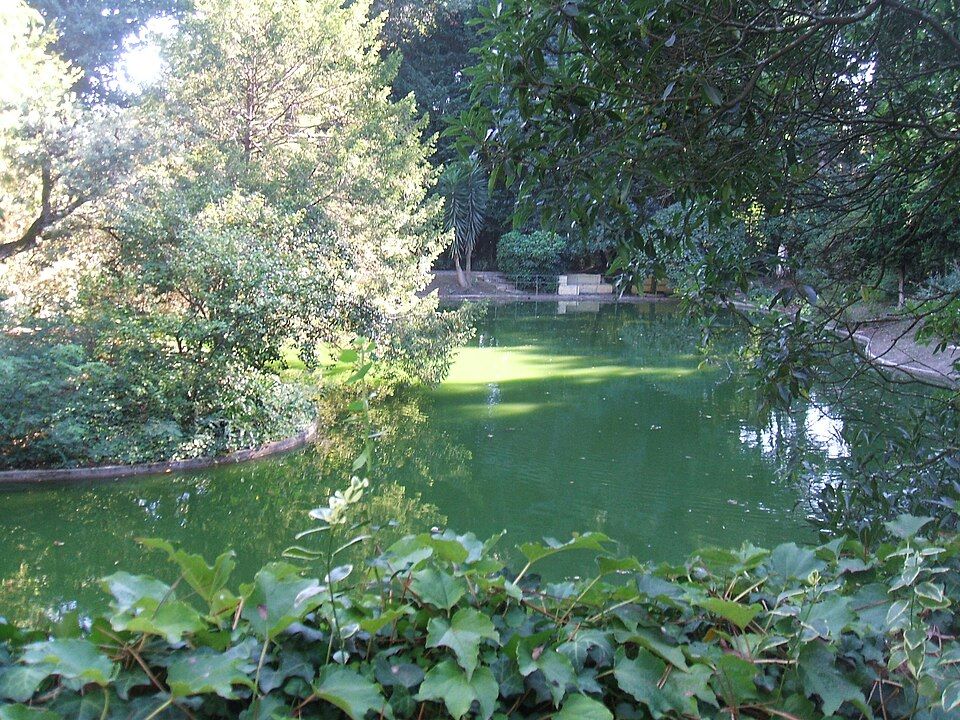
At the end of the main axis, a staircase leads down to a romantic-style pond nestling in a slight depression in the ground. Winding paths lead down to wilder areas, woods and undergrowth with a wide variety of trees (nearly 200 species of native and exotic trees and shrubs), vegetable gardens and even a traditional farmhouse (Quinta), a reminder of the estate's rural origins: farm buildings, paddocks and a few animals.
But what really stands out are the monumental works scattered among the trees.
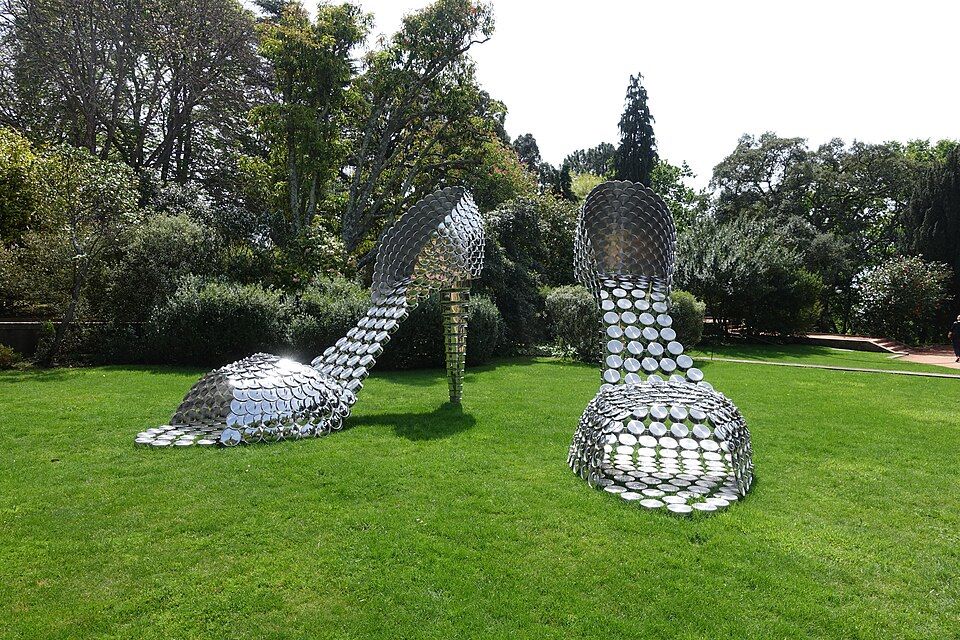
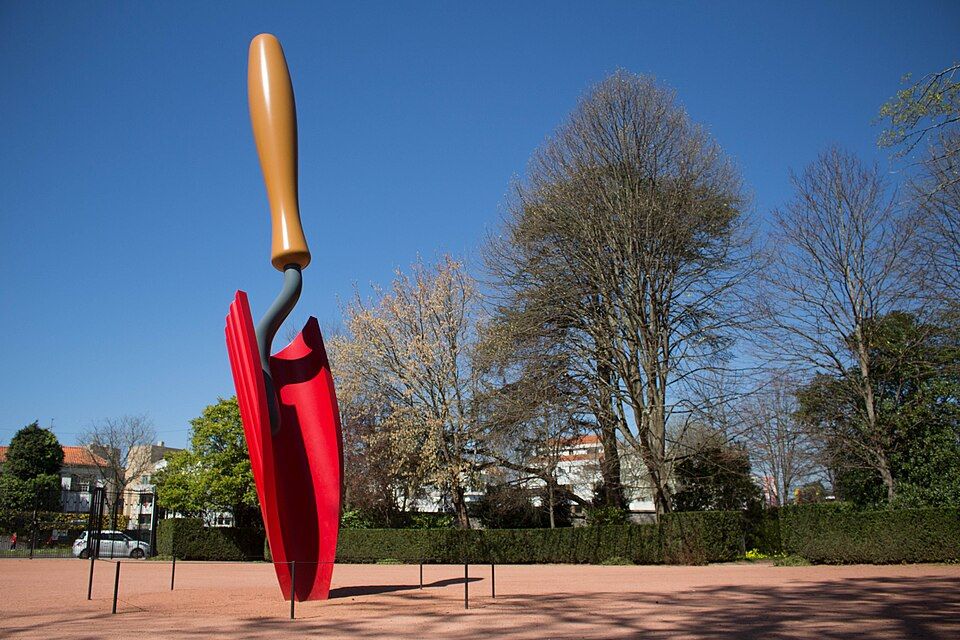
Here you can discover installations by some of the biggest names in international contemporary art. Around a bend in the grove, you'll come across the famous Giant Planter by Claes Oldenburg (1929-2022) and his wife Coosje van Bruggen (1942-2009), masters of monumental pop art; or a work by Richard Serra, known for his imposing, curving sculptures in corten steel.
Since 2019, a suspended wooden footbridge, the «Treetop Walk», has enabled enthusiasts who are not afraid of heights to walk through the canopy several metres above the ground, offering an unparalleled view of the estate.
A place for life and debate
Serralves is also a place for reflection. Conferences, festivals, screenings, concerts and educational programmes punctuate the year. Every spring, the «Night of the Museums» attracts thousands of visitors who take over the park until dawn.
In summer, the park is a welcome haven of coolness. It's a great place to stroll at the end of the day, when the golden light of Porto (the famous hora de ouro or golden hour) enhances the Villa's pink façades.
What strikes you as you drive through Serralves is the calm and serenity that reigns here, a bucolic interlude far from the crowds of the city centre. The contrast with the historic centre of Porto is striking. Where the Ribeira tells the story of its maritime and commercial past, the Foundation projects the city into the future. It is the beating heart of Portuguese modernity and embodies a Porto that is cultured, daring and in constant dialogue with the world.
Fundação Serralves
R. Dom João de Castro 210
4150-417 Porto
For more information
Portugal Tourist Office
3, Rue de Noisiel
75116 Paris
01 56 88 31 90
https://visitportugal.com/fr
Text : Brigitte Postel
Photos : As indicated