
Before being a list of «wellness rituals», Ayurveda in Kerala is a very concrete way of organising daily life. In many families, it simply guides the way you get up, eat, work and look after your health.
Table of Contents
The gurukula : Experiencing Ayurveda before practising it
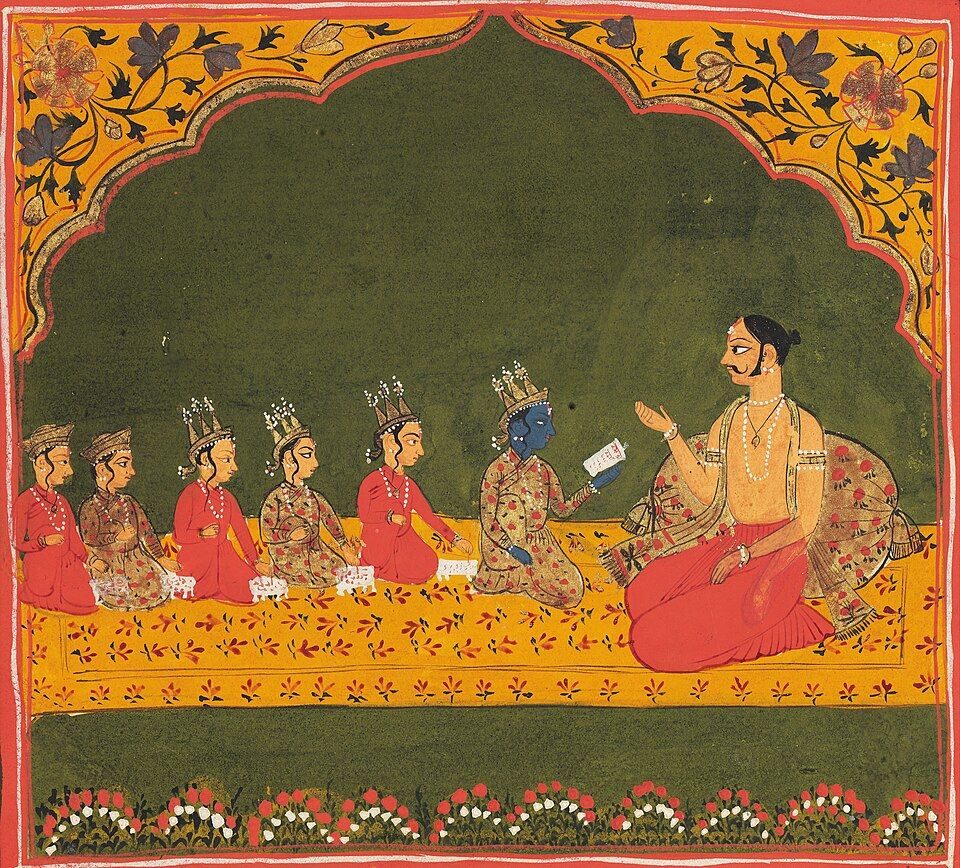
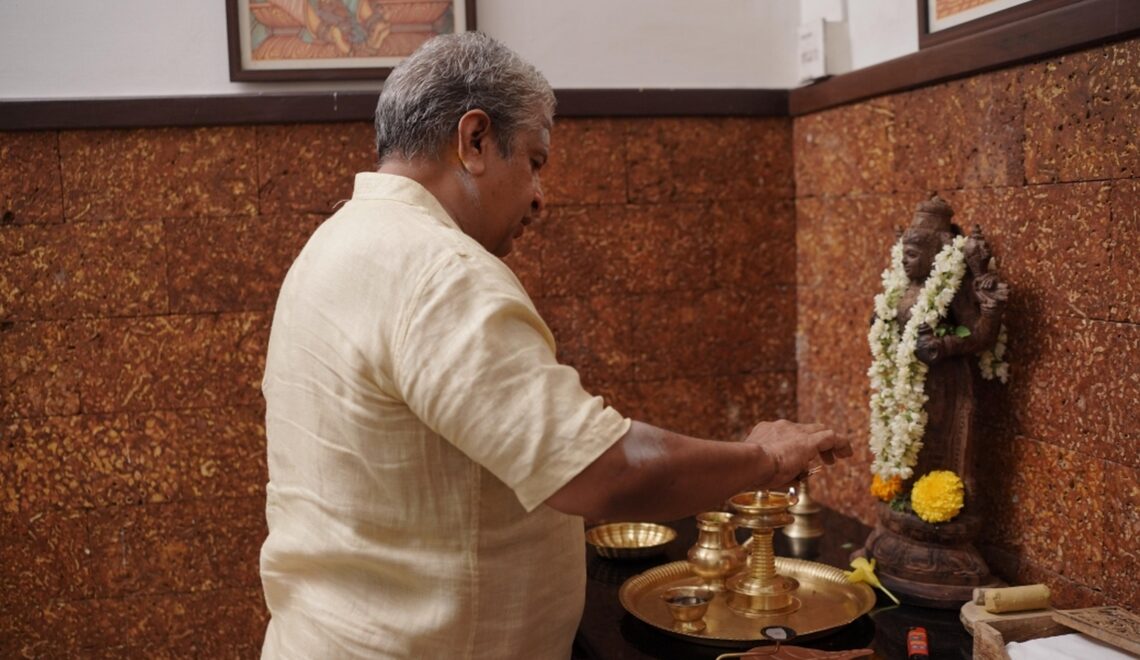
In the tradition of Ashtavaidyas, the great lineages of Ayurvedic doctors in Kerala, becoming an Ayurvedic doctor is not simply a matter of acquiring theoretical knowledge. For a long time, training involved an apprenticeship model called gurukula. The future Vaidya lived with his master, sharing his daily life and that of his family. The house itself became a living school where Ayurveda was passed on as much through experience as through study. This way of learning still exists, but it is no longer the norm in most modern training courses (1).
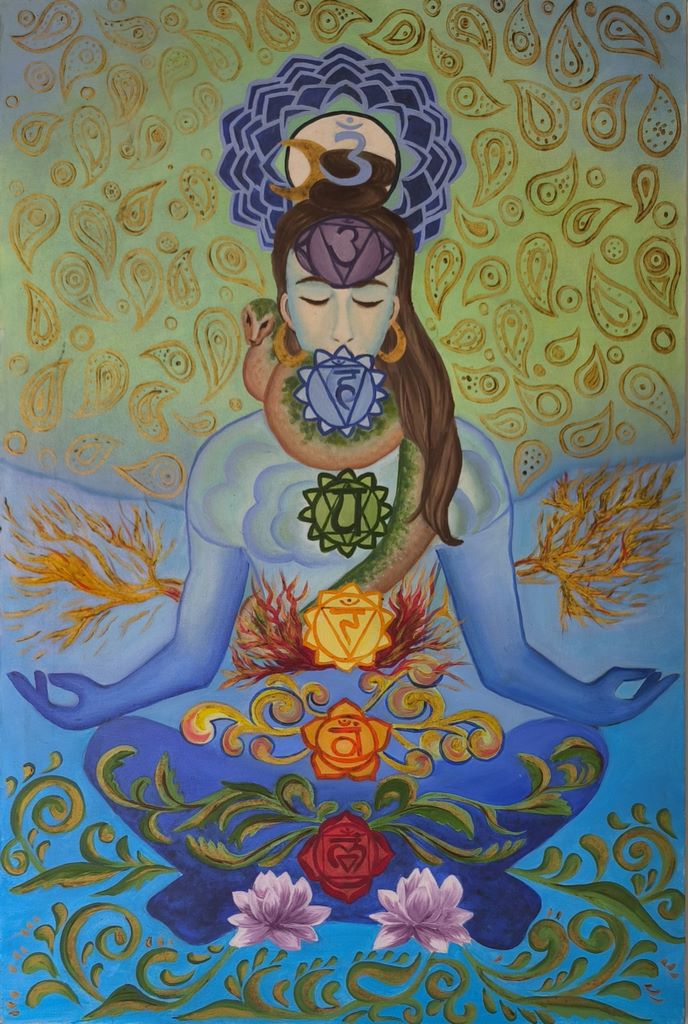
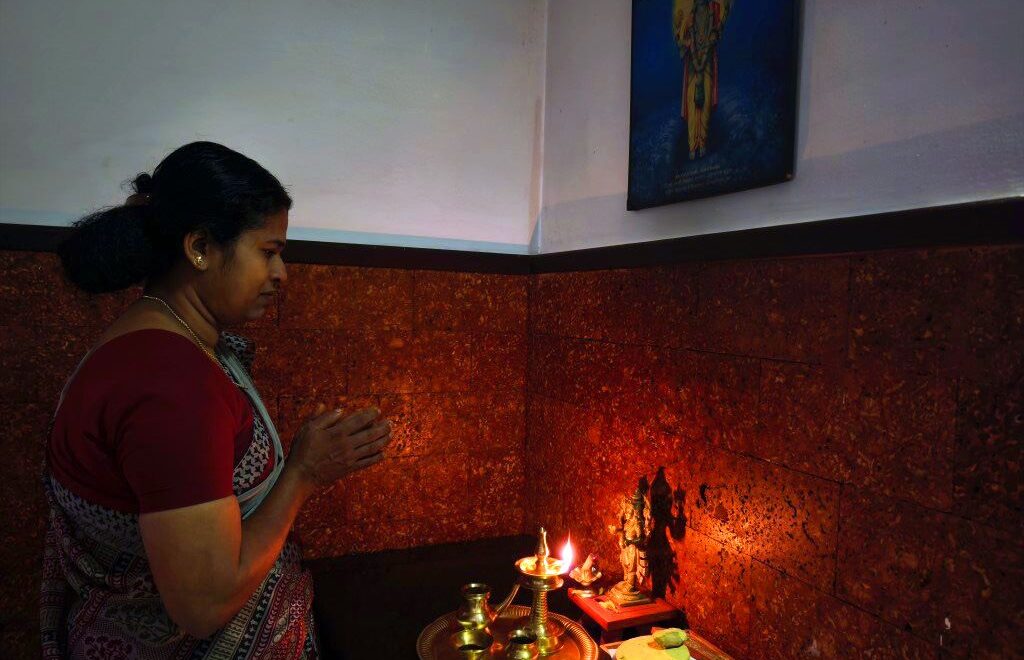
In this traditional model, daily life closely followed the principles of Ayurveda. The days began and ended in harmony with natural cycles, and the diet was adjusted to the seasons, the climate and the dosha (2) dominating the day. Moments of silence, recitation or spiritual practice punctuated the day, while body care was a natural part of the routine. Even before opening a practice, the apprentice doctor was already living what we would describe today as a true Ayurvedic lifestyle.
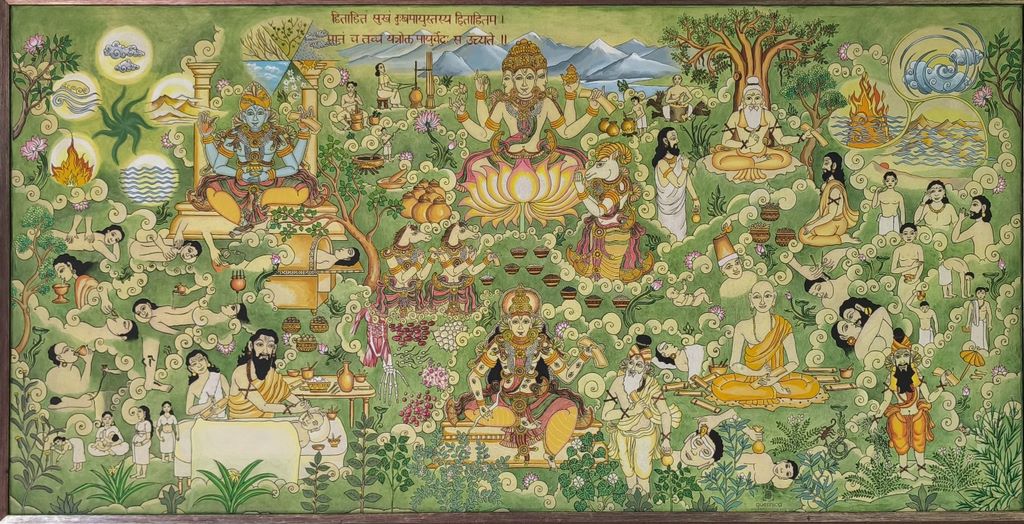
Photo: The chakras are like moving energy wheels that regulate the circulation of vital energy (prana) in the body.
Observing people... and the place where they live
This global approach was also reflected in the way the diagnosis was made. The Ashtavaidyas were not limited to observing a few symptoms. In traditional Ayurvedic medicine, the practitioner pays attention to the whole context in which the person is living. He observes the house, the light, the humidity and the quality of the air, but also the surrounding nature and the plants that grow around the house. Family habits, meal planning, sleep and work patterns, as well as stress levels and recurring emotions, are also part of the assessment.
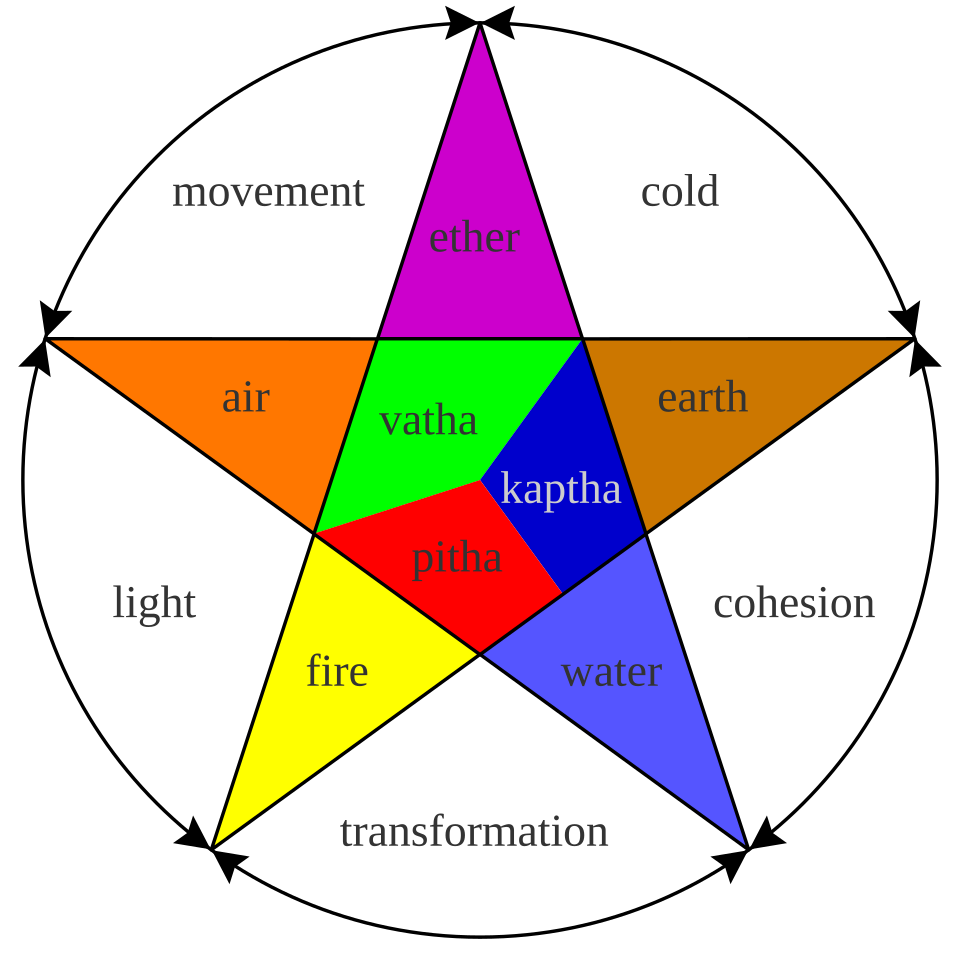
Health is not seen as something separate from daily life. It is woven into an environment, habits and rhythm of life. Caring for it therefore sometimes means adjusting this whole - the place where we live, our diet, rest and daily activities - in order to restore the balance of our doshas and allow the body to rediscover its own capacity for harmony.
Using what grows in your environment
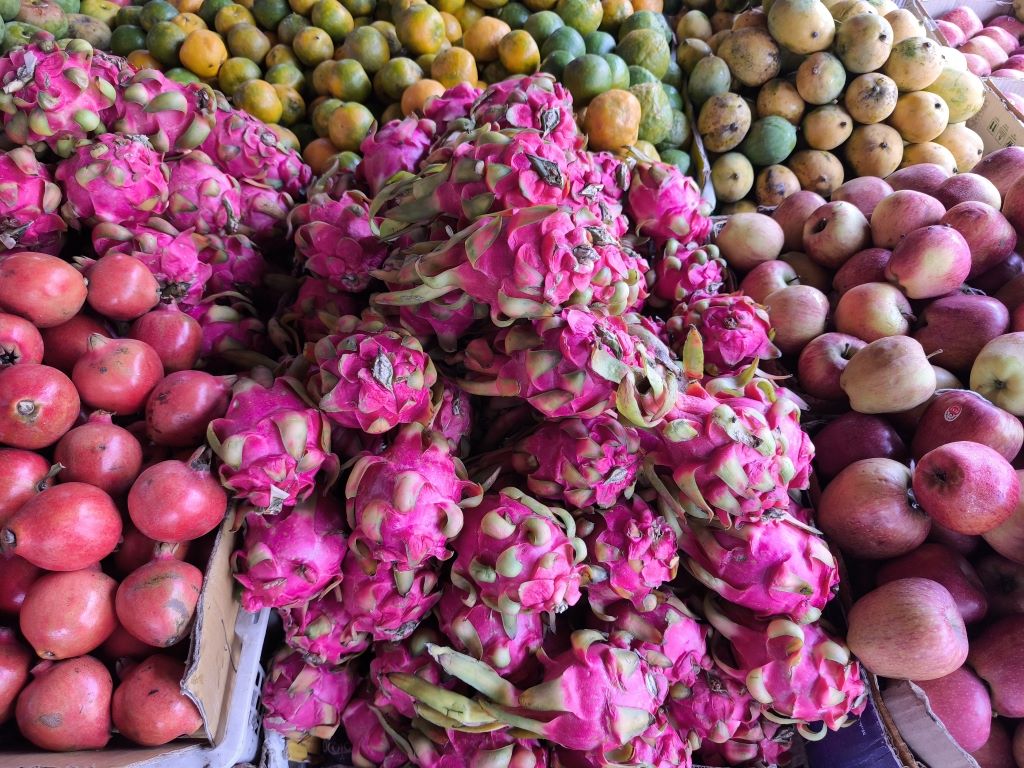
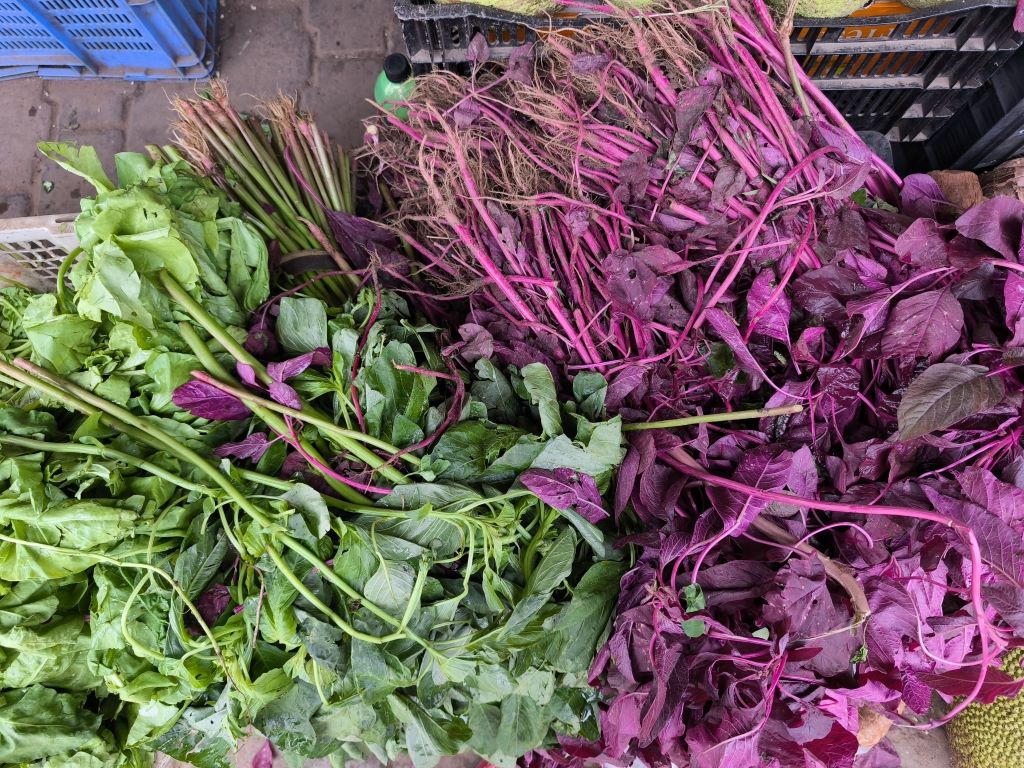
A strong characteristic of these Kerala Ayurvedic doctors is their ability to treat with what is available locally. This proximity to the environment makes treatments both practical and accessible. Medicinal preparations are often made from plants that families know and find around them.
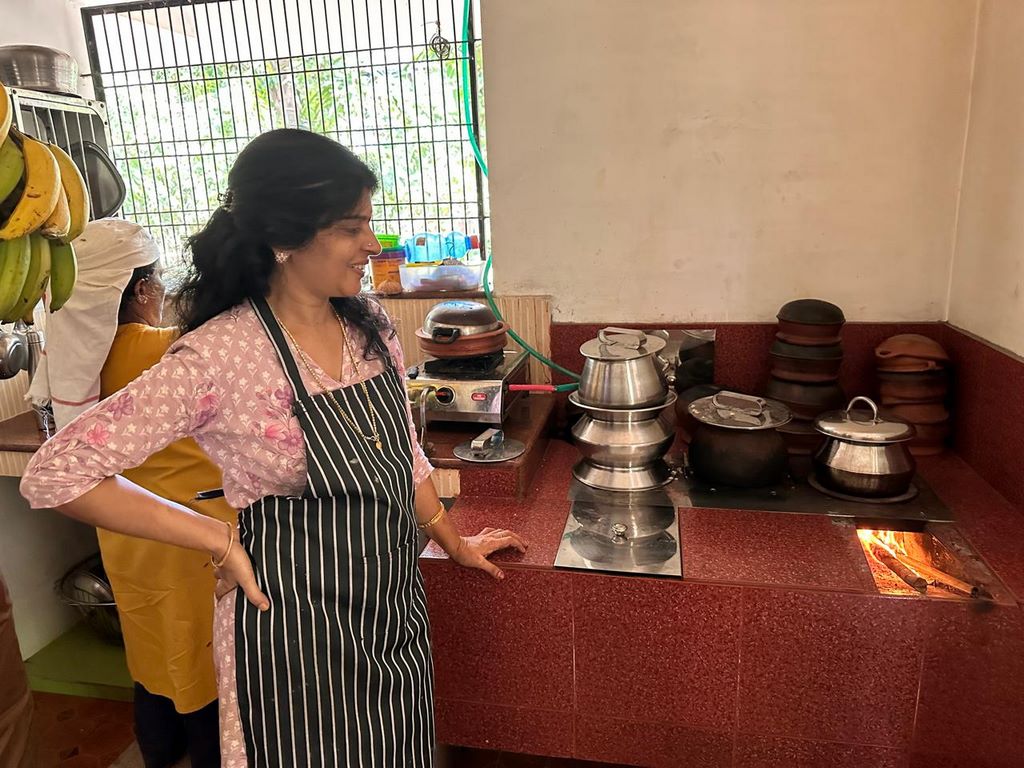
Cooking becomes a genuine therapeutic tool. Spices, cooking methods and food combinations help to balance the doshas and are an integral part of the treatment.
This way of practising Ayurveda produces solutions that are both simple and sustainable, because they fit naturally into people's lifestyles.
Long before there was any talk of personalised medicine or an ecological approach to health, these doctors had already understood that a protocol is only really effective if it can be integrated into the day-to-day reality of the person following it.
Daily routine as the first treatment: Dinacharya
In the Ayurvedic vision of Ashtavaidyas, the daily routine - the Dinacharya - is a veritable backbone of health. Even before using complex medicinal preparations, doctors begin by adjusting the fundamental rhythms of life.
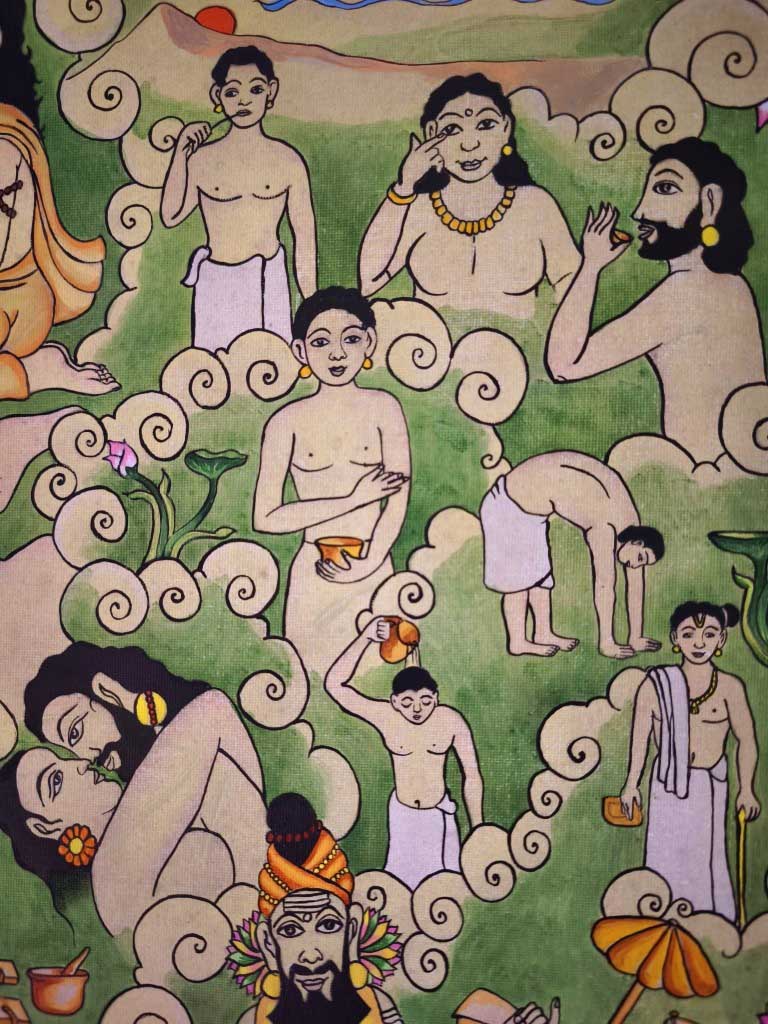
In particular, attention is paid to the time at which we get up and go to bed, in order to align the body with its natural cycles. The timing and composition of meals are also adapted, as is the quality of sleep, considered to be one of the pillars of vitality.
The day often begins with simple gestures to purify the body (cleaning the mouth and tongue, caring for the nose, eyes or skin), which are part of traditional daily hygiene. This can be complemented by simple breathing or centring practices, chosen according to the individual's constitution.
Through the Dinacharya, Ayurveda acts firstly by stabilising the body’s internal balance. The regularity of gestures and rhythms naturally supports the balance of the doshas and reinforces the effectiveness of other treatments. The routine itself becomes a treatment in its own right.
From the Vaidyas to your own Dinacharya
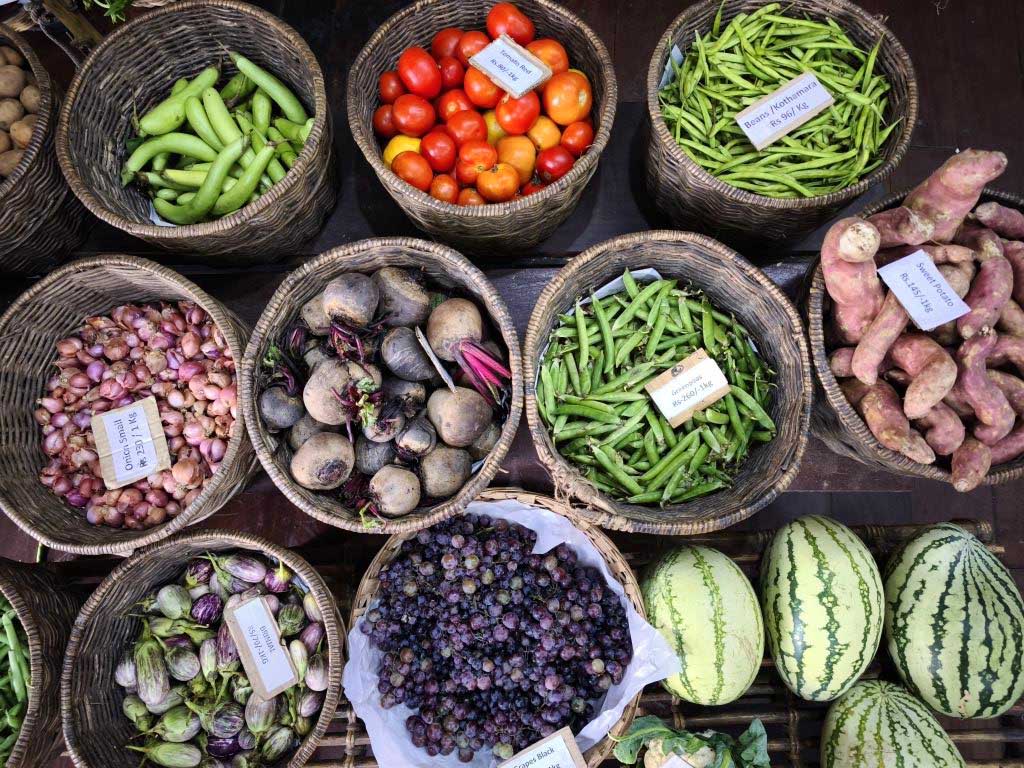
What is particularly inspiring about the tradition of Ashtavaidyas, it's the intelligence of everyday life: starting from where you are, from what's already available, and gradually transforming your lifestyle.
This is the same philosophy that inspired the design of the Dinacharya proposed by Anne Vanackère (3). Designed to fit in with the rhythms of contemporary life, this programme is designed to establish a simple, realistic Ayurvedic routine. The approach invites us to use what is already present in our daily environment - the kitchen, the bathroom, the home - as a veritable «Ayurvedic pharmacy». It also provides guidelines for transforming the key moments of the day, from morning to night, into opportunities for regeneration and balance.
The Vaidyas of Kerala used to go into the homes of local people and treat them with the plants and resources of their immediate environment. This wisdom is still relevant today: even far from India, it is possible to draw inspiration from it and make everyday life a genuine ally of health.
Text : Anne Vanackère
Photos : Brigitte Postel
1 - Since the XXᵉ century, India has set up a standardised university training for Āyurveda. The main diploma is the BAMS (Bachelor of Ayurvedic Medicine and Surgery). However, in some traditional lineages, particularly in Kerala, direct transmission between master and disciple still exists. After their university training, some young doctors choose to spend more time training with a Vaidya to deepen the clinical approach and practical knowledge of remedies.
2 - The doshas are three fundamental types of energy (Vata, Pitta and Kapha) that describe the way in which the body and mind function in each person.
For more information
3 - Anne Vanackère
MD Vedic Psychology | Senior Ayurveda Consultant
www.ayurvedamodernexperience.in
info.awakemyenergy@gmail.com
www.awakemyenergy.com
+ 33 (0)6 30 34 53 28
+ 91 (0)92078 42992