
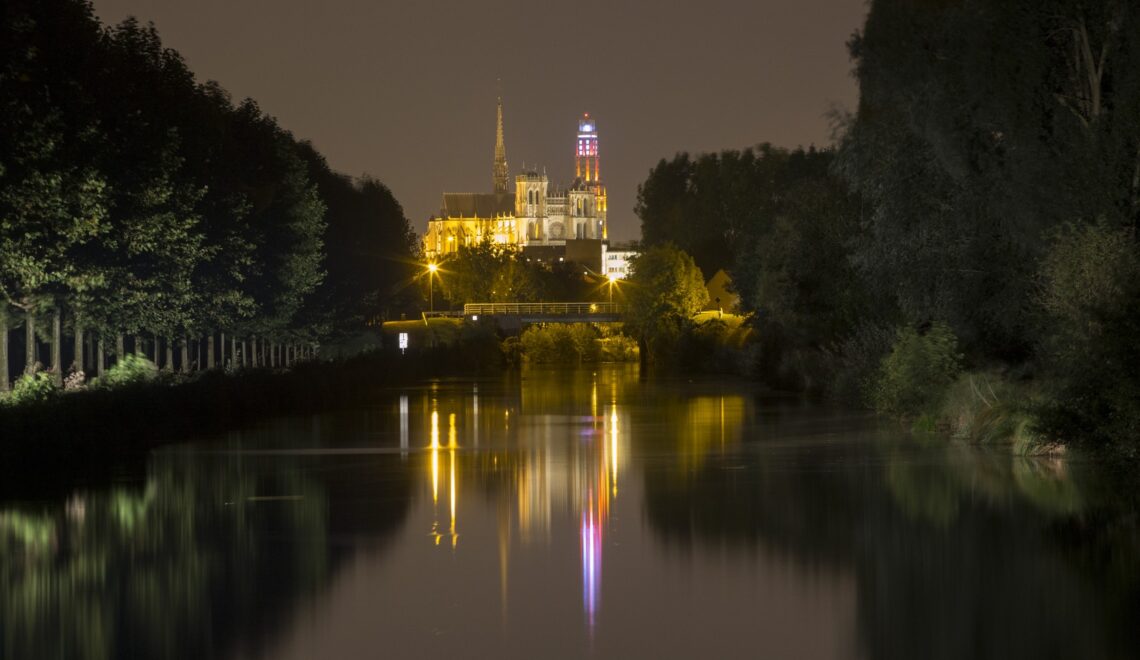
There are several Amiens. The one of stone, monumental, dominated by Notre-Dame. The one of water, secret and silent, which winds its way through the hortillonnage gardens. The one of painters and collectors, sheltered behind the façades of the Musée de Picardie. And then there is the Amiens of Jules Verne, who chose this tranquil city as the setting for his dreams of the world. Four facets for a stroll through nearly two thousand years of history.
Table of Contents
Notre-Dame, the great stone cathedral
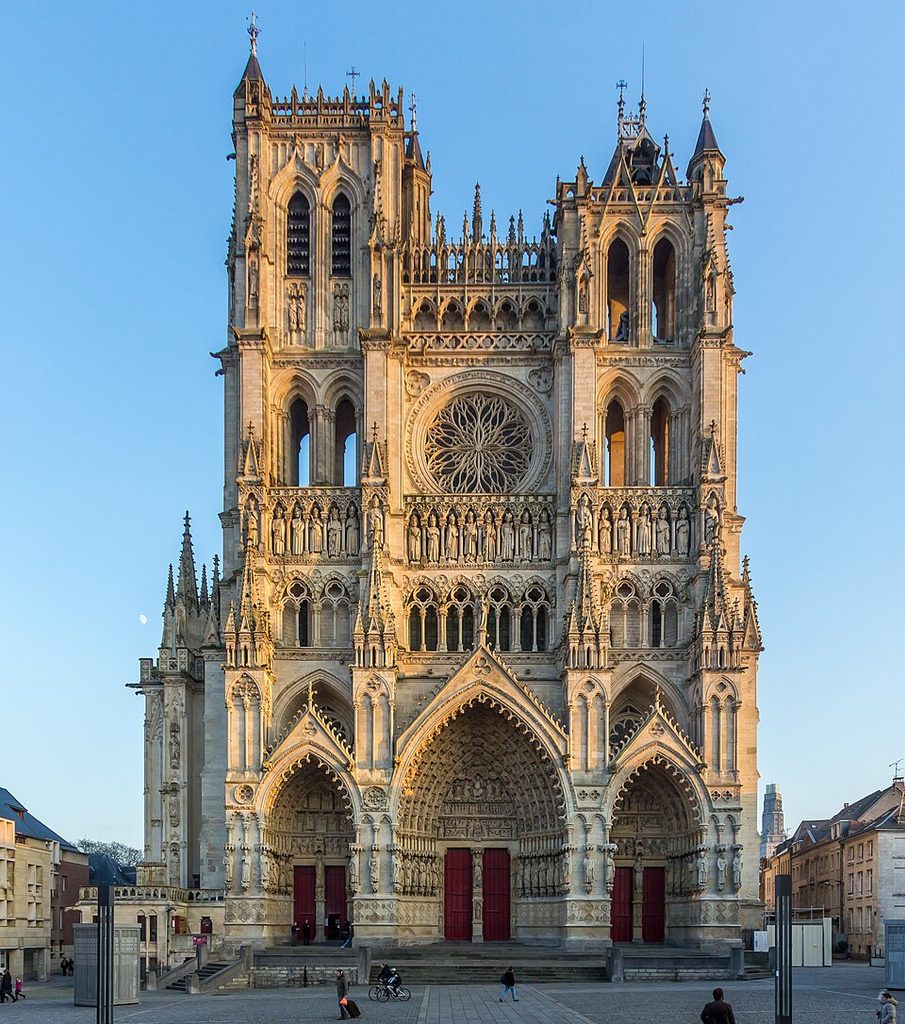
You can see it even before you reach it. A spire rising above the rooftops, then two towers, and suddenly the entire façade. Notre-Dame of Amiens It possesses that quality found in truly great monuments: the figures, however impressive they may be, do not tell the whole story. You have to stand before it, look up, and let your gaze wander amongst the multitude of prophets, apostles, saints and kings that adorn its portals.
Built mainly in the 13th century, the cathedral served as a symbol of the power of a city enriched by trade, particularly that of the waide, a dye plant from which a highly sought-after blue dye was extracted. But prosperity alone does not explain the enterprise. It was also necessary to build a shrine worthy of a precious relic: the head of Saint John the Baptist – in other words, part of his skull – brought from Constantinople to Amiens in 1206 by the Picard canon Wallon de Sarton.
© Raymond Spekking/Commons.
When the stone seems to lose its weight
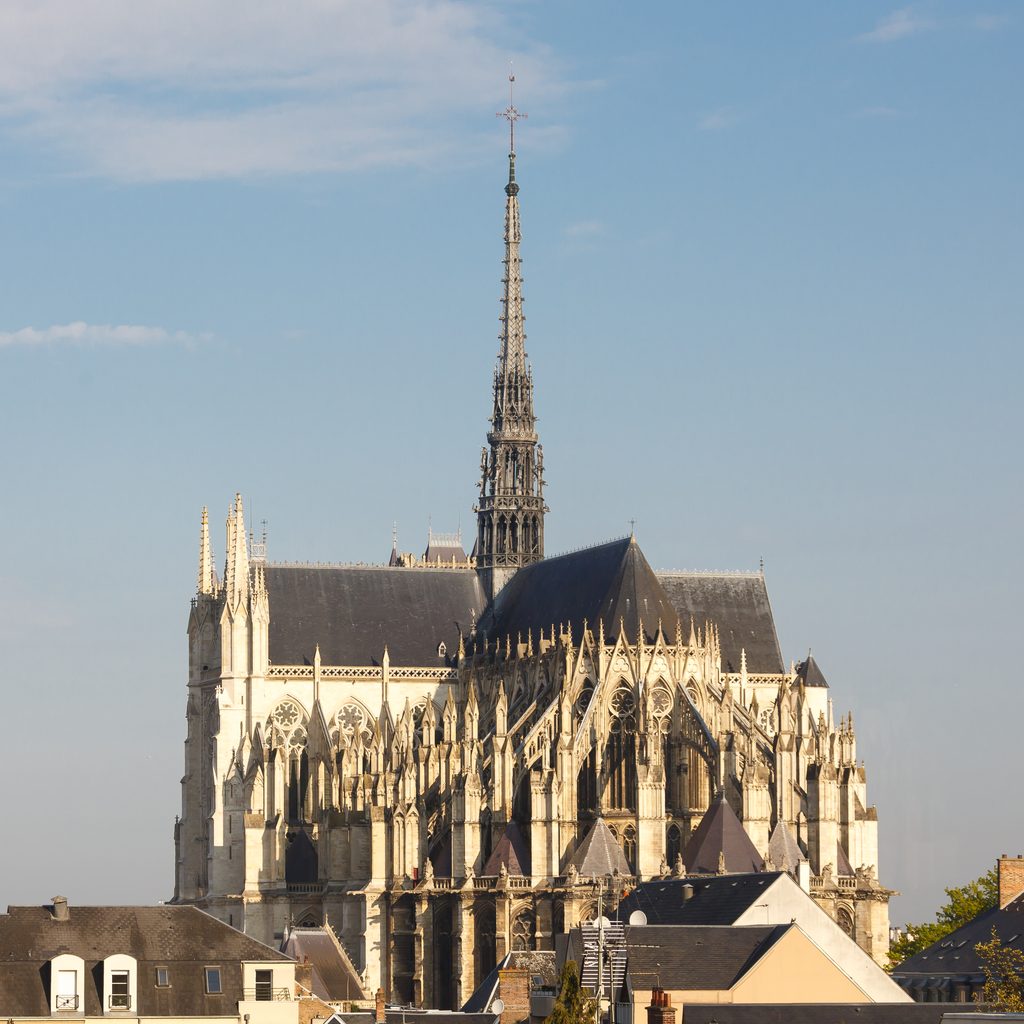
The year is 1218. A fire ravages the old cathedral. Two years later, the adventure begins. The first master builder’s name is Robert de Luzarches. Thomas de Cormont is succeeded by him, and then by his son Renaud de Cormont. These men were to take part in one of the most daring architectural ventures of their century.
The challenge is immense: to build ever higher whilst ensuring the building is flooded with light. To achieve this, the architects drew on the techniques of Gothic architecture: pointed arches, ribbed vaults and flying buttresses distribute the forces and help to lighten the walls. The stone seems to lose its weight.
As soon as you enter, your gaze is drawn upwards. The vaults rise to a height of 42 metres. And yet, nothing feels overwhelming. The pillars draw the eye upwards, the stained-glass windows let in the light, and the vertical lines seem to draw the entire monument towards the sky. This is the Gothic paradox: building with tonnes of stone whilst creating an impression of almost immaterial lightness.
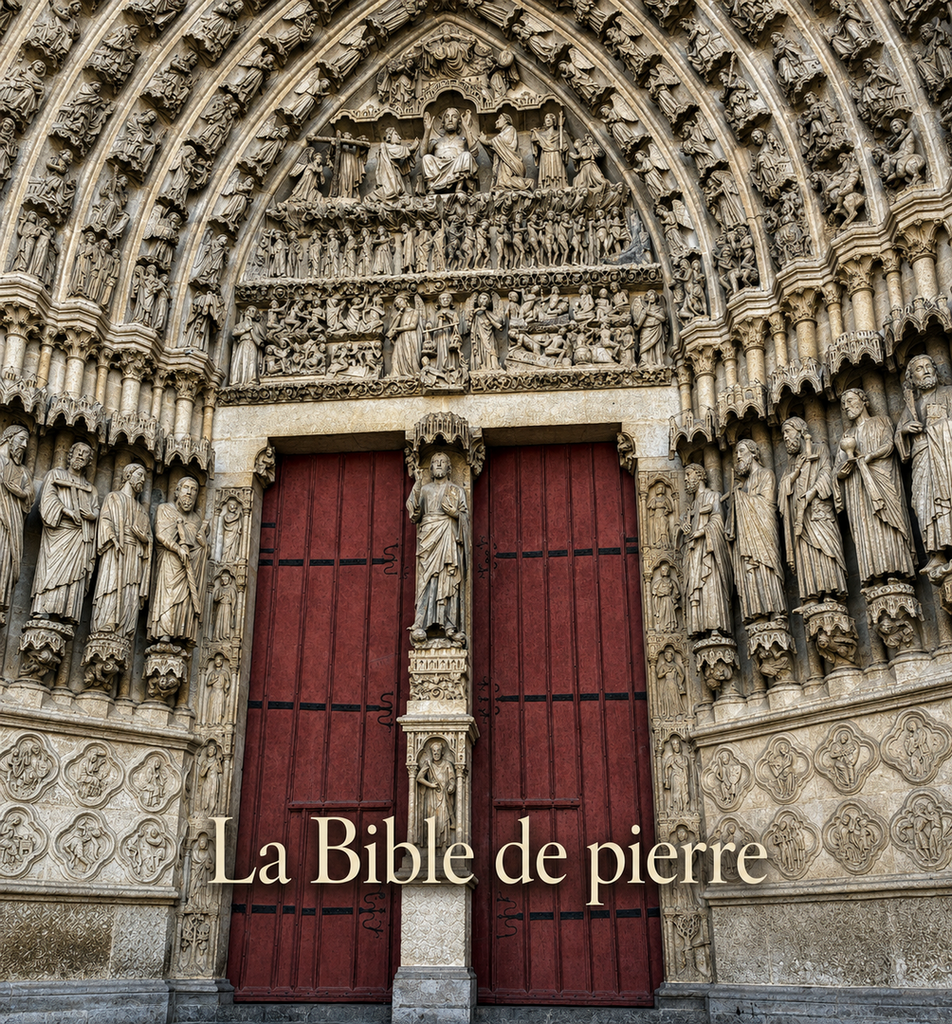
Let us approach the portals. Hundreds of figures gaze upon us. Prophets, apostles, saints, angels, kings: the whole of humanity, carved in stone, has gathered on the western façade. In the 13th century, many of those who came here could not read. So the cathedral told the story. It was a book, a theatre, a narrative of sacred history.
And above all, it wasn’t grey. The sculptures were painted – in red, blue and gold. Just imagine the crowd on the forecourt, the market traders, the pilgrims, the sound of the bells, the smells, the colours. Notre-Dame was the beating heart of the city.
From Ruskin to Proust: Reading the Cathedral
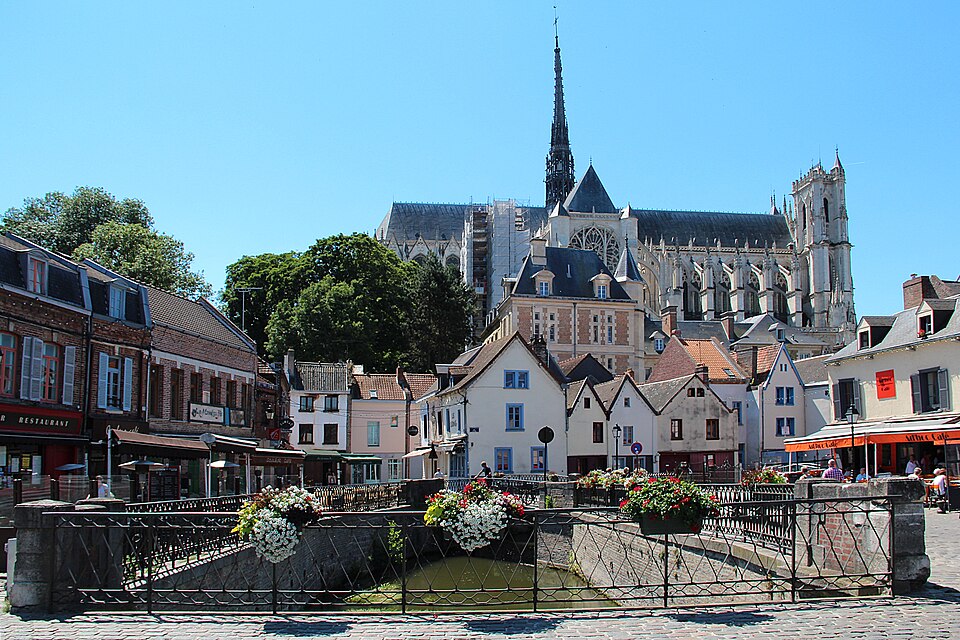
In the 19th century, John Ruskin, one of the leading art critics of Victorian England and a passionate enthusiast of Gothic architecture, discovered Amiens and became so fascinated by its cathedral that he devoted a book to it: The Bible of Amiens, The Amiens Bible. The title sums up his perspective. For Ruskin, Notre-Dame is a text. Every statue has a meaning, every figure belongs to a story, every detail is worth deciphering. But Ruskin also understands one essential thing: a monument begins before the monument itself. To discover Notre-Dame, he invites us to step back, to cross the city, to cross the water, to view the cathedral within its landscape before returning to it via the narrow streets.
A few years later, another man followed in Ruskin’s footsteps. He was French, in his thirties, and had not yet written anything In Search of Lost Time. His name is Marcel Proust.
Proust had a deep admiration for Ruskin and set about translating The Amiens Bible. But translating Ruskin is not enough: one must go and see for oneself. So Proust comes to Amiens. Let us imagine him standing before the gateway, Ruskin’s book in his hand. He is looking for a statue, looks up, rereads a sentence, compares. The man who would soon devote his life’s work to exploring memory, sensations and time learnt here to observe the traces left by the centuries. In 1904, his translation of The Amiens Bible, accompanied by a long preface and numerous notes.
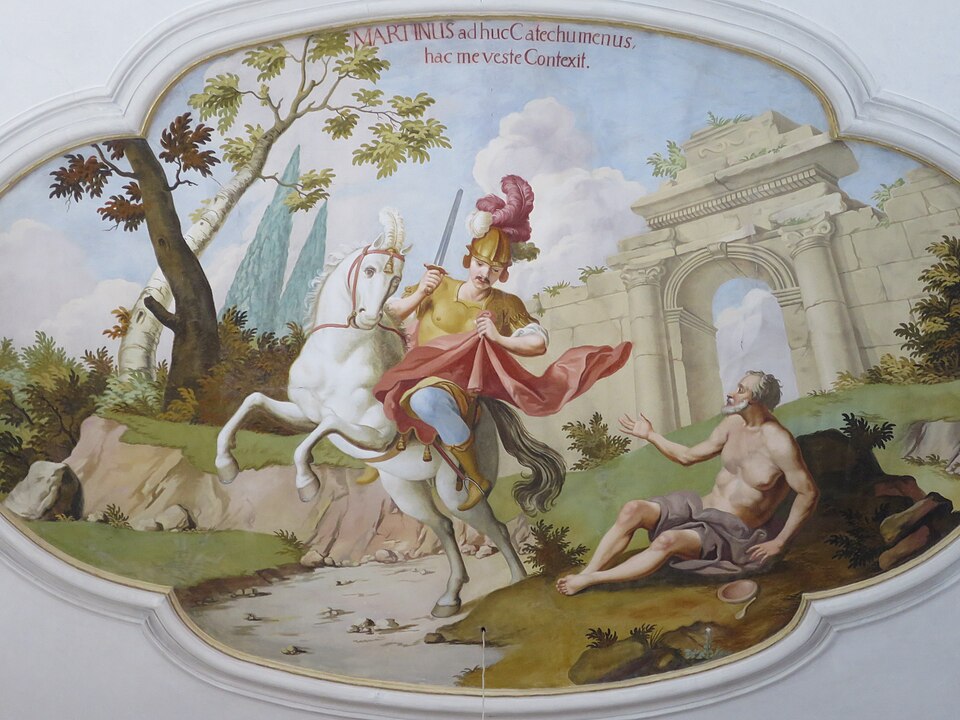
However, one of the oldest Christian stories associated with Amiens did not take place in a church. We have to go back to the 4th century, probably during the winter of 337. The town was still called Ambianorum. A young Roman soldier named Martin At the city gates, he came across a poor man shivering with cold. Having nothing else to give him, he drew his sword, cut his cloak in two and offered him one half. The gesture lasted only a few seconds. Yet it would endure through the centuries. Martin would go on to become Bishop of Tours and one of the West’s most popular saints. Yet Amiens can claim to be the starting point of this extraordinary destiny: one winter’s evening, a soldier and a shared cloak. Nearly nine centuries later, Notre-Dame would rise towards the heavens.
In Amiens, the grand narrative of Christianity is thus encapsulated in two images: the humility of a piece of cloth and the grandeur of a cathedral.
The Hortillonnages: a town on the water
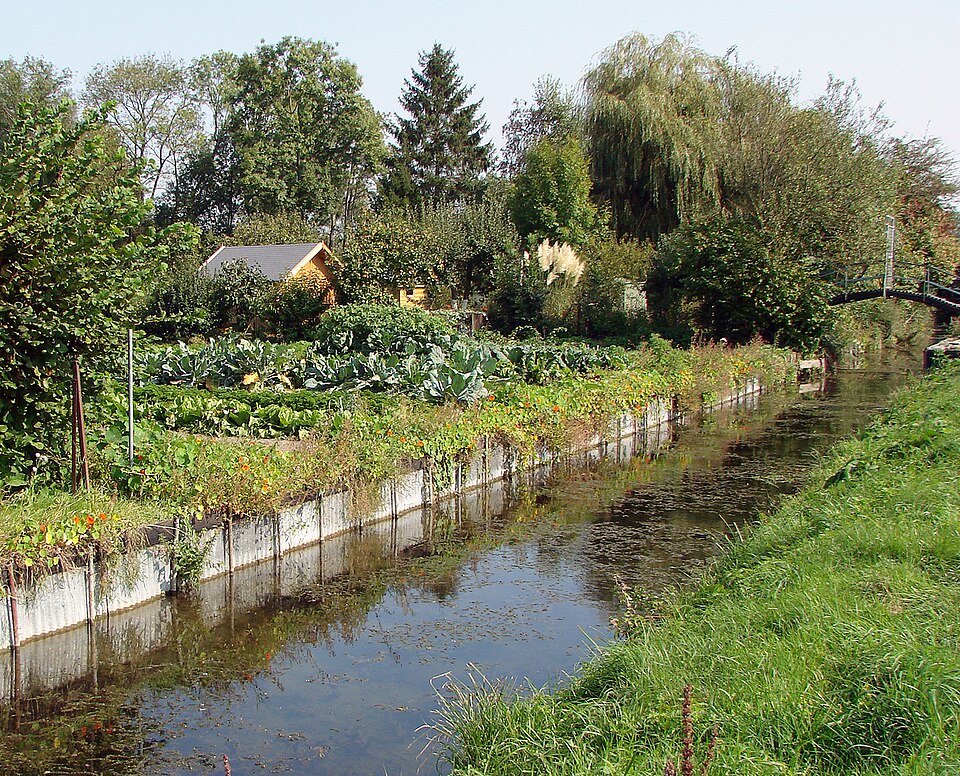
In this region of the Somme, water is not an intruder lurking at the bottom of ravines; it is the undisputed queen, a liquid beast with a thousand silent arms that encircles the town and creates a suspended countryside.
The Hortillonnages. The word itself evokes the scent of rich soil, heavy silt and lush greenery. Across several hundred hectares, an extraordinary network of canals – the ‘rieux’ – divides the land into hundreds of plots. For centuries, the hortillons cultivated vegetables, fruit and flowers there for the markets of Amiens.
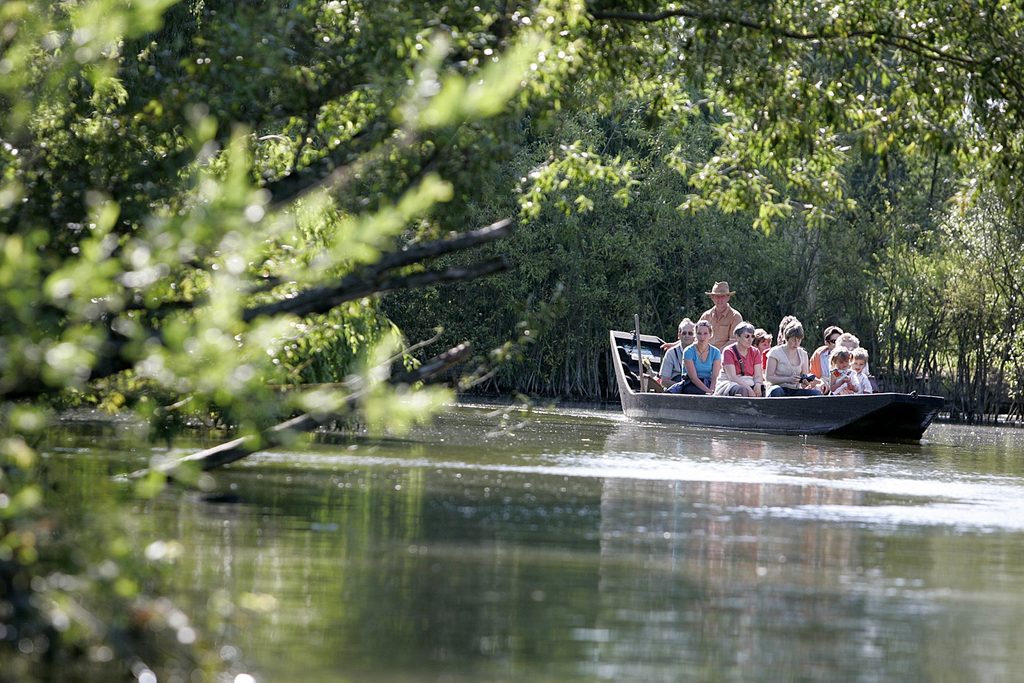
As soon as the propeller begins to whir, the world of men fades away. The town vanishes behind a curtain of weeping willows, their branches hanging like the hair of wild maidens. The canal narrows, becoming a «rieu», a narrow vein through which flows the green blood of this Venice of mud and flowers.
Here, the earth is not solid; it is alive, spongy, kneaded by generations of market gardeners with broken backs. These men have dug up the mud from the bottom of the ditches to create islands, altars of black earth where life is cultivated. A powerful scent rises from the banks: the fragrance of crushed wild mint, rotting reeds and fertile silt fermenting beneath the pale sun. It is the scent of genesis, the very fragrance of the creation of the world.
To the right, a patch of land stretches out, laden with plump cabbages with bluish leaves, leeks as proud as halberds, and curly lettuces drinking in the dew to their hearts’ content. Here, nature is not tamed; it is an ally. It grows with a quiet fury. The trees – alders, hazel trees, aspen poplars – stand guard. The wind sweeps through their foliage with the sound of distant waves, a murmur of a heavenly river.
Suddenly, a large grey heron shot out of a thicket of reeds. It rose unhurriedly, heavy and majestic, like a grey thought crossing a peaceful mind. The lapping of the water against the side of the boat marks the passage of time. A long, rural passage of time that pays no heed to man’s clocks.
The sun finally breaks through the mist. Its light does not burst forth, but rather permeates the air. It lends the water lilies a porcelain sheen and makes the water droplets sparkle like poor man’s diamonds. We come across a hut made of tarred planks, nestled beneath a black elder tree. One can imagine that here, a man might live happily with next to nothing: a basket of vegetables, the song of a reed warbler and the certainty that the water will continue to flow.
The canals criss-cross and branch out, forming a labyrinth of peace where the soul loses itself only to find itself again. It is a land of water and foliage, a realm of stillness in motion where solitude is never isolation, but a secret communion with the lifeblood of the world.
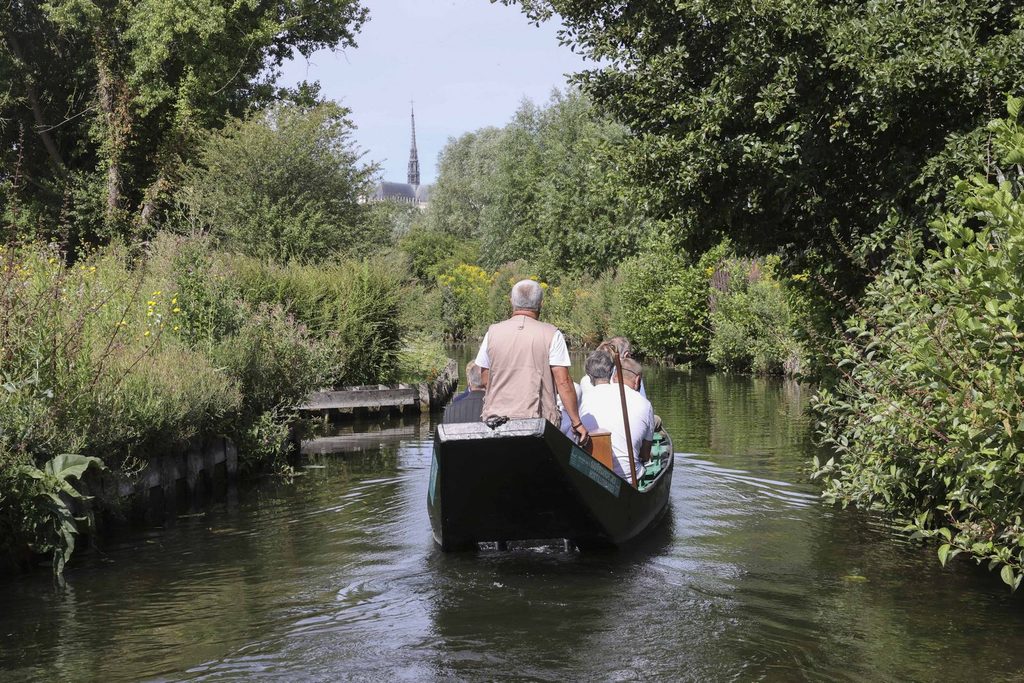
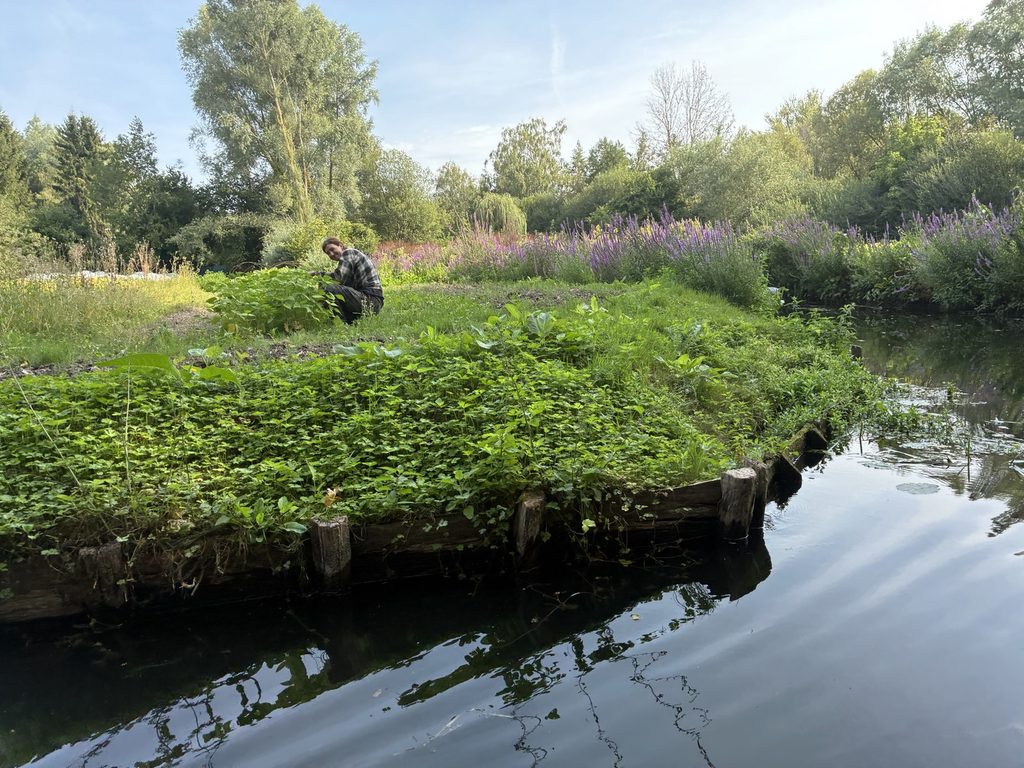
The boat moves slowly between the two banks. Willow trees lean over the canals, footbridges span the water, and a few houses appear behind the foliage. The noise of the city fades away. And suddenly, between two curtains of trees, the cathedral’s spire reappears. It is perhaps one of the most beautiful sights in Amiens: Notre-Dame seen from the floating gardens. Stone and water, which one might have thought belonged to two different cities, come together in the same landscape.
Following on from the soaring architecture of Notre-Dame and the tranquil greenery of the hortillonnages, the museum offers a third way of experiencing Amiens: through images.
The Picardy Museum: a palace for art
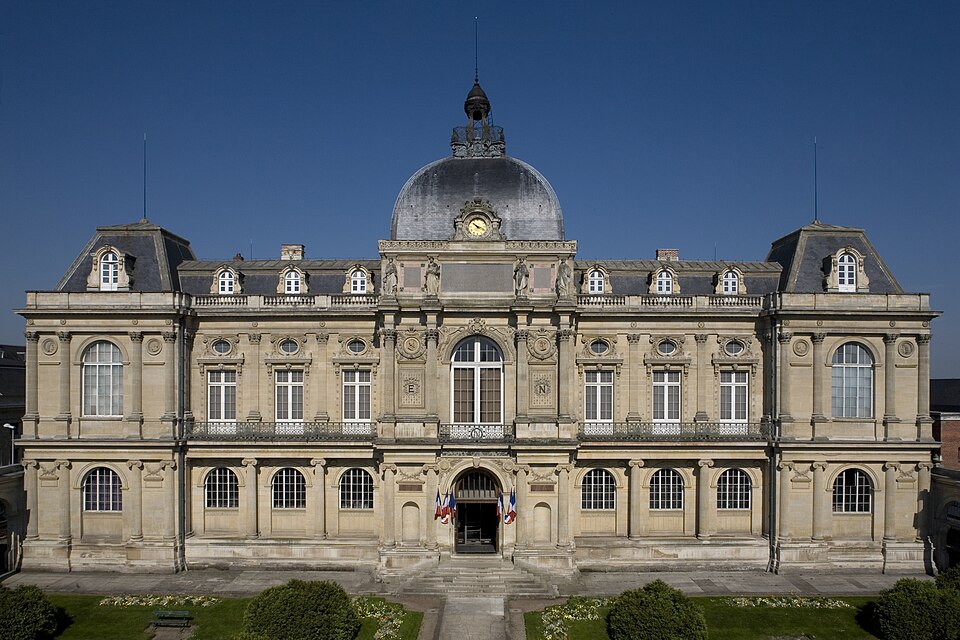
Just a few streets further on and we’re back in a different century. The Picardy Museum is very much a product of the 19th century. At that time, France believed in the virtues of knowledge. People collected, classified and catalogued. Archaeology became a science. Museums were expected to play a part in the education of the citizenry. Amiens wanted its own. But not just any museum. A grand building was constructed. The staircase, the galleries, the décor: everything serves as a reminder that art here was intended to impress as much as to educate. Then the centuries began to pass. Archaeology takes us back to Samarobriva, the name of the city of Amiens in Gallo-Roman times.
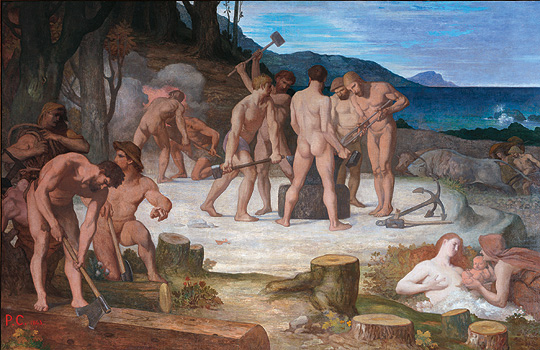
The medieval collections complement the cathedral. The paintings transport us to other eras.
And soon one artist began to stand out: Pierre Puvis de Chavannes (1824–1898) belongs to that generation which still believed in monumental painting. At the Musée de Picardie, his large-scale compositions are not viewed simply as paintings hung on a wall. They form an integral part of the building. And suddenly a parallel emerges. In the morning, on the façade of Notre-Dame, 13th-century sculptors told the story of a civilisation in stone. Six centuries later, Puvis de Chavannes, in turn, attempted to convey something of humanity and civilisation on the walls of a museum. Techniques change. The ambition remains the same: to make the walls speak.
Jules Verne, Amiens as his home port
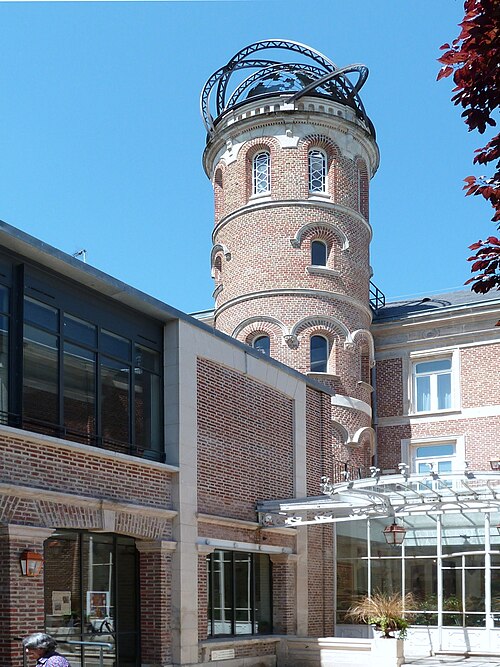
A strange tower awaits us on Rue Charles-Dubois. It is crowned by an armillary sphere. Here we are at Jules Verne (1828–1905). The writer lived in this house from 1882 to 1900. And one is immediately struck by a delightful paradox. The man who sent his heroes to the centre of the Earth, beneath the oceans, around the world and to the Moon lived here in a comfortable middle-class home. The journey lay elsewhere. In books. On maps. In the imagination. Verne worked tirelessly. He read newspapers and scientific journals, kept up with inventions, and was fascinated by exploration. His era provided him with extraordinary material. Railways sped up travel. Ocean liners crossed the seas. The telegraph sped up the flow of information. Maps were becoming increasingly detailed. The world seemed to be getting smaller at the very moment it was offering infinite possibilities. Jules Verne transformed this revolution into literature. He simply added to the knowledge of his time a machine that no one could patent: the imagination.
© Pierre André LeclercqCommons.
But Jules Verne was not merely the creator of Captain Nemo. In 1888, he became a city councillor in Amiens. The writer played an active part in the life of the city. In the morning, he might imagine the far reaches of the world; a few hours later, he would be dealing with the affairs of Amiens. He belonged to both worlds: the real and the imaginary; Amiens and the planet. That is why his house is much more than just a literary museum. It helps us understand how a man living in a peaceful provincial town was able to make the entire universe his domain.
A gourmet tour of Amiens
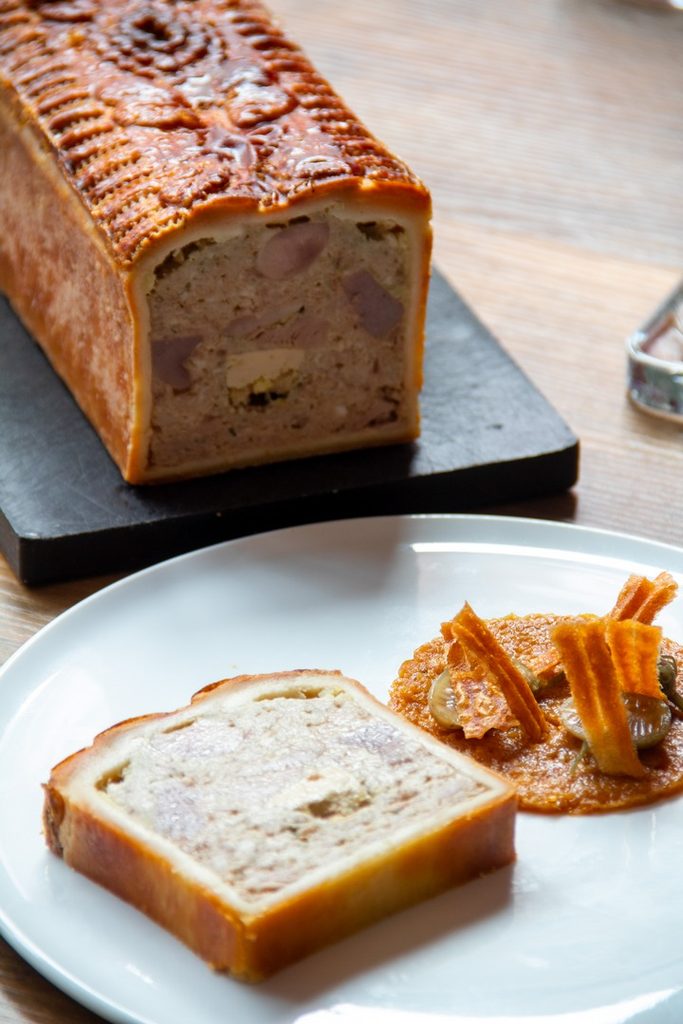
© Caroline Mareschal/ Amiens Tourism
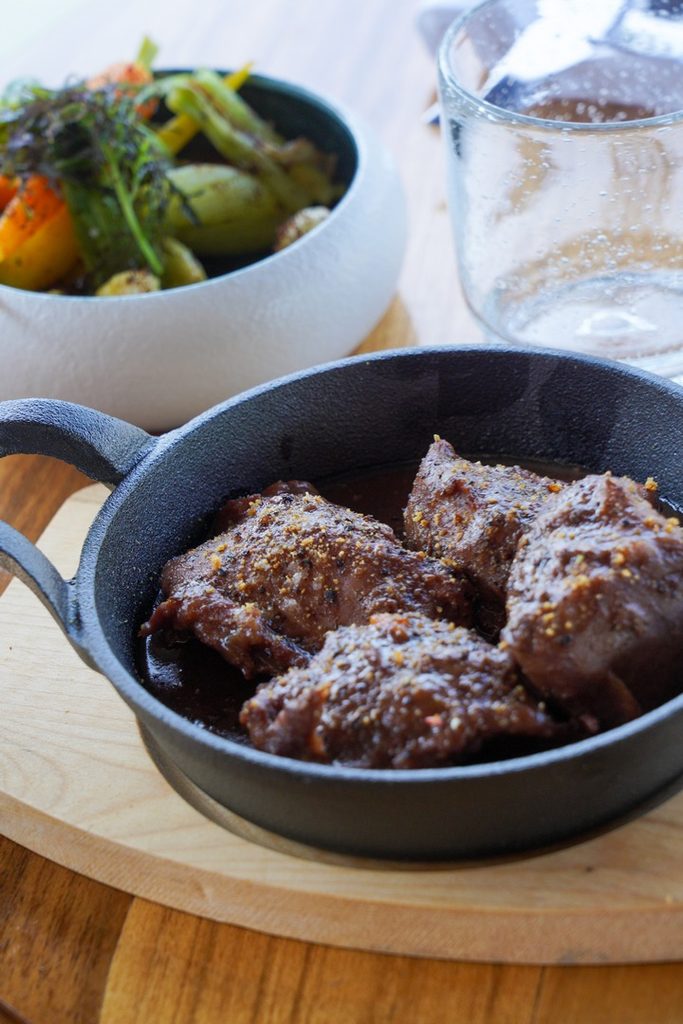
© Caroline Mareschal/ Amiens Tourism
© Caroline Mareschal/ Amiens Tourism
Tie your napkins, open your hearts wide and get your forks out! We’re off on a gourmet adventure to Amiens, a land where the soil is black with happiness and the water in the canals whispers culinary secrets. A trip with friends, all about sharing and beaming faces! With our noses in the air, we’re stepping into the heart of the Picardy region!
In the morning: The market gardeners’ morning routine and the crumbly brioche
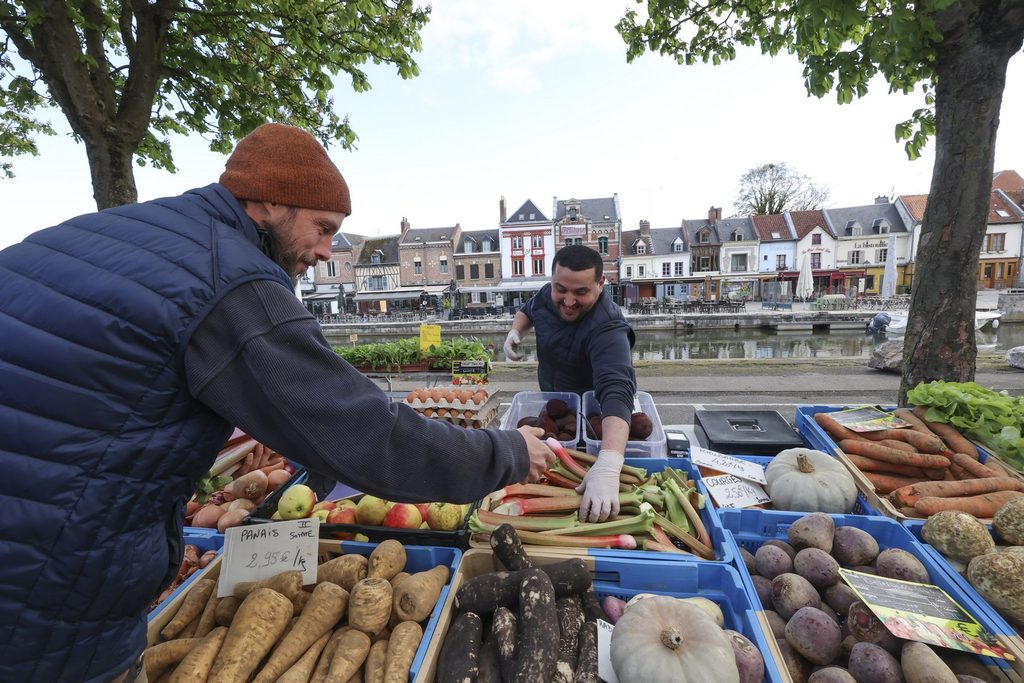
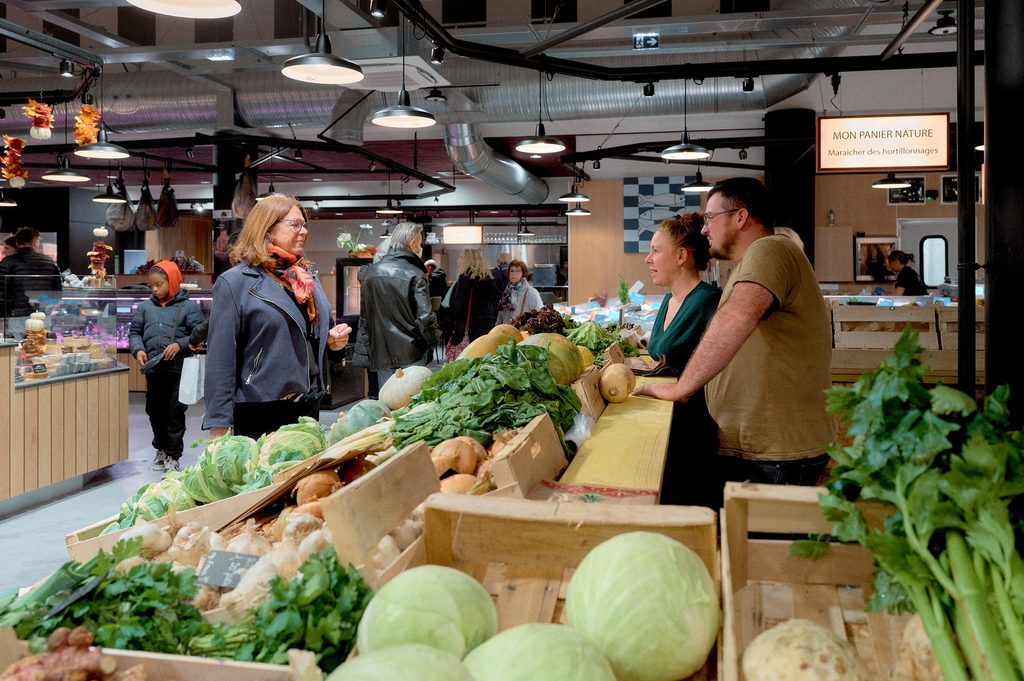
Dawn breaks over Saint-Leu, as the sun tries to pierce the mist. We stand on the cobblestones, our eyes turned towards the Hortillonnages, that aquatic paradise where market gardeners whisper in the ears of leeks. We head to the Marché sur l’eau. Despite its name, the stalls are set up today on Place Parmentier, on the banks of the Somme. They keep alive the memory of the hortillons who once arrived by boat, laden with the harvests from their gardens. Just look at those crates of fresh carrots, those plump cabbages still glistening with dew! This is the very heartbeat of Picardy.
And then, to recharge our batteries, we pop round to the artisans – the real ones – at the Fréville House. We’ve got our hands on the local holy grail: the Gâteau Battu. Just look at this beauty! A gendarme’s cap, golden like a summer’s sun, bursting with love, fresh eggs and good farm butter. You tear into it with both hands, no fuss! The crumb is light and airy; it melts on the tongue like a kiss. It’s morning bliss – pure, simple bliss.
Lunch: a banquet with friends and ‘singing’ cream
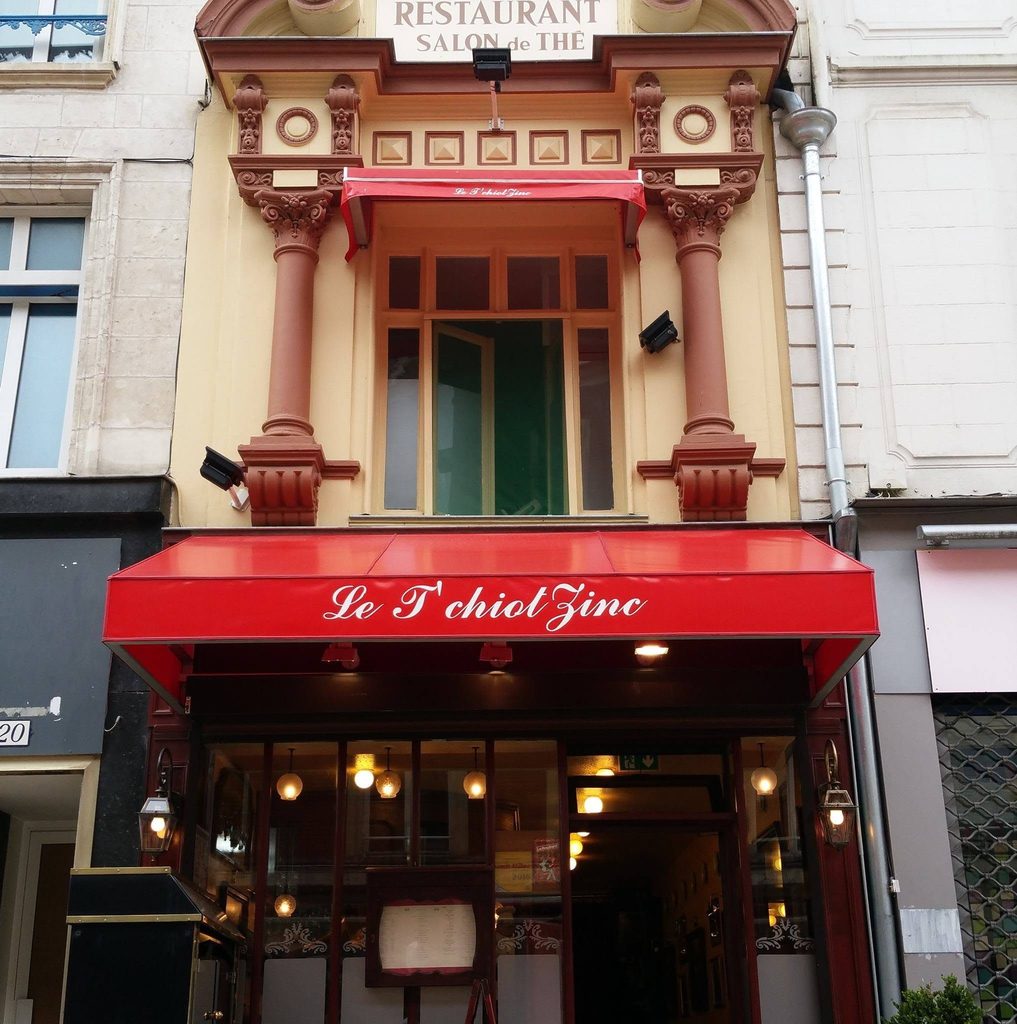
At midday, your stomach starts to rumble and the temptation to pop into the bistro becomes irresistible. You push open the door of the Little Pleasures or the T’Chiot Zinc, tables full of food lovers where laughter rings out and people kiss each other on both cheeks. You sit on the wooden chairs and breathe in the air, heavy with the aromas of simmering dishes.
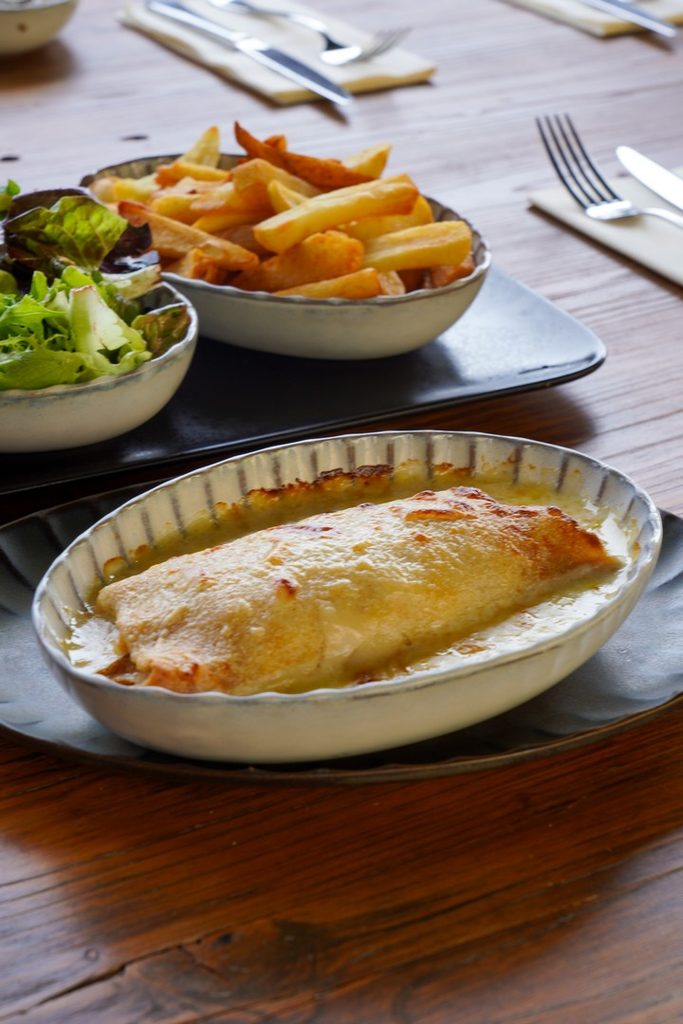
And then the chef brings out the masterpiece: the Picardy twine. Ah, the ficelle! It’s a real treat. A thin, light crêpe hiding within its folds a duxelles of finely chopped button mushrooms, sweet shallots sweated in butter and a lovely slice of cooked ham. The whole thing is topped with a generous dollop of thick crème fraîche and a handful of Emmental, browned under the oven’s heat. When the knife cuts through it, the cream oozes out, it smokes, and the aroma fills the room. You mop up the sauce with a piece of brown bread, thinking to yourself that, really, life is beautiful when it tastes like this.
For those with a hearty appetite, share a slice of Amiens duck pâté – a delicacy crafted with the precision of a master butcher and encased in a golden crust – or a Caghuse, this cut of pork, braised for hours in caramelised onions and local beer. It’s rustic, it’s hearty, and it’s a real feast!
For afternoon tea: The Kings’ Almond Cake
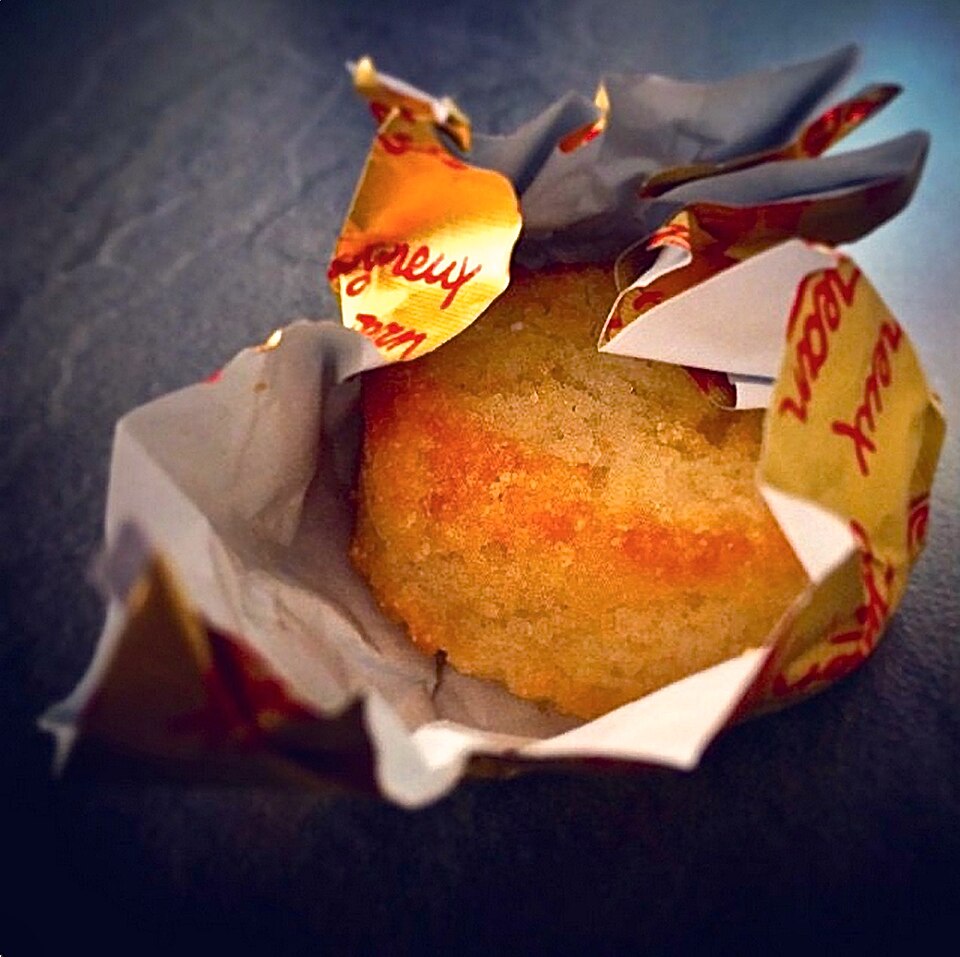
To round off this symphony for the taste buds, we’ll pop into the Jean Trogneux House, right in the shadow of the great cathedral. People come to pay their respects to the guardian of the Amiens macaron temple. Forget those little multicoloured Parisian things! Here, the macaron is a lord. It’s a small, dense, rustic disc, unchanged since the 16th century. Nothing but the real thing: sweet almonds, honey from local hives, and a touch of apple compote for a soft texture. Take a bite: the crust holds firm for a second before giving way to a tender, fragrant centre. A pure treat that’ll leave you with a childlike smile for the rest of the day.
We leave Amiens with a light heart and a full stomach, bidding farewell to the chefs and artisans. What a wonderful, gourmet France, my friends!
Amiens, the city of four faces
At the end of the walk, the four facets of Amiens eventually come together. The cathedral tells the story of a city with its eyes turned skywards; the hortillonnages, of a city shaped by water; the Musée de Picardie preserves its memory, whilst Jules Verne throws open the doors to the imagination. In Saint-Leu, finally, Amiens reveals its culinary side, with a ‘ficelle picarde’ or a few macarons.
And perhaps that is the true charm of Amiens. The city does not seek to dazzle you straight away. It reveals itself little by little. Amiens reveals itself little by little. You have to step beneath the vaults of Notre-Dame, glide by boat along a rieu, push open the museum door, climb the stairs of Jules Verne’s house, and then sit down to sample a few local specialities. Its identity gradually emerges from this succession of experiences.
For there are few cities where, in a single day, one can journey through twenty centuries of history, wander through the gardens and end one’s journey in the study of a writer who, whilst still in Amiens, had already imagined travelling round the world.
For more information
Tourist Information Centre
23 Place Notre Dame, 80000 Amiens
Telephone: 03 22 71 60 50
www.amiens-tourisme.com
Booking of activities (guided tours, workshops, etc.) + suggestions for things to do in the department and the Somme. »Amiens Coeur de Ville» passes are also on sale.
Tour guide: Christophe Boulard
christopheboulard01@gmail.com
Text : Michèle Lasseur
Photos : as indicated