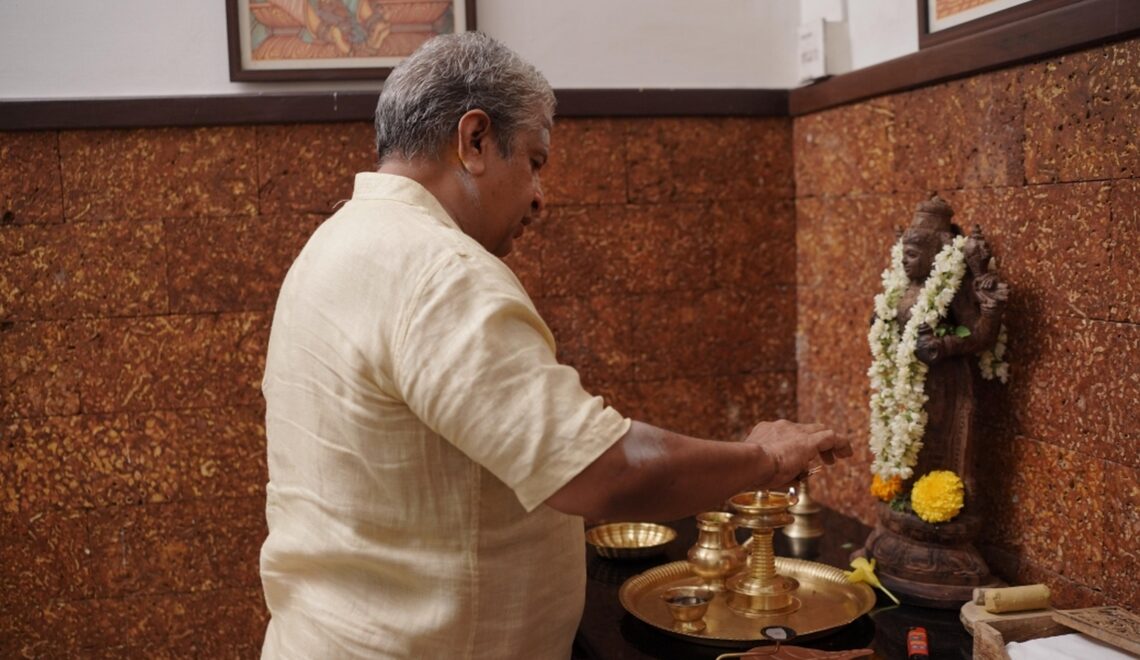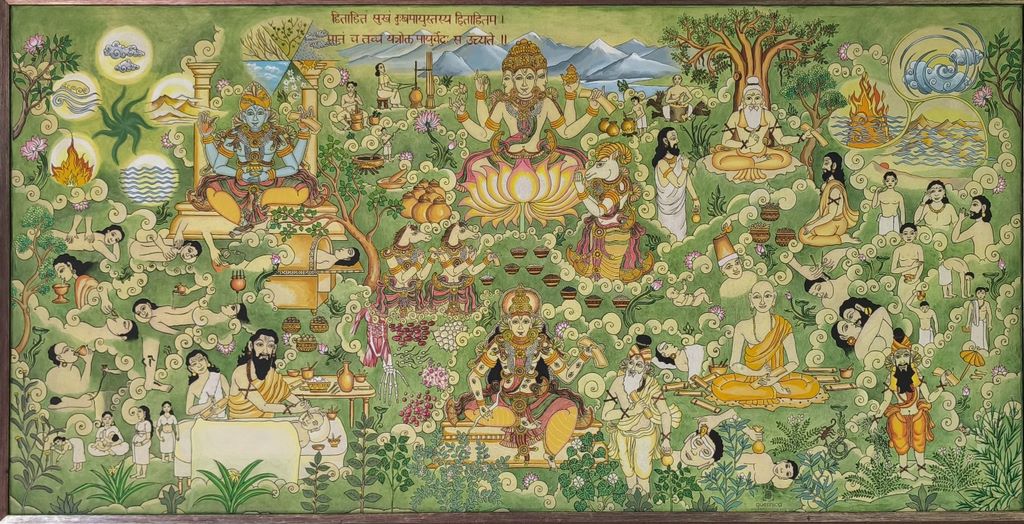

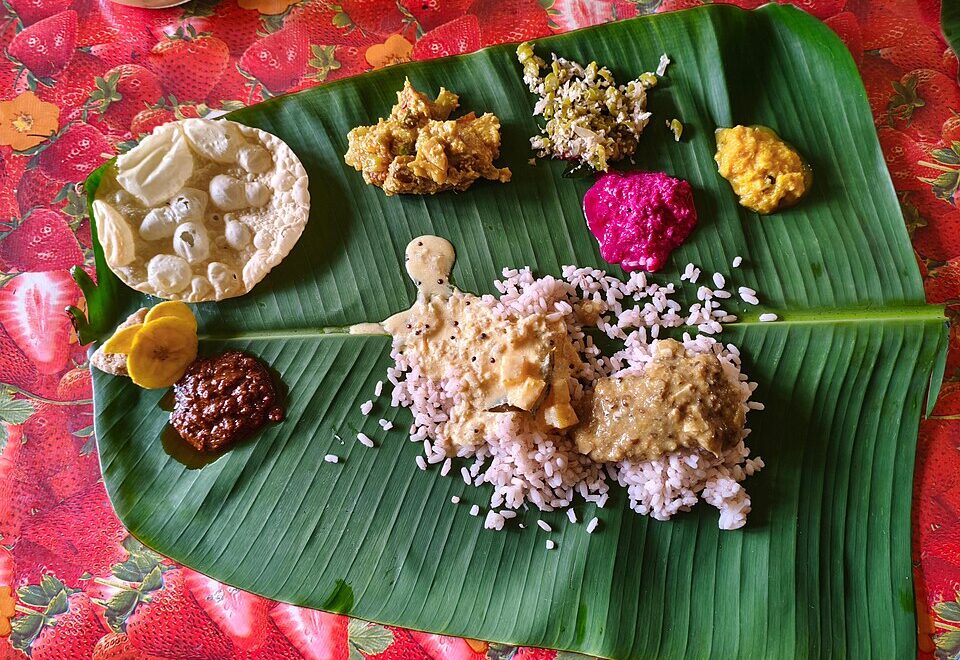
You may have already heard of «eating according to your dosha«In fact, Ayurveda, the traditional medical system recognised by the WHO, goes much further than that and in a way that strangely resonates with what metabolic science is documenting today.
Table of Contents
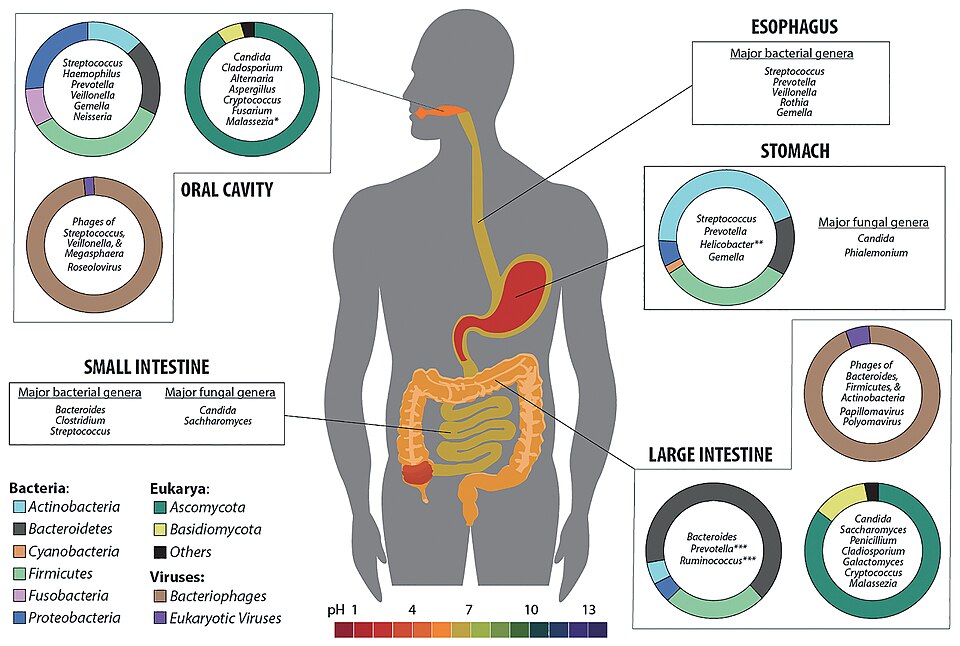
This age-old Indian medicine doesn't start with food. It starts with the ability to transform it. Its central concept is called Agni – the digestive fire –, and it refers to much more than just the stomach: it is the entire set of processes that allow for proper digestion, assimilation, and elimination. When this fire is balanced, the body runs well.
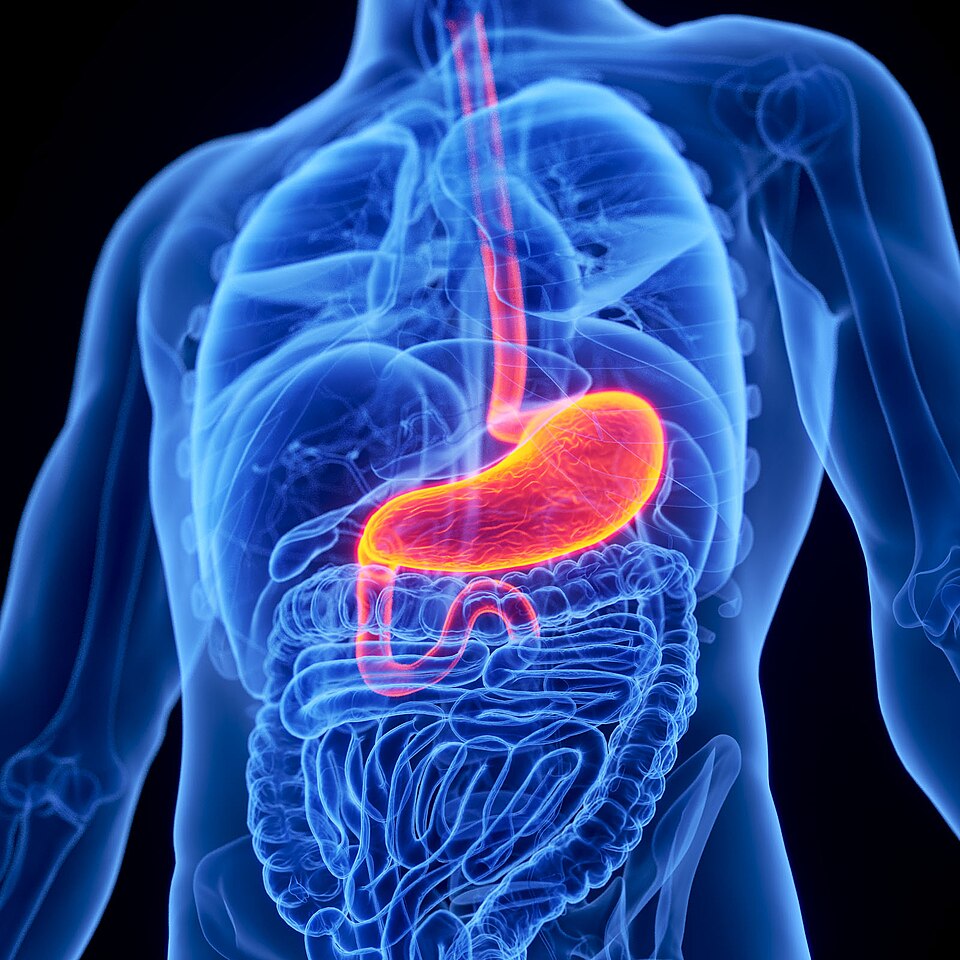
When Agni faint, even a careful diet can leave undigested residues (called Ama), responsible for fatigue, heaviness, or silent inflammation. Researchers now speak of mitochondrial dysfunction to describe a very similar mechanism: the «energy powerhouses» of our cells struggle to produce energy, waste accumulates, and the body becomes exhausted for no apparent reason.
Ayurveda: A Systemic View

NutritionAharanever evaluates itself alone. It is part of a whole: movement (Monastery), the mental and emotional stateThought), daily behaviours (AcharaThe same meal will not have the same effect depending on whether it is eaten at 1pm in a calm environment or at 10pm after a stressful day. This is what chronobiology now confirms: our internal rhythms directly influence how our body processes what we eat.

Ayurveda also identifies a precise list of fundamental errorsCriminal negligence), «errors of judgment» that weaken digestive fire even before the plate is involved: eating when not hungry, chaining meals without having digested the previous one, dining very late, filling one's stomach to the brim, swallowing without chewing. These everyday reflexes, often downplayed, are considered the first disruptors of metabolism. What modern medicine today calls late hyperphagia, circadian desynchronisation, or post-prandial overload.
Food also nourishes the mind

A fresh, minimally processed diet, tailored to the individual and the season – what Ayurveda calls Sattvic diet Supports mental clarity and emotional stability. Conversely, heavy or ultra-processed food promotes mental fog and nervousness. A link that research into the microbiome and the gut-brain axis is now seriously documenting.
Therefore, there is no universal Ayurvedic diet. Everything depends on the individual: their deep constitution (Nature), their current imbalances, the quality of their digestion, the season, their age. It is precision nutrition and precisely for this reason it benefits from being created with a qualified practitioner, and not on the basis of a test « What is your Dosha »on the internet.
This is where Dinacharya, the daily routine, comes into play: not as a list of constraints, but as an intelligent framework for aligning meals, sleep, exercise, and recovery with the body's natural rhythms. A way to put digestive fire back in its rightful place. And to nourish, finally, in a way other than survival mode.
1 – The word sattvic comes from Sanskrit sattva, one of the three gunas (fundamental qualities of nature). In diet, this refers to foods and practices that support this calm and stable state of consciousness.
Text : Anne Kanjookkaran Vanackère
MD Vedic Psychology
Senior Ayurveda Consultant since 2004
Photos : as indicated
Photo opening : Dr Chuchi C./Commons.
For more information
https://www.ayurvedamodernexperience.fr
annekv@ayurvedamodernexperience.in
+ 33 (0)6 30 34 53 28
+ 91 (0)92078 42992