All over the world, beliefs and superstitions weave an invisible web of rituals, objects and stories that span the ages and shape our perception of the world. Whilst they are sometimes seen as mere popular beliefs, they reveal above all a profoundly human way of inhabiting the world, of engaging with the invisible and of seeking to influence fate. At a time when societies are intermingling and clashing, these traditions – whether inherited, reinvented or hybridised – bear witness to the diversity of ways in which people make sense of reality, attract good fortune, ward off misfortune or protect themselves.
Table of Contents
Where does superstition begin? Where does it end? Whilst some regard it as a world of dubious beliefs, it nevertheless reveals itself, when we broaden our perspective, as a universally shared language. It is indeed astonishing to see the extent to which peoples living far apart – sometimes with no direct contact – whether so-called ‘primitive’ societies or contemporary Western societies, have developed strikingly similar beliefs and practices. It is as though humanity carried within it a shared reservoir of fears, hopes, intuitions and belief in the power of the mind. This recurrence raises questions: far from being a matter of chance or mere imitation, it seems to point to a common foundation of human experience: the fear of the unknown, the dread of death, the desire for protection, the quest for meaning in the face of the unpredictable, and the search for a universe perceived as permeated by forces, signs and presences, where a gesture, an object or an event can become a mediator between the visible and the invisible.
Superstition: a universal language
Among indigenous peoples, what the West terms «superstition» is generally part of a coherent system of relationships with the world, fully integrated into social, ritual and symbolic life, and based on the belief that the spirit is active. This power of the spirit is acknowledged and ritualised: the shaman’s thoughts, words or intentions play a direct part in healing, hunting or maintaining cosmic balance. But our own Western superstitions, often dismissed as harmless habits or folkloric relics, are based on similar principles: they too presuppose invisible correspondences, the symbolic efficacy of gestures and a causality that is not strictly rational. This is true of the faith placed in a lucky charm, or the belief that one can invite misfortune through one’s words. Even when modern reason rejects such ideas, it continues to implicitly recognise the performative power of the mind, as evidenced by the well-documented effects of autosuggestion or the placebo effect. The logic remains the same: the material world is not autonomous; it is permeable to the action of invisible forces, foremost among which is the power of the human mind. Understood in this way, superstition is not so much a matter of the irrational as of an implicit cosmology, in which the material and the immaterial constantly interact, in different forms but according to profoundly analogous mechanisms.
It is from these constants, embedded at the very heart of both societies and individuals – where people seek to interpret the invisible through the signs of the world and to influence the course of events through their actions – that superstitions subsequently take on a multitude of forms, adapted to cultural, social and historical contexts.
Similar symbolic mechanisms across all peoples
Protective items
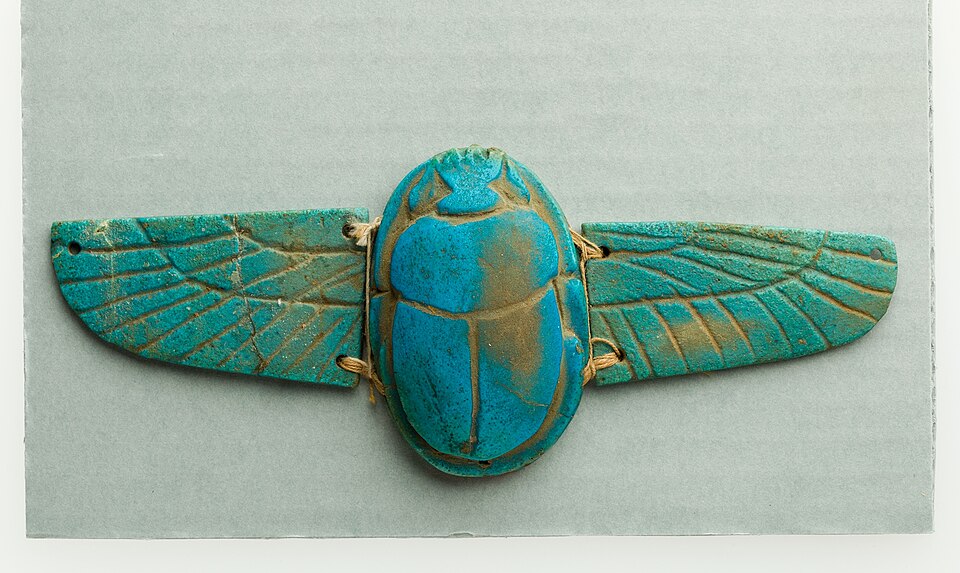
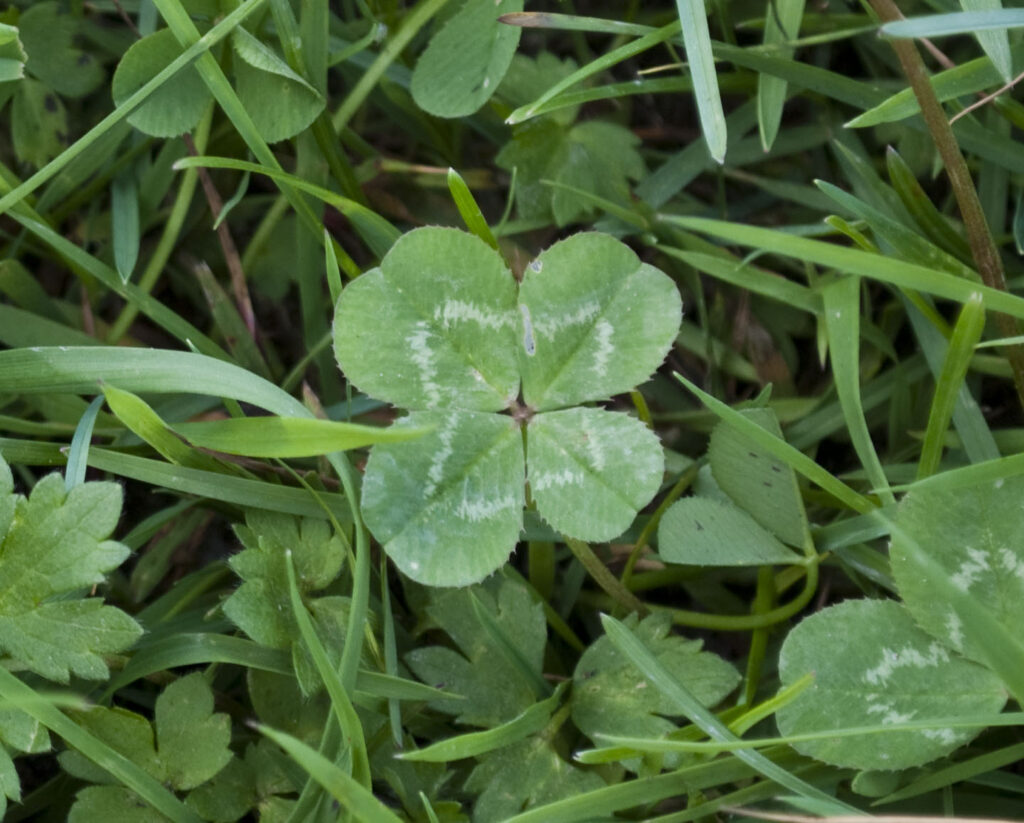
The wearing of protective objects such as amulets, Native American medicine bags, talismans, religious medallions, lucky clovers, etc., is based everywhere on the same intuition: that a physical object can concentrate or channel an immaterial force.
Transitional spaces
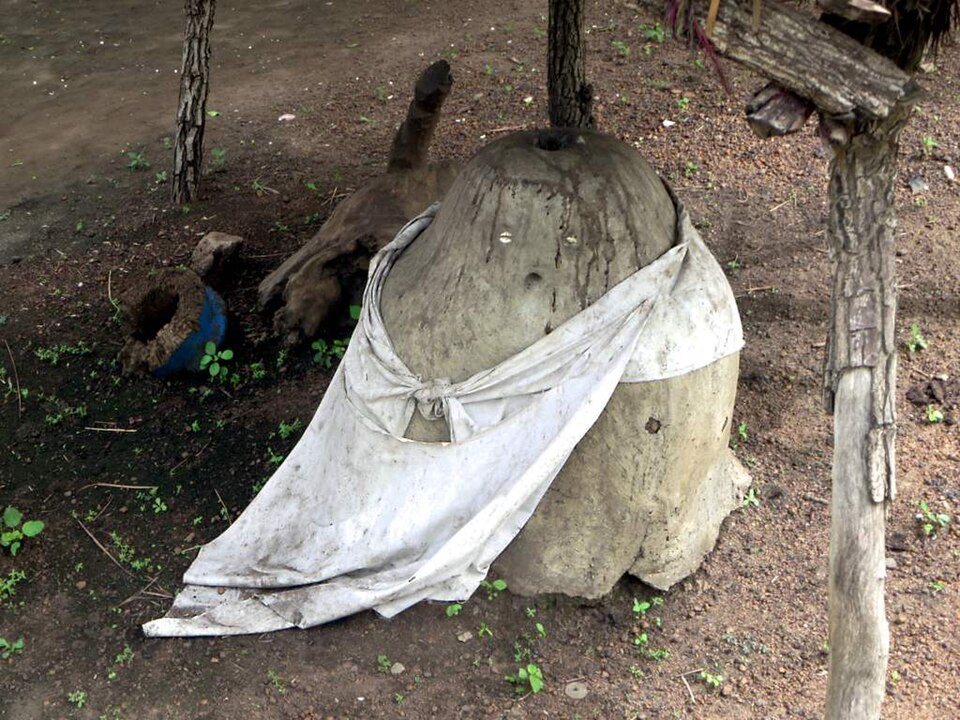
The significance attached to thresholds, crossroads or places of passage – whether in the form of ritual practices amongst indigenous peoples (offerings at crossroads in Voodoo, sacred and taboo areas such as the maraes in Polynesia) or seemingly innocuous gestures in the West (carrying the bride over the threshold, not greeting someone on the doorstep), reflects a shared perception of liminal spaces as zones of instability between worlds.
Animals: Messengers from the Unseen

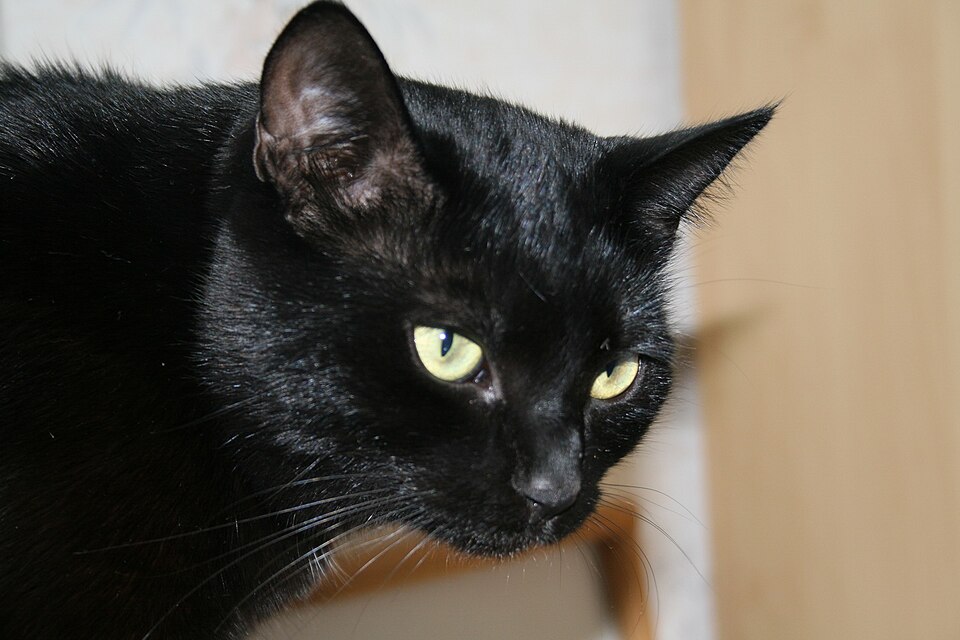
Animals, whether they are totems, helper spirits or mere omens, fulfil a similar mediating role, as if certain forms of life had privileged access to the invisible. Take, for example, the totem animals of Native American shamans, which appear as spiritual guides during vision quests (the eagle connects heaven and earth, the bear embodies healing…, etc.). Among the Yanomami or the Achuar, the shaman can «become» a jaguar or a bird, and among many peoples, game will either yield or elude the hunter depending on whether the ritual rules are observed. Among the Inuit, Yupik and Kalaallit, marine animals (seals, walruses, whales) are associated with Sedna, mistress of the seas. If the rules are broken (unfair sharing, dietary taboos transgressed), the hunt fails or storms arise. Game will not be caught until the moral order has been restored by the shaman. In our part of the world, black cats, owls, ravens and foxes are said to herald misfortune, whilst crickets and blackbirds bring good luck. And boasting about a future catch before a hunting or fishing trip invites failure: the game vanishes, and the fish stop biting.
The Soul and Its Double

The belief in the existence of a soul’s double is found across many cultures. It is expressed both in the fear of breaking a mirror (which is synonymous with seven years of bad luck in the West, a breakdown in family harmony in China, or a grave omen in Japan) and in the tales of the loss of the soul found in many indigenous cosmologies. These beliefs are based on a shared conception: that of a human being permeated by forces beyond their control, whose integrity is not confined to the visible body. Breaking a mirror therefore symbolically amounts to wounding the soul. This concept takes on a particular significance in Japan, where the mirror occupies a central place in the shintō. In shrines, it is often placed at the heart of the sacred space, not to be looked at but to allow the presence of the kami. One of the three sacred treasures of the Japanese imperial tradition is, in fact, a mirror, a symbol of truth and balance in the relationship between humankind and the unseen world. In this context, breaking a mirror or keeping a cracked one is seen as a bad omen, not out of blind superstition, but because this act signals a disruption of harmony, a loss of spiritual protection or the intrusion of the kegare, impurity.
Masks
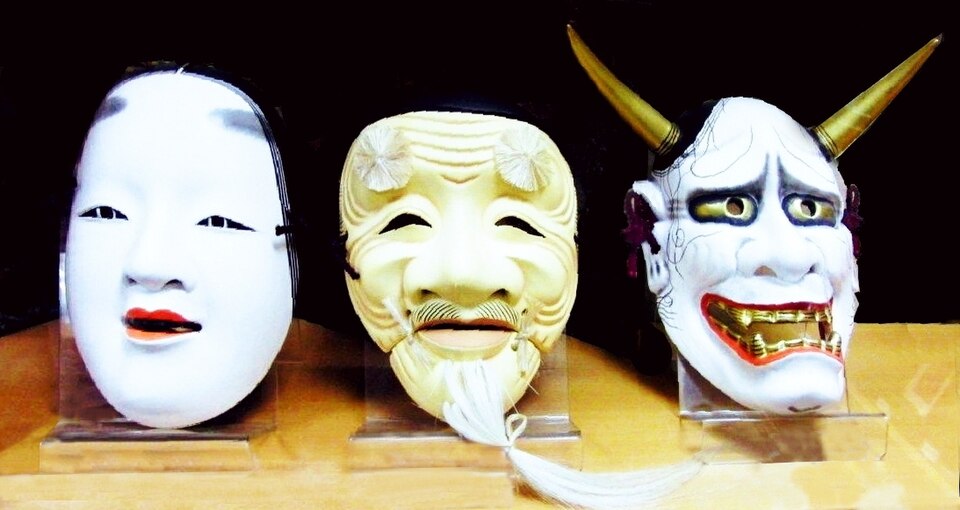
Across all continents, masks play a role in power, protection and/or mediation. They are not merely objects: they have an active role to play. Among the Dogon people, the Bambara people, the Senufo, masks are imbued with a certain power. Embodying the ancestors, protecting the village and regulating social and moral order, they play a role at the major turning points of life: funerals, initiations and births, which are interpreted as cosmic signs. Through them, the human body, the community and the cosmos are seen as intimately connected, and ritual ensures their balance.
Contrary to popular belief, the West is not unaware of the power of masks: it practised this for a long time before forgetting it. From Greek theatre to medieval carnivals, the mask was not merely a theatrical device, but a means of mediation between the human body, the social order and the cosmos – a function comparable to that which it still fulfils in many African societies. In our contemporary Western societies, the mask has not disappeared: it has become fragmented and rendered invisible. Digital avatars, social media profiles, and professional or emotional identities function as permanent masks, which we don without ritual or collective framework, isolating the individual in a continuous performance of the self. Art remains one of the few spaces where the mask retains a conscious and structuring power: from Western theatre (commedia dell’arte, contemporary theatre, burlesque), heir to the Greek prosôpon (1), to theatre Nô Japanese art, where it does not conceal the human but rather shifts the focus away from it and opens it up to a broader otherness. These artistic practices thus appear as attempts to revitalise a weakened ritual function, by restoring meaning and form to contemporary shifts in identity.
Salt
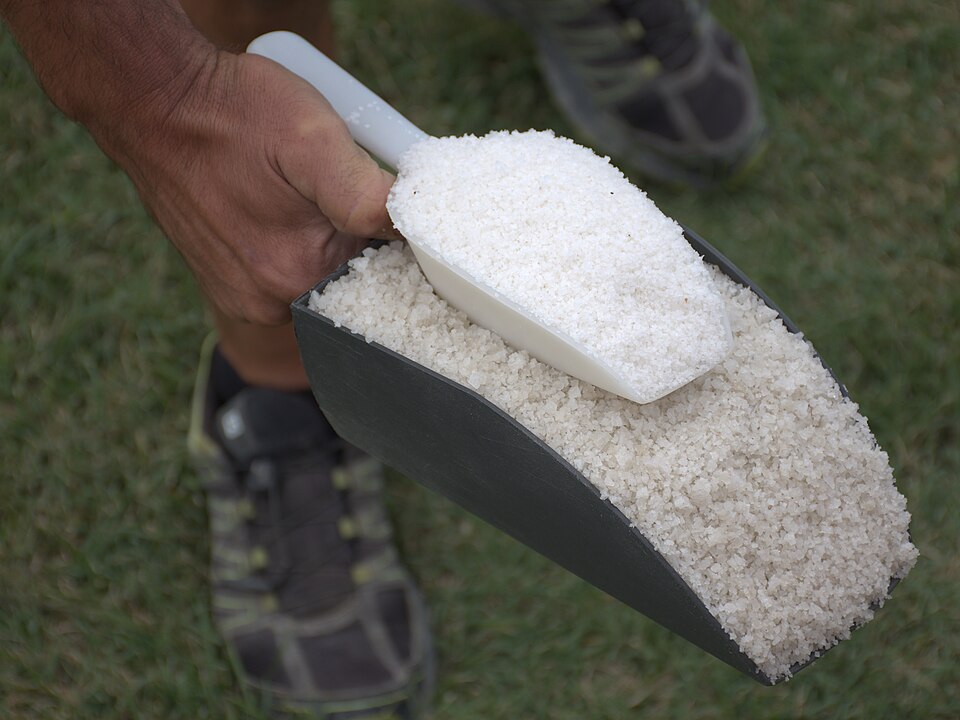
Salt, universally associated with purification and protection, is found across cultures and religions throughout the world. In the sumo, the rikishi (wrestlers) throw handfuls of salt onto the dohyō, the sacred space of battle, and stamp their feet on the ground to drive away evil spirits. In Christianity, it is used during exorcism rites to ward off evil, whilst in Hinduism, it forms part of purification rituals before festivals or in temples. Among indigenous peoples, its use is just as central: the Navajos and Cherokees They use it to purify sacred places and incorporate it into the sand paintings (hozhó) during healing rituals, the Shipibo-Conibo In Peru, it is incorporated into shamanic ceremonies to purify participants and objects, and amongst the Aborigines In Australia, it is used to consecrate the ground or water during ceremonies of the Dreamtime. Everywhere, salt transcends its mere role in food to become a spiritual and ritual tool, capable of protecting, purifying and connecting the visible and invisible worlds.
These examples illustrate what Baudelaire sensed when he saw superstition as a « a treasure trove of truths », which Konrad Zucker (1893–1978) analysed this as a psychological response to uncertainty, and what Philippe Descola will describe it as another way of engaging with the world: not a remnant of irrationality, but the enduring expression of an implicit cosmology in which the material and the immaterial are in constant dialogue.
Superstition: the invisible thread of humanity
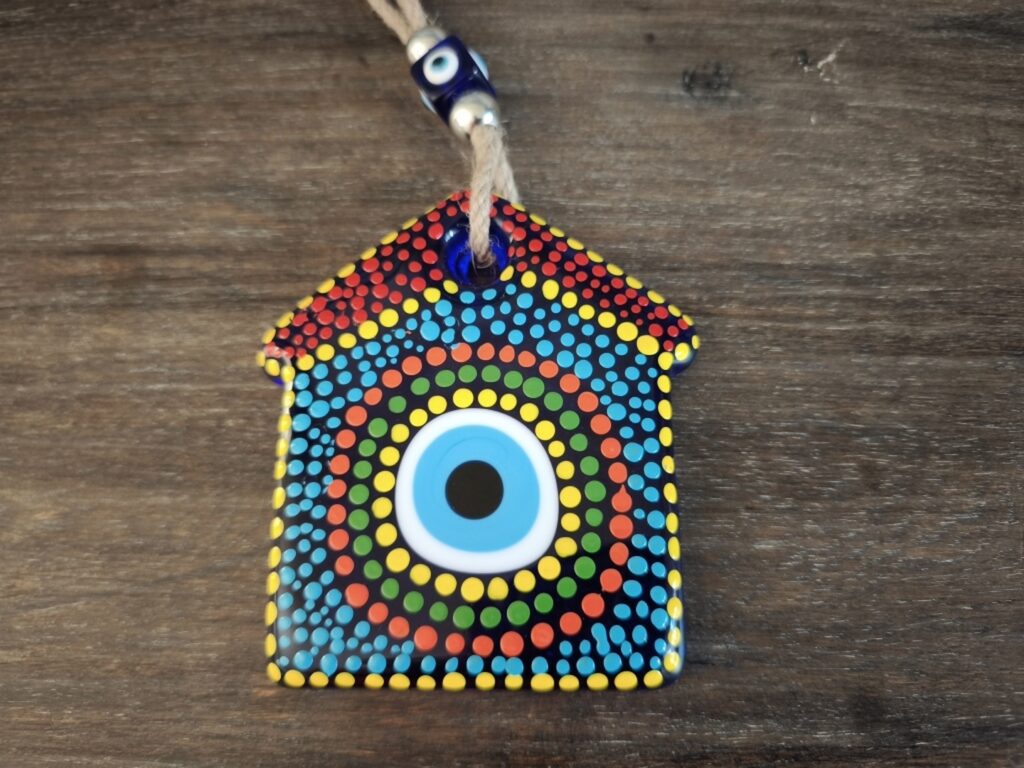
Today, humankind considers itself civilised. Yet superstition reigns supreme. We believe ourselves to be free from archaic beliefs thanks to science, technology and rationality. Yet, as soon as uncertainty or risk arises, the same mechanisms as in the past kick in: the search for omens, apotropaic gestures, belief in invisible forces, and so on. Marabouts, fortune-tellers, St Christopher’s medals, the eye of Medusa, horseshoes, shamanic rituals, talismans, the sprinkling of holy water (on cosmonauts before their rocket lifts off from Baikonur, for example!), etc.—superstitions are found everywhere, in all cultures. « Man, whether he lives deep in the tropical jungle, on the steppe or in concrete cities, is the same animal that feels fear. He fears lightning, disasters, accidents and Death – with a capital D – which is his great mystery. », says the historian and folklorist Roger Maudhuy (2).
Far from being a mere remnant of ignorance destined to disappear under the combined onslaught of religion and reason, superstition appears to be a persistent feature of human experience. And the level of scientific knowledge attained by an individual does not prevent either beliefs or practices. It may even reinforce them. Superstition has endured through the centuries, transforming itself as it has shifted from the fringes of the religious and/or the sacred into the interstices of everyday life. Whilst modernity has sought to be disenchanted, it has not abolished the need for signs, mediations and narratives capable of exorcising our fears and anxieties, and of lending coherence to the uncertain. In this sense, superstition perhaps speaks not so much to the failure of reason as to its limits: it reveals that irreducible aspect of human nature when faced with the unpredictable, death and chance. What we persist in calling superstition, in ever-changing forms, may well be one of the most enduring languages through which humanity continues to negotiate its place in the world. And as a saying often attributed to Coluche (and sometimes to Pierre Desproges) puts it: « I’m not superstitious – it brings bad luck. "
Superstition or Religion?
In Latin, superstition, as opposed to religio, is thought to have originally referred to a form of «gift of presence» or «divination of the past». Its meaning subsequently underwent a profound shift: for Saint Augustine, it was «unwarranted divine worship»; in the Middle Ages, it was an irrational practice opposed to the «true faith»; and from the 16th century onwards, superstition came to encompass popular beliefs, omens and practices condemned by the Church. With the Enlightenment, it also came to denote that which, in the realm of the sacred, stood in opposition to Reason, to the extent that religion and superstition were sometimes conflated in the writings of atheists and deists. From the 16th to the 18th century, collections were published with the aim of combating these beliefs, such as the A Treatise on Superstitions by Abbé Jean-Baptiste Thiers (1679). In the 19th century, missionaries in turn labelled many of the religions and beliefs of the peoples they encountered as «superstitions»: proof that the boundary between religion and superstition remains blurred. In 1948, in The Psychology of Superstition, Konrad Zucker distinguishes between three forms: «magical» superstitions (amulets, sorcerers, metamorphoses), which are thought to exert an influence on the world; «mystical» superstitions (astrology, divination, prophecies, oracles), linked to fate; and those relating to premonitions (prophetic dreams, omens). Having evolved over the centuries, superstition thus remains one of humanity’s responses to uncertainty.
1- The prosôpon Originally meant ‘face’, then ‘theatre mask’, and by extension ‘person’. Through the mask, it is not the individual who speaks, but a figure: a hero, a god… The actor becomes the medium for a voice that transcends him.
2 – The Great Dictionary of Superstitions, Artemis Publishing, 2019.
This article was also published in issue no. 22 of the journal Natives, Peoples, Roots.
Text : Brigitte Postel
Photos: as indicated